How to Explore Siem Reap Like a Local: The Ultimate Guide

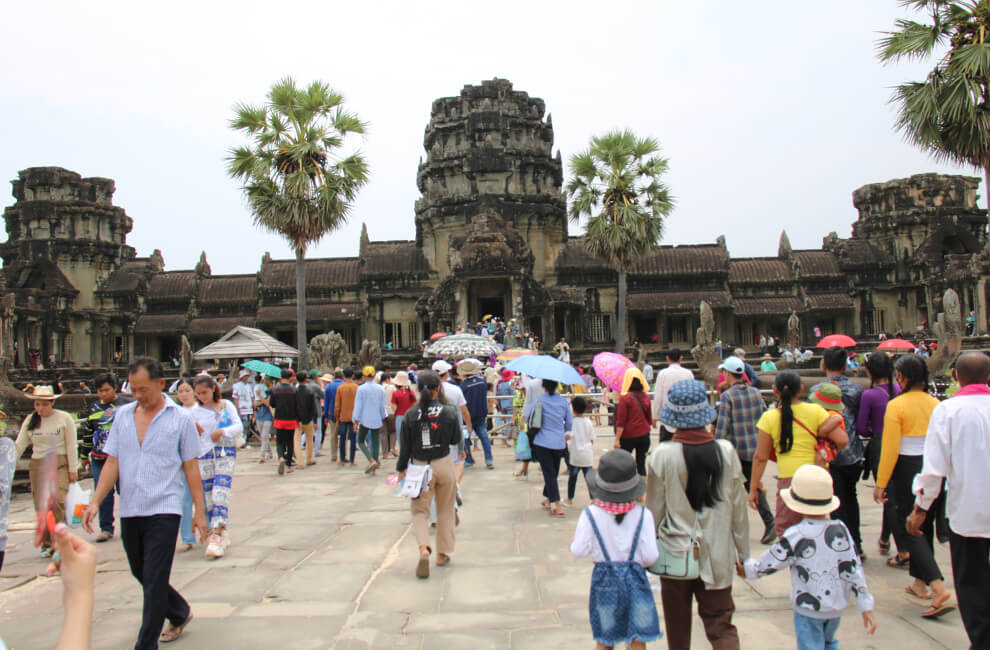
Siem Reap, the gateway to the ancient temples of Angkor, is a city that captivates travelers with its rich history, vibrant culture, and warm hospitality. While the iconic Angkor Wat is a must-see, there’s so much more to this Cambodian gem than meets the eye. To truly experience Siem Reap, you need to explore it like a local. This guide will take you off the beaten path, revealing hidden gems, authentic experiences, and insider tips that will make your trip unforgettable.

Start Explore Siem Reap with a Local Breakfast

Kuy Teav: The Cambodian Noodle Soup

Begin your day like a true Siem Reap local with a bowl of Kuy Teav. This traditional Cambodian noodle soup is a breakfast staple, made with a flavorful broth, rice noodles, and a variety of toppings like pork, beef, or seafood. Head to a local market or a street food stall to enjoy this hearty dish. One popular spot is the Psar Chas (Old Market), where you can savor a bowl of Kuy Teav while soaking in the bustling atmosphere.
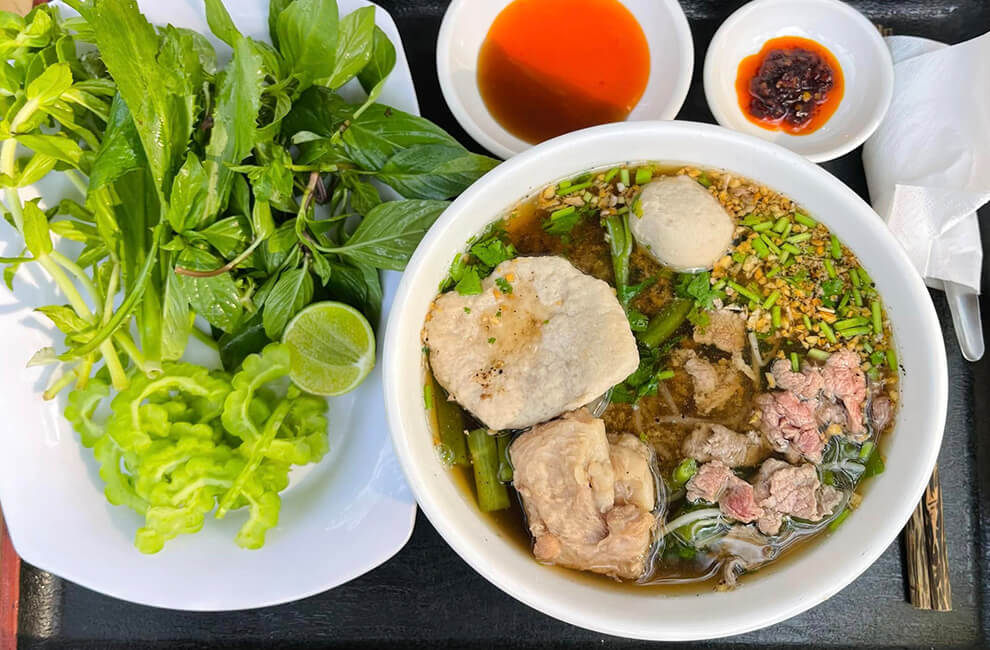
Cambodian Noodle Soup_ - Kuy Teav

Num Pang: Cambodian Sandwich

If you’re looking for something lighter, try Num Pang, a Cambodian-style sandwich. Similar to Vietnam’s Banh Mi, Num Pang is filled with grilled meats, pickled vegetables, and fresh herbs. You can find these delicious sandwiches at street vendors or small local eateries around the city.

Explore the Local Markets

Psar Chas (Old Market)

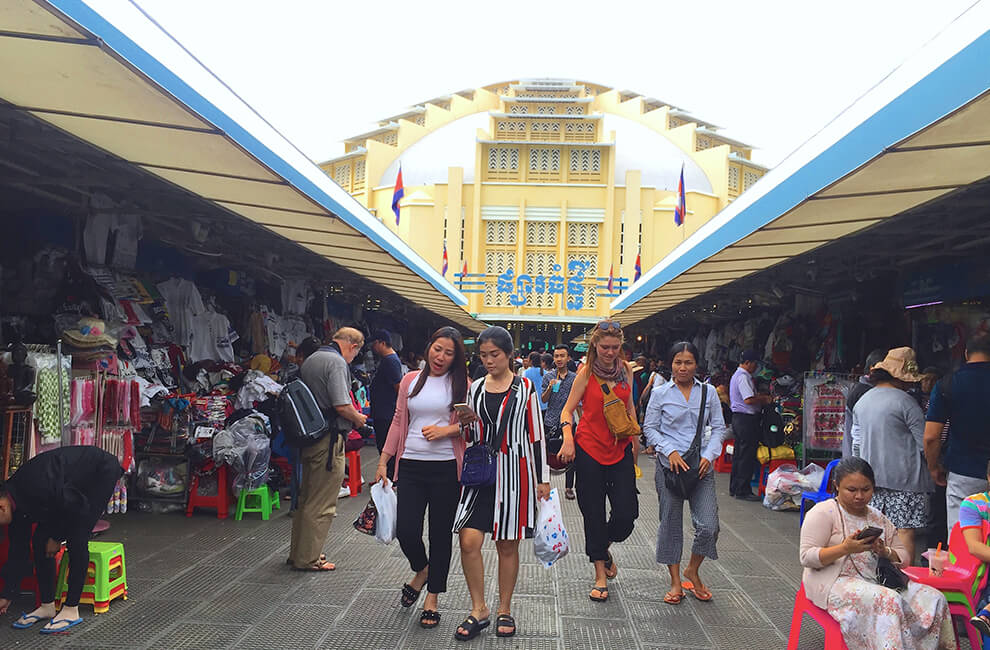
No visit to Siem Reap is complete without a trip to Psar Chas, the city’s oldest market. Here, you’ll find everything from fresh produce and spices to handicrafts and souvenirs. Wander through the narrow aisles, haggle with vendors, and immerse yourself in the vibrant local culture. Don’t forget to try some local snacks like fried bananas or coconut pancakes.

Psar Leu (Big Market)

For a more authentic experience, venture to Psar Leu, a larger market frequented by locals. This market offers a wide range of goods, from clothing and electronics to fresh seafood and exotic fruits. It’s a great place to observe daily life in Siem Reap and pick up some unique souvenirs.
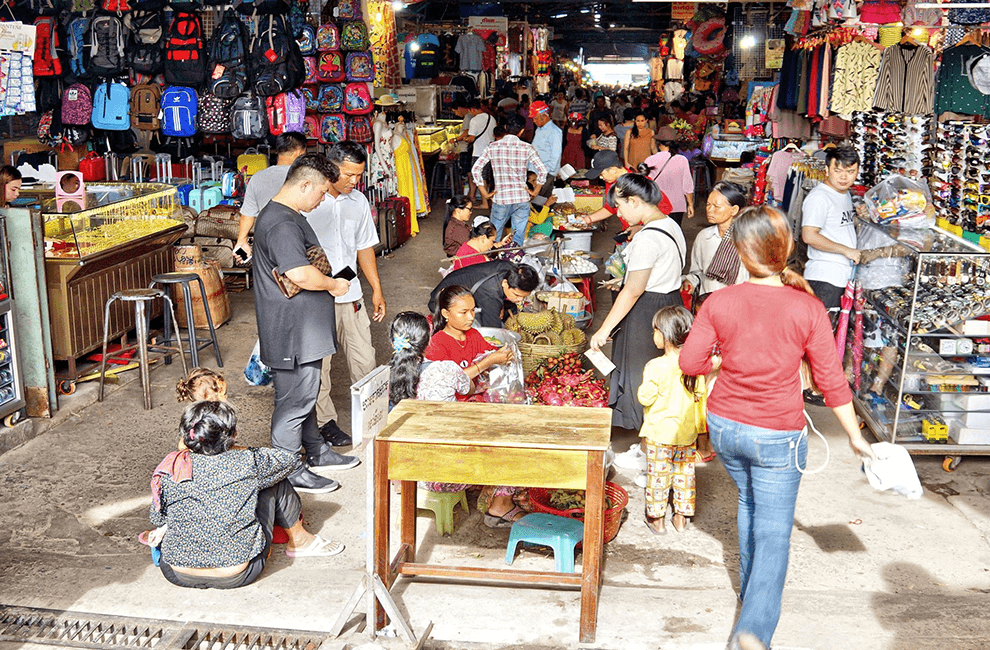
Phsar Leu Market Sihanoukville

Discover Hidden Temples Beyond Angkor Wat

Banteay Srei: The Citadel of Women

While Angkor Wat is undoubtedly the star attraction, there are many lesser-known temples that are equally fascinating. Banteay Srei, located about 25 kilometers from Siem Reap, is one such gem. Known as the “Citadel of Women,” this temple is renowned for its intricate carvings and pink sandstone construction. The smaller size and remote location make it a peaceful and less crowded alternative to the main Angkor complex.

Beng Mealea: The Jungle Temple

For a truly adventurous experience, visit Beng Mealea, a sprawling temple complex that has been largely reclaimed by the jungle. Located about 40 kilometers from Siem Reap, this temple offers a glimpse into what the Angkor temples might have looked like when they were first rediscovered. The overgrown ruins and lack of crowds make it a magical place to explore. This Beng Mealea Tour will explore a part of Siem Reap destination.
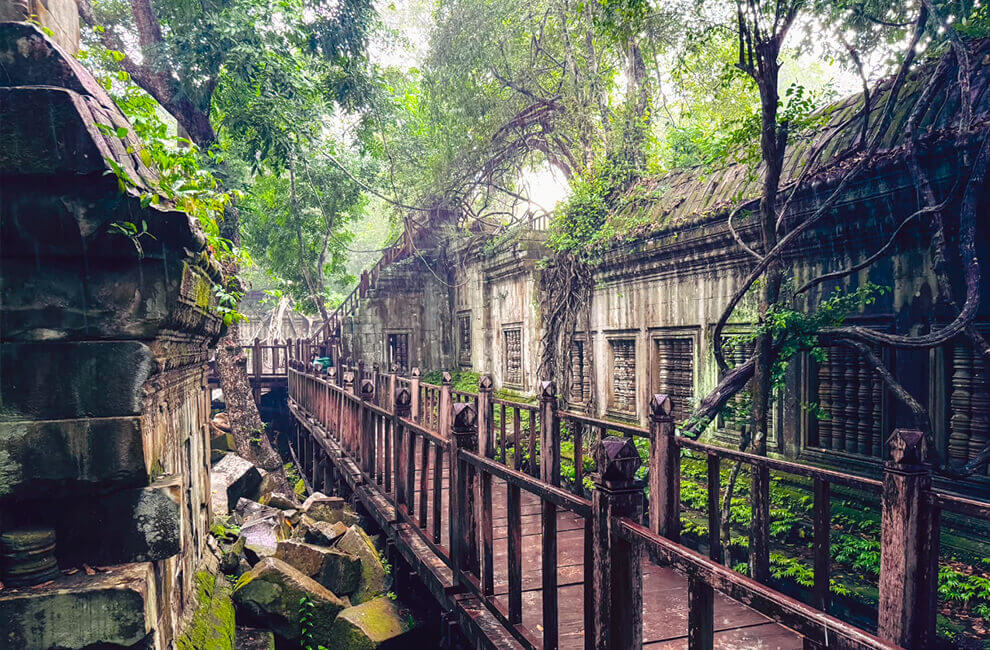
Beng Mealea Jungle Temple

Cycle Through the Countryside

Rural Villages and Rice Fields

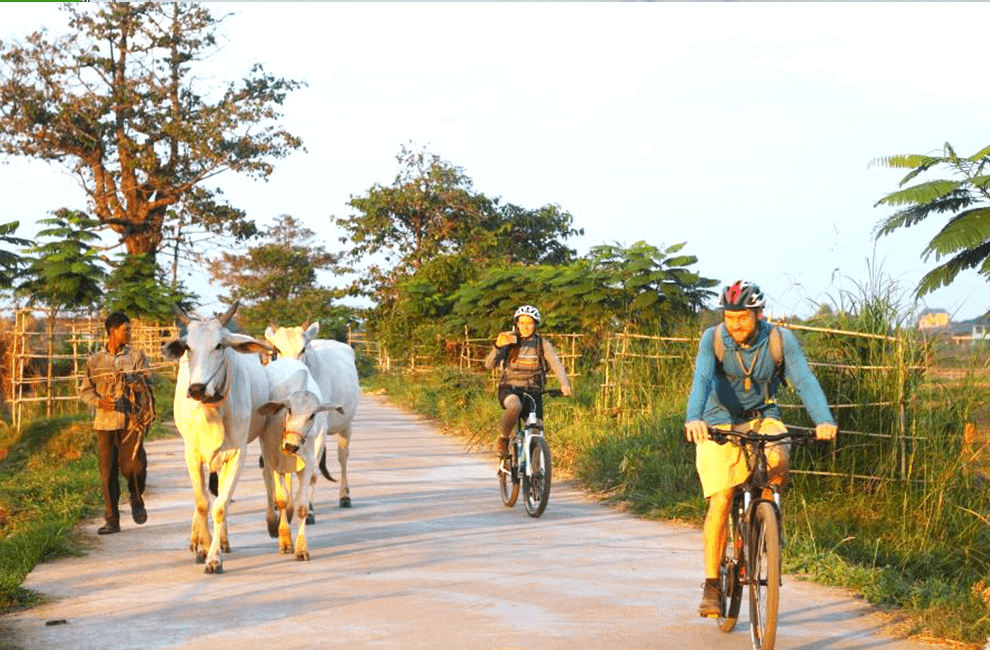
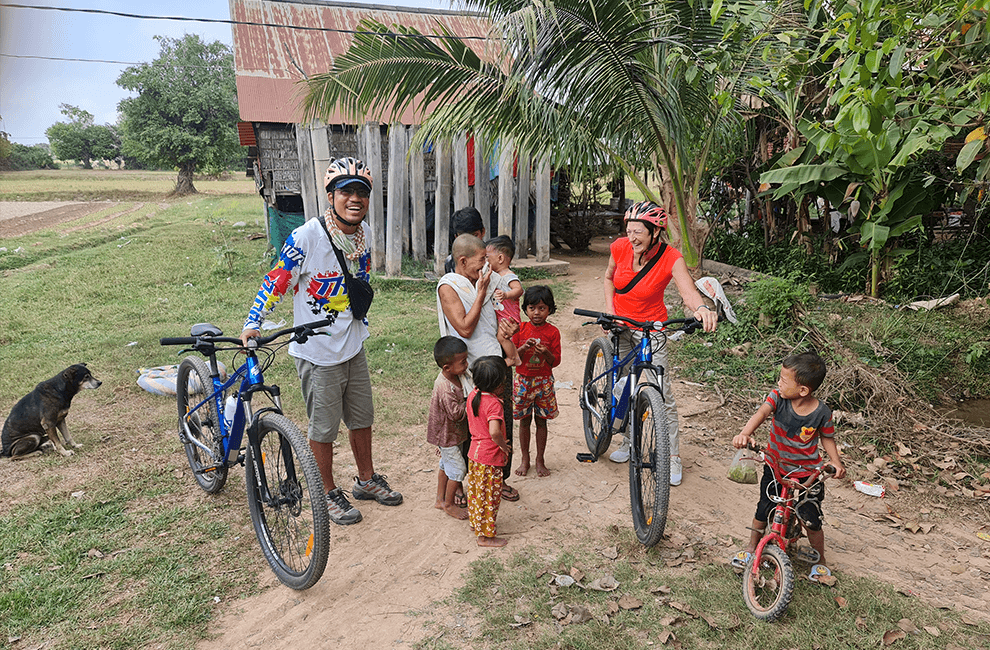
One of the best ways to experience Siem Reap like a local is by renting a bicycle and exploring the surrounding countryside. Cycle through picturesque rural villages, lush rice fields, and serene waterways. You’ll have the opportunity to interact with friendly locals, observe traditional farming practices, and enjoy the peaceful beauty of the Cambodian landscape.

Kampong Phluk Floating Village

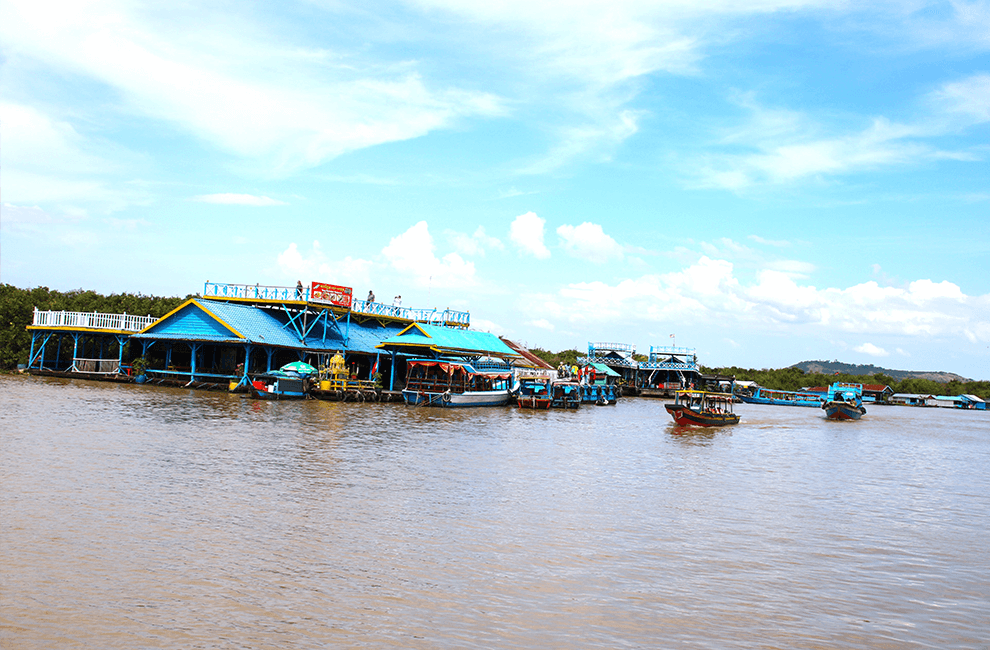
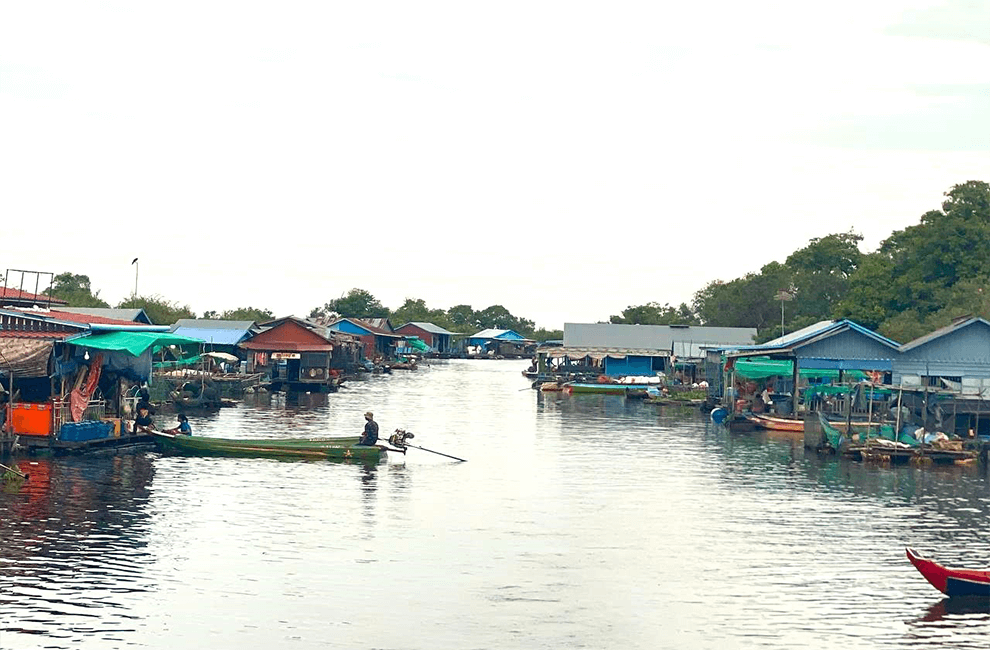
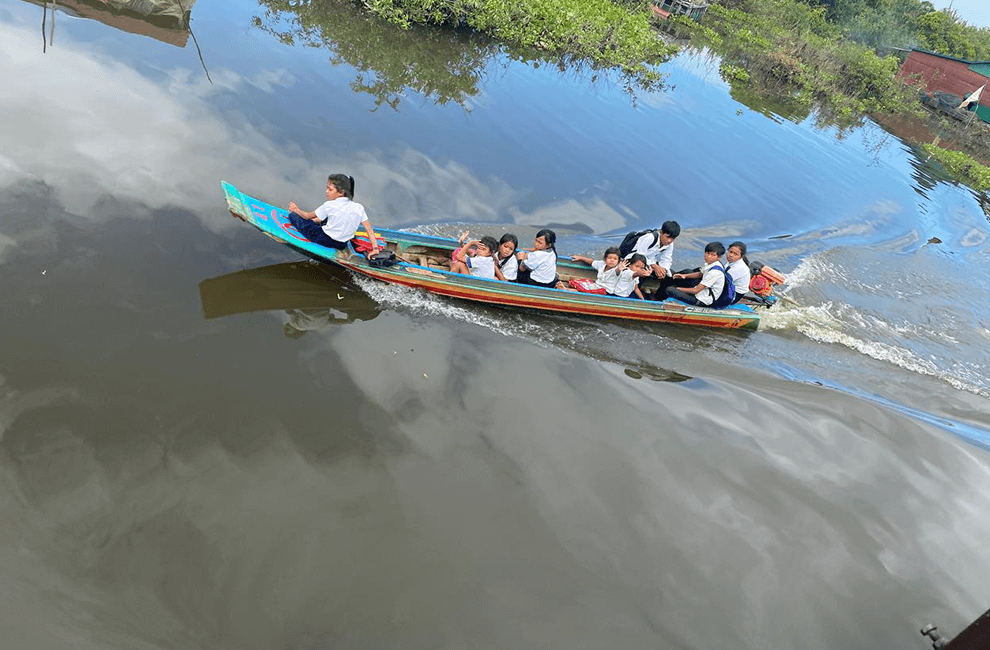
For a unique experience, take a bike ride to Kampong Phluk, a floating village located on the Tonle Sap Lake. During the wet season, the village is surrounded by water, and houses are built on stilts. You can take a boat tour to explore the village and learn about the daily lives of the people who call this place home.
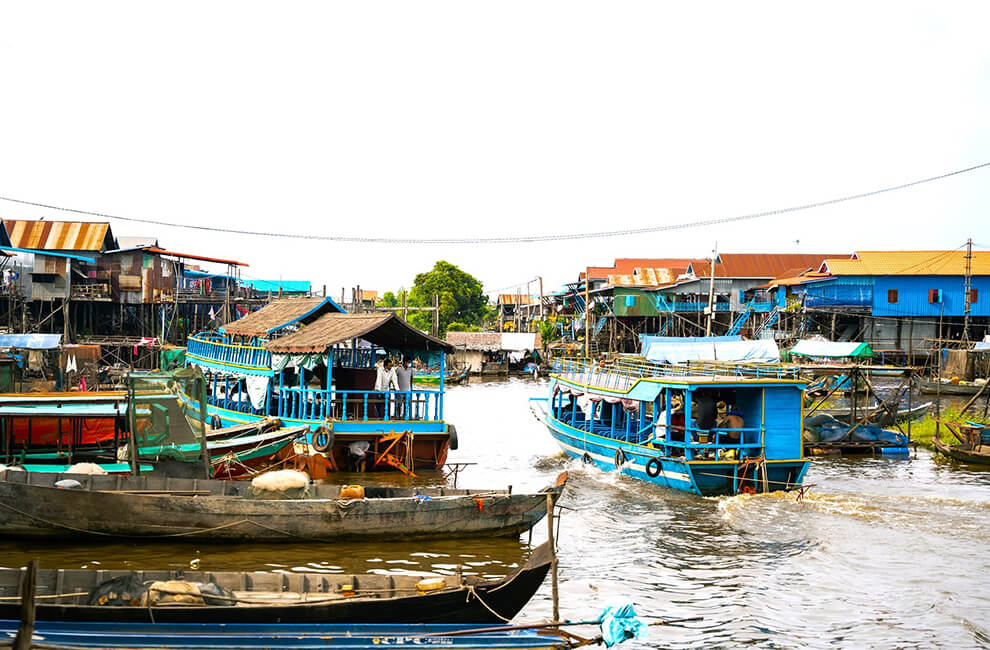
Explore Kampong Phluk Floating Village

Indulge in Local Street Food

Grilled Skewers and Fresh Spring Rolls

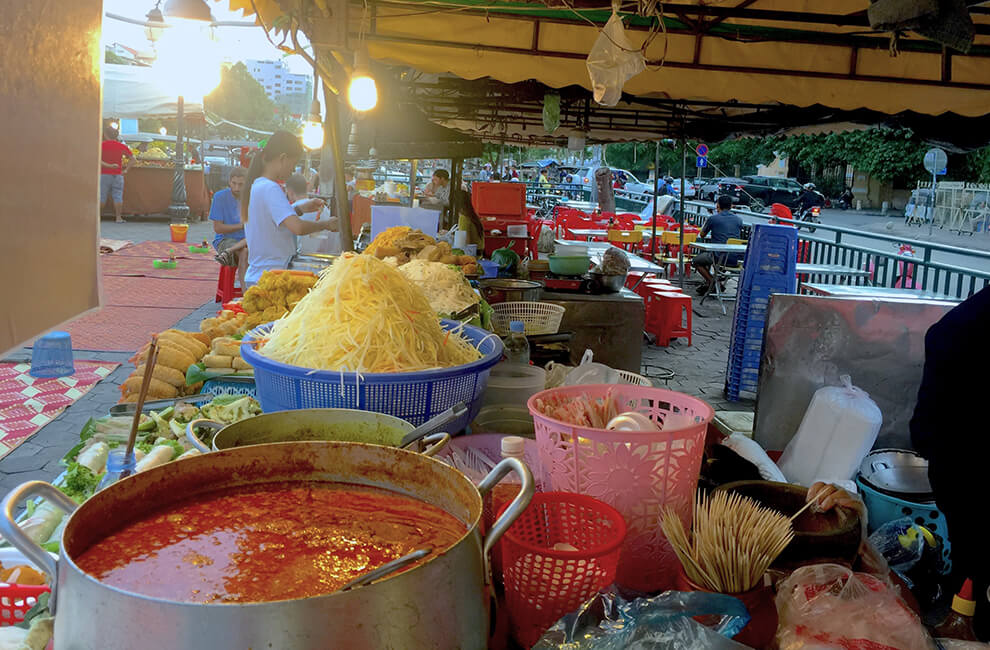
Siem Reap’s street food scene is a culinary adventure waiting to be explored. Sample grilled skewers of meat, fish, or vegetables, often marinated in a flavorful blend of spices and herbs. Fresh spring rolls, filled with shrimp, pork, and herbs, are another popular street food option. You’ll find these delicious treats at street food stalls and night markets throughout the city.

Fried Insects: A Unique Delicacy

For the more adventurous eater, Siem Reap offers a variety of fried insects, including crickets, grasshoppers, and tarantulas. While it may sound intimidating, these crunchy snacks are a local favorite and a must-try for those looking to fully immerse themselves in Cambodian culture.

Experience the Nightlife Like a Local

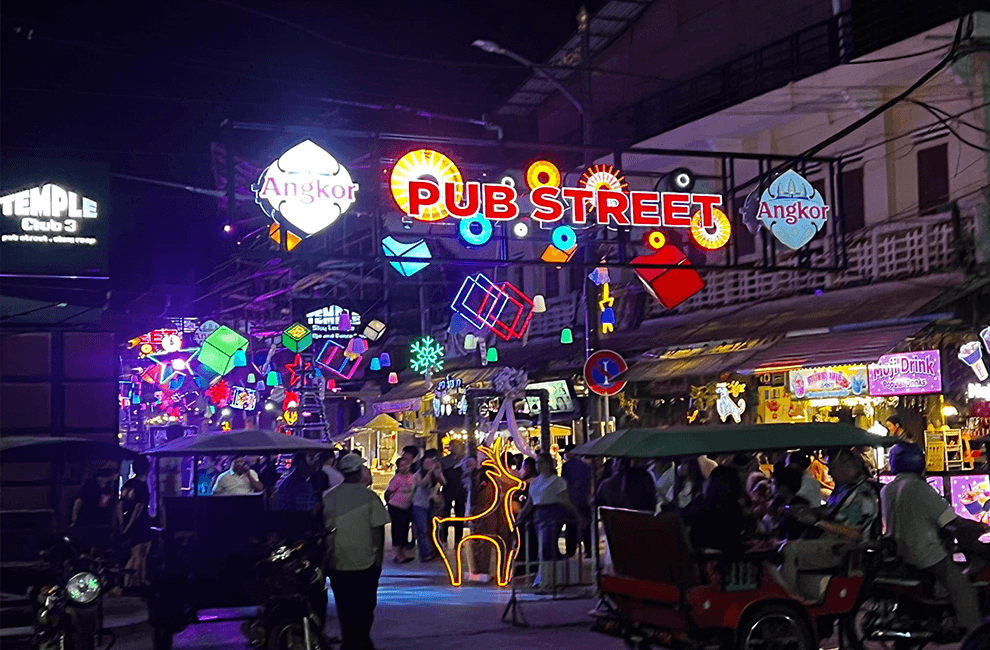
Pub Street: The Heart of Siem Reap’s Nightlife

No visit to Siem Reap is complete without a night out on Pub Street. This lively area is packed with bars, restaurants, and clubs, offering something for everyone. While it’s a popular spot for tourists, you’ll also find plenty of locals enjoying the vibrant atmosphere. Grab a drink, dance the night away, and soak in the energy of Siem Reap’s nightlife.

Local Bars and Live Music

For a more laid-back evening, head to one of the city’s local bars or live music venues. Many bars feature live performances of traditional Khmer music, providing a unique cultural experience. Enjoy a cold Angkor Beer or a refreshing coconut cocktail while listening to the soothing sounds of Cambodian music.
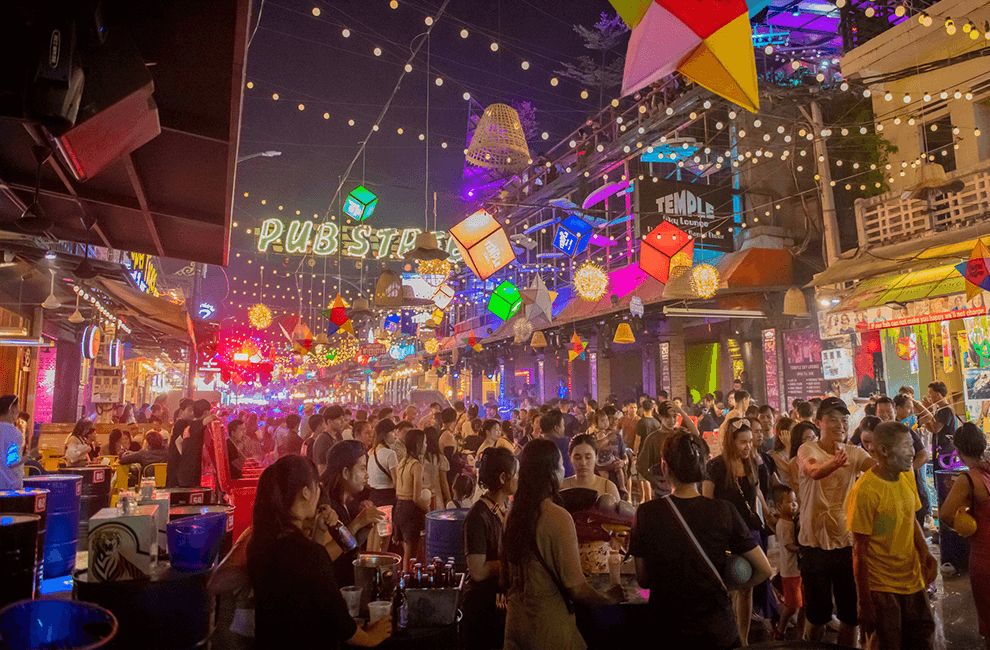
Pub Street in Siem Reap

Take a Cooking Class

Learn to Cook Traditional Khmer Dishes

One of the best ways to connect with a culture is through its food. Join a cooking class to learn how to prepare traditional Khmer dishes like Amok (a fragrant curry), Lok Lak (stir-fried beef), and Fish Cakes. Many cooking classes include a visit to a local market to shop for ingredients, giving you a deeper understanding of Cambodian cuisine.

Enjoy Your Homemade Meal

After the class, sit down to enjoy the fruits of your labor. There’s nothing quite like savoring a meal you’ve prepared yourself, especially when it’s made with fresh, local ingredients. Plus, you’ll leave with new culinary skills that you can take home and impress your friends and family with.
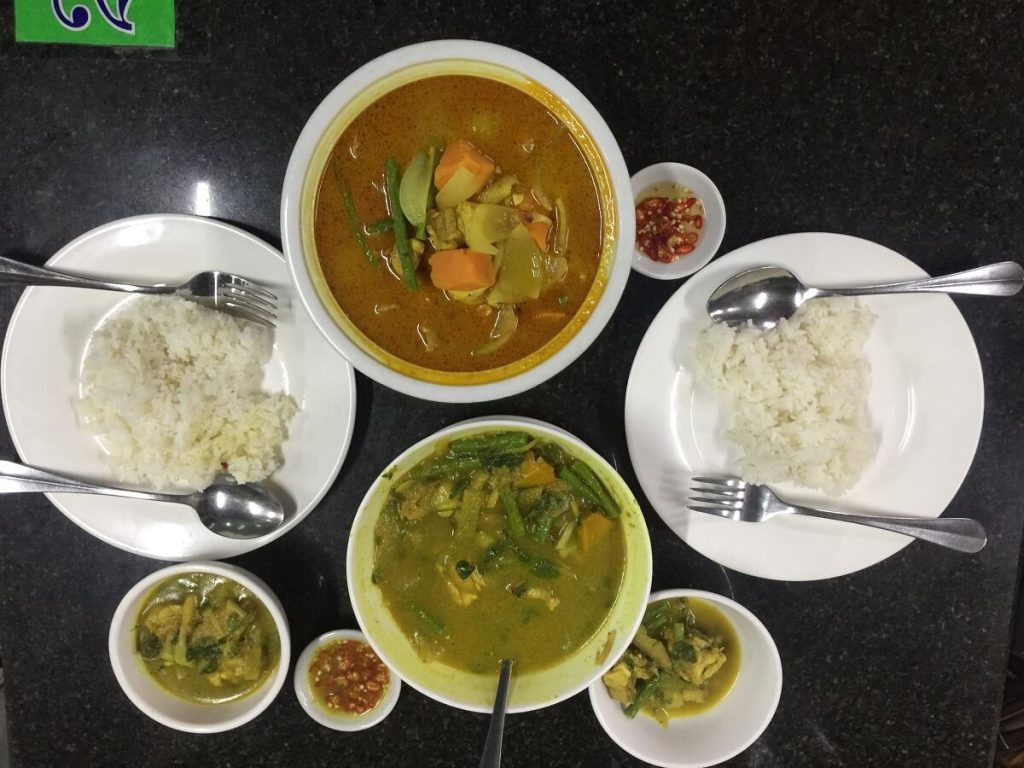
Khmer Cuisine, Khmer Foods

Relax with a Traditional Khmer Massage

Unwind After a Day of Exploration

After a day of exploring Siem Reap’s temples and markets, treat yourself to a traditional Khmer massage. This ancient healing practice combines acupressure, stretching, and deep tissue massage to relieve tension and promote relaxation. Many spas in Siem Reap offer affordable massage services, making it easy to indulge in this rejuvenating experience.

Visit a Local Spa

For an authentic experience, visit a local spa run by Cambodians. These spas often use traditional techniques and natural ingredients, providing a truly immersive experience. Some spas also offer herbal steam baths and other treatments, allowing you to fully unwind and recharge.

Support Local Artisans and Communities

Visit Artisans Angkor

Artisans Angkor is a social enterprise that supports local artisans by providing them with training and employment opportunities. Visit their workshops and showrooms to see traditional Cambodian crafts being made, from silk weaving to stone carving. You can also purchase high-quality handmade products, knowing that your money is supporting local communities.

Explore the Made in Cambodia Market

The Made in Cambodia Market is another great place to support local artisans. This market features a wide range of handmade products, including clothing, jewelry, and home decor. By shopping here, you’re not only taking home unique souvenirs but also contributing to the livelihoods of local craftsmen and women.
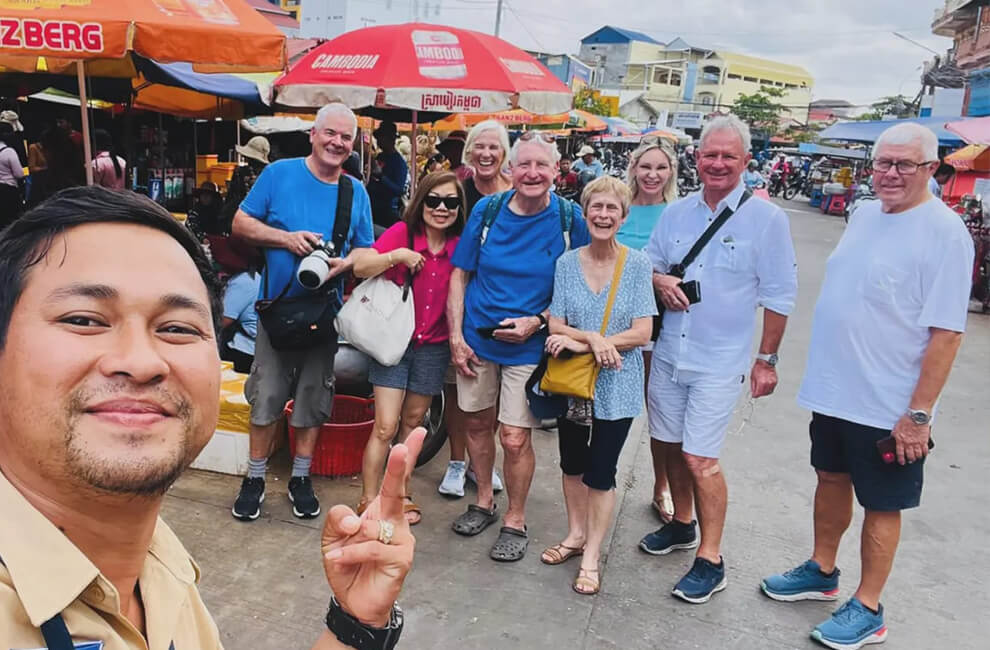
Kampot Walking Tour

Engage with the Local Community

Volunteer or Participate in Community Projects

If you’re looking for a more meaningful way to connect with the local community, consider volunteering or participating in community projects. Many organizations in Siem Reap offer opportunities to get involved, whether it’s teaching English, helping with conservation efforts, or supporting local schools. This is a great way to give back and make a positive impact during your visit.

Attend a Local Festival or Event

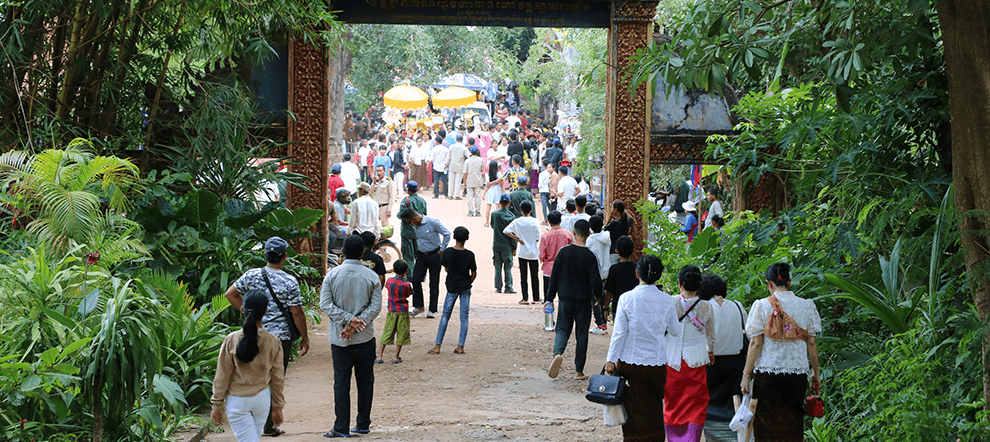
If your visit coincides with a local festival or event, be sure to attend. Cambodian festivals are vibrant, colorful, and full of energy, offering a unique insight into the country’s culture and traditions. Some popular festivals include the Khmer New Year, Water Festival, and Pchum Ben (Ancestors’ Day).
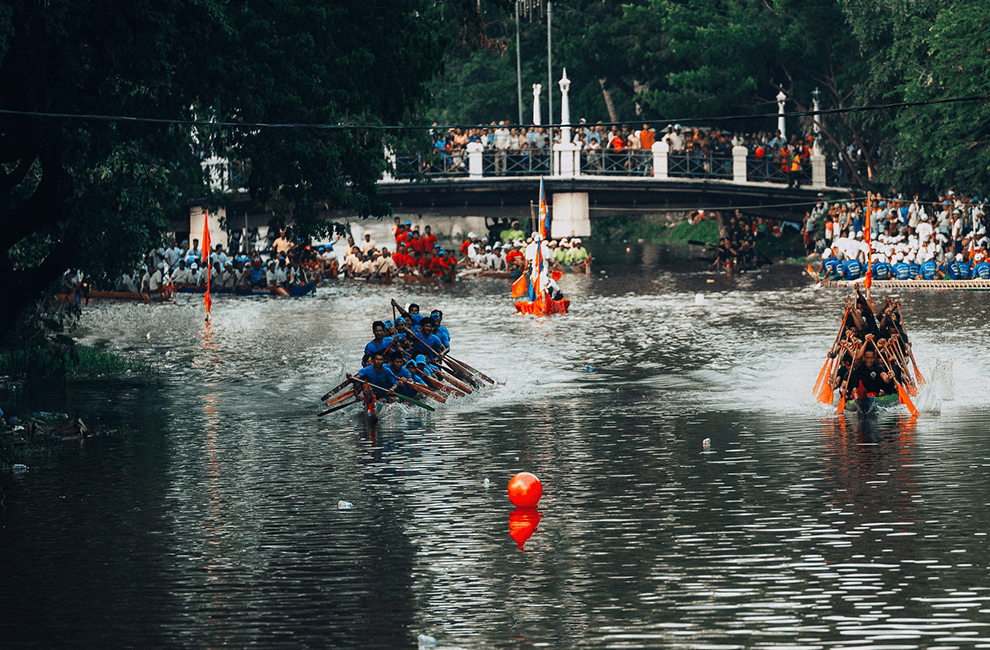
Water Festival in Cambodia

Final Thoughts

Exploring Siem Reap like a local is all about immersing yourself in the culture, connecting with the community, and discovering hidden gems that most tourists overlook. From savoring street food and cycling through the countryside to supporting local artisans and attending festivals, there are countless ways to experience the authentic side of this enchanting city. So, step off the beaten path, embrace the local way of life, and create memories that will last a lifetime. Siem Reap is waiting to be explored—like a local.

By following this guide, you’ll not only have an unforgettable experience but also gain a deeper appreciation for the rich culture and traditions of Siem Reap. Happy travels!
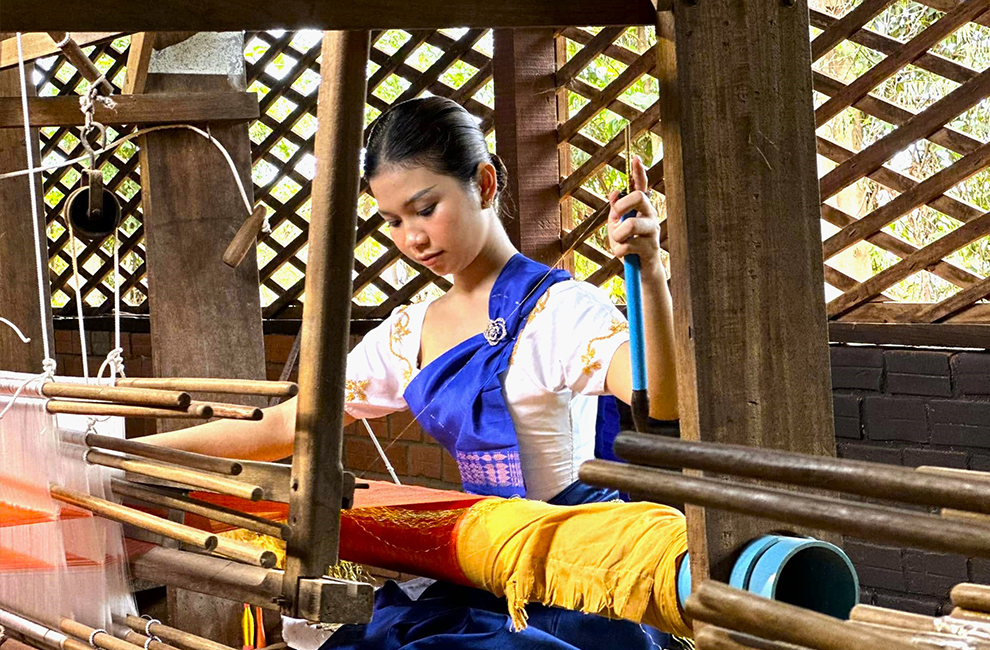
Local Tour Itineraries in Siem Reap: Discover the Heart of Cambodia

Siem Reap, the gateway to the ancient temples of Angkor, is a treasure trove of cultural, historical, and natural wonders. Whether you’re a history buff, a nature lover, or a budget traveler, Siem Reap offers a variety of local tour itineraries to suit every interest and schedule. From exploring the iconic Angkor Wat to discovering hidden gems like the Cambodia Elephant Sanctuary, this guide will help you plan the perfect trip. Below, we’ve curated a list of the best local tour itineraries in Siem Reap , including popular options like the Private Angkor Wat Full Day Tour and unique experiences like the Private Sunset Tour of Kampong Phluk Floating Village.

Why Choose Siem Reap for Your Next Adventure?

Siem Reap is more than just a base for visiting Angkor Wat. It’s a vibrant city that blends ancient history with modern charm. Here, you can wander through bustling markets, savor authentic Cambodian cuisine, and immerse yourself in the local culture. With a wide range of tours available, from the Siem Reap City Tour to the Cambodia Highlights: Siem Reap, Battambang, Phnom Penh itinerary, there’s something for everyone.

Top Local Tour Itineraries in Siem Reap

1. Siem Reap City Tour

Kick off your journey with a Siem Reap City Tour, which offers a perfect introduction to the city’s rich culture and history. Visit the Old Market (Phsar Chas), explore the Angkor National Museum, and admire the intricate carvings at Wat Preah Prom Rath. This tour is ideal for first-time visitors who want to get a feel for the city before diving into the temple complexes.

Artisans Angkor Workshop

2. Cambodia Elephant Sanctuary

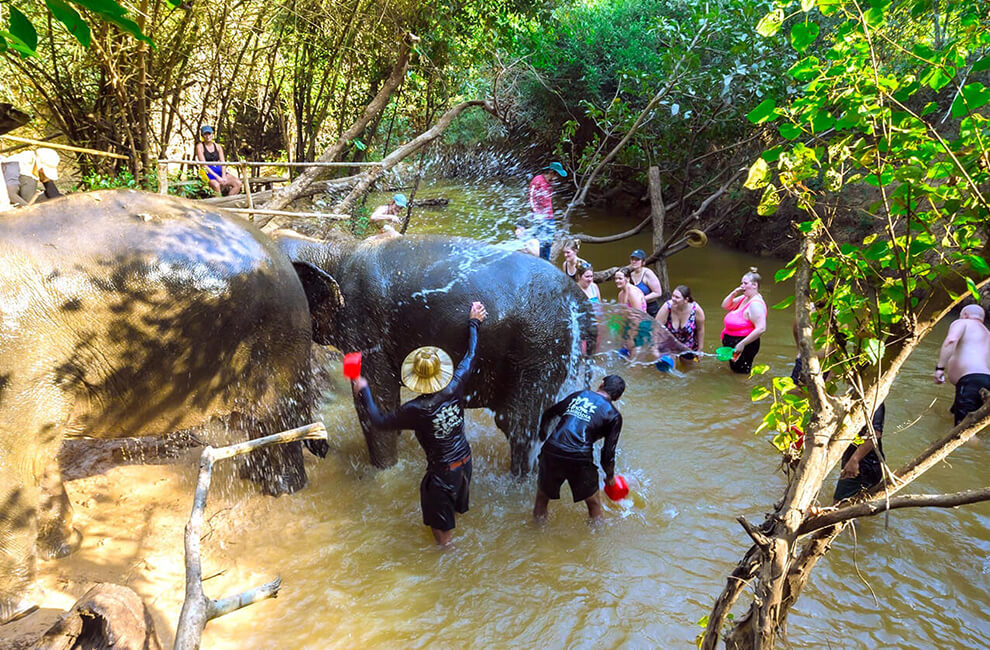
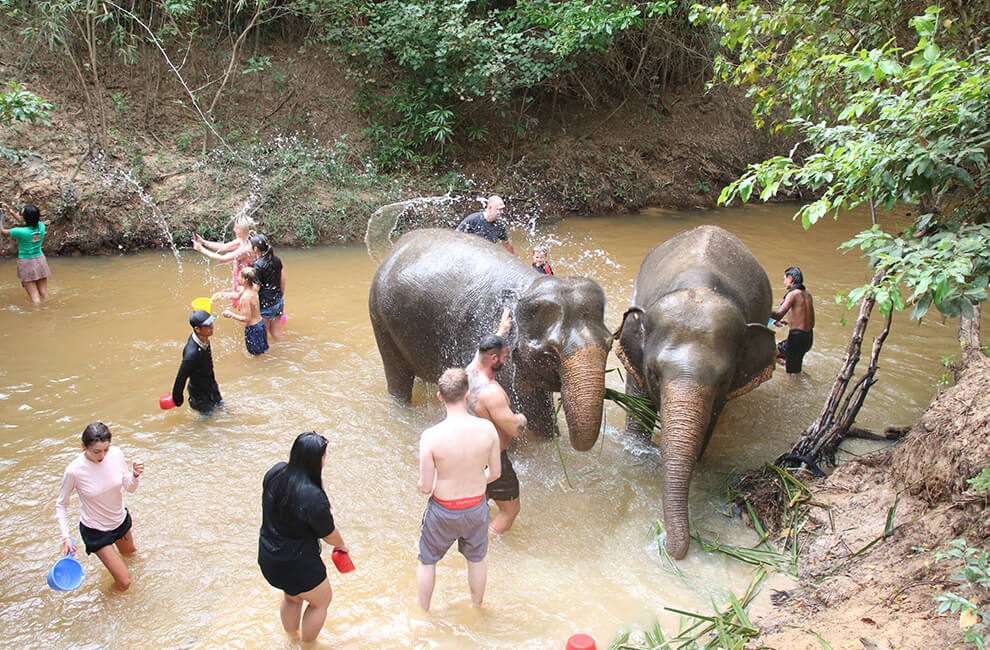
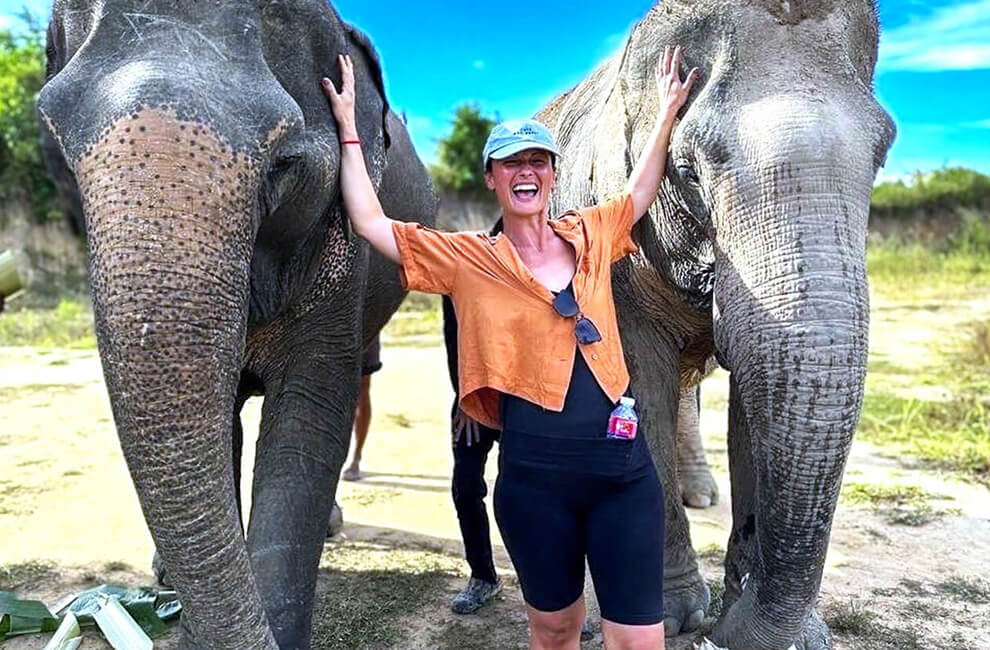
For animal lovers, the Cambodia Elephant Sanctuary is a must-visit. Located just outside Siem Reap, this ethical sanctuary allows you to observe and interact with rescued elephants in their natural habitat. Learn about conservation efforts and enjoy a peaceful day surrounded by nature.

3. Private Angkor Wat Full Day Tour

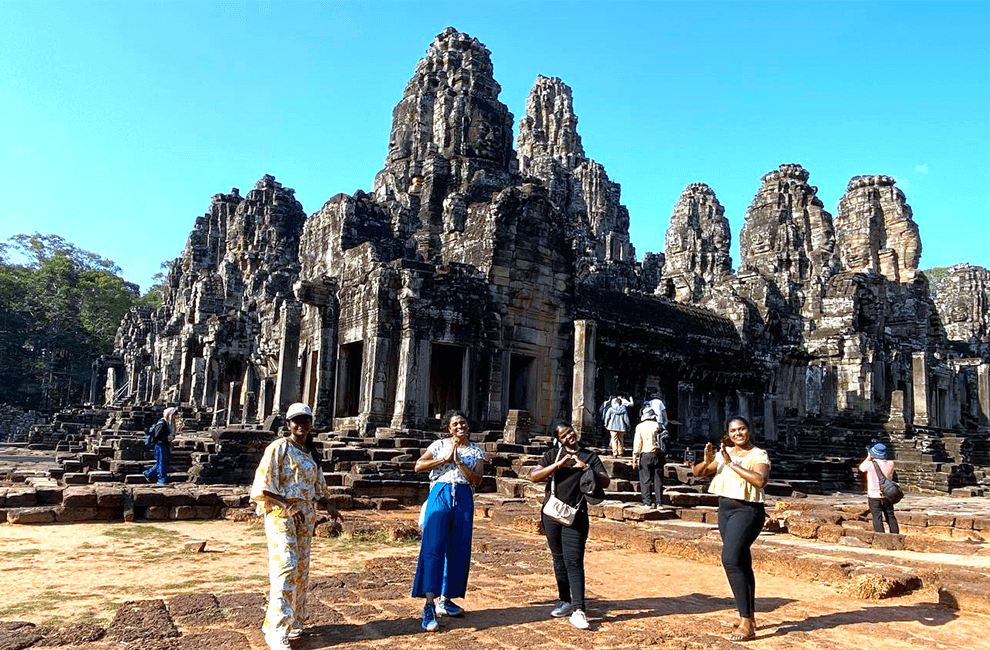
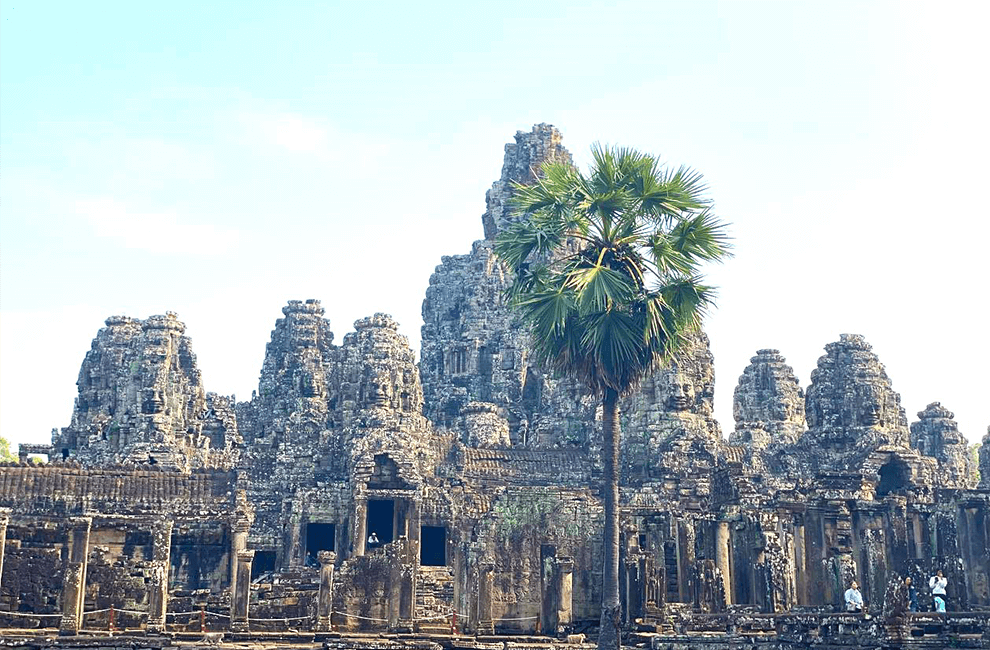
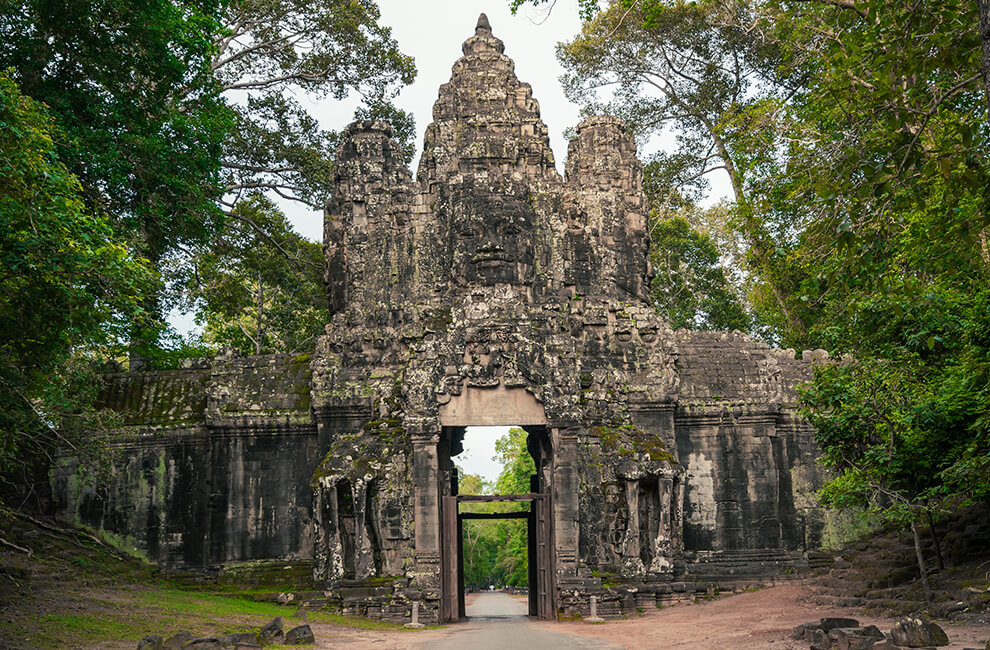
No trip to Siem Reap is complete without exploring the majestic Angkor Wat. The Private Angkor Wat Full Day Tour takes you through the iconic temple complex, including Bayon, Ta Prohm, and Angkor Thom. With a knowledgeable guide, you’ll uncover the fascinating history and architectural brilliance of these ancient structures.

4. Angkor Wat and Floating Village Day Tour

Combine history and nature with the Angkor Wat and Floating Village Day Tour. Start your day exploring the temples, then head to Tonle Sap Lake to visit a floating village. Witness the unique way of life of the local communities and enjoy a boat ride through the serene waterways.

Best Local Travel Spots in Siem Reap

5. Private Sunset Tour of Kampong Phluk Floating Village

For a magical experience, opt for the Private Sunset Tour of Kampong Phluk Floating Village. As the sun sets over Tonle Sap Lake, the stilted houses and mangrove forests create a breathtaking scene. This tour is perfect for photography enthusiasts and those seeking a tranquil escape.

6. Visit Cambodia Best Cities: Phnom Penh & Siem Reap

If you have more time, consider the Visit Cambodia Best Cities: Phnom Penh & Siem Reap itinerary. This multi-day tour allows you to explore the capital city of Phnom Penh, with its royal palaces and poignant history, before heading to Siem Reap for the temples and local culture.

Richard Tour Guide

7. Explore Angkor Wat in a Day

Short on time? The Explore Angkor Wat in a Day tour is designed for travelers who want to see the highlights of Angkor Wat in just one day. This fast-paced itinerary covers the main temples and provides a comprehensive overview of the site’s history and significance.

8. Cambodia Highlights: Siem Reap, Battambang, Phnom Penh

For a deeper dive into Cambodia’s culture and history, the Cambodia Highlights: Siem Reap, Battambang, Phnom Penh tour is an excellent choice. This itinerary includes visits to the charming city of Battambang, known for its colonial architecture and bamboo train, as well as the bustling capital of Phnom Penh.

9. Angkor Wat Tour Guidelines

Before embarking on your temple adventure, it’s essential to familiarize yourself with the Angkor Wat Tour Guidelines. These tips will help you make the most of your visit, from the best times to explore the temples to what to wear and bring.

Travel Like a Local

10. Popular Angkor Day Tour

The Popular Angkor Day Tour is a classic option for first-time visitors. This guided tour covers the must-see temples, including Angkor Wat, Bayon, and Ta Prohm, and provides insights into the history and symbolism of these ancient structures.

11. Siem Reap Budget Tour

Traveling on a budget? The Siem Reap Budget Tour offers an affordable way to explore the city and its surroundings. This itinerary includes visits to local markets, lesser-known temples, and cultural sites, ensuring a rich experience without breaking the bank.

12. Siem Reap Short Break Tour

If you’re short on time, the Siem Reap Short Break Tour is the perfect solution. This 2-3 day itinerary covers the city’s highlights, including Angkor Wat and a floating village, making it ideal for a weekend getaway.

Siem Reap Floating Village

13. Angkor Wat Sunrise Private Tour

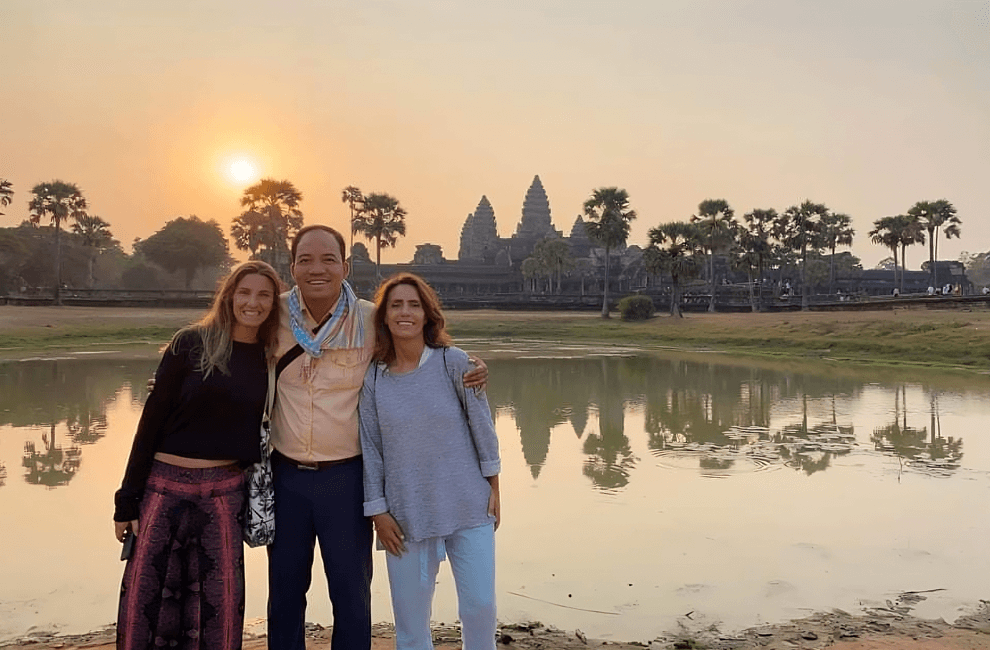
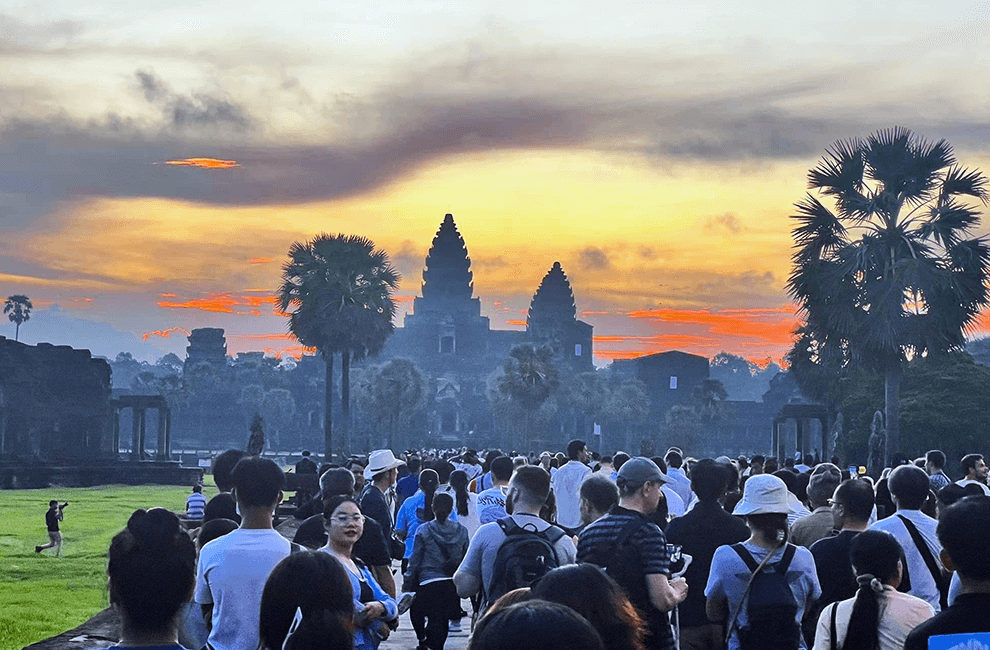
For an unforgettable experience, book the Angkor Wat Sunrise Private Tour. Watch as the sun rises over the iconic temple, casting a golden glow on its ancient stones. This early morning tour is less crowded and offers a serene atmosphere for reflection and photography.

14. Kulen Mountain Waterfalls

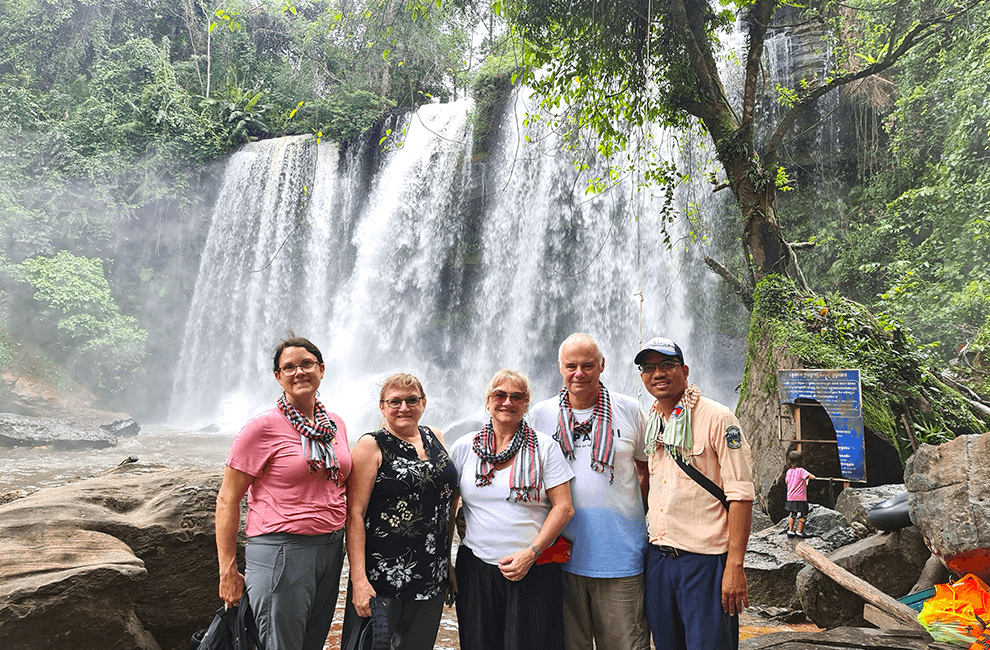
Escape the heat and crowds with a trip to the Kulen Mountain Waterfalls. This natural wonder is located in the Phnom Kulen National Park and is a popular spot for swimming and picnicking. The park is also home to sacred sites, including the Reclining Buddha and ancient carvings.

Richard at Kulen Waterfall

15. Vacation in Siem Reap 5 Days

For a more relaxed pace, consider the Vacation in Siem Reap 5 Days itinerary. This extended tour allows you to explore the temples, floating villages, and local markets at a leisurely pace, with plenty of time for relaxation and cultural immersion.

16. Easy Angkor Tour: Best 3 Days

The Easy Angkor Tour: Best 3 Days is perfect for those who want a balanced mix of sightseeing and downtime. Over three days, you’ll visit the main temples, explore the countryside, and enjoy a sunset cruise on Tonle Sap Lake.

17. Siem Reap Highlight 4 Days

For a comprehensive experience, the Siem Reap Highlight 4 Days tour is an excellent choice. This itinerary includes visits to Angkor Wat, the floating villages, and the Kulen Mountain Waterfalls, as well as opportunities to explore the city’s vibrant food and art scenes.

Day Trips in Siem Reap

Tips for Planning Your Siem Reap Tour

  1. Choose the Right Tour: Consider your interests, budget, and time constraints when selecting a tour.
  2. Hire a Local Guide: A knowledgeable guide can enhance your experience by providing historical and cultural insights.
  3. Dress Appropriately: When visiting temples, wear modest clothing that covers your shoulders and knees.
  4. Stay Hydrated: Siem Reap’s tropical climate can be intense, so carry water with you.
  5. Respect Local Customs: Be mindful of local traditions and practices, especially when visiting sacred sites.

Conclusion

Siem Reap is a destination that offers something for everyone, from the awe-inspiring temples of Angkor Wat to the tranquil beauty of its floating villages. Whether you’re embarking on a Private Angkor Wat Full Day Tour or exploring the Cambodia Elephant Sanctuary, these local tour itineraries will help you make the most of your visit. With careful planning and an open mind, your trip to Siem Reap is sure to be an unforgettable adventure.

Local Festivals and Events in Cambodia: A Comprehensive Guide

Cambodia, a country rich in culture, history, and tradition, is home to a plethora of local festivals and events that showcase its vibrant heritage. These celebrations are not only a window into the soul of the Khmer people but also a significant draw for tourists from around the world. In this article, we will delve into the most prominent local festivals and events in Cambodia, offering a detailed guide and tips to help you make the most of your experience.

Khmer New Year (Choul Chnam Thmey) one of Local Festivals and Events in Cambodia

Khmer New Year, or Choul Chnam Thmey, is one of the most important festivals in Cambodia. Celebrated in mid-April, it marks the end of the harvesting season and the beginning of a new year. The festival lasts for three days and is filled with various traditional activities and rituals.

Key Activities

  • Cleaning and Decorating Homes: Cambodians clean their homes and decorate them with flowers and lights to welcome the New Year.
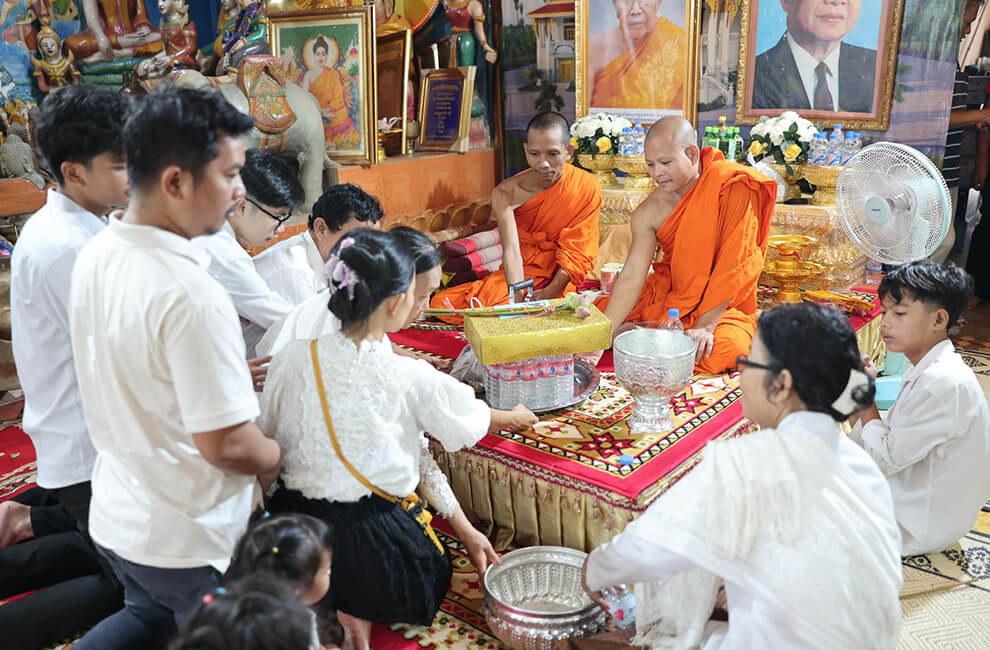
  • Offering to Monks: People visit pagodas to offer food and alms to monks, seeking blessings for the new year.
  • Traditional Games: Various traditional games such as “Chol Chhoung” (a throwing game) and “Bos Angkunh” (a seed-throwing game) are played.
  • Water and Powder Throwing: A fun activity where people throw water and powder at each other, symbolizing the washing away of bad luck.

Tips for Visitors

  • Plan Ahead: Book accommodations and transportation well in advance as this is a peak travel period.
  • Respect Local Customs: Participate in the rituals respectfully and follow local guidelines for visiting Cambodia.
  • Stay Hydrated: The festival takes place during the hot season, so keep yourself hydrated.
Khmer New Year

Pchum Ben Festival (Ancestors’ Day)

Pchum Ben, also known as Ancestors’ Day, is a 15-day festival that culminates in a public holiday. It usually occurs in September or October and is dedicated to honoring deceased ancestors. Cambodians believe that during this time, the gates of hell are opened, and spirits roam the earth.

Key Activities

  • Offering Food: People prepare food offerings and bring them to pagodas to feed the spirits of their ancestors.
  • Monk Chanting: Monks chant prayers to guide the spirits and provide them with merit.
  • Candlelight Processions: In the evening, candlelight processions are held at pagodas.

Tips for Visitors

  • Dress Modestly: Wear appropriate clothing when visiting pagodas.
  • Participate Respectfully: If you wish to participate in the offerings, do so respectfully and follow the lead of locals.
  • Be Mindful of Photography: Always ask for permission before taking photos, especially during religious ceremonies.
Pchum Ben Festival

Water Festival (Bon Om Touk)

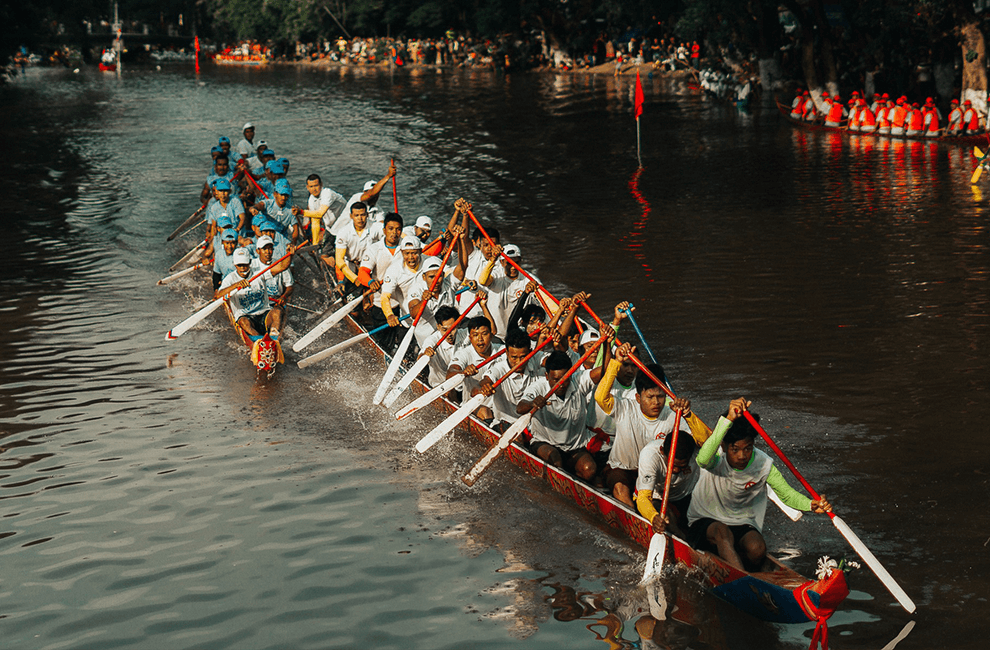
The Water Festival, or Bon Om Touk, is one of the most spectacular events in Cambodia. Held in November, it celebrates the reversal of the flow of the Tonle Sap River and marks the end of the rainy season. The festival is famous for its boat races, colorful parades, and fireworks.

Key Activities

  • Boat Races: Teams from different regions compete in longboat races on the Tonle Sap and Mekong Rivers.
  • Illuminated Boats: At night, beautifully decorated boats float along the rivers, creating a mesmerizing sight.
  • Fireworks: The festival concludes with a grand fireworks display.

Tips for Visitors

  • Arrive Early: The festival attracts large crowds, so arrive early to secure a good viewing spot.
  • Stay Safe: Be cautious near the water and in crowded areas.
  • Enjoy Local Food: Sample local delicacies from the numerous food stalls set up during the festival.
Cambodia Water Festival

Royal Ploughing Ceremony (Pithi Chrat Preah Neangkol)

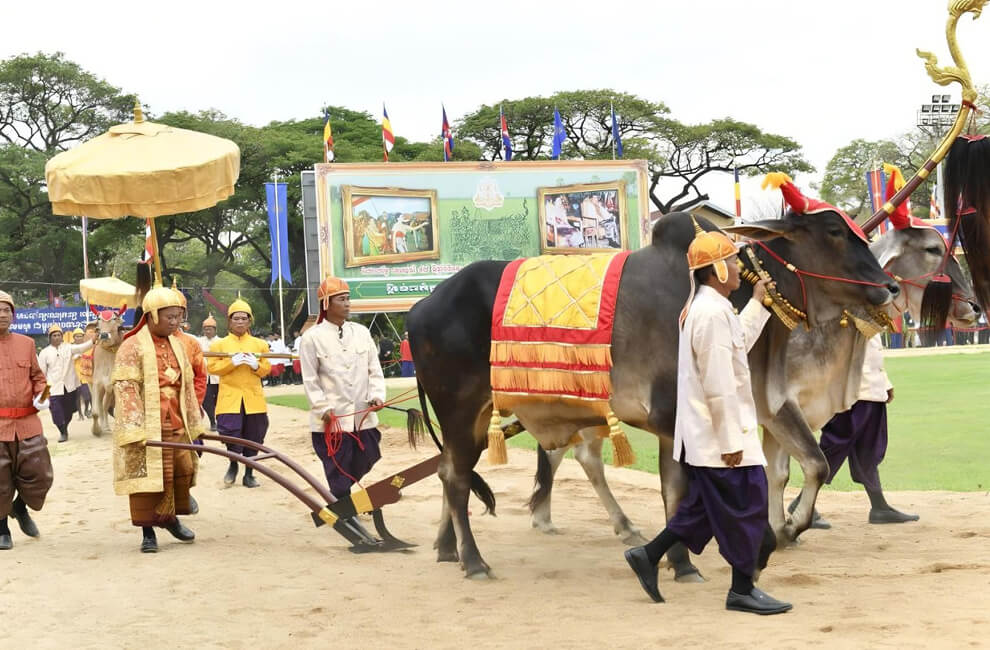
The Royal Ploughing Ceremony, or Pithi Chrat Preah Neangkol, is an ancient agricultural festival that marks the beginning of the rice-growing season. Held in May, it is presided over by the King or a royal representative and involves symbolic ploughing and sowing of seeds.

Key Activities

  • Ploughing Ceremony: Oxen are used to plough a sacred field, and seeds are sown.
  • Prediction of Harvest: The oxen are offered different types of food, and their choices are believed to predict the coming harvest.
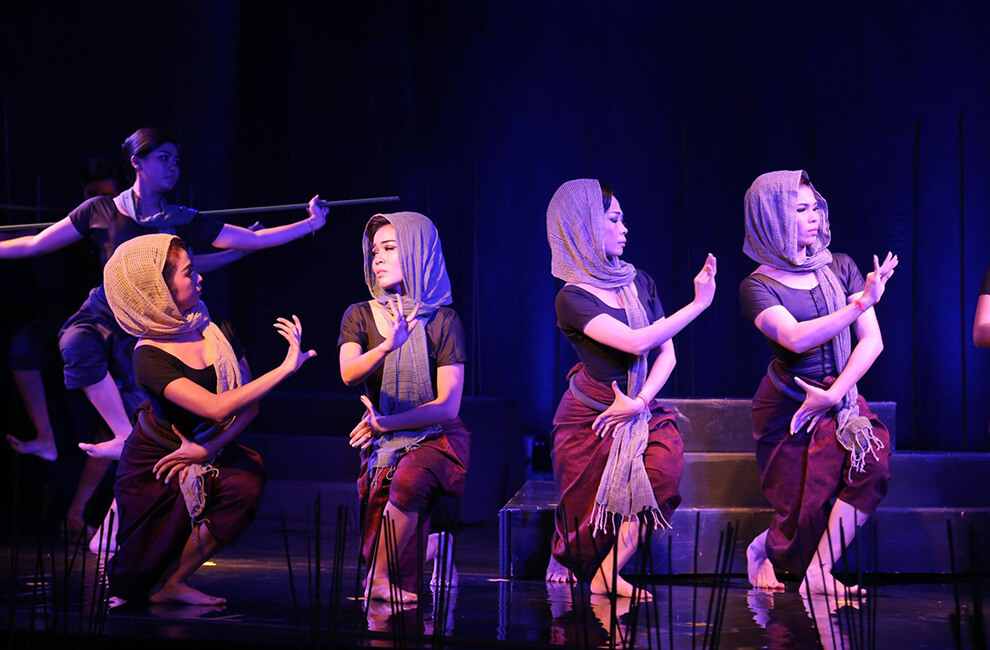
  • Traditional Music and Dance: The ceremony is accompanied by traditional music and dance performances.

Tips for Visitors

  • Learn About the Rituals: Familiarize yourself with the significance of the ceremony to fully appreciate it.
  • Respect the Royal Family: Show respect during the ceremony, especially when the King or royal representatives are present.
  • Capture the Moment: Bring a camera to capture the unique and colorful aspects of the ceremony.
Royal Ploughing Ceremony

Angkor Wat International Half Marathon

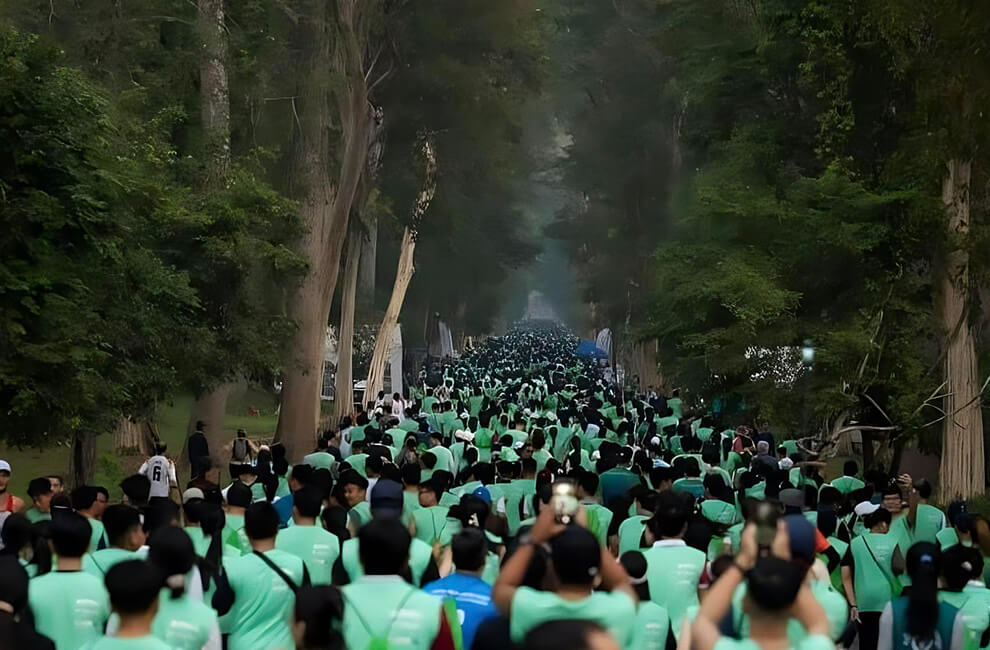
The Angkor Wat International Half Marathon is a unique sporting event that combines athleticism with cultural exploration. Held in December, the marathon takes place within the stunning Angkor Wat temple complex, offering participants a chance to run amidst ancient ruins.

Key Activities

  • Marathon Races: The event features a half marathon, 10km run, and 3km fun run.
  • Cultural Performances: Traditional dance and music performances are held throughout the event.
  • Charity: The marathon raises funds for various charitable causes, including landmine clearance and support for disabled athletes.

Tips for Visitors

  • Register Early: Sign up well in advance as the event is popular and slots fill up quickly.
  • Train Adequately: Prepare for the run, especially if you are participating in the half marathon.
  • Explore Angkor Wat: Take the opportunity to explore the Angkor Wat temple complex before or after the race.
Angkor Wat International Half Marathon

Cambodia International Film Festival (CIFF)

The Cambodia International Film Festival (CIFF) is an annual event that showcases local and international films. Held in Phnom Penh, the festival aims to promote Cambodian cinema and provide a platform for filmmakers to share their work. The 14th Cambodia International Film Festival is on 21-29 March 2025.

Key Activities

  • Film Screenings: A diverse selection of films, including feature films, documentaries, and short films, are screened.
  • Workshops and Panels: Filmmakers and industry professionals conduct workshops and panel discussions.
  • Awards Ceremony: The festival concludes with an awards ceremony honoring the best films and filmmakers.

Tips for Visitors

  • Check the Schedule: Review the festival schedule in advance and plan which screenings and events you want to attend.
  • Engage with Filmmakers: Take the opportunity to interact with filmmakers and learn about their work.
  • Explore Phnom Penh: Use the festival as an excuse to explore the vibrant city of Phnom Penh.
Cambodia International Film Festival

Bon Phka Sla Krom Angkar (Angkor Flower Festival)

The Angkor Flower Festival, or Bonn Phka Sla Krom Angkar, is a relatively new but rapidly growing event held in Siem Reap. Taking place in December, the festival showcases stunning floral displays, garden exhibitions, and cultural performances.

Key Activities

  • Floral Displays: Elaborate flower arrangements and garden designs are displayed throughout the festival grounds.
  • Cultural Performances: Traditional dance and music performances add to the festive atmosphere.
  • Workshops: Gardening and floral arrangement workshops are offered to visitors.

Tips for Visitors

  • Visit Early: The festival grounds can get crowded, so visit early to enjoy the displays in a more relaxed setting.
  • Bring a Camera: The colorful floral arrangements make for excellent photo opportunities.
  • Stay in Siem Reap: Consider staying in Siem Reap to fully experience the festival and explore the nearby Angkor Wat temple complex.
Bonn Phka Sla Krom Angkar

Conclusion

Cambodia’s local festivals and events offer a unique glimpse into the country’s rich cultural heritage and traditions. Whether you’re participating in the lively Khmer New Year celebrations, witnessing the grandeur of the Water Festival, or exploring the artistic side of Cambodia at the International Film Festival, each event provides a memorable experience.

By following the tips and guidelines provided in this article, you can ensure that your participation in these festivals is both enjoyable and respectful of local customs. So pack your bags, immerse yourself in the vibrant culture of Cambodia, and create unforgettable memories at these incredible local festivals and events.

Local Travel Experiences in Siem Reap: A Comprehensive Travel Guide

Siem Reap, a charming city in northwestern Cambodia, is renowned for its proximity to the awe-inspiring Angkor Wat temple complex. However, there’s so much more to this vibrant destination than its ancient ruins. Siem Reap offers a wealth of local travel experiences that allow visitors to immerse themselves in Cambodian culture, Cambodian cuisine, and natural beauty. Whether you’re a history buff, a foodie, or an adventure seeker, this guide will help you uncover the best local experiences in Siem Reap.

Why Siem Reap is a Must-Visit Destination

Siem Reap is a city that seamlessly blends the old and the new. While it serves as the gateway to the UNESCO World Heritage Site of Angkor Wat, it also boasts a lively urban scene with bustling markets, trendy cafes, and a thriving arts community. The city’s warm hospitality, affordable prices, and diverse attractions make it a favorite among travelers seeking authentic local experiences.

Top Local Travel Experiences in Siem Reap

1. Explore the Angkor Archaeological Park

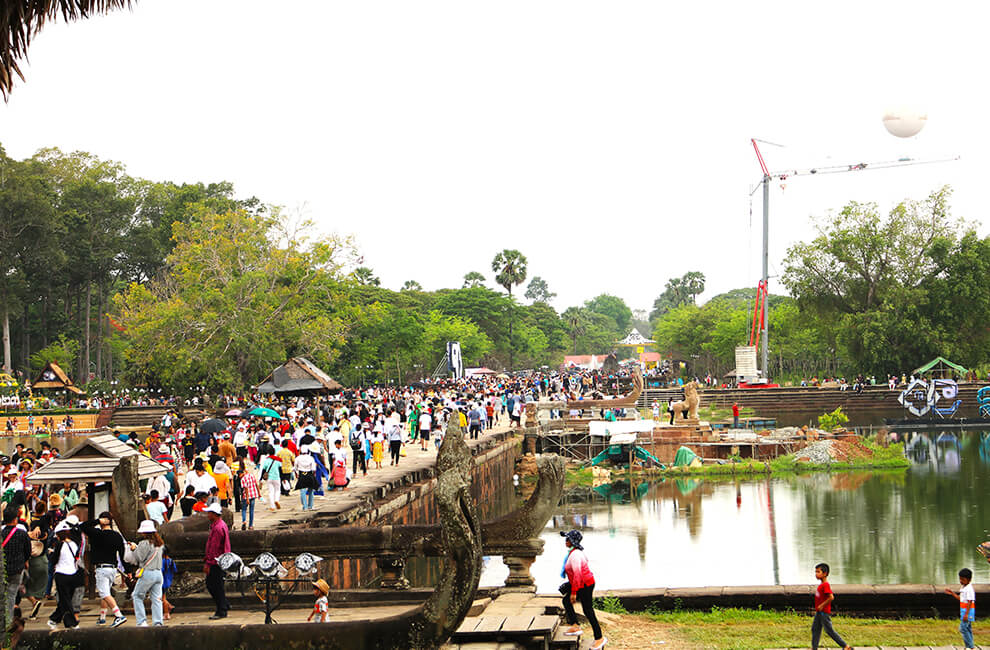
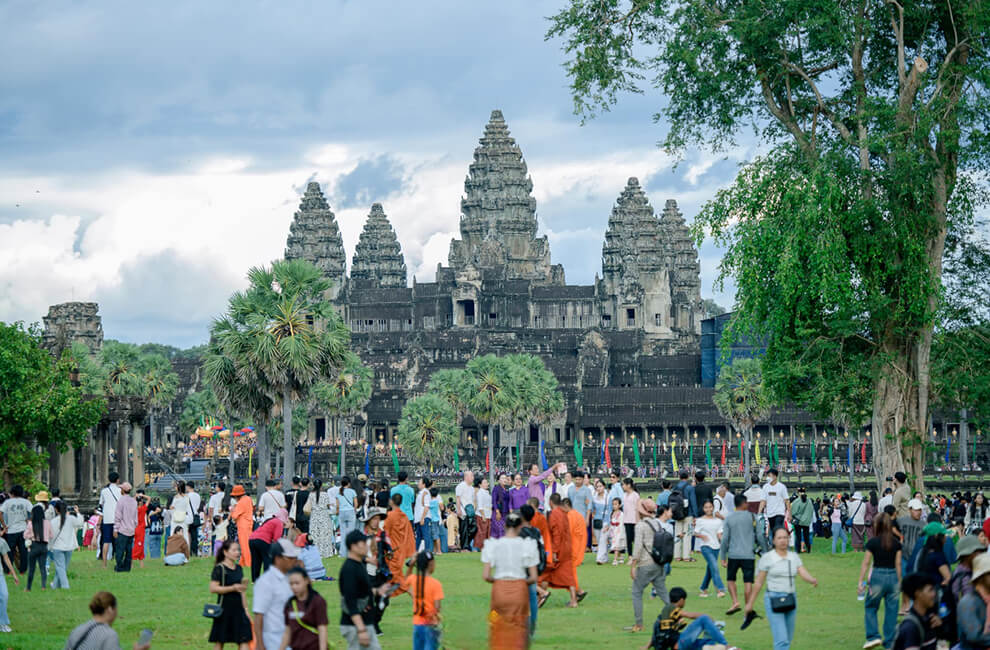
No trip to Siem Reap is complete without visiting the Angkor Archaeological Park, home to the iconic Angkor Wat. While the main temple is a must-see, don’t miss other stunning sites like Bayon Temple, Ta Prohm (the “Tomb Raider” temple), and Banteay Srei. For a unique experience, hire a local guide who can share fascinating stories and historical insights about these ancient wonders.

Pro Tip: Visit Angkor Wat at sunrise for a magical and less crowded experience.

Local Travel Experiences in Siem Reap, Cambodia

2. Discover Local Villages

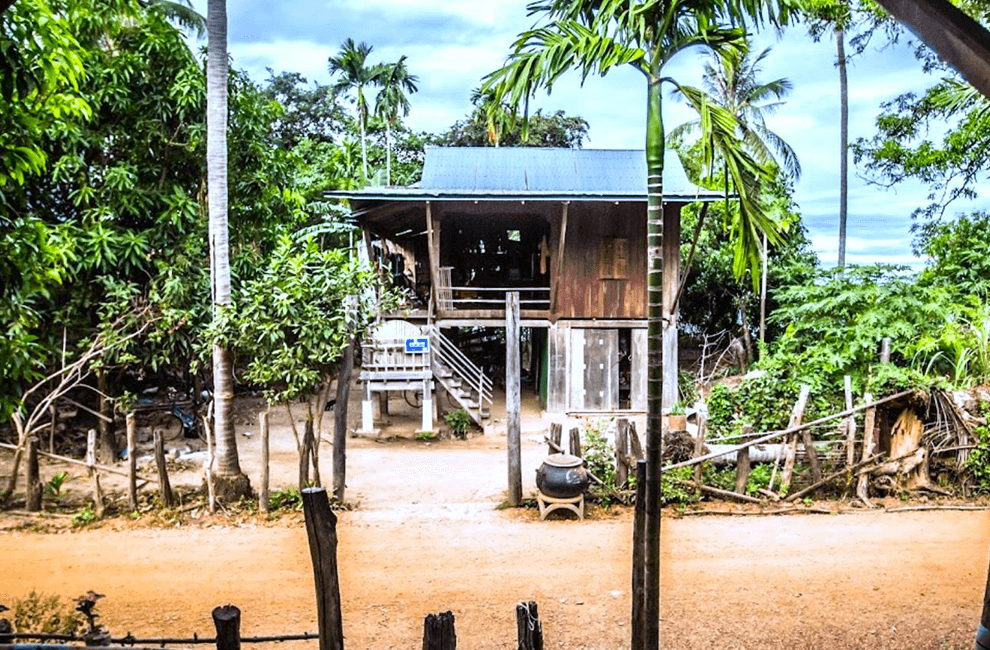
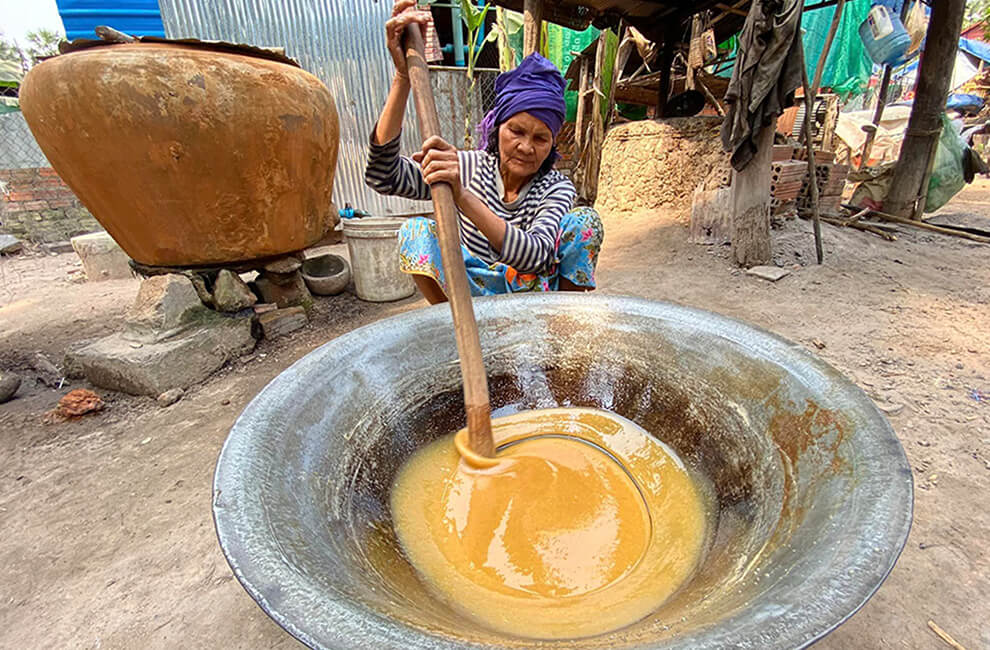
To truly connect with Cambodian culture, venture beyond the city and visit local villages. Communities like Kompheim and Preah Dak offer immersive experiences where you can learn about traditional crafts, farming techniques, and daily life. Participate in activities like rice planting, palm sugar production, or weaving to gain a deeper appreciation for the local way of life.

Recommended Tour: Join a community-based tourism initiative that supports local families and promotes sustainable travel.

3. Savor Cambodian Cuisine

Cambodian food is a delightful blend of flavors, and Siem Reap is the perfect place to indulge in local dishes. Don’t miss trying Amok (a creamy coconut curry), Lok Lak (stir-fried beef), and Nom Banh Chok (Khmer noodles). For an authentic experience, take a cooking class where you can visit a local market, learn about traditional ingredients, and prepare your own Cambodian feast.

Top Food Spots:

  • Road 60 Local Market: The most popular local street foods stop in Siem Reap, more than foods are may clothes stalls.
  • Pub Street: The heart of Siem Reap’s dining scene, offering everything from street food to upscale restaurants.
  • Siem Reap Night Market: A great place to sample local snacks and desserts.
  • Hidden Gems: Seek out small family-run eateries for a truly local experience.
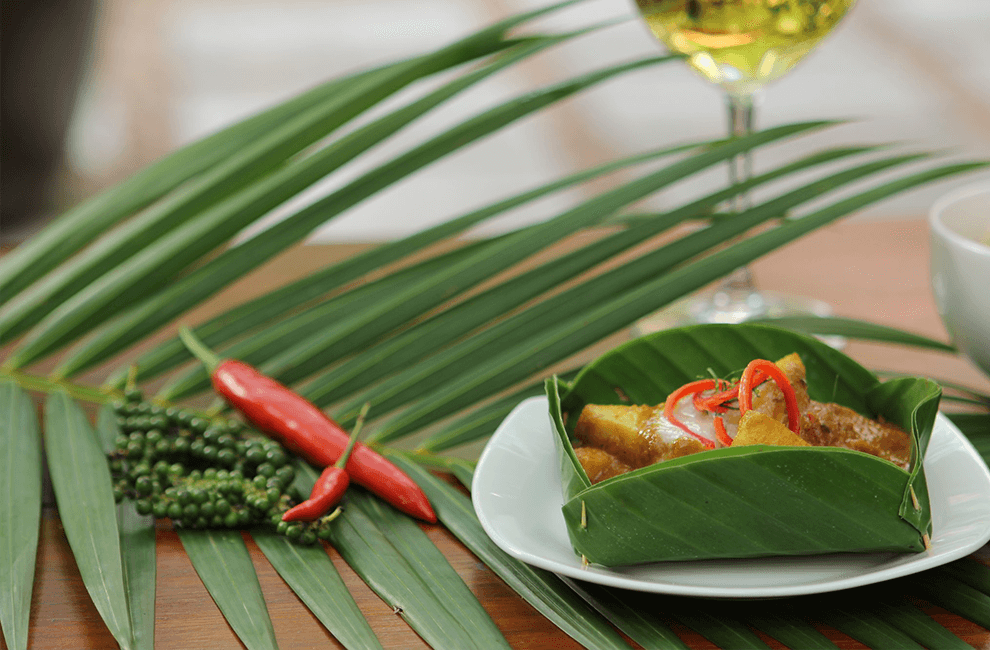
Fish Amok

4. Cruise Along the Tonle Sap Lake

Tonle Sap, Southeast Asia’s largest freshwater lake, is a short drive from Siem Reap and offers a glimpse into the lives of floating village communities. Take a boat tour to explore villages like Kampong Phluk or Chong Kneas, where you’ll see stilted houses, floating schools, and vibrant markets. The lake is also a haven for birdwatchers, especially during the dry season.

Eco-Friendly Tip: Choose tour operators that prioritize sustainable practices and support local communities.

5. Experience Cambodian Arts and Culture

Siem Reap is a hub for traditional and contemporary Cambodian arts. Attend a performance of Phare, The Cambodian Circus, which combines theater, music, and acrobatics to tell compelling stories. Visit the Artisans Angkor workshops to see skilled artisans creating beautiful silk textiles, stone carvings, and woodwork.

Cultural Insight: The revival of Cambodian arts is a testament to the resilience of its people after the Khmer Rouge era.

6. Cycle Through the Countryside

For a more active adventure, rent a bike and explore Siem Reap’s picturesque countryside. Cycle past rice paddies, lotus ponds, and small villages, stopping to interact with friendly locals along the way. Many tour operators offer guided cycling tours that include visits to lesser-known temples and hidden gems.

Safety Tip: Wear a helmet and carry plenty of water, especially during the hot season.

Mekong Island Bike Tour

7. Relax at a Local Spa

After a day of exploring, treat yourself to a traditional Khmer massage or spa treatment. Siem Reap is home to numerous affordable spas that offer a range of services, from herbal steam baths to reflexology. Many spas also employ locals who have been trained in traditional healing techniques.

Top Picks:

  • Bodia Spa: Known for its luxurious treatments and natural products.
  • Footprints Spa: A social enterprise that supports marginalized women.

8. Shop at Local Markets

Siem Reap’s markets are a treasure trove of handicrafts, souvenirs, and local products. The Old Market (Phsar Chas) is a great place to shop for silk scarves, silver jewelry, and handmade crafts. For a more modern shopping experience, visit the Made in Cambodia Market, which showcases products made by local artisans and social enterprises.

Bargaining Tip: Bargaining is common in Cambodian markets, but always do so respectfully.

9. Visit the Cambodian Landmine Museum

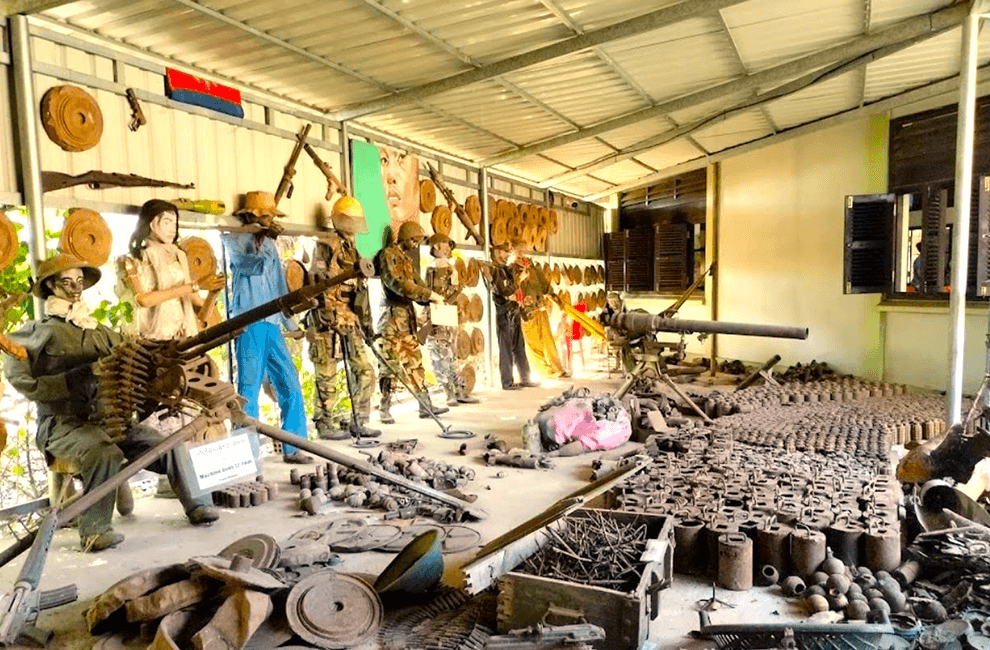
Learn about Cambodia’s recent history and the ongoing efforts to clear landmines at the Cambodian Landmine Museum. Founded by Aki Ra, a former child soldier, the museum provides a sobering but important look at the impact of landmines on the country and its people.

How to Help: Consider donating to organizations that support landmine clearance and victim assistance.

Cambodia Landmine Museum

10. Enjoy Siem Reap’s Nightlife

Siem Reap’s nightlife scene is lively and diverse, offering something for everyone. Pub Street is the epicenter of the action, with bars, clubs, and live music venues. For a more relaxed evening, head to a rooftop bar or enjoy a sunset cocktail by the riverside.

Local Favorite: Try a glass of palm wine, a traditional Cambodian drink.

Practical Travel Tips for Siem Reap

Best Time to Visit

The best time to visit Siem Reap is during the dry season (November to March), when the weather is cool and pleasant. However, this is also the peak tourist season, so expect larger crowds and higher prices. The wet season (May to October) offers fewer tourists and lush landscapes, but be prepared for occasional rain.

Getting Around

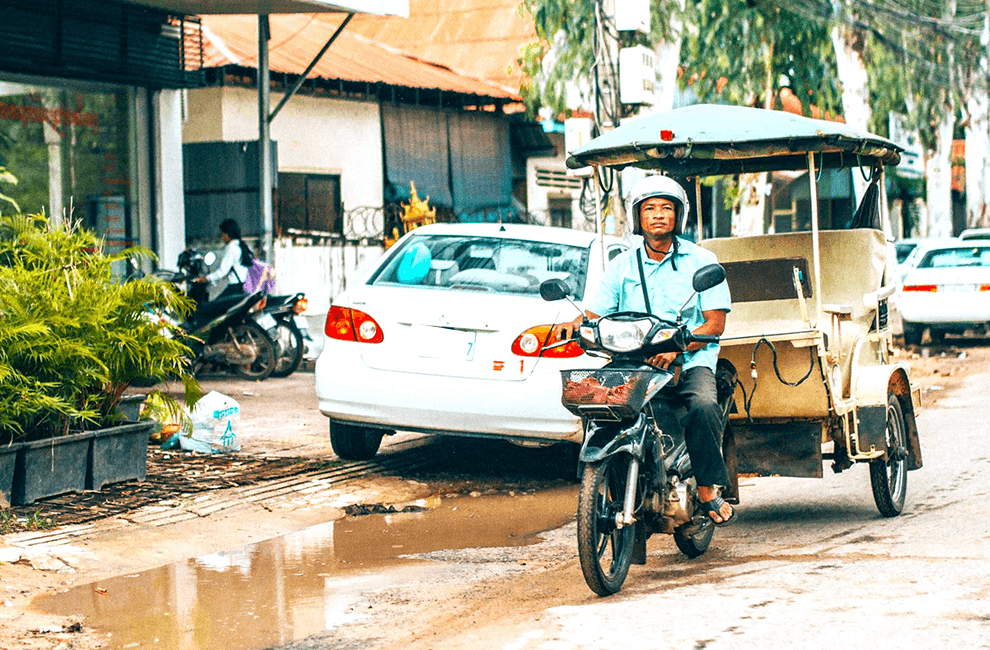
  • Tuk-tuks: The most popular and affordable way to get around Siem Reap.
  • Bicycles: A great option for exploring the city and countryside at your own pace.
  • Private Cars: Ideal for day trips to Angkor Wat or Tonle Sap.

Currency

The official currency is the Cambodian Riel (KHR), but US dollars are widely accepted. Make sure to carry small bills for convenience, especially when you travel to local village and communities.

Language

Khmer is the official language, but English is widely spoken in tourist areas. Learning a few basic Khmer phrases can go a long way in connecting with locals.

Respect Local Customs

  • Dress modestly when visiting temples (cover shoulders and knees).
  • Remove your shoes before entering someone’s home or a temple.
  • Always ask for permission before taking photos of people.
Interact with Local

Shortten of Travel Experiences in Siem Reap

Siem Reap is a destination that offers far more than meets the eye. Beyond the grandeur of Angkor Wat, the city is brimming with local travel experiences that allow you to connect with Cambodian culture, history, and nature. From exploring floating villages and savoring authentic cuisine to supporting local artisans and enjoying the vibrant nightlife, Siem Reap promises an unforgettable journey.

By embracing sustainable and responsible travel practices, you can ensure that your visit has a positive impact on the local community. So pack your bags, book your ticket, and get ready to discover the magic of Siem Reap!

Discover the Best Day Tours in Kampot: A Hidden Gem of Cambodia

Nestled along the serene banks of the Praek Tuek Chhu River, Kampot is a charming town in southern Cambodia that offers a perfect blend of natural beauty, rich history, and cultural experiences. Known for its picturesque landscapes, pepper plantations, and laid-back vibe, Kampot is a must-visit destination for travelers seeking an authentic Cambodian experience. If you’re planning a trip to this enchanting town, day tours in Kampot are the ideal way to explore its hidden treasures. In this article, we’ll guide you through the best day tours in Kampot, ensuring you make the most of your visit.

Why Choose Kampot for Day Tours?

Kampot is a destination that caters to all types of travelers. Whether you’re a nature enthusiast, a history buff, or a foodie, Kampot has something for everyone. The town is surrounded by stunning natural attractions, including Bokor National Park, the Kampot Pepper La Plantations , and the iconic salt fields. Day tours in Kampot allow you to explore these attractions at a relaxed pace, making it a perfect getaway from the hustle and bustle of city life.

Why We Loved Kampot

Top Day Tours in Kampot

1. Bokor National Park Tour

Bokor National Park is one of Kampot’s most famous attractions, and a day tour here is a must for nature lovers and history enthusiasts. The park is home to lush forests, cascading waterfalls, and breathtaking viewpoints.

Highlights:

  • Visit the abandoned Bokor Hill Station, a relic of the French colonial era.
  • Explore the eerie Bokor Palace Hotel and the old Catholic church.
  • Enjoy panoramic views of the coastline from the Popokvil Waterfall.
  • Spot wildlife like macaques, gibbons, and exotic birds.

Tips: Wear comfortable shoes and bring a jacket, as the weather can be cooler at higher elevations.

A Day in Kampot Unveiling the Hidden Gem of Cambodia

2. Kampot Pepper Plantation Tour

Kampot is world-renowned for its high-quality pepper, and a visit to a pepper plantation is a unique experience you shouldn’t miss.

Tour Highlights:

  • Learn about the history and cultivation process of Kampot pepper.
  • Tour the fields and see how the pepper is harvested and processed.
  • Sample different varieties of pepper, including black, white, and red.
  • Purchase fresh Kampot pepper as a souvenir.

Tips: Combine this tour with a visit to a local farm or fruit orchard for a complete agricultural experience.

3. Kampot River Cruise

A river cruise along the Praek Tuek Chhu River is a relaxing way to soak in the natural beauty of Kampot.

Tour Highlights:

  • Enjoy a scenic boat ride with views of lush greenery and limestone karsts.
  • Stop at a riverside village to interact with locals and learn about their way of life.
  • Watch the sunset over the river, creating a magical atmosphere.
  • Some tours include a seafood dinner or BBQ on the boat.

Tips: Opt for an evening cruise to experience the stunning sunset and cooler temperatures.

4. Kampot Salt Fields Tour

The salt fields of Kampot are a fascinating sight and an important part of the local economy.

Tour Highlights:

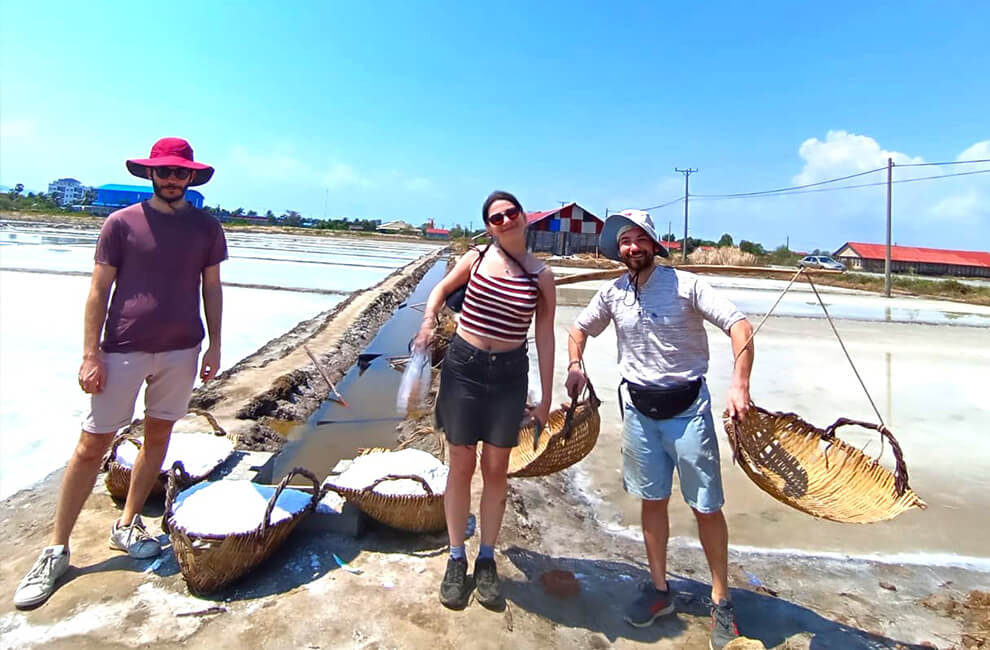
  • Visit the salt fields and learn about the traditional salt production process.
  • See workers harvesting salt under the sun, creating a unique visual spectacle.
  • Understand the challenges faced by salt farmers and their importance to the region.

Tips: Visit during the dry season (November to April) to see the salt fields in full operation.

Salt Field in Kampot

5. Cave Exploration Tour

Kampot is surrounded by limestone caves that are perfect for adventure seekers.

Tour Highlights:

  • Explore the Phnom Chhnork Cave, home to a 7th-century brick temple.
  • Visit the Secret Lake Cave, a hidden gem with a tranquil lake inside.
  • Discover the eerie beauty of the caves with the help of a local guide.

Tips: Bring a flashlight and wear sturdy shoes for cave exploration.

6. Kampot Countryside Bike Tour

For those who love outdoor activities, a bike tour through the Kampot countryside is an excellent way to explore the region.

Tour Highlights:

  • Cycle through rice paddies, villages, and scenic trails.
  • Visit local markets, temples, and schools to experience rural Cambodian life.
  • Stop at a local home for a traditional Khmer lunch.

Tips: Choose a tour that provides well-maintained bikes and helmets for a safe and enjoyable ride.

Kampot Countryside Day Tour

7. Kampot Food and Culture Tour

Kampot’s culinary scene is a delightful mix of traditional Khmer flavors and French influences.

Tour Highlights:

  • Sample local delicacies like Kampot crab, fish amok, and fresh tropical fruits.
  • Visit a local market to see where ingredients are sourced.
  • Learn to cook traditional Khmer dishes in a cooking class.
  • Explore Kampot’s colonial architecture and historic landmarks.

Tips: Come hungry and be open to trying new flavors!

How to Choose the Right Day Tour in Kampot

With so many options available, selecting the right day tour can be overwhelming. Here are some tips to help you decide:

  1. Consider Your Interests: Are you more interested in nature, history, or food? Choose a tour that aligns with your preferences.
  2. Check Reviews: Look for reviews and recommendations from other travelers to ensure a quality experience.
  3. Group Size: Decide whether you prefer a private tour or a group tour. Private tours offer more flexibility, while group tours are often more affordable.
  4. Duration: Make sure the tour fits your schedule and allows enough time to explore each attraction.
  5. Budget: Compare prices and inclusions to find a tour that offers good value for money.

Tips for a Memorable Day Tour in Kampot

  • Start Early: Many tours begin in the morning to make the most of the day.
  • Stay Hydrated: Cambodia’s tropical climate can be hot and humid, so carry plenty of water.
  • Respect Local Culture: Dress modestly when visiting temples and interact respectfully with locals.
  • Bring Cash: Some rural areas may not accept credit cards, so carry small amounts of cash for purchases and tips.
  • Capture Memories: Don’t forget your camera to capture the stunning landscapes and unique experiences.
Kampot Walking Tour

Conclusion

Kampot is a destination that promises unforgettable experiences, and Kampot classic tour is the perfect way to uncover its hidden gems. From exploring the lush landscapes of Bokor National Park to savoring the world-famous Kampot pepper, each tour offers a unique glimpse into the heart of this charming town. Whether you’re an adventurer, a foodie, or a culture enthusiast, Kampot has something to offer everyone.

So, pack your bags, book your day tours, and get ready to create lasting memories in one of Cambodia’s most enchanting destinations. Kampot awaits you with open arms and endless adventures!

By choosing the right day tours in Kampot, you’ll not only explore the beauty of this region but also support local communities and sustainable tourism. Start planning your Kampot adventure today!

How to Travel from Vietnam to Cambodia by Air: A Comprehensive Guide

Traveling from Vietnam to Cambodia by air is one of the most convenient and efficient ways to explore these two captivating Southeast Asian countries. Whether you’re a seasoned traveler or a first-time visitor, this guide will provide you with all the essential information you need to plan your trip, from flight options and visa requirements to travel tips and must-see destinations.

Why Travel from Vietnam to Cambodia by Air?

Traveling by air is the fastest and most convenient way to get from Vietnam to Cambodia. With numerous flights operating daily between major cities like Ho Chi Minh City, Hanoi, and Phnom Penh, you can easily find a flight that fits your schedule. Additionally, flying allows you to maximize your time exploring both countries, as the flight duration is typically just over an hour.

Flight Options from Vietnam to Cambodia

Major Airlines

Several major airlines operate flights between Vietnam and Cambodia, including:

  • Vietnam Airlines: The national carrier of Vietnam offers direct flights from Ho Chi Minh City and Hanoi to Phnom Penh and Siem Reap.
  • Cambodia Angkor Air: The national airline of Cambodia provides direct flights from Phnom Penh and Siem Reap to Ho Chi Minh City and Hanoi.
  • Thai Airways: Offers connecting flights via Bangkok, providing an alternative route with additional layover options.

Budget Airlines

For budget-conscious travelers, several low-cost carriers operate flights between Vietnam and Cambodia:

  • Jetstar Pacific: A Vietnamese budget airline offering affordable flights from Ho Chi Minh City to Phnom Penh.
  • AirAsia: Offers connecting flights via Kuala Lumpur, often at competitive prices.

Direct vs. Connecting Flights

  • Direct Flights: Ideal for those looking to save time, direct flights are available from Ho Chi Minh City to Phnom Penh and Siem Reap, as well as from Hanoi to Phnom Penh.
  • Connecting Flights: Connecting flights, often via Bangkok or Kuala Lumpur, can be cheaper but will take longer due to layovers but from Vietnam to Cambodia does not need a connecting flight.
Must-See Sites in Siem Reap

Popular Airports in Vietnam and Cambodia

Vietnam Airports

  • Tan Son Nhat International Airport (SGN): Located in Ho Chi Minh City, this is the busiest airport in Vietnam and a major hub for flights to Cambodia.
  • Noi Bai International Airport (HAN): Situated in Hanoi, this airport offers flights to Phnom Penh and Siem Reap.

Cambodia International Airports

  • Phnom Penh International Airport (PNH): The main gateway to Cambodia’s capital, offering numerous flights from Vietnam.
  • Siem Reap Angkor International Airport (REP): The primary airport for tourists visiting the iconic Angkor Wat temple complex.

Visa Requirements for Traveling from Vietnam to Cambodia

Visa on Arrival

Most travelers can obtain a visa on arrival at Cambodian airports. Ensure you have a valid passport, a passport-sized photo, and the visa fee in USD.

E-Visa

Cambodia offers an e-visa option, which can be applied for online before your trip. This is a convenient option for those who prefer to have their visa sorted in advance.

Visa Exemptions

Citizens of certain countries, including ASEAN member states, are exempt from visa requirements for short stays. Check the latest regulations before traveling.

Cambodia eVisa

Best Time to Travel from Vietnam to Cambodia

Weather Considerations

The best time to visit Cambodia is during the dry season, from November to April, when the weather is pleasant and rainfall is minimal. In Vietnam, the weather varies by region, but generally, the dry season runs from November to April as well.

Peak vs. Off-Peak Seasons

  • Peak Season: November to February is the peak tourist season in both countries, with higher prices and larger crowds.
  • Off-Peak Season (Low Season): May to October is the off-peak season, offering lower prices and fewer tourists, but with the possibility of rain.

Booking Your Flight: Tips and Tricks

Best Time to Book

Book your flight at least 2-3 months in advance to secure the best prices. Mid-week flights are often cheaper than weekend flights.

Comparing Prices

Use flight comparison websites like Skyscanner , Kayak, or Google Flights to compare prices across different airlines and booking platforms.

Loyalty Programs and Miles

Join airline loyalty programs to earn miles and enjoy benefits such as free upgrades, lounge access, and priority boarding.

Pro Tip: If you are planning travel from Thailand here is a comprehensive guide How to Travel to Cambodia by Air from Thailand.

How to Book Private Tour Guide to Angkor Wat?

Preparing for Your Flight

Packing Essentials

Pack light, especially if you’re traveling on a budget airline with strict baggage allowances. Don’t forget essentials like travel adapters, comfortable clothing, and any necessary medications.

Travel Insurance

Consider purchasing travel insurance to cover unexpected events such as flight cancellations, medical emergencies, or lost luggage.

Health and Safety Tips

Check the latest health advisories and ensure you have any necessary vaccinations. Carry a basic first-aid kit and stay hydrated during your flight.

Arrival in Cambodia: What to Expect

Immigration and Customs

Have your passport, visa, and arrival card ready for inspection. Be prepared to answer questions about your stay and show proof of onward travel if required.

Transportation from the Airport

Taxis, tuk-tuks, and ride-hailing services like Grab are available at both Phnom Penh and Siem Reap airports. Pre-booked transfers can also be arranged through your hotel or travel agency.

Currency and Money Exchange

The official currency of Cambodia is the Cambodian Riel (KHR), but USD is widely accepted. Exchange some money at the airport or withdraw local currency from ATMs.

Preah Ko Temple Guide

Exploring Cambodia: Top Destinations

Phnom Penh

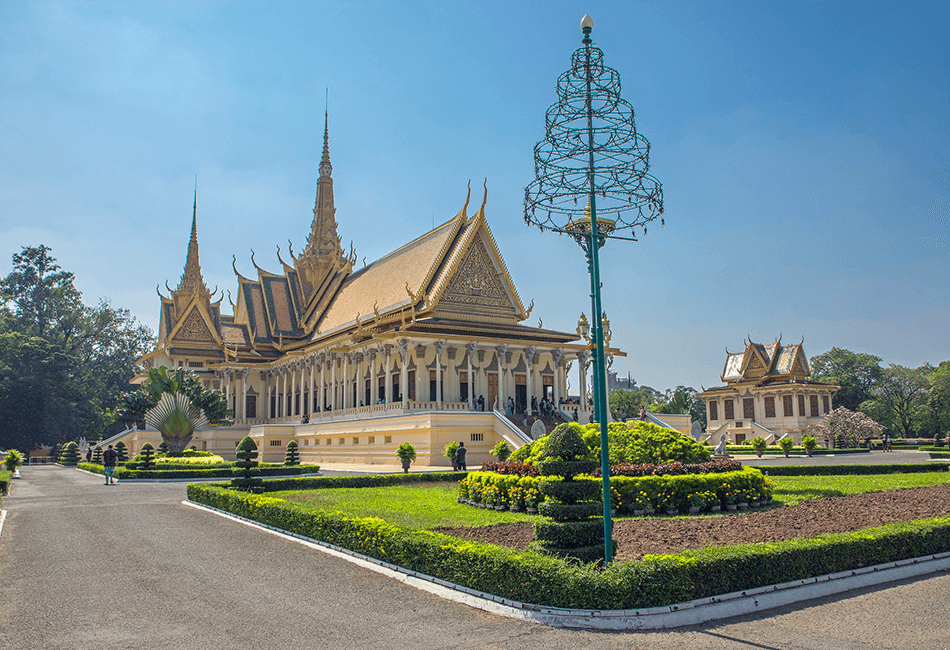
Cambodia’s bustling capital offers a mix of history, culture, and modernity. Visit the Royal Palace, the National Museum, and the sobering Killing Fields.

Siem Reap and Angkor Wat

Siem Reap is the gateway to the ancient temple complex of Angkor Wat, a UNESCO World Heritage Site and one of the most iconic landmarks in Southeast Asia.

Sihanoukville and the Islands

For beach lovers, Sihanoukville and the nearby islands offer pristine beaches, crystal-clear waters, and a relaxed atmosphere.

Travel Tips for a Smooth Journey

Language and Communication

While Khmer is the official language of Cambodia, English is widely spoken in tourist areas. Learning a few basic phrases in Khmer can enhance your travel experience.

Cultural Etiquette

Respect local customs and traditions, such as dressing modestly when visiting temples and removing your shoes before entering someone’s home.

Staying Connected

Purchase a local SIM card for affordable data and calls. Wi-Fi is widely available in hotels, cafes, and restaurants.

Best Local Travel Destinations in Cambodia

Frequently Asked Questions (FAQs)

Q: How long is the flight from Vietnam to Cambodia?

A: The flight duration is typically around 1 to 1.5 hours for direct flights.

Q: Do I need a visa to travel from Vietnam to Cambodia?

A: Most travelers will need a visa, which can be obtained on arrival or as an e-visa.

Q: What is the best time to visit Cambodia?

A: The best time to visit Cambodia is during the dry season, from November to April.

Q: Can I use USD in Cambodia?

A: Yes, USD is widely accepted in Cambodia, but it’s also a good idea to have some local currency (Cambodian riel) for smaller transactions.

Q: What are the must-see destinations in Cambodia?

A: Must-see destinations include Phnom Penh, Siem Reap (Angkor Wat), and Sihanoukville.

12. Conclusion

Traveling from Vietnam to Cambodia by air is a straightforward and efficient way to explore these two incredible countries. With numerous flight options, convenient visa processes, and a wealth of cultural and natural attractions to discover, your journey is sure to be an unforgettable experience. By following the tips and advice in this guide, you’ll be well-prepared to make the most of your trip from Vietnam to Cambodia. Safe travels!

How to Travel to Cambodia by Air from Thailand: A Comprehensive Guide

Why Travel to Cambodia by Air from Thailand?

Cambodia and Thailand are two of the most popular tourist destinations in Southeast Asia, each offering unique experiences and attractions. Traveling by air between these two countries is not only time-efficient but also allows you to enjoy the comfort and convenience of modern aviation. With numerous flights operating daily, you can easily find a schedule that suits your travel plans.

Benefits of Flying from Thailand to Cambodia

  • Time-Saving: Flights between Thailand and Cambodia are relatively short, with most journeys taking around 1 to 2 hours.
  • Comfort: Air travel offers a comfortable and hassle-free experience, especially when compared to long overland journeys.
  • Frequency: Multiple airlines operate daily flights between major cities in Thailand and Cambodia, providing flexibility in scheduling.
  • Scenic Views: Flying offers breathtaking aerial views of the landscapes, including the Gulf of Thailand and the Mekong River.
Arrival in Cambodia

Preparing for Your Trip

Before embarking on your journey, it’s essential to make necessary preparations to ensure a smooth and enjoyable trip.

Visa Requirements

Most travelers visiting Cambodia will need a visa. Fortunately, obtaining a Cambodian visa is relatively straightforward.

  • Visa on Arrival: Available at major airports in Cambodia, including Phnom Penh, Siem Reap, and Sihanoukville. You’ll need a passport valid for at least six months, a passport-sized photo, and the visa fee in USD.
  • E-Visa: You can apply for an e-visa online before your trip. The e-visa is valid for 30 days and allows entry through designated airports and land borders.
  • Visa Exemptions: Citizens of certain countries, such as ASEAN member states, may be exempt from visa requirements for short stays.

Best Time to Visit Cambodia

Cambodia has a tropical climate with two distinct seasons: the wet season (May to October) and the dry season (November to April).

  • Dry Season (November to April): This is the most popular time to visit Cambodia, with pleasant temperatures and minimal rainfall. It’s ideal for exploring temples, beaches, and outdoor activities.
  • Wet Season (May to October): While the wet season brings occasional heavy rains, it also offers lush landscapes and fewer tourists. Traveling during this time can be more affordable, and the rain usually doesn’t last all day.
Best Time to Visit Cambodia

Health and Safety Tips

  • Vaccinations: Ensure you’re up-to-date on routine vaccines. Consider vaccinations for Hepatitis A, Typhoid, and Tetanus. Malaria prophylaxis may be recommended if you’re visiting rural areas.
  • Travel Insurance: It’s advisable to have travel insurance that covers medical expenses, trip cancellations, and emergencies.
  • Stay Hydrated: Cambodia’s climate can be hot and humid, so drink plenty of water and stay hydrated.
  • Food Safety: Stick to well-cooked meals and avoid street food that may not be prepared hygienically. Bottled water is recommended.

Booking Your Flight

Booking your flight is a crucial step in planning your trip. Here’s what you need to know to find the best options.

Airlines Operating Between Thailand and Cambodia

Several airlines operate flights between Thailand and Cambodia, offering a range of options to suit different budgets and preferences.

  • Thai Airways: The national carrier of Thailand, offering direct flights from Bangkok to Phnom Penh and Siem Reap.
  • Bangkok Airways: Known for its excellent service, Bangkok Airways operates flights from Bangkok to Siem Reap and Phnom Penh.
  • AirAsia:  A budget airline offering affordable flights from Bangkok and other Thai cities to Phnom Penh and Siem Reap.
  • Cambodia Angkor Air: The national carrier of Cambodia, providing flights from Bangkok to Phnom Penh and Siem Reap.
  • VietJet Air: A low-cost carrier offering flights from Bangkok to Phnom Penh and Siem Reap.

Finding the Best Deals

To get the best deals on flights, consider the following tips:

  • Book in Advance: Flights tend to be cheaper when booked several months in advance.
  • Flexible Dates: If your travel dates are flexible, use fare comparison websites to find the cheapest days to fly.
  • Promotions and Discounts: Keep an eye out for airline promotions, discounts, and special offers.
  • Loyalty Programs: If you frequently travel, consider joining airline loyalty programs to earn miles and enjoy perks.

Direct vs. Connecting Flights

  • Direct Flights: Direct flights are the most convenient option, taking you from Thailand to Cambodia without any stops. They are ideal if you want to save time and avoid the hassle of layovers.
  • Connecting Flights: Connecting flights may be cheaper but can involve longer travel times and layovers in other cities. If you choose a connecting flight, ensure you have enough time between flights to make your connection. From Thailand to Cambodia is no need connecting flights most are direct flight.

Airports in Thailand and Cambodia

Understanding the airports you’ll be using can help you navigate your journey more smoothly.

Major Airports in Thailand

  • Suvarnabhumi Airport (BKK): Located in Bangkok, Suvarnabhumi is Thailand’s main international airport and a major hub for flights to Cambodia.
  • Don Mueang International Airport (DMK): Also in Bangkok, Don Mueang primarily serves low-cost carriers and domestic flights.
  • Chiang Mai International Airport (CNX): If you’re traveling from northern Thailand, Chiang Mai offers flights to Cambodia.
  • Phuket International Airport (HKT): For those in southern Thailand, Phuket provides flights to Cambodia.

Major Airports in Cambodia

  • Phnom Penh International Airport (PNH): The main gateway to Cambodia’s capital, Phnom Penh, offering flights from various Thai cities.
  • Siem Reap International Airport (REP): Located near the famous Angkor Wat temple complex, Siem Reap Airport is a popular entry point for tourists.
  • Sihanoukville International Airport (KOS): Serving the coastal city of Sihanoukville, this airport is ideal for travelers heading to Cambodia’s beaches and islands.
Siem Reap Angkor International Airport

Navigating the Airports

Navigating the airports in Thailand and Cambodia is generally straightforward, but it’s helpful to know what to expect.

Departure from Thailand

  • Check-In: Arrive at the airport at least 2-3 hours before your flight to allow time for check-in, security, and immigration.
  • Immigration: Have your passport, boarding pass, and any necessary visas ready for inspection.
  • Security: Follow the airport’s security guidelines, including restrictions on liquids and prohibited items.
  • Duty-Free Shopping: Take advantage of duty-free shopping at the airport for last-minute purchases.

Arrival in Cambodia

  • Immigration: Present your passport, visa, and arrival card to the immigration officer. Ensure your visa is valid and correctly filled out.
  • Baggage Claim: Proceed to the baggage claim area to collect your luggage. Check the baggage carousel number displayed on the screens.
  • Customs: Declare any items that need to be declared and pass through customs. Be aware of Cambodia’s customs regulations to avoid any issues.
  • Transportation: After exiting the airport, you’ll find various transportation options to take you to your destination.

Transportation from the Airport to Your Destination

Once you arrive in Cambodia, you’ll need to get from the airport to your accommodation or next destination. Here’s what you need to know.

Phnom Penh International Airport

  • Taxis: Taxis are readily available at the airport. Ensure you agree on a fare before starting your journey or use a metered taxi.
  • Tuk-Tuks: A popular and affordable option, tuk-tuks are a fun way to travel short distances.
  • Ride-Hailing Apps: Apps like Grab are available in Phnom Penh and offer convenient and reliable transportation.
  • Airport Shuttles: Some hotels offer airport shuttle services, so check with your accommodation in advance.

Siem Reap Angkor International Airport

  • Taxis: Taxis are available at the airport, and fares are usually fixed. Confirm the price before getting in.
  • Tuk-Tuks: Tuk-tuks are a common mode of transportation in Siem Reap and are ideal for short trips.
  • Hotel Pickup: Many hotels in Siem Reap offer complimentary airport pickup, so arrange this in advance.
  • Ride-Hailing Apps: Grab is also available in Siem Reap for convenient transportation.

Sihanoukville International Airport

  • Taxis: Taxis are available at the airport, and fares are typically fixed. Confirm the price before starting your journey.
  • Tuk-Tuks: Tuk-tuks are a popular and affordable option for short trips in Sihanoukville.
  • Hotel Shuttles: Some hotels offer shuttle services, so check with your accommodation beforehand.
  • Ride-Hailing Apps: Grab is available in Sihanoukville for convenient transportation.

Exploring Cambodia

Cambodia is a country rich in history, culture, and natural beauty. Here are some of the top attractions you won’t want to miss.

Top Attractions in Phnom Penh

  • Royal Palace and Silver Pagoda: A stunning complex of buildings that serve as the residence of the King of Cambodia. The Silver Pagoda is known for its floor covered with over 5,000 silver tiles.
  • National Museum of Cambodia: Home to the world’s finest collection of Khmer sculpture and artifacts, offering insights into Cambodia’s rich history.
  • Tuol Sleng Genocide Museum (S-21): A sobering reminder of Cambodia’s tragic past under the Khmer Rouge regime.
  • Choeung Ek Killing Fields: A memorial site dedicated to the victims of the Khmer Rouge, located just outside Phnom Penh.
  • Wat Phnom: A historic temple located on a hill in the center of the city, offering panoramic views of Phnom Penh.

Must-See Sites in Siem Reap

  • Angkor Wat: The largest religious monument in the world and a UNESCO World Heritage Site. Angkor Wat is a must-visit for its stunning architecture and historical significance.
  • Angkor Thom: A fortified city that was the last capital of the Khmer Empire, featuring the iconic Bayon Temple with its massive stone faces.
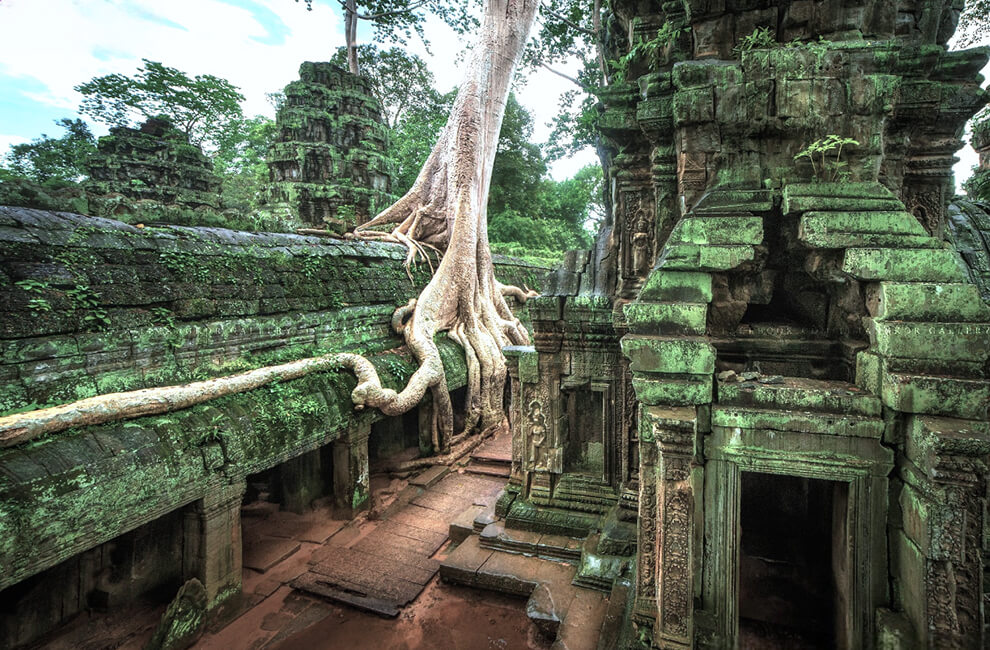
  • Ta Prohm: Known as the “Tomb Raider Temple,” Ta Prohm is famous for the giant trees that have grown over the ruins, creating a mystical atmosphere.
  • Banteay Srei: A smaller temple known for its intricate carvings and pink sandstone construction.
  • Tonle Sap Lake: The largest freshwater lake in Southeast Asia, offering floating villages and unique ecosystems.

Beaches and Islands in Sihanoukville

  • Otres Beach: A quieter alternative to the main beaches in Sihanoukville, offering pristine sands and clear waters.
  • Koh Rong: A tropical island known for its white sandy beaches, crystal-clear waters, and vibrant nightlife.
  • Koh Rong Samloem: A more tranquil island compared to Koh Rong, ideal for relaxation and nature lovers.
  • Ream National Park: A protected area offering hiking trails, mangrove forests, and diverse wildlife.
  • Serendipity Beach: The most popular beach in Sihanoukville, known for its lively atmosphere and beachfront bars.

Cultural Etiquette and Tips

Understanding and respecting Cambodian culture will enhance your travel experience and help you connect with the locals.

Respecting Local Customs

  • Dress Modestly: When visiting temples and religious sites, dress modestly by covering your shoulders and knees.
  • Remove Shoes: It’s customary to remove your shoes before entering someone’s home or a temple.
  • Respect Monks: Monks are highly respected in Cambodian culture. Avoid physical contact with monks, and women should not sit next to or touch a monk.
  • Greetings: The traditional Cambodian greeting is the “sampeah,” where you place your palms together in a prayer-like gesture and bow slightly.

Language and Communication

  • Khmer Language: The official language of Cambodia is Khmer. Learning a few basic phrases can go a long way in connecting with locals.
    • Hello: Chum reap suor
    • Thank you: Orkun
    • Yes: Baht
    • No: Ot te
  • English: English is widely spoken in tourist areas, but learning some Khmer phrases can be appreciated by locals.

Currency and Tipping

  • Currency: The official currency of Cambodia is the Cambodian Riel (KHR), but US dollars are widely accepted. It’s a good idea to carry small denominations of both currencies.
  • Tipping: Tipping is not mandatory but is appreciated. In restaurants, a 10% tip is customary if a service charge is not included. For tuk-tuk drivers and tour guides, a small tip is a nice gesture.

Accommodation Options

Cambodia offers a wide range of accommodation options to suit every budget and preference.

Luxury Hotels

  • Raffles Hotel Le Royal (Phnom Penh): A historic luxury hotel offering elegant rooms, a spa, and fine dining.
  • Amansara (Siem Reap): A boutique hotel with a rich history, offering luxurious accommodations and personalized service.
  • Song Saa Private Island (Koh Rong): A luxury resort on a private island, offering villas with private pools and stunning ocean views.

Budget-Friendly Stays

  • The Pavilion (Phnom Penh): A charming boutique hotel with a pool, offering affordable rates in a central location.
  • Onederz Hostel (Siem Reap): A popular hostel with clean and comfortable dormitories and private rooms.
  • Happa (Sihanoukville): A budget-friendly hotel with modern amenities and a convenient location near the beach.

Unique Accommodations

  • Shinta Mani Shack (Siem Reap): A socially responsible hotel offering luxurious tents and a focus on community development.
  • 4 Rivers Floating Lodge (Koh Kong): A unique eco-lodge offering floating tents on the Tatai River, surrounded by nature.
  • The Beige (Siem Reap): A luxury tented camp located near Angkor Wat, offering a blend of comfort and adventure.

Dining and Cuisine

Cambodian cuisine is a delightful blend of flavors, influenced by neighboring countries like Thailand and Vietnam.

Traditional Cambodian Dishes

  • Amok: A traditional Cambodian curry made with fish, coconut milk, and spices, steamed in banana leaves.
  • Bai Sach Chrouk: Grilled pork served with rice and pickled vegetables, a popular breakfast dish.
  • Lok Lak: Stir-fried beef served with a tangy lime and black pepper sauce, often accompanied by rice and a fried egg.
  • Nom Banh Chok: A traditional Khmer noodle dish made with rice noodles, fish-based green curry, and fresh vegetables.
  • Kuy Teav: A flavorful noodle soup made with pork or beef broth, rice noodles, and various toppings.

Street Food Experiences

  • Grilled Skewers: Various meats and vegetables grilled on skewers, often served with a dipping sauce.
  • Fried Insects: A unique Cambodian street food experience, including fried crickets, tarantulas, and silk worms.
  • Fresh Fruit: Cambodia offers a variety of fresh fruits, including mangoes, dragon fruit, and rambutan, often sold by street vendors.
  • Khmer Pancakes: Crispy pancakes filled with beans, coconut, and other sweet or savory ingredients.

Fine Dining Options

  • Malis (Phnom Penh): A fine dining restaurant offering a modern take on traditional Khmer cuisine.
  • Cuisine Wat Damnak (Siem Reap): A highly acclaimed restaurant offering a tasting menu of Cambodian dishes made with local ingredients.
  • The Sugar Palm (Siem Reap): A popular restaurant offering authentic Khmer cuisine in a traditional setting.
  • Le Flore Angkor (Siem Reap): A modern Khmer style offering authentic Cambodian cuisine in a traditional mode.
Eat Like Local

Shopping and Souvenirs

Cambodia offers a variety of shopping experiences, from bustling markets to upscale boutiques.

Local Markets

  • Phsar Thmei (Central Market, Phnom Penh): A historic market offering a wide range of goods, including jewelry, clothing, and souvenirs.
  • Phsar Chas (Old Market, Siem Reap): A bustling market offering everything from fresh produce to handicrafts and souvenirs.
  • Phsar Leu (Sihanoukville): A large market offering a variety of goods, including clothing, electronics, and local products.

Handicrafts and Art

  • Artisans Angkor (Siem Reap): A social enterprise offering high-quality handicrafts, including silk products, carvings, and paintings.
  • Rajana (Siem Reap): A fair-trade shop offering handmade jewelry, accessories, and home decor items.
  • Smateria (Phnom Penh): A boutique offering eco-friendly bags and accessories made from recycled materials.

Duty-Free Shopping

  • Phnom Penh International Airport: Offers a range of duty-free shops selling alcohol, tobacco, perfumes, and cosmetics.
  • Siem Reap International Airport: Features duty-free shops with a selection of luxury goods, including jewelry, watches, and electronics.
  • Sihanoukville International Airport: Offers duty-free shopping with a focus on local products and souvenirs.
Shopping Center in Phnom Penh

Traveling Within Cambodia

Getting around Cambodia is relatively easy, with various transportation options available.

Domestic Flights

  • Cambodia Angkor Air: Offers domestic flights between Phnom Penh, Siem Reap, and Sihanoukville.
  • Bassaka Air: Operates domestic flights between Phnom Penh and Siem Reap.

Buses and Trains

  • Buses: Buses are a popular and affordable way to travel between cities in Cambodia. Companies like Giant Ibis and Mekong Express offer comfortable and reliable services.
  • Trains: The Royal Railway operates train services between Phnom Penh and Sihanoukville, offering a scenic journey through the countryside.

Tuk-Tuks and Taxis

  • Tuk-Tuks: Tuk-tuks are a common and affordable mode of transportation for short distances within cities.
  • Taxis: Metered taxis are available in major cities like Phnom Penh and Siem Reap. Ride-hailing apps like Grab are also widely used.

Day Trips and Excursions

Cambodia offers a variety of day trips and excursions that allow you to explore the country’s natural beauty and cultural heritage.

Angkor Wat and Surrounding Temples

  • Angkor Wat: Spend a full day exploring the iconic Angkor Wat temple complex, including the main temple, the surrounding moat, and the intricate bas-reliefs.
  • Angkor Thom: Visit the ancient city of Angkor Thom, including the Bayon Temple, the Terrace of the Elephants, and the Terrace of the Leper King.
  • Ta Prohm: Explore the jungle-covered ruins of Ta Prohm, famous for the giant trees growing over the temple structures.

Tonle Sap Lake

  • Floating Villages: Take a boat tour of the floating villages on Tonle Sap Lake, including Chong Kneas and Kampong Phluk, to experience the unique way of life on the water.
  • Bird Sanctuary: Visit the Prek Toal Bird Sanctuary, home to a variety of bird species, including storks, pelicans, and ibises.

Bokor National Park

  • Bokor Hill Station: Explore the abandoned French colonial buildings and enjoy panoramic views from the Bokor Hill Station.
  • Popokvil Waterfall: Visit the picturesque Popokvil Waterfall, located within Bokor National Park.

Sustainable Travel Practices

As a responsible traveler, it’s important to minimize your impact on the environment and support local communities.

Eco-Friendly Tours

  • Community-Based Tourism: Participate in community-based tourism initiatives that support local communities and promote sustainable practices.
  • Eco-Tours: Choose eco-tours that focus on conservation and environmental education, such as wildlife watching and nature hikes.

Supporting Local Communities

  • Buy Local: Purchase souvenirs and products from local artisans and markets to support the local economy.
  • Stay Local: Choose locally-owned accommodations and restaurants to contribute to the local community.
  • Volunteer: Consider volunteering with local organizations that focus on education, conservation, or community development.

Reducing Your Carbon Footprint

  • Use Public Transportation: Opt for public transportation, cycling, or walking to reduce your carbon footprint.
  • Reduce Plastic Use: Bring a reusable water bottle and avoid single-use plastics to minimize waste.
  • Conserve Energy: Turn off lights, air conditioning, and electronics when not in use to conserve energy.

Conclusion

Traveling to Cambodia by air from Thailand is a convenient and enjoyable way to explore the rich cultural heritage, stunning landscapes, and vibrant cities of these two Southeast Asian nations. By following this comprehensive guide, you’ll be well-prepared to plan your journey, navigate the airports, and make the most of your time in Cambodia. Whether you’re visiting the iconic Angkor Wat, relaxing on the beaches of Sihanoukville, or exploring the bustling streets of Phnom Penh, Cambodia offers a wealth of experiences that will leave you with lasting memories. Safe travels!

The Ultimate Local Travel Guide to Siem Reap: Discover Hidden Gems and Must-See Attractions

Siem Reap, the gateway to the ancient temples of Angkor, is one of Cambodia’s most enchanting destinations. While the iconic Angkor Wat draws millions of visitors each year, there’s so much more to explore in this vibrant city. From hidden local markets to serene countryside escapes, this local travel guide to Siem Reap will help you uncover the best-kept secrets and must-see attractions. Whether you’re a first-time visitor or a seasoned traveler, this guide will ensure you experience Siem Reap like a true local.

Why Siem Reap Should Be on Your Travel Bucket List

Siem Reap is more than just a stopover for temple enthusiasts. It’s a city brimming with culture, history, and natural beauty. From the bustling Pub Street to the tranquil Tonle Sap Lake, Siem Reap offers a perfect blend of adventure and relaxation. With its affordable accommodations, delicious cuisine, and warm hospitality, it’s no wonder Siem Reap is a favorite among travelers.

Top Local Travel Guides for Exploring Siem Reap

1. Angkor Wat and Beyond: Temple Hopping Like a Local

No trip to Siem Reap is complete without visiting the awe-inspiring Angkor Wat. However, the Angkor Archaeological Park is home to over 1,000 temples, each with its own unique charm. Here’s how to explore them like a local:

  • Start Early: Beat the crowds by arriving at Angkor Wat before sunrise. The sight of the sun rising over the temple’s spires is unforgettable.
  • Hire a Local Guide: A knowledgeable local guide can share fascinating stories and history about the temples.
  • Explore Lesser-Known Temples: Skip the crowds and visit hidden gems like Banteay Srei (the Citadel of Women) or Beng Mealea, a jungle-covered ruin and Koh Ker Temple.

Pro Tip: Purchase a multi-day pass to explore the temples at your own pace.

Best Time to Visit Angkor Wat

2. Discover Siem Reap’s Local Markets

For an authentic taste of Cambodian culture, head to one of Siem Reap’s bustling markets. These markets are perfect for shopping, sampling local food, and interacting with friendly locals.

  • Psar Chas (Old Market): Located in the heart of Siem Reap, this market offers everything from fresh produce to handmade souvenirs.
  • Night Markets: Siem Reap’s night markets are a must-visit for unique handicrafts, clothing, and street food. Don’t miss the Angkor Night Market or Siem Reap Art Center Night Market.

Pro Tip: Bargain politely – it’s part of the local shopping experience!

3. Experience the Countryside by Bike

Escape the city and explore Siem Reap’s picturesque countryside by bike. Cycling tours are a fantastic way to experience rural Cambodia, meet local villagers, and enjoy the serene landscapes.

  • Floating Villages: Visit the floating villages on Tonle Sap Lake, such as Kampong Phluk or Chong Kneas, to see how locals live on the water.
  • Rice Paddies and Water Buffaloes: Pedal through lush rice fields and spot water buffaloes grazing in the distance.

Pro Tip: Join a guided bike tour to learn about local life and support community-based tourism.

Interact with Local

4. Savor Authentic Cambodian Cuisine

Cambodian cuisine is a delightful blend of flavors, and Siem Reap is the perfect place to indulge. From street food to fine dining, here’s where to eat like a local:

  • Try Amok: Cambodia’s national dish, amok, is a creamy curry made with fish, coconut milk, and spices. Head to Amok Restaurant for a delicious version.
  • Street Food: Sample local favorites like nom banh chok (Khmer noodles) or bai sach chrouk (pork and rice) from street vendors.
  • Cooking Classes: Join a cooking class to learn how to make traditional Cambodian dishes. Many classes include a visit to a local market to buy fresh ingredients.

Pro Tip: Don’t miss the chance to try fried insects – a unique Cambodian snack!

5. Unwind with Local Arts and Culture

Siem Reap is a hub for Cambodian arts and culture. Immerse yourself in the city’s creative scene with these activities:

  • Phare, The Cambodian Circus: This world-class performance combines theater, music, and acrobatics to tell Cambodian stories. It’s a must-see for visitors of all ages.
  • Artisans Angkor: Visit this social enterprise to watch skilled artisans create traditional Cambodian crafts, from silk weaving to stone carving.
  • Apsara Dance Shows: Enjoy a traditional Apsara dance performance, a classical Khmer art form that dates back to the Angkor era.

Pro Tip: Book tickets in advance for popular shows like Phare Circus.

Phare Circus Special Show

6. Relax and Rejuvenate

After days of exploring, take some time to relax and recharge. Siem Reap offers plenty of options for unwinding:

  • Spa Treatments: Treat yourself to a traditional Khmer massage or a luxurious spa day. Many spas use natural ingredients like lemongrass and coconut oil.
  • Rooftop Bars: Enjoy a sunset cocktail at one of Siem Reap’s rooftop bars, such as Miss Wong Cocktail Bar or The Lantern Bar.
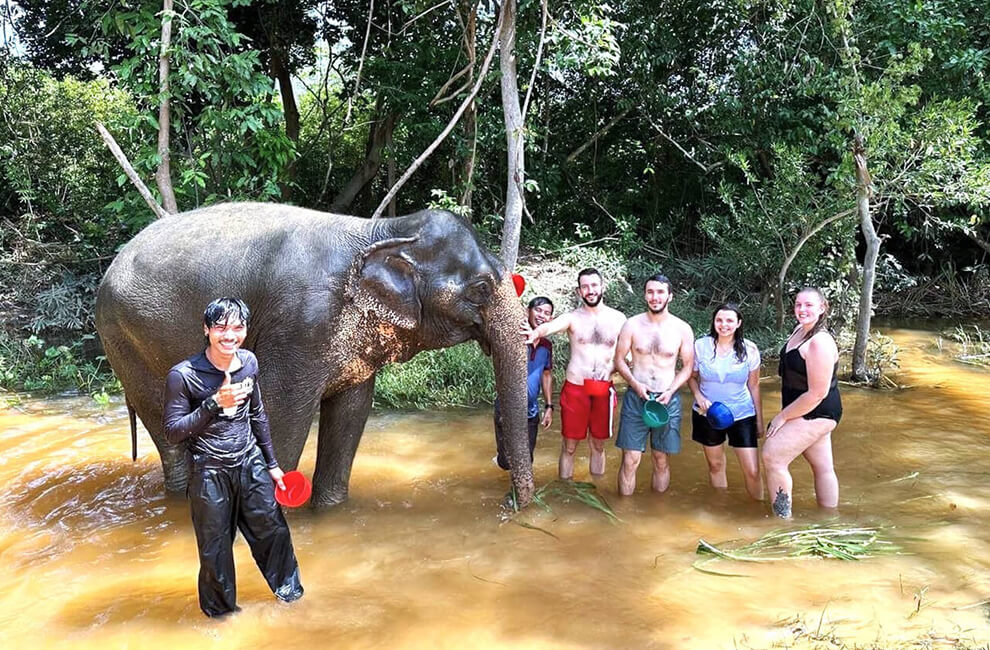
  • Day Trips to Nature Spots: Visit Phnom Kulen National Park for waterfalls and sacred sites, or explore the Cambodia Elephant Sanctuary to see rescued elephants in their natural habitat.

Pro Tip: Many hotels and guesthouses offer affordable spa services – ask for recommendations.

Cambodia Elephant Sanctuary, Haven for Rescued Elephants

Practical Tips for Traveling in Siem Reap

  • Best Time to Visit: The dry season (November to March) is the ideal time to visit Siem Reap, with cooler temperatures and less rain.
  • Getting Around: Tuk-tuks are the most popular and affordable way to get around. For longer trips, consider hiring a private car or joining a tour.
  • Currency: The official currency is the Cambodian Riel, but US dollars are widely accepted.
  • Dress Code: When visiting temples, dress modestly by covering your shoulders and knees.

Supporting Local Communities in Siem Reap

Traveling responsibly is key to preserving Siem Reap’s beauty and culture. Here’s how you can support local communities:

  • Shop Local: Buy souvenirs and products from local artisans and markets.
  • Choose Ethical Tours: Opt for tours that support community development and conservation efforts.
  • Respect Local Customs: Learn a few Khmer phrases and be mindful of cultural norms.
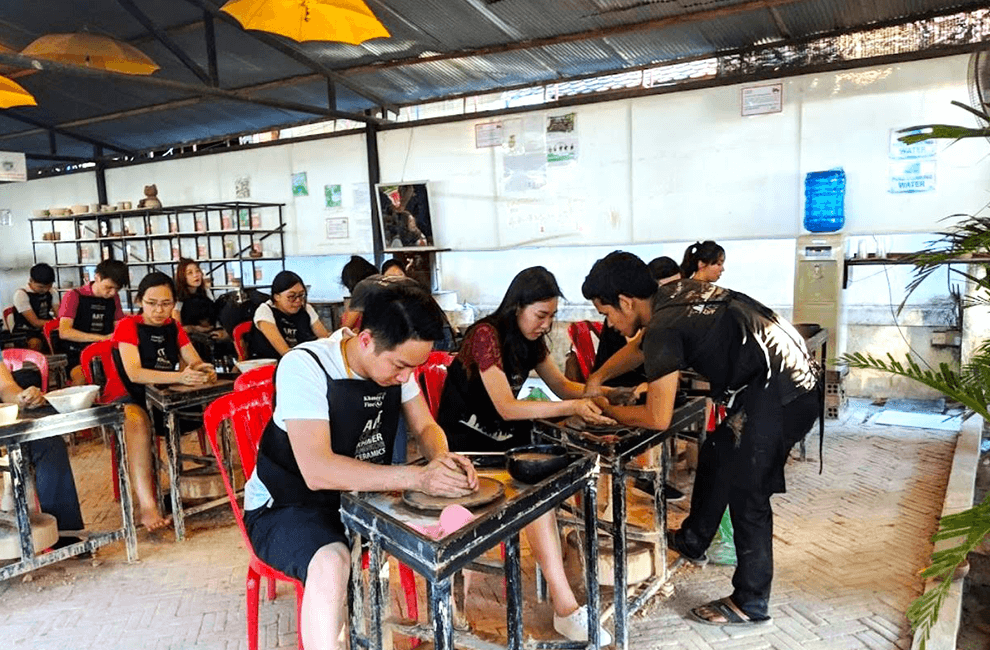
Khmer Ceramics and Fine Arts

Conclusion: Siem Reap Awaits You

Siem Reap is a destination that captivates travelers with its rich history, vibrant culture, and stunning landscapes. By following this local travel guide, you’ll not only discover the iconic Angkor Wat but also uncover the hidden treasures that make Siem Reap truly special. Whether you’re exploring ancient temples, savoring local cuisine, or cycling through the countryside, Siem Reap promises an unforgettable adventure.

So pack your bags, book your trip, and get ready to experience Siem Reap like a local. Your journey to the heart of Cambodia starts here!

How to affordable travel in Cambodia: A Comprehensive Guide

Cambodia, a Southeast Asian gem, is renowned for its rich history, stunning landscapes, and vibrant culture. From the awe-inspiring temples of Angkor Wat to the bustling streets of Phnom Penh and the serene beaches of Sihanoukville, Cambodia offers a diverse range of experiences for travelers. However, exploring this beautiful country doesn’t have to break the bank. With careful planning and a few insider tips, you can enjoy affordable travel in Cambodia without compromising on the quality of your experience. In this article, we’ll provide you with the best advice on how to travel affordably in Cambodia, covering everything from transportation and accommodation to food and activities.

Plan Your Trip During the Low Season

One of the easiest ways to save money while traveling in Cambodia is to plan your trip during the low season. The peak tourist season in Cambodia typically runs from November to February when the weather is cooler and drier. However, traveling during the low season (May to October) can result in significant savings on flights, accommodation, and even local tours. While the rainy season may deter some travelers, it’s worth noting that the rains are usually short-lived and can add a unique charm to the landscape.

Affordable Local Travel Tips for High Season in Siem Reap

Tips for Off-Peak Travel

  • Lower Accommodation Costs: Hotels and guesthouses often offer discounted rates during the off-peak season.
  • Fewer Crowds: Popular attractions like Angkor Wat are less crowded, allowing you to enjoy a more peaceful experience.
  • Lush Scenery: The rainy season brings out the lush greenery of Cambodia’s countryside, making it a great time for nature lovers.

Choose Budget-Friendly Accommodation

Cambodia offers a wide range of accommodation options to suit every budget. From luxury resorts to budget guesthouses, there’s something for everyone. However, if you’re looking to save money, consider staying in budget-friendly accommodations such as hostels, guesthouses, or homestays.

Budget Accommodation Options

  • Hostels: Hostels are a popular choice for budget travelers, offering dormitory-style rooms at very affordable rates. Many hostels also provide private rooms for those who prefer more privacy.
  • Guesthouses: Guesthouses are another great option, offering basic but comfortable rooms at reasonable prices. They are often family-run, providing a more personal touch.
  • Homestays: For a truly authentic experience, consider staying with a local family. Homestays are not only affordable but also offer a unique insight into Cambodian culture and daily life.
Koh Pdao Community Based Ecotourism

Tips for Finding Affordable Accommodation

  • Book in Advance: While last-minute deals can sometimes be found, booking your accommodation in advance can help you secure the best rates.
  • Use Booking Platforms: Websites like Booking.com, Hostel world, and Airbnb often have discounts and special offers for budget travelers.
  • Negotiate: In some cases, especially in smaller guesthouses, you may be able to negotiate a lower rate, especially if you’re staying for an extended period.

Utilize Affordable Transportation Options

Getting around Cambodia is relatively inexpensive, thanks to the country’s well-developed transportation network. Whether you’re traveling between cities or exploring local areas, there are several affordable transportation options to choose from.

Affordable Transportation Options

  • Public Buses: Buses are the most common and economical way to travel between cities in Cambodia. Companies like Giant Ibis and Mekong Express offer comfortable and reliable services at reasonable prices.
  • Tuk-Tuks: Tuk-tuks are a popular mode of transportation for short distances within cities. They are affordable and can be easily hailed on the street. Be sure to negotiate the fare before starting your journey.
  • Motorbike Rentals: Renting a motorbike is a great way to explore Cambodia at your own pace. Daily rental rates are relatively low, and it gives you the freedom to visit off-the-beaten-path destinations.
  • Cycling: For the more adventurous traveler, cycling is an excellent way to explore Cambodia’s countryside. Many guesthouses and hostels offer bicycle rentals at affordable rates.
Travel with Tuk Tuk

Tips for Saving on Transportation

  • Book in Advance: For long-distance buses, booking your ticket in advance can help you secure a seat and sometimes even a discount.
  • Share Rides: If you’re traveling with a group, consider sharing the cost of a tuk-tuk or private car hire.
  • Use Ride-Hailing Apps: Apps like Grab are available in Cambodia and can help you find affordable rides within cities.

Eat Like a Local

One of the best ways to save money while traveling in Cambodia is to eat like a local. Cambodian cuisine is not only delicious but also incredibly affordable. Street food and local markets offer a wide variety of dishes at a fraction of the cost of restaurants catering to tourists.

Affordable Dining Options

  • Street Food: Street food stalls are ubiquitous in Cambodia, offering everything from noodles and rice dishes to grilled meats and fresh fruit. A meal from a street vendor can cost as little as $2-$3.
  • Local Markets: Visiting local markets is a great way to experience authentic Cambodian cuisine. You’ll find a variety of food stalls serving up traditional dishes at budget-friendly prices.
  • Local Restaurants: Small, family-run restaurants often offer set menus or daily specials at very reasonable prices. These establishments are a great way to enjoy a hearty meal without breaking the bank.
Khmer Cuisine, Khmer Foods

Tips for Eating on a Budget

  • Avoid Tourist Hotspots: Restaurants located near popular tourist attractions tend to be more expensive. Venture a few blocks away to find more affordable options.
  • Try the Local Specialties: Dishes like Amok (a coconut milk-based curry) and Lok Lak (stir-fried beef) are not only delicious but also typically cheaper than Western-style meals.
  • Stay Hydrated: Bottled water is inexpensive in Cambodia, but you can save even more by carrying a reusable water bottle and refilling it at your accommodation.

Take Advantage of Free and Low-Cost Activities

Cambodia is home to a wealth of free and low cost activities that allow you to experience the country’s culture and natural beauty without spending a fortune. From exploring ancient temples to relaxing on pristine beaches, there’s no shortage of affordable things to do.

Free and Low-Cost Activities

  • Visit Angkor Wat: While the entrance fee to Angkor Wat is $37 for a one-day pass, the experience of exploring this iconic temple complex is well worth the cost. Consider purchasing a multi-day pass if you plan to spend more time exploring the temples.
  • Explore Local Markets: Visiting local markets is a great way to immerse yourself in Cambodian culture. You can browse through stalls selling everything from fresh produce to handmade crafts, often at very reasonable prices.
  • Relax on the Beach: Cambodia’s southern coast is home to some beautiful beaches, such as Otres Beach in Sihanoukville. Spending a day lounging on the sand is a budget-friendly way to unwind.
  • Visit National Parks: Cambodia’s national parks, such as Bokor National Park and Ream National Park, offer stunning natural landscapes and opportunities for hiking and wildlife spotting. Entrance fees are typically low, making them an affordable option for nature lovers.
Kampot Walking Tour

Tips for Saving on Activities

  • Take Advantage of Free Walking Tours: Many cities in Cambodia offer free walking tours, led by local guides who can provide valuable insights into the history and culture of the area.
  • Use Student Discounts: If you’re a student, be sure to carry your student ID, as many attractions offer discounted entry fees for students.

Bargain and Negotiate Prices

Bargaining is a common practice in Cambodia, especially in markets and when hiring tuk-tuks or motorbike taxis. While it may feel uncomfortable at first, bargaining is an expected part of the culture and can help you save money.

Tips for Bargaining

  • Start Low: When bargaining, start with an offer that’s lower than what you’re willing to pay. This gives you room to negotiate and reach a mutually agreeable price.
  • Be Polite: Always maintain a friendly and respectful attitude when bargaining. A smile and a bit of humor can go a long way in reaching a fair deal.
  • Know the Market Rate: Before bargaining, it’s helpful to have an idea of the typical price for the item or service you’re purchasing. This will help you avoid overpaying.

Travel with a Group

Traveling with a group can help you save money on accommodation, transportation, and even activities . By splitting costs, you can enjoy a more affordable travel experience without sacrificing comfort or convenience.

Travel with a Group

Tips for Group Travel

  • Share Accommodation: Booking a private room or apartment for a group can often be more cost-effective than staying in separate dormitory beds.
  • Split Transportation Costs: Sharing the cost of a tuk-tuk, private car, or motorbike rental can significantly reduce your transportation expenses.
  • Group Discounts: Some tour operators and attractions offer group discounts, so be sure to inquire about any available deals.

Conclusion

Affordable travel in Cambodia is entirely possible with a bit of planning and savvy decision-making. By traveling during the off-peak season, choosing budget-friendly accommodation, utilizing affordable transportation options, eating like a local, taking advantage of free and low-cost activities, bargaining, and traveling with a group, you can experience the best that Cambodia has to offer without breaking the bank. With its rich history, stunning landscapes, and warm hospitality, Cambodia is a destination that should be on every traveler’s list. So pack your bags, follow these tips, and get ready for an unforgettable adventure in the Kingdom of Wonder!

Sustainable Local Travel in Cambodia: A Guide to Eco-Friendly Adventures

Cambodia, a land of ancient temples, lush landscapes, and vibrant culture, has become a must-visit destination for travelers seeking authentic experiences. However, as tourism continues to grow, so does the need for sustainable travel practices. Sustainable local travel in Cambodia is not just a trend; it’s a responsibility. By choosing eco-friendly options, travelers can help preserve the country’s natural beauty, support local communities, and contribute to the long-term well-being of this enchanting destination.

In this comprehensive guide, we’ll explore how you can embrace sustainable travel in Cambodia, from eco-conscious accommodations to responsible tourism activities. Whether you’re planning a trip to the iconic Angkor Wat or exploring the lesser-known gems of the Cambodian countryside, this article will provide you with the tools and knowledge to travel sustainably.

Why Sustainable Travel Matters in Cambodia

Cambodia’s tourism industry has seen exponential growth over the past decade, with millions of visitors flocking to its world-famous attractions. While this has brought economic benefits, it has also placed a strain on the environment and local communities. Issues such as over-tourism, pollution, and the exploitation of natural resources have become pressing concerns.

Sustainable travel aims to mitigate these negative impacts by promoting practices that respect the environment, culture, and people of the destination. By choosing sustainable options, you can help ensure that Cambodia’s treasures are preserved for future generations while supporting the livelihoods of local communities.

Cambodia Elephant Sanctuary A Haven for Rescued Elephants

Top Tips for Sustainable Local Travel in Cambodia

Choose Eco-Friendly Accommodations

One of the easiest ways to practice sustainable travel is by staying at eco-friendly accommodations. Cambodia offers a range of options, from eco-lodges to community-based homestays, that prioritize environmental conservation and community support.

  • Eco-Lodges: These accommodations are designed to minimize their environmental impact by using renewable energy, recycling waste, and conserving water. Many eco-lodges also support local communities by hiring staff from nearby villages and sourcing food locally.
  • Community-Based Homestays: Staying with a local family is a fantastic way to immerse yourself in Cambodian culture while directly supporting the community. Homestays often provide authentic experiences, such as traditional meals and cultural activities, and the income generated goes directly to the host family.

Support Local Businesses

When traveling sustainably, it’s essential to support local businesses. By purchasing goods and services from local vendors, you contribute to the local economy and help create jobs for Cambodian people.

  • Local Markets: Visit local markets to buy handmade crafts, textiles, and souvenirs. Not only will you find unique items, but you’ll also be supporting local artisans and their families.
  • Local Restaurants: Opt for locally-owned restaurants and street food stalls that serve traditional Cambodian cuisine. This not only gives you a taste of authentic flavors but also supports small business owners.

Up to 25% Off

Explore our many discounts, deals, and exclusive offers
to create your next adventure!

Respect Cultural Heritage

Cambodia is home to a rich cultural heritage, from the ancient temples of Angkor to traditional dance and music. As a responsible traveler, it’s important to respect and preserve this heritage.

  • Temple Etiquette: When visiting temples, dress modestly and follow the rules and guidelines set by the site. Avoid touching or climbing on ancient structures, and be mindful of your impact on the environment.
  • Cultural Sensitivity: Take the time to learn about Cambodian customs and traditions. Show respect for local practices, such as removing your shoes before entering a home or temple, and always ask for permission before taking photos of people.
Visit Local while discover Angkor Wat

Minimize Your Environmental Impact

Reducing your environmental footprint is a key aspect of sustainable travel. Here are some simple steps you can take to minimize your impact while exploring Cambodia:

  • Reduce Plastic Waste: Cambodia, like many countries, faces challenges with plastic pollution. Bring a reusable water bottle, shopping bag, and utensils to avoid single-use plastics. Many eco-friendly accommodations and restaurants offer water refill stations.
  • Conserve Water and Energy: Be mindful of your water and energy usage, especially in areas where resources are limited. Take shorter showers, turn off lights and air conditioning when not in use, and reuse towels and linens.
  • Leave No Trace: Whether you’re hiking in the Cardamom Mountains or exploring the beaches of Sihanoukville, always follow the principles of Leave No Trace. Pack out all trash, stay on designated trails, and avoid disturbing wildlife.

Engage in Responsible Tourism Activities

Cambodia offers a wealth of activities that allow you to experience the country’s natural beauty and culture in a responsible way. Here are some eco-friendly activities to consider:

  • Wildlife Conservation: Visit wildlife sanctuaries and conservation projects that protect Cambodia’s endangered species, such as the Elephant Valley Project in Mondulkiri or the Phnom Tamao Wildlife Rescue Center. These organizations work to rehabilitate and release animals back into the wild, and your visit helps support their efforts.
  • Community-Based Tourism: Participate in community-based tourism initiatives that empower local communities. For example, you can join a guided tour led by local villagers, take part in traditional craft workshops, or volunteer with community development projects.
  • Eco-Tours: Explore Cambodia’s natural wonders through eco-tours that prioritize sustainability. Whether it’s kayaking through the mangroves of Koh Kong, cycling through rural villages, or trekking in the jungle, these tours are designed to minimize environmental impact and support local communities.
Cambodian Local Activities

Sustainable Travel Destinations in Cambodia

Siem Reap and Angkor Wat

Siem Reap, the gateway to the iconic Angkor Wat, is a popular destination for travelers. While the temples are a must-see, there are also plenty of opportunities for sustainable travel in the area.

  • Angkor Wat: Visit the temples during off-peak hours to avoid crowds and reduce your impact on the site. Consider hiring a local guide who can provide insights into the history and culture of the temples while supporting the local economy.
  • Tonle Sap Lake: Take a boat tour of Tonle Sap Lake, Southeast Asia’s largest freshwater lake, and visit floating villages. Choose eco-friendly tour operators that prioritize sustainable practices and support local communities.

Phnom Penh

Cambodia’s capital city, Phnom Penh, offers a mix of history, culture, and modernity. While exploring the city, you can also engage in sustainable travel practices.

  • Royal Palace and National Museum: Visit these cultural landmarks to learn about Cambodia’s history and heritage. Be sure to respect the rules and guidelines at these sites to help preserve them for future generations.
  • Local Markets: Explore local markets such as the Russian Market and Central Market, where you can find handmade crafts, textiles, and souvenirs. Supporting local vendors helps sustain the local economy.
Best Phnom Penh Tours

Battambang

Battambang, known for its colonial architecture and rural charm, is a great destination for sustainable travel.

  • Bamboo Train: Experience the unique bamboo train, a local mode of transportation that has become a popular tourist attraction. While it’s a fun ride, be mindful of its impact on the environment and local communities.
  • Phare Ponleu Selpak: Visit this non-profit organization that supports the arts and education in Cambodia. Attend a performance by the Phare Circus, which showcases traditional Cambodian stories through acrobatics and theater.

Mondulkiri and Ratanakiri

For those seeking off-the-beaten-path adventures, the provinces of Mondulkiri and Ratanakiri offer stunning landscapes and opportunities for eco-tourism.

  • Elephant Valley Project: In Mondulkiri, visit the Elephant Valley Project, where you can observe elephants in their natural habitat and learn about conservation efforts. The project focuses on ethical elephant tourism and community development.
  • Virachey National Park: In Ratanakiri, explore Virachey National Park, home to diverse wildlife and indigenous communities. Join a guided trek to learn about the park’s biodiversity and support local guides.
Cambodia Elephant Sanctuary, Haven for Rescued Elephants

Conclusion: Travel Responsibly, Leave a Positive Impact

Sustainable local travel in Cambodia is about more than just reducing your environmental footprint; it’s about making a positive impact on the places you visit. By choosing eco-friendly accommodations, supporting local businesses, respecting cultural heritage, and engaging in responsible tourism activities, you can help preserve Cambodia’s natural and cultural treasures for future generations.

As you plan your trip to Cambodia, remember that every choice you make as a traveler has the power to contribute to the well-being of the destination. Embrace sustainable travel practices, and you’ll not only have a more meaningful and authentic experience but also leave a lasting positive impact on this beautiful country.

So, pack your bags, embark on your eco-friendly adventure, and discover the magic of Cambodia while making a difference. Happy travels!
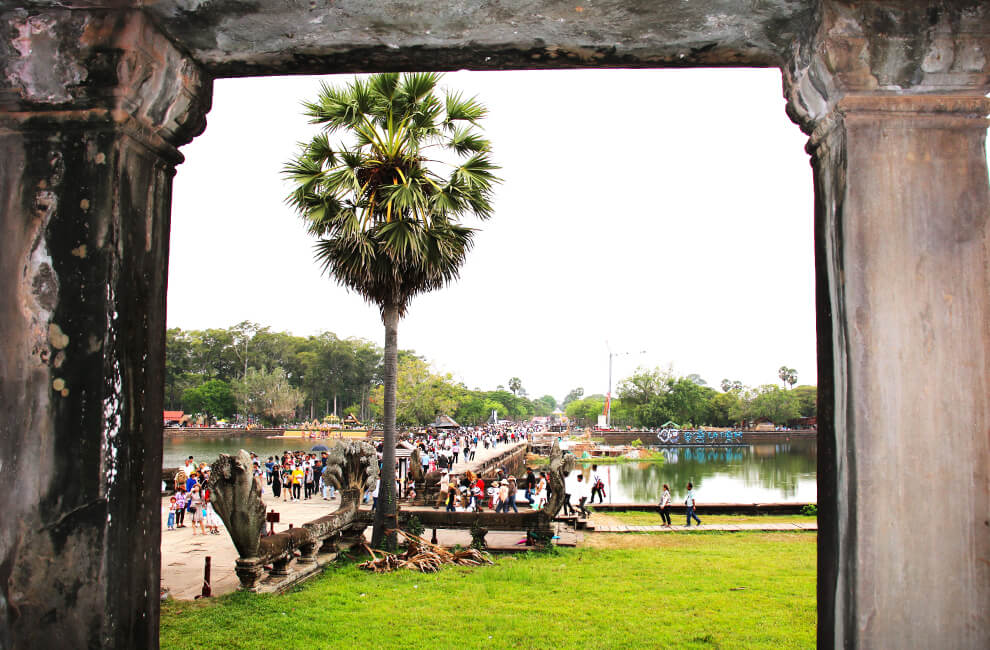
Best Local Travel Spots in Siem Reap: A Comprehensive Guide

Siem Reap, a city in northwestern Cambodia, is a treasure trove of cultural, historical, and natural wonders. Known primarily as the gateway to the ancient Angkor Wat temple complex, Siem Reap offers much more than just its iconic temples. Whether you’re a history buff, a nature lover, or a food enthusiast, Siem Reap has something for everyone. In this article, we’ll explore the best local travel spots in Siem Reap that you shouldn’t miss on your next visit.

Angkor Wat: The Crown Jewel of Siem Reap

No visit to Siem Reap is complete without exploring the majestic Angkor Wat. This UNESCO World Heritage Site is the largest religious monument in the world and a symbol of Cambodia. Built in the 12th century by King Suryavarman II, Angkor Wat is a masterpiece of Khmer architecture.

Why Visit Angkor Wat?

  • Historical Significance: Angkor Wat is a testament to the grandeur of the Khmer Empire.
  • Architectural Marvel: The intricate carvings and bas-reliefs depict scenes from Hindu mythology.
  • Sunrise Views: Witnessing the sunrise over Angkor Wat is a once-in-a-lifetime experience.

Tips for Visiting:

  • Best Time to Visit: Early morning to avoid the crowds and heat.
  • Dress Code: Modest clothing is required as it’s a religious site.
  • Guided Tours: Consider hiring a local guide to gain deeper insights into the history and architecture.
Perfect Guide to Visit Angkor Wat

Bayon Temple: The Temple of Smiling Faces

Located within the Angkor Thom complex, Bayon Temple is famous for its 54 towers adorned with over 200 smiling faces of Avalokiteshvara, the Bodhisattva of compassion.

Why Visit Bayon Temple?

  • Unique Architecture: The smiling faces are a unique feature not found in other temples.
  • Historical Context: Bayon was the last state temple built in the Angkor complex.
  • Photography: The temple offers excellent photo opportunities, especially during the golden hour.

Tips for Visiting:

  • Explore the Bas-Reliefs: The walls are covered with intricate carvings depicting historical events and daily life.
  • Combine with Other Temples: Bayon is often visited along with other temples in the Angkor Thom complex, such as Baphuon and the Terrace of the Elephants.
Bayon Temple in Siem Reap

Ta Prohm: The Jungle Temple

Ta Prohm, also known as the “Tomb Raider Temple,” is famous for its enchanting blend of nature and architecture. The temple is partially engulfed by towering trees and roots, creating a surreal atmosphere.

Why Visit Ta Prohm?

  • Natural Beauty: The intertwining trees and ruins make for a magical setting.
  • Film Fame: Ta Prohm gained international fame after being featured in the movie “Tomb Raider.”
  • Serene Atmosphere: The temple is less crowded compared to Angkor Wat, offering a more peaceful experience.

Tips for Visiting:

  • Wear Comfortable Shoes: The terrain can be uneven and slippery.
  • Early Morning or Late Afternoon: Visit during these times for the best lighting and fewer tourists.
  • Respect the Site: Avoid climbing on the ruins to preserve this historical treasure.
Bayon Temple in Siem Reap

Tonle Sap Lake: A Floating Village Experience

Tonle Sap Lake is the largest freshwater lake in Southeast Asia and a vital resource for the local communities. The lake is home to several floating villages, where you can witness the unique way of life of the people who live on the water.

Why Visit Tonle Sap Lake?

  • Cultural Insight: Experience the daily lives of the local fishermen and their families.
  • Biodiversity: The lake is a haven for birdwatchers, with numerous species of birds and fish.
  • Scenic Beauty: The vast expanse of water and the surrounding landscapes are breathtaking.

Tips for Visiting:

  • Boat Tours: Take a guided boat tour to explore the floating villages and learn about the local culture.
  • Best Time to Visit: The dry season (November to April) is ideal for visiting the lake.
  • Support Local Communities: Consider purchasing handmade crafts or souvenirs from the local vendors.
Visit Floating Village

Phnom Kulen National Park: A Natural Retreat

Phnom Kulen National Park, located about 50 kilometers from Siem Reap, is a sacred mountain and a popular destination for both locals and tourists. The park is home to waterfalls, ancient temples, and the famous Reclining Buddha.

Why Visit Phnom Kulen National Park?

  • Natural Beauty: The park offers stunning landscapes, including waterfalls and lush forests.
  • Historical Sites: Visit the ancient temples and the Reclining Buddha carved into the mountain.
  • Spiritual Significance: Phnom Kulen is considered a holy mountain by the Cambodian people.

Tips for Visiting:

  • Hiking: Wear comfortable shoes and be prepared for some hiking to reach the waterfalls and temples.
  • Picnic: Bring a picnic and enjoy a meal amidst nature.
  • Local Guides: Hiring a local guide can enhance your experience and provide valuable insights into the park’s history and significance.
Richard at Kulen Waterfall

Artisans Angkor: A Hub of Cambodian Craftsmanship

Artisans Angkor is a social enterprise that promotes traditional Khmer crafts and provides employment opportunities to local artisans. Visitors can tour the workshops and see skilled craftsmen at work, creating beautiful silk products, wood carvings, and stone sculptures.

Why Visit Artisans Angkor?

  • Cultural Preservation: Support the preservation of traditional Khmer crafts.
  • Unique Souvenirs: Purchase high-quality, handmade products directly from the artisans.
  • Educational Experience: Learn about the techniques and processes involved in creating these crafts.

Tips for Visiting:

  • Guided Tours: Take a guided tour to gain a deeper understanding of the craftsmanship.
  • Shopping: Allocate some time to browse the on-site shop for unique gifts and souvenirs.
  • Workshops: Check if any workshops or demonstrations are available during your visit.

Pub Street: The Heart of Siem Reap’s Nightlife

Pub Street is the epicenter of Siem Reap’s nightlife, offering a vibrant atmosphere with a wide range of bars, restaurants, and street food vendors. It’s the perfect place to unwind after a day of exploring the temples.

Why Visit Pub Street?

  • Diverse Cuisine: Enjoy a variety of local and international dishes.
  • Nightlife: Experience the lively nightlife with music, dancing, and entertainment.
  • Street Food: Don’t miss the opportunity to try local street food delicacies.

Tips for Visiting:

  • Evening Visit: Pub Street comes alive in the evening, so plan to visit after sunset.
  • Bargain Shopping: Explore the nearby markets for souvenirs and handicrafts.
  • Stay Hydrated: The tropical climate can be dehydrating, so drink plenty of water.
Pub Street SiemReap

Green Village or Cambodian Cultural Village: A Glimpse into Khmer Heritage

The Cambodian Cultural Village is an open-air museum that showcases the diverse cultures and traditions of Cambodia. The village features replicas of traditional houses, cultural performances, and exhibits on Khmer history.

Why Visit Cambodian Cultural Village?

  • Cultural Immersion: Gain a deeper understanding of Cambodia’s rich cultural heritage.
  • Live Performances: Enjoy traditional dance, music, and theatrical performances.
  • Family-Friendly: The village is a great destination for families with children.

Tips for Visiting:

  • Allocate Time: Plan to spend a few hours exploring the various exhibits and performances.
  • Interactive Experiences: Participate in hands-on activities and workshops.
  • Photography: Capture the vibrant costumes and performances, but always ask for permission before photographing people.

Conclusion

Siem Reap is a destination that offers a perfect blend of history, culture, and natural beauty. From the awe-inspiring temples of Angkor to the serene landscapes of Tonle Sap Lake, there’s no shortage of incredible experiences to be had. Whether you’re exploring ancient ruins, immersing yourself in local culture, or simply enjoying the vibrant nightlife, Siem Reap promises an unforgettable journey.

So, pack your bags and get ready to explore the best local travel spots in Siem Reap. With so much to see and do, you’ll leave with memories that will last a lifetime. Don’t forget to share your experiences and photos with us at VisitLocalTravel.com – we’d love to hear about your adventures!
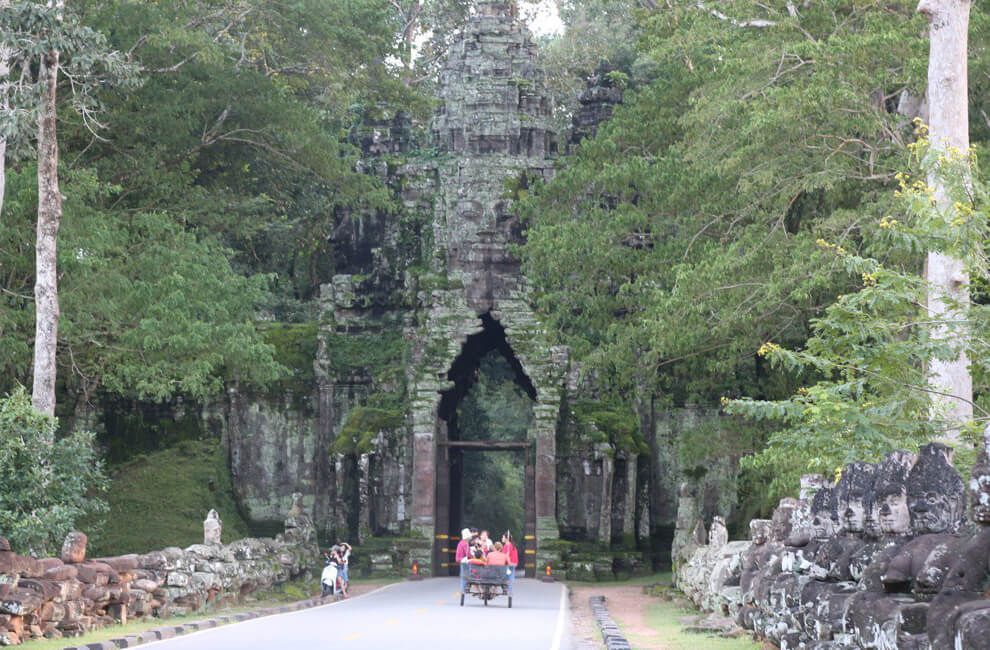
How to Travel Like a Local: Insider Tips for Authentic Experiences

Traveling is one of life’s greatest joys, but there’s a big difference between being a tourist and travel like a local. While popular landmarks and tourist hotspots have their charm, the true essence of a destination lies in its hidden gems, local culture, and everyday life. If you’re looking to ditch the guidebooks and experience a place as the locals do, you’ve come to the right place. Here are insider tips to help you travel like a local and create unforgettable, authentic experiences.

Do Your Research Before You Go

Traveling like a local starts long before you board the plane. Research is key to understanding the culture, customs, and nuances of your destination. Instead of focusing solely on famous attractions, dig deeper into the local lifestyle.

  • Follow Local Blogs and Social Media: Look for blogs, Instagram accounts, or YouTube channels run by locals. They often share hidden spots, seasonal events, and insider tips that you won’t find in mainstream travel guides .
  • Learn Basic Phrases: Even if you’re visiting a country where English is widely spoken, learning a few phrases in the local language can go a long way. It shows respect and often opens doors to more authentic interactions.
  • Understand Cultural Norms: Every culture has its own etiquette. For example, in Japan, it’s polite to bow when greeting someone, while in Italy, it’s common to greet people with a kiss on both cheeks. Knowing these nuances will help you blend in and avoid unintentional faux pas.
Participate in Local Activities

Stay in Local Accommodations

Where you stay can significantly impact your travel experience. Instead of booking a chain hotel, opt for accommodations that offer a more local vibe.

  • Rent an Apartment: Platforms like Airbnb or Vrbo allow you to stay in residential neighborhoods, giving you a taste of daily life. You’ll have access to a kitchen, which is perfect for cooking with local ingredients.
  • Try a Homestay: Staying with a local family is one of the best ways to immerse yourself in the culture. You’ll gain firsthand insights into their traditions, cuisine, and way of life.
  • Book Boutique Hotels or Guesthouses: Smaller, locally-owned accommodations often have more character and personalized service. They’re also more likely to be located in less touristy areas.
Chanmol Farm Stay

Use Public Transportation

One of the easiest ways to travel like a local is to use public transportation. Not only is it cost-effective, but it also gives you a glimpse into the daily routines of residents.

  • Take the Bus or Train: Whether it’s a double-decker bus in London, a tuk-tuk in Bangkok, or a subway in New York, public transport is a window into local life. Pay attention to how people interact and observe the rhythm of the city.
  • Rent a Bike: Many cities around the world are bike-friendly, and cycling is a great way to explore at your own pace. It’s also eco-friendly and allows you to discover hidden alleys and parks.
  • Walk Whenever Possible: Walking is the best way to soak in the atmosphere of a place. You’ll stumble upon charming cafes, street art, and markets that you might otherwise miss.

Eat Where the Locals Eat

Food is a universal language and a cornerstone of any culture. To truly travel like a local, you need to eat like one.

  • Avoid Tourist Traps: Restaurants near major attractions often cater to tourists and may lack authenticity. Instead, venture a few blocks away to find where the locals dine.
  • Visit Markets: Local markets are a treasure trove of fresh produce, street food, and regional specialties. Strike up a conversation with vendors and ask for their recommendations.
  • Try Street Food: Some of the best meals you’ll have will come from street vendors. Whether it’s tacos in Mexico, banh mi in Vietnam, or kebabs in Turkey, street food is affordable, delicious, and deeply rooted in local culture.
  • Take a Cooking Class: Learning to cook local dishes is a fun and interactive way to connect with the culture. Plus, you’ll take home a skill that allows you to recreate your favorite meals.
Khmer Cuisine, Khmer Foods

Embrace Slow Travel

Traveling like a local isn’t about ticking off a checklist of attractions. It’s about slowing down and savoring the experience.

  • Spend More Time in Fewer Places: Instead of hopping from city to city, choose a few destinations and spend more time in each. This allows you to develop a deeper connection with the place and its people.
  • Create a Flexible Itinerary: Leave room for spontaneity. Some of the best experiences happen when you wander off the beaten path or accept an invitation from a local.
  • Observe Daily Life: Sit in a park, visit a neighborhood cafe, or attend a community event. These simple activities can provide a richer understanding of the local culture.

Connect with Locals

The people you meet can make or break your travel experience. Building genuine connections with locals will give you insights that no guidebook can provide.

  • Use Social Platforms: Apps like Meetup, Couchsurfing, or even Facebook groups can help you connect with locals who share your interests. You might find language exchange meetups, hiking groups, or cultural events.
  • Ask for Recommendations: Don’t be afraid to strike up a conversation with a local. Ask for their favorite restaurant, hidden gem, or must-see spot. Most people are happy to share their knowledge.
  • Volunteer or Join a Workshop: Volunteering or participating in a local workshop is a great way to give back to the community while learning new skills. Whether it’s farming, pottery, or teaching, these experiences create meaningful connections.
Good Tour Guide

Explore Beyond the Tourist Hotspots

While iconic landmarks are worth visiting, don’t limit yourself to the well-trodden path. Some of the most memorable experiences happen off the beaten track.

  • Visit Lesser-Known Neighborhoods: Explore residential areas, suburbs, or smaller towns nearby. These places often have a more authentic vibe and fewer crowds.
  • Seek Out Local Events: Check out festivals, markets, or performances that are happening during your visit. These events offer a glimpse into the local culture and traditions.
  • Go on a Day Trip: Many destinations have nearby villages, natural wonders, or historical sites that are overlooked by tourists. Renting a car or joining a local tour can help you discover these hidden treasures.

Respect the Local Culture

Traveling like a local isn’t just about blending in it’s also about showing respect for the culture and people who call the place home.

  • Dress Appropriately: In some cultures, modest clothing is expected, especially when visiting religious sites. Research the dress code beforehand to avoid offending locals.
  • Be Mindful of Your Behavior: Avoid loud conversations, littering, or other behaviors that might be considered disrespectful. Remember, you’re a guest in someone else’s home.
  • Support Local Businesses: Choose locally-owned shops, restaurants, and tour operators over international chains. Your money will go directly to the community and help sustain their way of life.

Keep an Open Mind

Traveling like a local requires flexibility and an open mind. Embrace the unexpected and be willing to step out of your comfort zone.

  • Try New Things: Whether it’s a strange-looking dish, a traditional dance, or a local custom, say yes to new experiences. You might discover something you love.
  • Be Patient: Things might not always go as planned, and that’s okay. Delays, language barriers, and cultural differences are all part of the adventure.
  • Stay Curious: Ask questions, listen to stories, and immerse yourself in the local way of life. The more curious you are, the richer your experience will be.
Phnom Sompov Bats Cave

Document Your Journey

While traveling like a local is about living in the moment, it’s also important to capture your memories.

  • Take Photos Mindfully: Instead of focusing solely on landmarks, photograph everyday scenes, local faces, and small details that tell a story.
  • Keep a Journal: Write about your experiences, interactions, and observations. Reflecting on your journey will help you appreciate the depth of your adventures.
  • Share Responsibly: If you’re sharing your travels on social media, be mindful of overexposing hidden gems or sacred sites. Respect the privacy and wishes of the locals.

Final Thoughts

Traveling like a local is about more than just seeing a new place it’s about experiencing it. By immersing yourself in the culture, connecting with locals, and exploring beyond the tourist trail, you’ll create memories that last a lifetime. So, pack your bags, leave the guidebook behind, and get ready to see the world through the eyes of those who call it home. After all, the best adventures are the ones that feel like coming home, even when you’re far away.

By following these insider tips, you’ll not only enrich your travels but also gain a deeper appreciation for the diversity and beauty of our world. Happy travels!