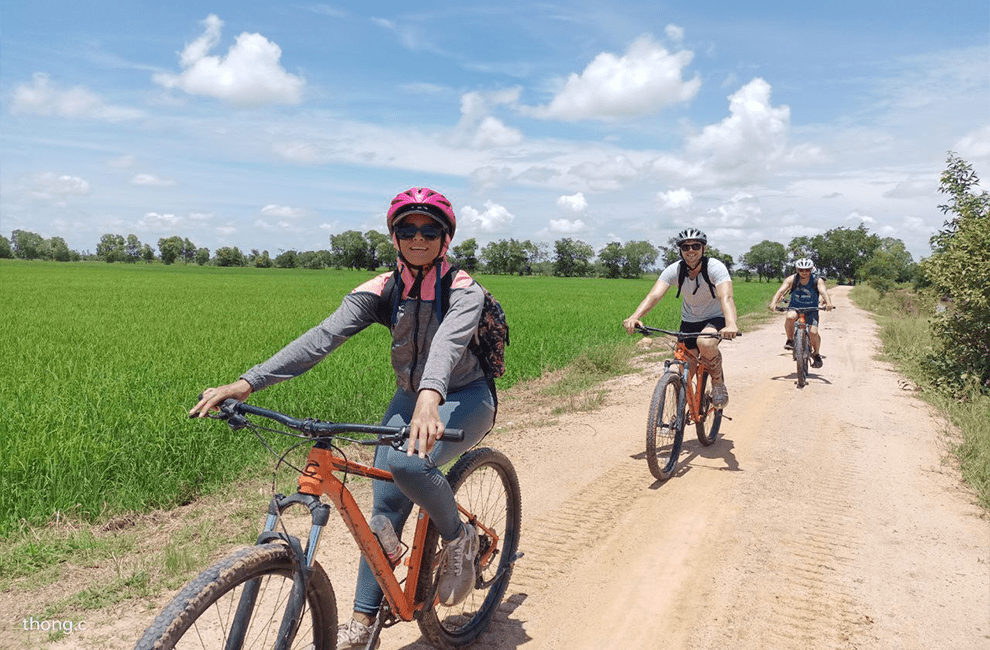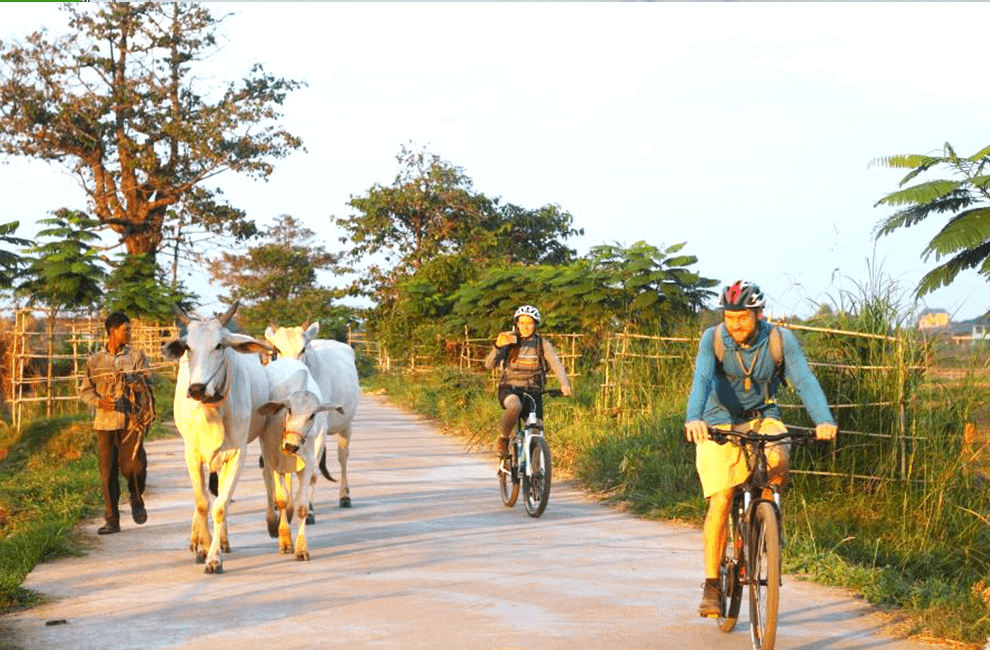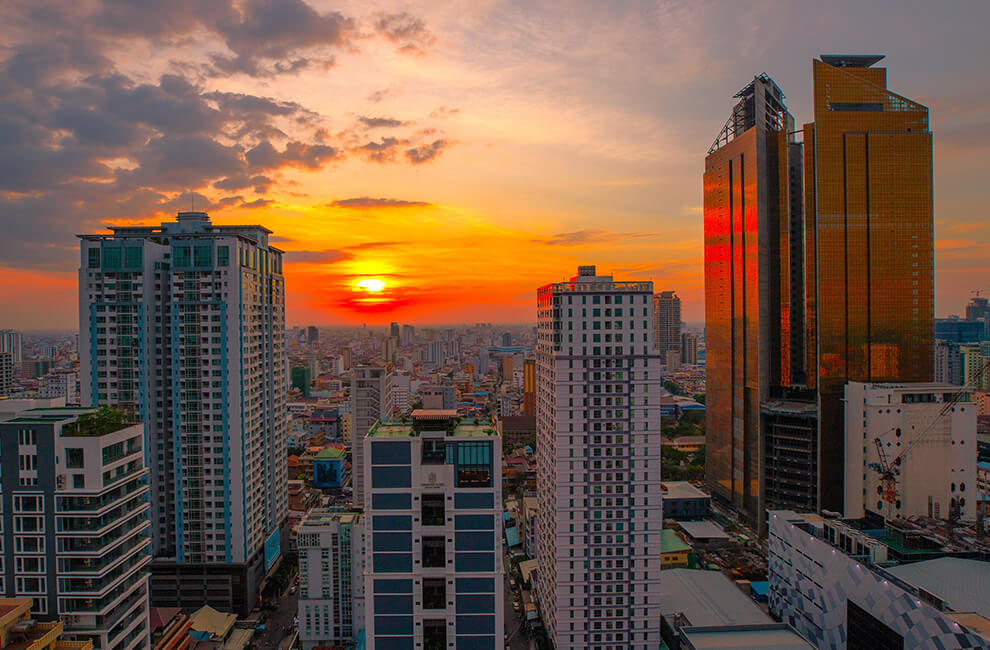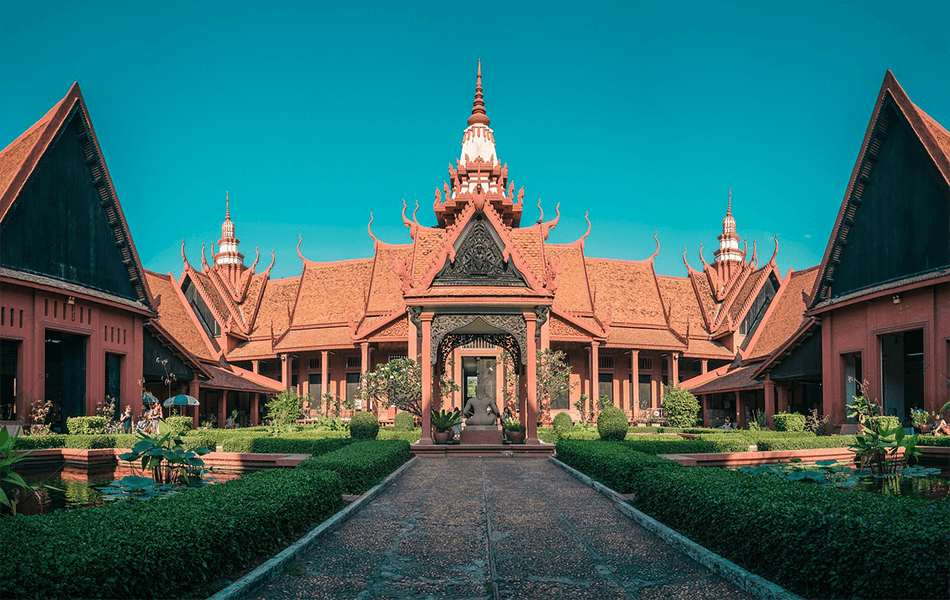
Bike Adventure Safety Tips: Ride Smart, Stay Safe in Cambodia

Cambodia, with its stunning landscapes, ancient temples, and vibrant culture, is a dream destination for bike adventurers. From the bustling streets of Phnom Penh to the serene countryside and the iconic Angkor Wat, biking through Cambodia offers an unforgettable experience. However, like any adventure, it comes with its own set of challenges and risks. To ensure you have a safe and enjoyable journey, it’s crucial to be well-prepared and informed. Here are some essential bike adventure safety tips to help you ride smart and stay safe in Cambodia.

Plan Your Route Carefully

Before embarking on your bike adventure, take the time to plan your route. Cambodia’s roads can vary from well-paved highways to rugged dirt trails, so knowing what to expect is key. Use reliable maps or GPS apps like Google Maps or Maps.me to chart your course. Consider the following:

  • Distance and Terrain: Be realistic about your fitness level and choose routes that match your biking skills.
  • Weather Conditions: Cambodia’s tropical climate means heavy rains during the monsoon season (May to October). Check the weather forecast and avoid biking during storms or floods.
  • Road Conditions: Some rural areas may have poorly maintained roads or no roads at all. Research your route to avoid unexpected challenges.
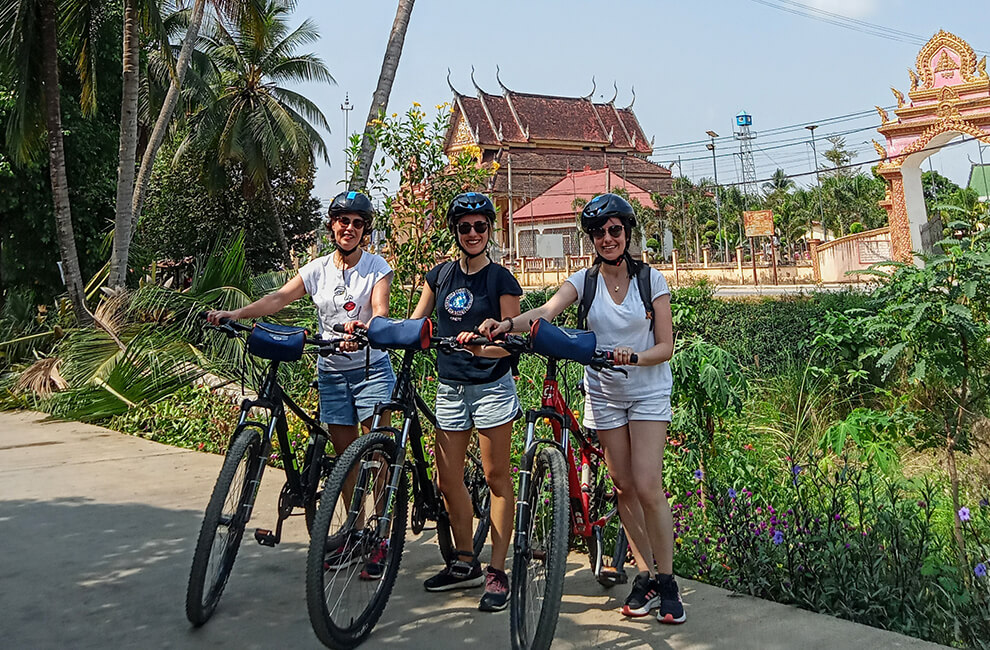
Bike Adventure Safety Tips

Choose the Right Bike

Your bike is your most important piece of equipment, so choose wisely. Depending on your route, you may need a sturdy mountain bike for off-road trails or a reliable road bike for smoother surfaces. Here are some tips:

  • Rent or Bring Your Own: If you’re renting a bike in Cambodia , inspect it thoroughly for any damage or mechanical issues. If you’re bringing your own, ensure it’s in top condition before your trip.
  • Tires and Brakes: Opt for puncture-resistant tires and ensure your brakes are functioning properly.
  • Comfort: Adjust your bike to fit your body, including the seat height and handlebars, to avoid discomfort or injury.

Koh Trong Bike Tour

4 hours

Kratie half day bike Tour

$45

Cambodia Expedition

7 Days – 6 Nights

Siem Reap, Kratie, Phnom Penh

$1,253

Wear Proper Safety Gear

Safety should always come first, especially when biking in unfamiliar terrain. Here’s what you need:

  • Helmet: A well-fitted helmet is non-negotiable. It can save your life in case of an accident.
  • Reflective Clothing: Wear bright or reflective clothing to increase your visibility, especially if you’re biking at dawn, dusk, or night.
  • Gloves and Padded Shorts: These can protect your hands and reduce discomfort during long rides.
  • Eye Protection: Sunglasses or clear goggles can shield your eyes from dust, insects, and harsh sunlight.

Stay Hydrated and Fuel Up

Cambodia’s hot and humid climate can quickly lead to dehydration and exhaustion. Keep these tips in mind:

  • Carry Enough Water: Bring at least two liters of water per person, especially if you’re biking in remote areas where water sources may be scarce.
  • Electrolytes: Consider carrying electrolyte tablets or sports drinks to replenish lost salts and minerals.
  • Snacks: Pack energy-boosting snacks like nuts, granola bars, or fresh fruit to keep your energy levels up.
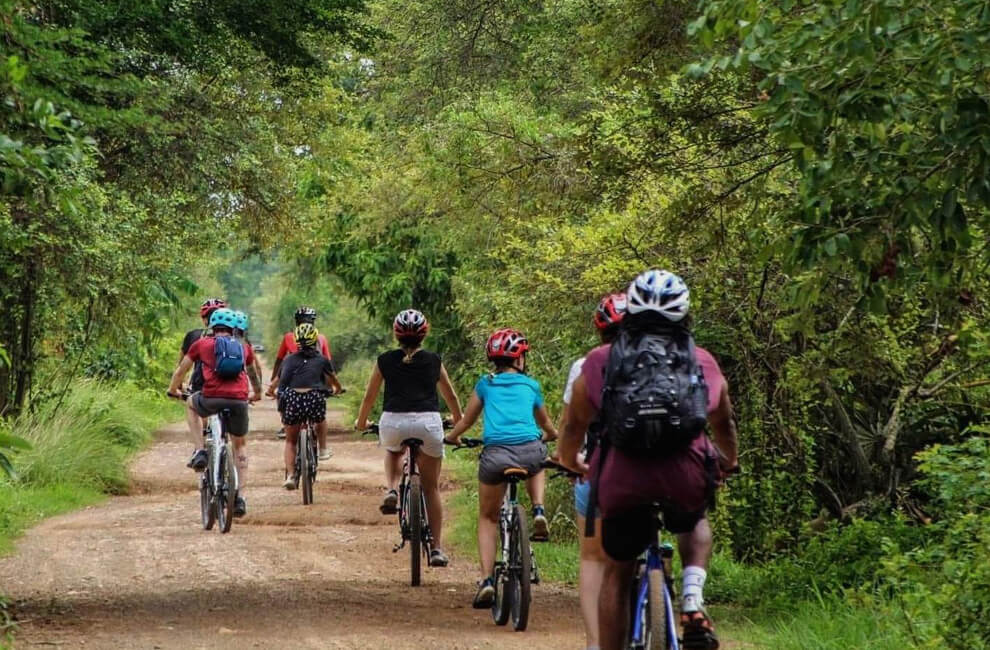
Ride Smart, Stay Safe in Cambodia

Be Aware of Traffic Rules and Local Driving Habits

Cambodia’s traffic can be chaotic, especially in cities like Phnom Penh and Siem Reap. Here’s how to navigate safely:

  • Drive on the Right: In Cambodia, vehicles drive on the right side of the road.
  • Watch for Motorbikes: Motorbikes are the most common mode of transportation and often weave through traffic unpredictably.
  • Avoid Night Riding: Poorly lit roads and erratic driving make biking at night particularly dangerous.
  • Use Hand Signals: Communicate your intentions to other drivers by using clear hand signals when turning or stopping.

Respect Local Customs and Culture

Cambodia is a country rich in culture and tradition. Showing respect for local customs can enhance your experience and keep you safe:

  • Dress Modestly: When visiting temples or rural areas, cover your shoulders and knees to show respect.
  • Ask for Permission: If you’re taking photos of people or their property, always ask for permission first.
  • Learn Basic Khmer Phrases: Knowing a few words in Khmer, such as “hello” (sous-dey) and “thank you” (aw-koon), can go a long way in building rapport with locals.
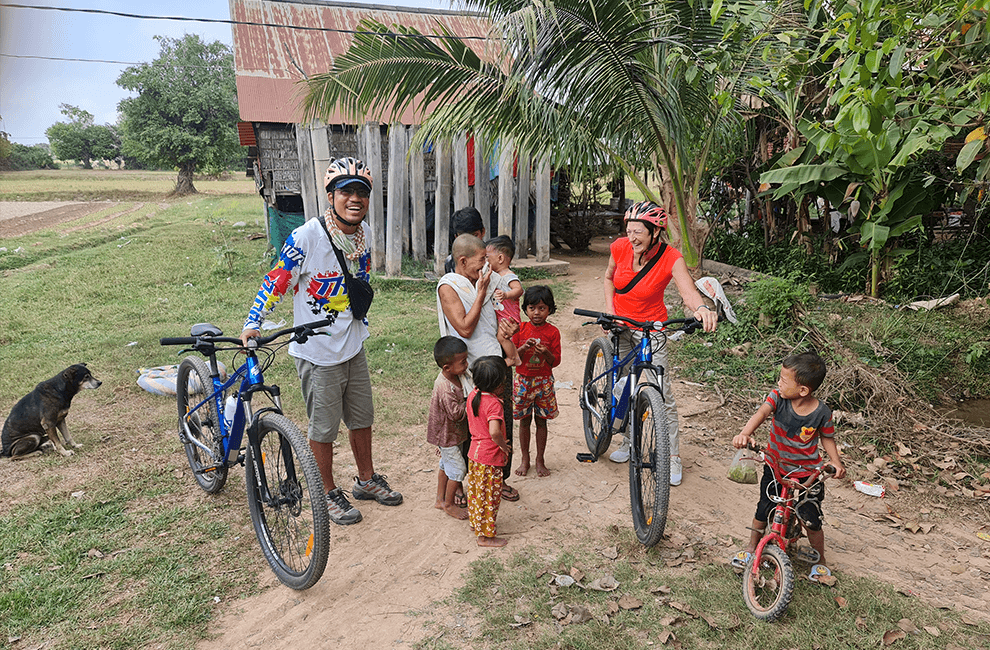
Interact with Local

Carry Essential Tools and Spare Parts

Breakdowns can happen, especially on long rides. Be prepared by carrying the following:

  • Repair Kit: Include a tire patch kit, spare tubes, a multi-tool, and a portable pump.
  • First Aid Kit: Pack bandages, antiseptic wipes, pain relievers, and any personal medications.
  • Phone and Power Bank: Ensure your phone is fully charged and carry a power bank for emergencies.

Stay Connected and Share Your Itinerary

Biking in remote areas can be isolating, so it’s important to stay connected:

  • Share Your Plans: Let someone know your route and expected arrival times.
  • Check-In Regularly: If possible, check in with friends or family at regular intervals.
  • Emergency Contacts: Save local emergency numbers, such as the tourist police (117) and your country’s embassy, in your phone.

Be Mindful of Wildlife and Natural Hazards

Cambodia’s countryside is home to diverse wildlife and natural beauty, but it also has its dangers:

  • Snakes and Insects: Be cautious when biking through grassy or wooded areas. Wear long sleeves and pants to protect against insect bites.
  • Flooded Roads: During the rainy season, some roads may be flooded. Avoid biking through deep water, as it can hide potholes or debris.
  • Sun Protection: Apply sunscreen regularly and wear a hat to protect yourself from the sun’s harsh rays.
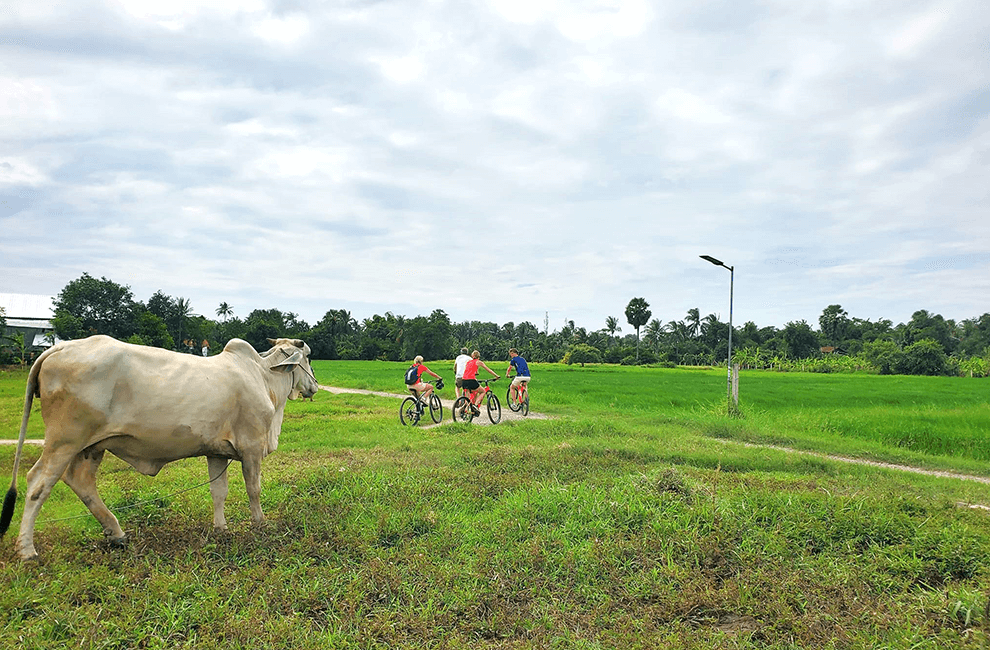
Siem Reap Bicycle Adventure

Travel Insurance is a Must

No matter how well you prepare, accidents can happen. Having travel insurance that covers bike adventures is essential. Look for a policy that includes:

  • Medical Coverage: For injuries or illnesses during your trip.
  • Bike Damage or Theft: To cover the cost of repairs or replacements.
  • Emergency Evacuation: In case you need to be transported to a medical facility.

Explore with a Guided Tour (Optional)

If you’re new to biking or unfamiliar with Cambodia, consider joining a guided bike tour. Local guides can provide valuable insights, ensure your safety, and take you to hidden gems you might otherwise miss.

Trust Your Instincts and Stay Alert

Finally, trust your instincts. If a road or situation feels unsafe, don’t hesitate to turn back or seek an alternative route. Stay alert and aware of your surroundings at all times.
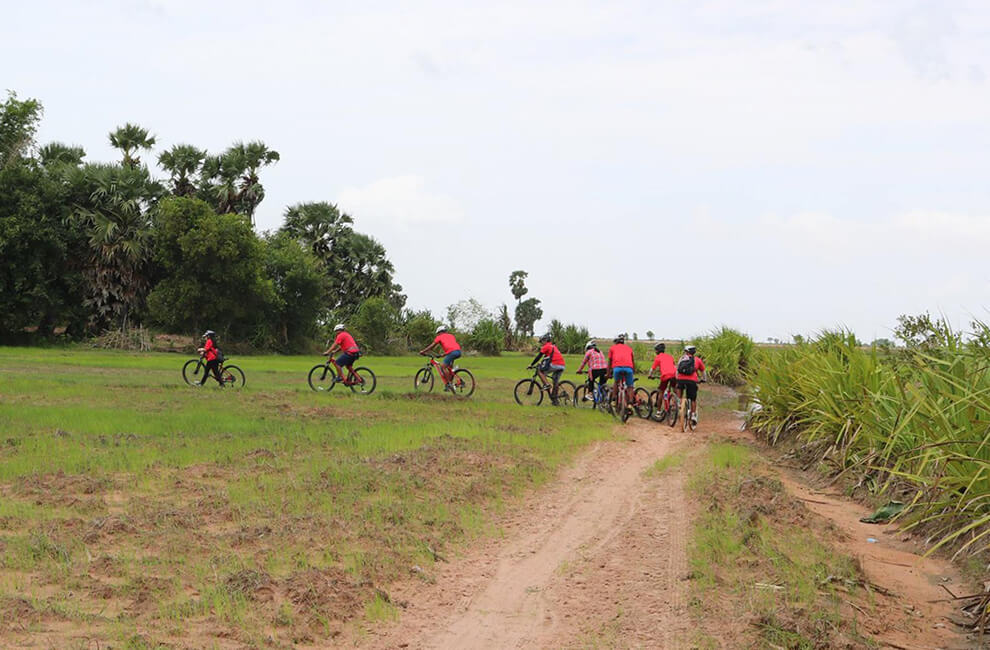
Best Bicycle Adventure Routes Around Siem Reap

Final Thoughts of Bike Adventure Safety Tips

Biking through Cambodia is an incredible way to explore the country’s beauty and culture. By following these safety tips, you can minimize risks and focus on enjoying your adventure. Remember, preparation is key plan your route, equip yourself with the right gear, and stay informed about local conditions. Ride smart, stay safe, and make unforgettable memories on your Cambodian bike adventure!

By incorporating these tips into your travel plans, you’ll not only ensure a safer journey but also enhance your overall experience. Whether you’re a seasoned cyclist or a beginner, Cambodia’s diverse landscapes and warm hospitality await you. Happy biking!
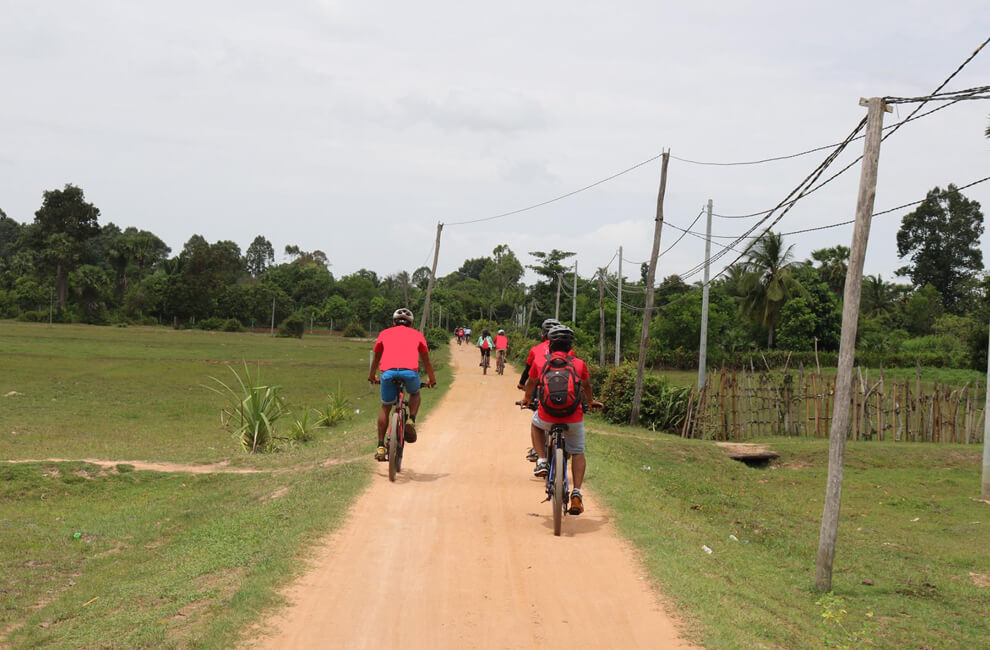
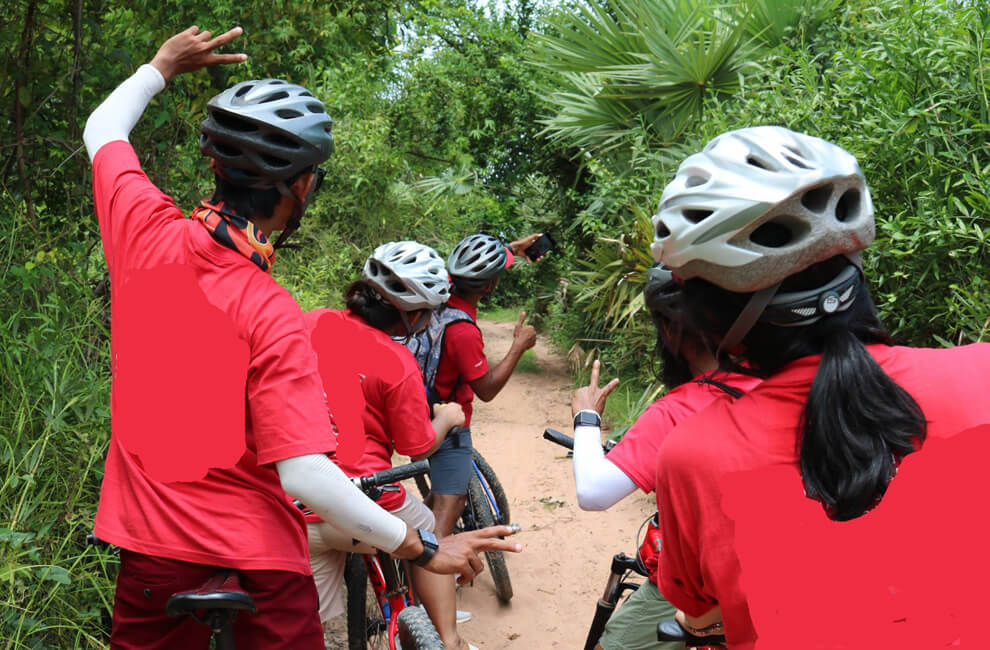
Angkor Wat by Bike: A Unique Way to Explore the Temple Complex

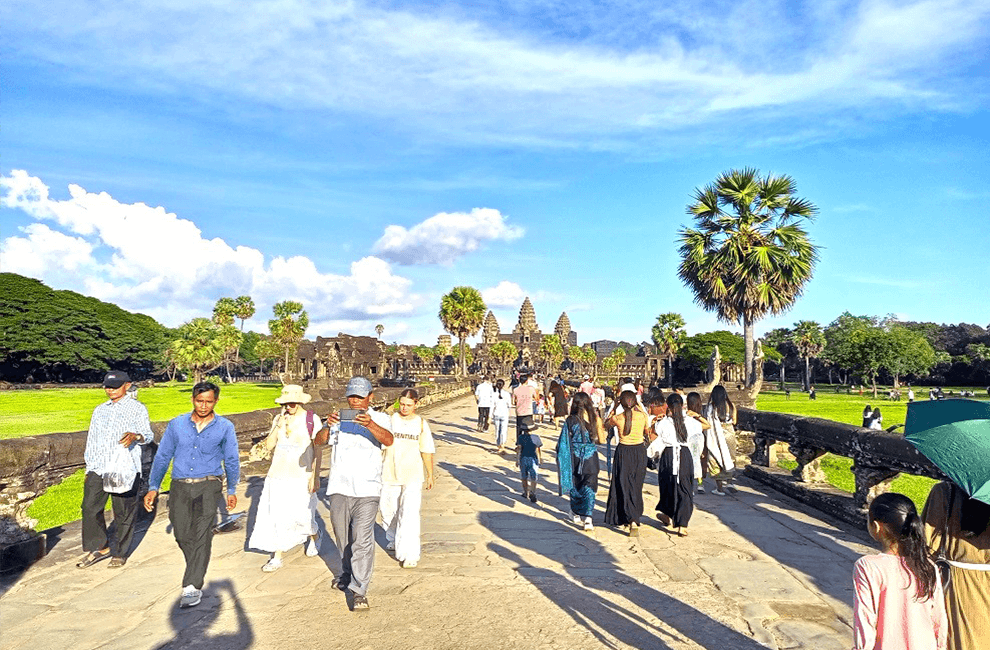
Angkor Wat, the crown jewel of Cambodia, is a UNESCO World Heritage Site and one of the most iconic archaeological wonders in the world. Every year, millions of tourists flock to this ancient temple complex to marvel at its intricate carvings, towering spires, and rich history. While most visitors explore Angkor Wat by tuk-tuk, car, or on foot, there’s a unique and eco-friendly way to experience the Angkor Wat by bike. Cycling through Angkor Wat offers an intimate, immersive, and unforgettable adventure that allows you to connect with the temple complex in a way that few others do.

In this article, we’ll explore why biking through Angkor Wat is a must-do experience, how to plan your trip, and what to expect along the way.

Why Explore Angkor Wat by Bike?

1. Eco-Friendly and Sustainable Travel

Cycling is one of the most environmentally friendly ways to explore Angkor Wat. By choosing a bike over a motorized vehicle, you reduce your carbon footprint and contribute to the preservation of this ancient site. As sustainable travel becomes increasingly important, biking through Angkor Wat is a great way to align your adventure with eco-conscious values.

2. Freedom and Flexibility

When you explore Angkor Wat by bike, you have the freedom to set your own pace and itinerary. Unlike guided tours or tuk-tuk rides, cycling allows you to stop whenever and wherever you want. Whether it’s to take a photo, admire a hidden carving, or simply soak in the atmosphere, biking gives you the flexibility to create your own unique experience.

Bike Adventure Inspiration

3. A Closer Connection to Nature and History

Cycling through the temple complex allows you to experience Angkor Wat in a more intimate way. As you pedal through the lush jungle trails, you’ll feel the cool breeze, hear the sounds of nature, and witness the temples emerge from the foliage. This slower, more deliberate mode of travel helps you appreciate the beauty and grandeur of Angkor Wat on a deeper level.

4. Avoiding the Crowds

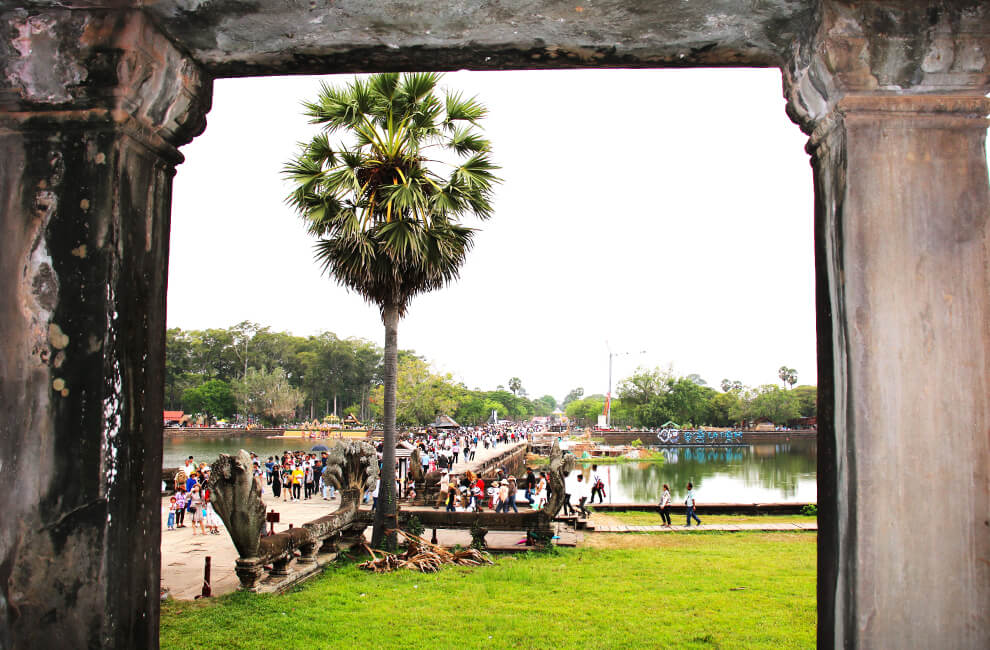
Angkor Wat is one of the most visited tourist destinations in the world, and certain areas can get crowded, especially during peak hours. By starting your day early on a bike, you can beat the crowds and enjoy the temples in relative solitude. Many of the lesser-known temples and pathways are also more accessible by bike, allowing you to discover hidden gems away from the main tourist routes.

Planning Your Angkor Wat Bike Adventure

1. Choosing the Right Bike

When planning your Angkor Wat bike tour, it’s important to choose the right bike. Most rental shops in Siem Reap offer a variety of options, including mountain bikes, hybrid bikes, and even electric bikes for those who want a little extra assistance. Make sure your bike is in good condition, with working brakes, gears, and a comfortable seat. Helmets are also recommended for safety.

2. Best Time to Visit

The best time to explore Angkor Wat by bike is during the dry season, which runs from November to March. During this period, the weather is cooler, and the trails are less muddy, making for a more enjoyable cycling experience. Start your day early (around 5:00 AM) to catch the sunrise over Angkor Wat and avoid the midday heat.

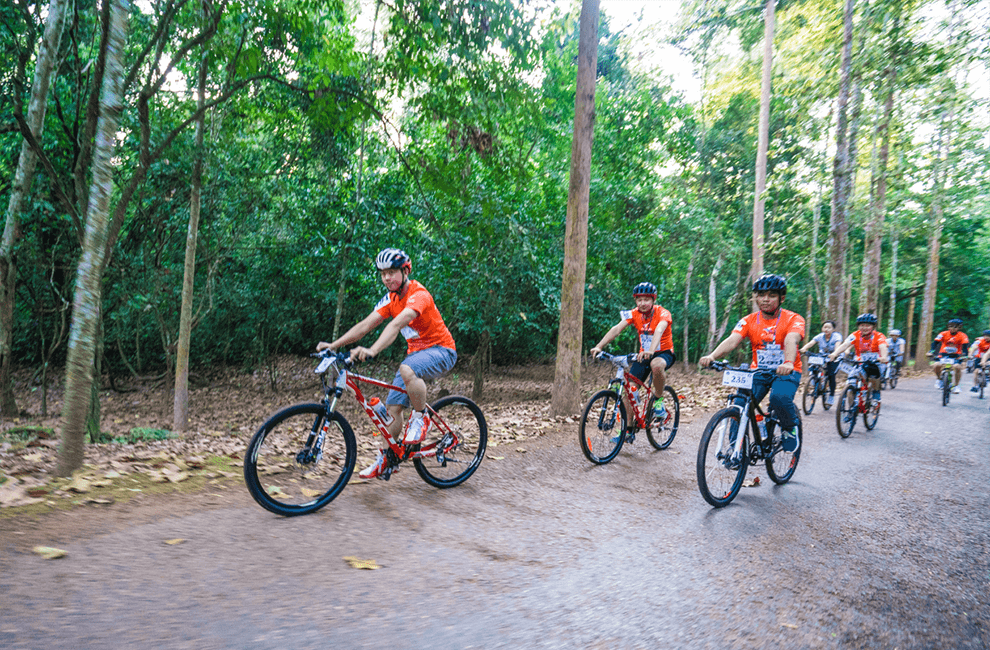
Siem Reap Bicycle Adventure

3. Route Options

There are several routes you can take when exploring Angkor Wat by bike , depending on your fitness level and interests. Here are a few popular options:

  • The Small Circuit (17 km): This route covers the main highlights of Angkor Wat, including Angkor Thom, Bayon Temple, and Ta Prohm (the “Tomb Raider” temple). It’s perfect for first-time visitors and those who want a shorter ride.
  • The Grand Circuit (26 km): This longer route takes you to some of the outer temples, such as Preah Khan and Neak Pean. It’s ideal for those who want to explore beyond the main tourist areas and enjoy a more challenging ride.
  • Off-the-Beaten-Path Routes: For adventurous cyclists, there are numerous trails that lead to lesser-known temples and remote areas of the complex. These routes offer a more secluded and authentic experience.

4. What to Bring

  • Water: Staying hydrated is crucial, especially in the Cambodian heat. Bring at least 2 liters of water per person.
  • Snacks: Pack some energy bars or fruit to keep your energy levels up during the ride.
  • Sunscreen and Hat: Protect yourself from the sun with sunscreen, a hat, and sunglasses.
  • Camera: Don’t forget your camera or smartphone to capture the stunning views and intricate details of the temples.
  • Map or GPS: While the main routes are well-marked, having a map or GPS device can help you navigate the complex more easily.
Best Bicycle Adventure Routes Around Siem Reap, Cambodia

What to Expect During Your Bike Tour

1. Sunrise at Angkor Wat

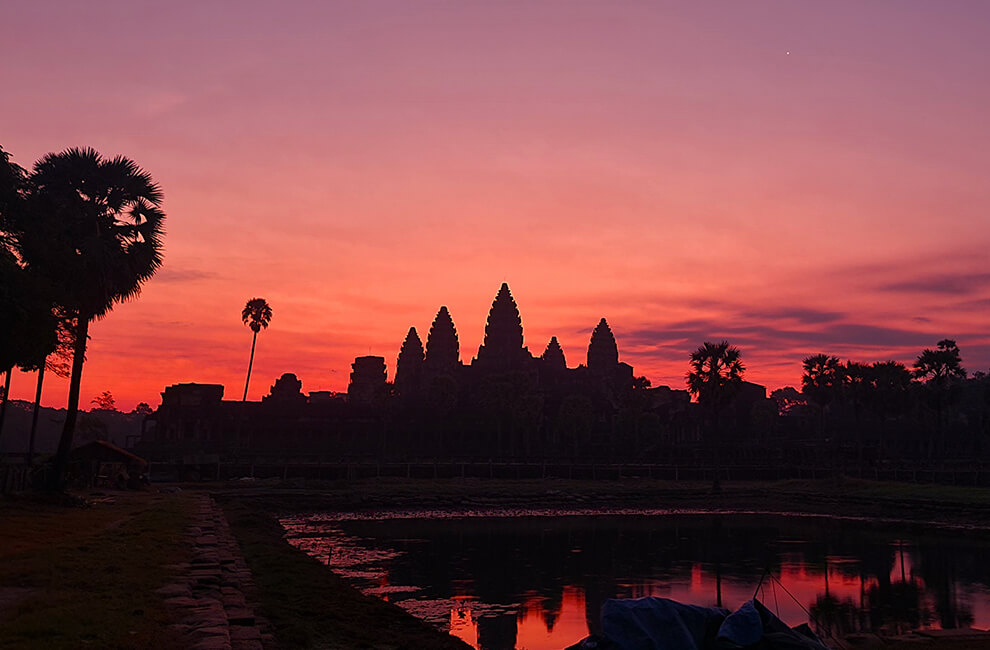
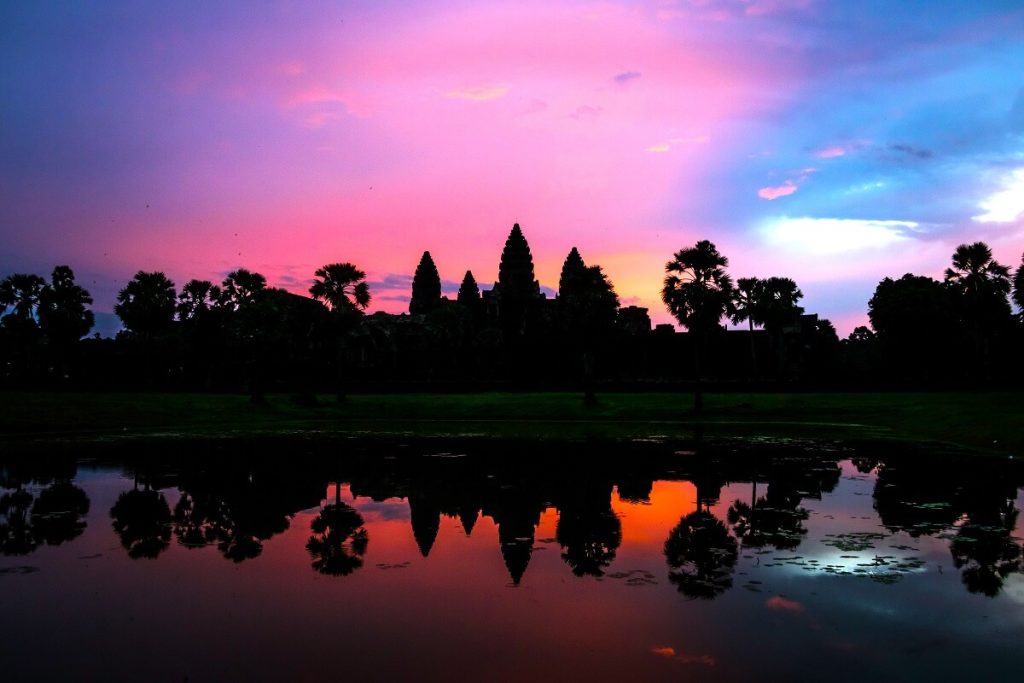
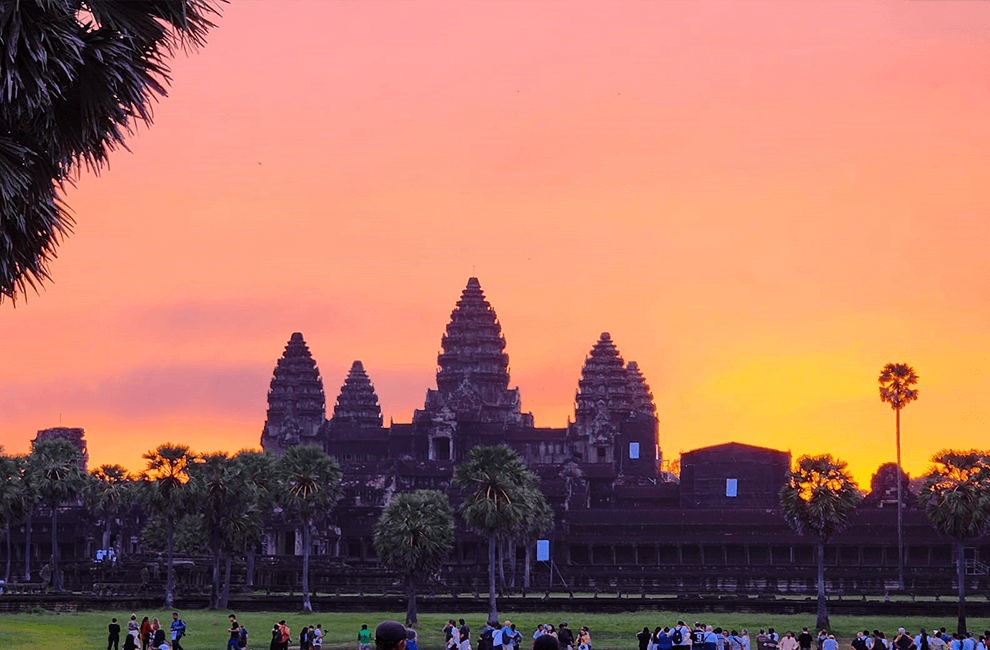
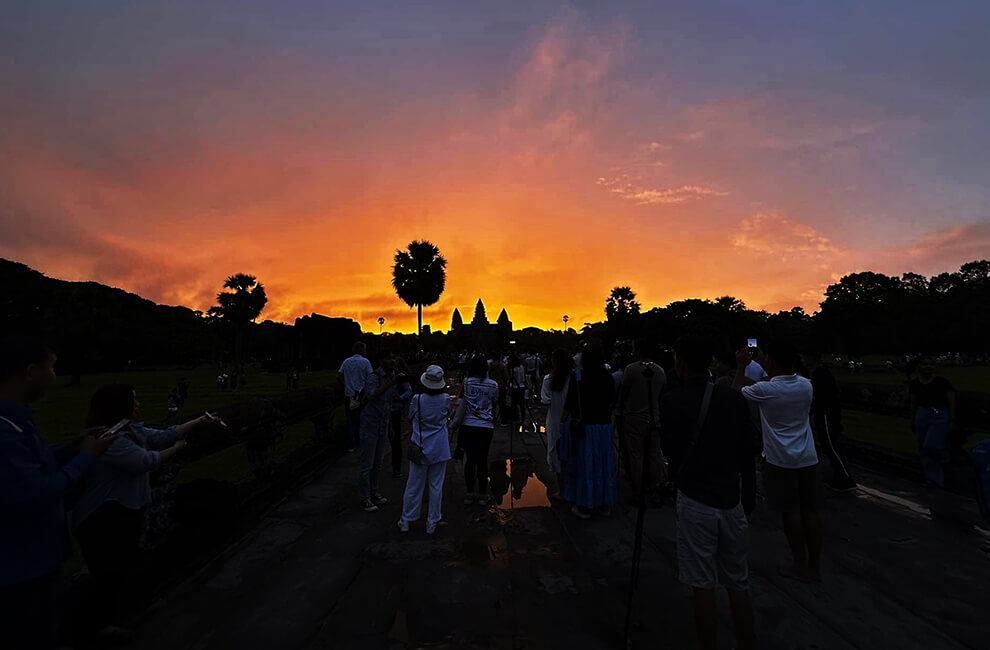
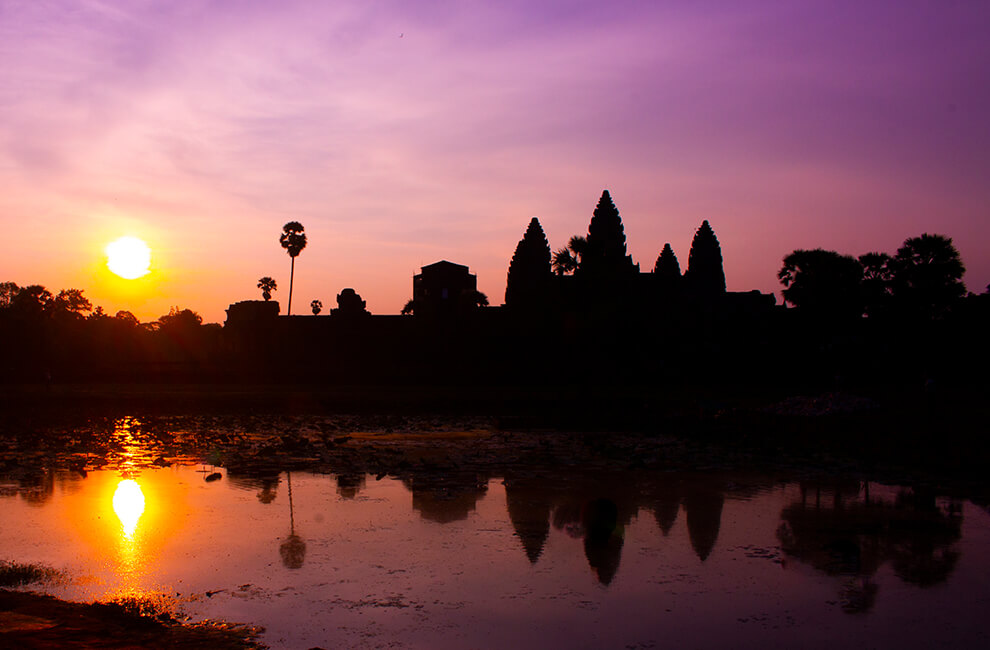
One of the highlights of any visit to Angkor Wat is witnessing the sunrise over the temple’s iconic silhouette. Arriving by bike allows you to beat the crowds and secure a prime spot to watch the sky transform into a canvas of vibrant colors. The reflection of the temple in the surrounding moat adds to the magical experience.

2. Exploring the Temples

As you cycle through the complex, you’ll have the opportunity to explore some of the most famous temples, including:

  • Angkor Wat: The largest and most famous temple in the complex, known for its stunning architecture and intricate bas-reliefs.
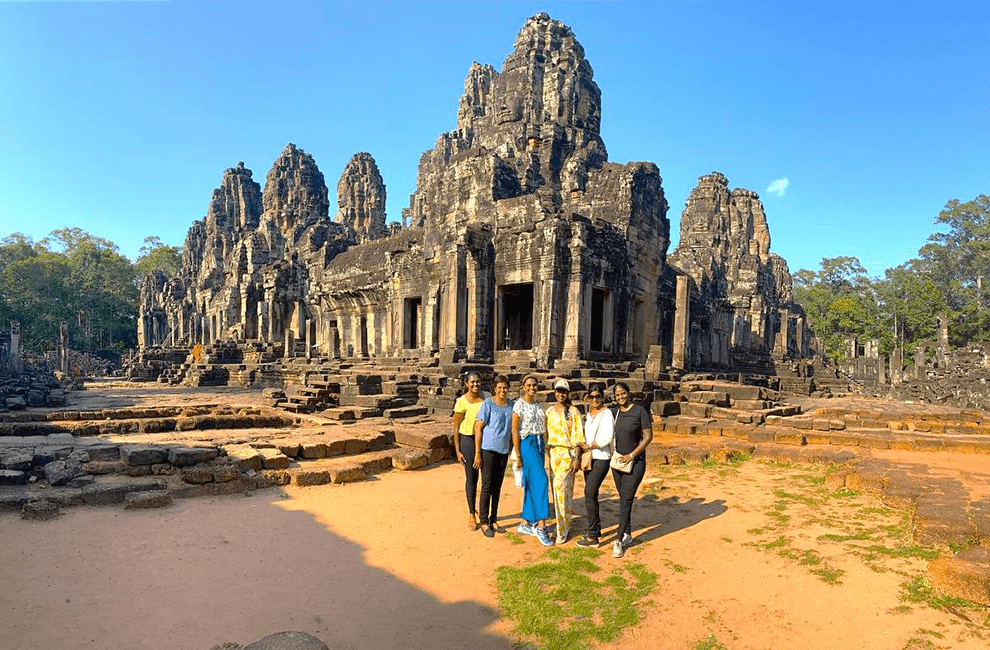
  • Bayon Temple: Located in Angkor Thom, this temple is famous for its massive stone faces that gaze out in all directions.
  • Ta Prohm: Known as the “Jungle Temple,” Ta Prohm is enveloped by towering trees and roots, creating a surreal and otherworldly atmosphere.
  • Banteay Srei: Located further afield, this temple is renowned for its exquisite carvings and pink sandstone construction.

3. Interacting with Locals

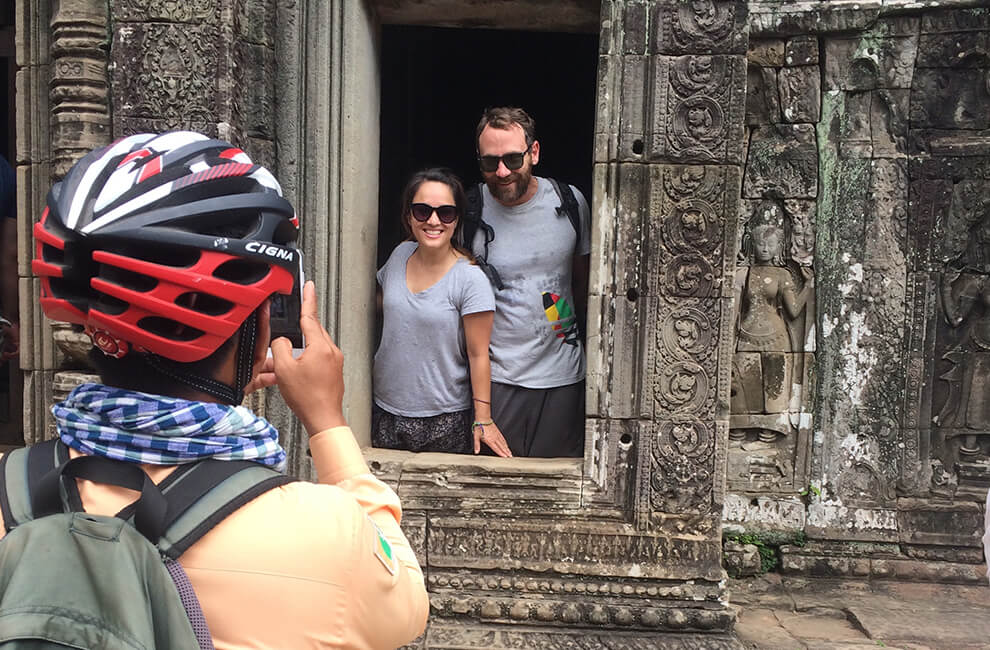
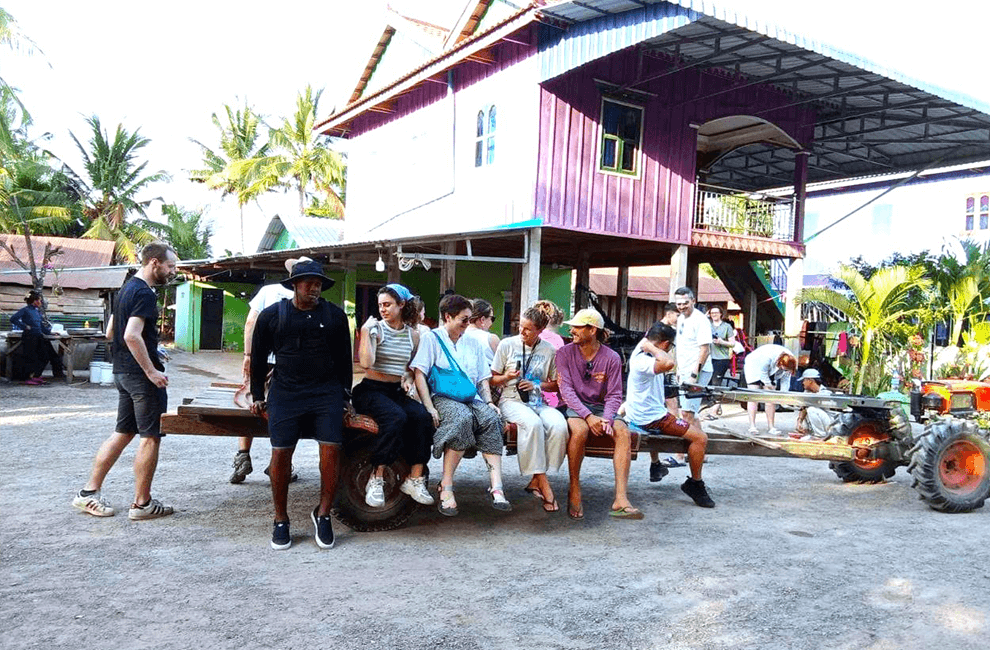
Cycling through Angkor Wat gives you the chance to interact with locals, from friendly vendors selling refreshments to monks going about their daily routines. These encounters add a personal touch to your adventure and provide a glimpse into the local culture.

Interact with Local

4. Challenges and Rewards

While biking through Angkor Wat is a rewarding experience, it does come with its challenges. The heat, humidity, and uneven terrain can make the ride physically demanding. However, the sense of accomplishment you’ll feel after completing your journey, combined with the breathtaking sights you’ll encounter, makes it all worthwhile.

Tips for a Successful Bike Tour

  1. Start Early: Begin your ride before sunrise to avoid the heat and crowds.
  2. Dress Comfortably: Wear lightweight, breathable clothing and comfortable shoes.
  3. Respect the Temples: Remember that Angkor Wat is a sacred site. Dress modestly and follow the rules and guidelines set by the authorities.
  4. Stay Safe: Be mindful of traffic, especially when cycling on the main roads. Stick to designated bike paths whenever possible.
  5. Hire a Guide: If you’re unfamiliar with the area or want to learn more about the history of the temples, consider hiring a local guide.

Final Thoughts

Exploring Angkor Wat by bike is a unique and unforgettable way to experience one of the world’s most awe-inspiring archaeological sites. From the freedom to set your own pace to the intimate connection with nature and history, cycling through the temple complex offers a perspective that few other modes of travel can match. Whether you’re an avid cyclist or a casual rider, biking through Angkor Wat is an adventure that will leave you with lasting memories and a deeper appreciation for this ancient wonder. So, grab your bike, pack your essentials, and get ready to embark on the journey of a lifetime!

Angkor Wat at Night: A Unique and Enchanting Experience

Angkor Wat, the crown jewel of Cambodia and a UNESCO World Heritage Site, is a destination that captivates travelers from around the globe. While most visitors flock to this ancient temple complex during the day to marvel at its grandeur under the sun, few realize that Angkor Wat at night offers an entirely different, yet equally mesmerizing, experience. As the sun sets and the crowds disperse, the temple transforms into a mystical wonderland, illuminated by the soft glow of lights and the shimmering stars above. In this article, we’ll explore why visiting Angkor Wat at night is a must-do experience, what to expect, and how to make the most of your nighttime adventure.

Angkor Wat Open and Close Time

Angkor Wat is opening daily at 5:00 AM, the early morning opening allows visitors to witness the breathtaking sunrise over the temple, while the late afternoon closing time offers stunning sunset views. For a unique experience, consider visiting during the night opening hours, available on select days (usually around the full moon). During this time, the temple is beautifully illuminated, creating a magical atmosphere.

Mostly Angkor Wat is closed at 5:30 PM daily, offering a quieter and more serene experience compared to the daytime crowds. Be sure to check the official schedule for night openings, as they may vary depending on the season and special events. Whether you visit at sunrise , sunset, or under the stars, Angkor Wat promises an unforgettable experience.

Angkor Wat at Night

Why Visit Angkor Wat at Night?

1. A Magical Atmosphere

Angkor Wat at night is a world away from its daytime counterpart. The temple’s intricate carvings and towering spires are bathed in a golden glow, creating a surreal and almost otherworldly ambiance. The absence of daytime crowds allows you to fully immerse yourself in the tranquility and spirituality of this sacred site.

2. Stunning Light Displays

One of the highlights of visiting Angkor Wat at night is the breathtaking light display that illuminates the temple. The carefully placed lights highlight the architectural details and create a dramatic contrast against the dark sky. The reflection of the temple in the surrounding moat adds to the enchantment, making it a photographer’s dream.

3. Cooler Temperatures

Cambodia’s tropical climate can be intense during the day, with high temperatures and humidity. Visiting Angkor Wat at night offers a more comfortable experience, as the cooler evening air makes exploring the temple grounds much more enjoyable.

Angkor Wat Sunrise

4. Unique Photo Opportunities

The nighttime lighting provides a unique opportunity to capture stunning photographs of Angkor Wat. The interplay of light and shadow, combined with the temple’s majestic silhouette, creates images that are both dramatic and ethereal.

5. A Spiritual Experience

Angkor Wat is not just a historical site; it’s a place of deep spiritual significance. Visiting at night allows you to connect with the temple’s sacred energy in a more intimate and contemplative way. The quiet atmosphere and soft lighting enhance the sense of reverence and awe.

What to Expect During Your Nighttime Visit

1. The Nighttime Illumination

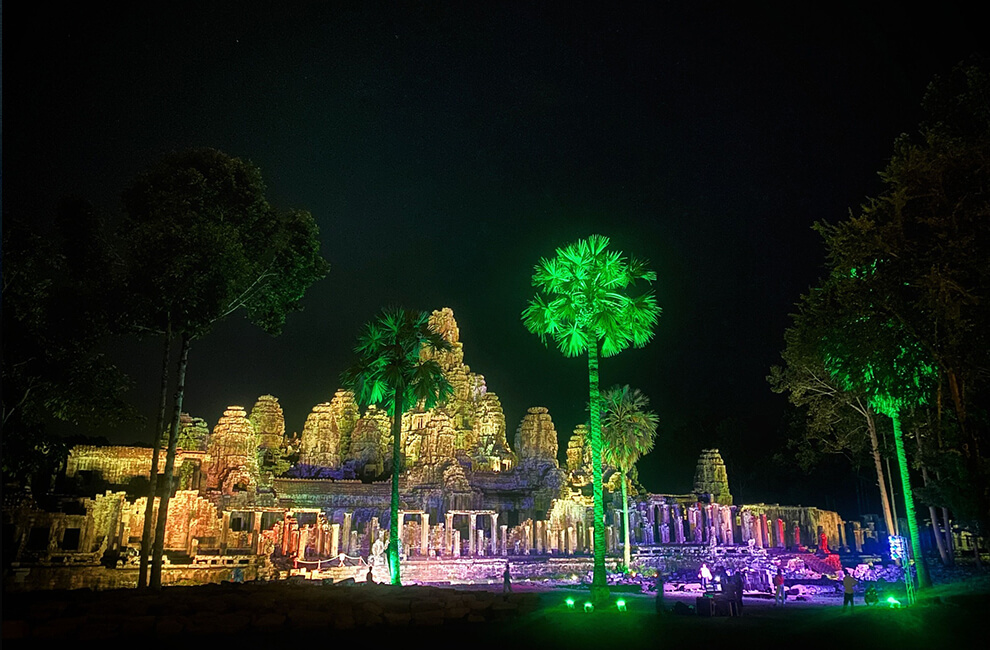
The main attraction of Angkor Wat at night is the stunning illumination of the temple. The lights are strategically placed to highlight the temple’s most iconic features, including its central towers, bas-reliefs, and courtyards. The effect is nothing short of magical, as the temple seems to come alive under the night sky.

Equinox Sunrise Phenomenon

2. Fewer Crowds

One of the biggest advantages of visiting Angkor Wat at night is the lack of crowds. While the temple complex can be packed with tourists during the day, the nighttime experience is much more peaceful and intimate. You’ll have the opportunity to explore the temple at your own pace and truly appreciate its beauty without the distractions of large tour groups.

3. Guided Tours

Many tour operators offer guided nighttime tours of Angkor Wat, providing valuable insights into the temple’s history, architecture, and spiritual significance. These tours often include visits to other nearby temples, such as Bayon and Ta Prohm, which are also beautifully illuminated at night.

4. Cultural Performances

Some nighttime visits to Angkor Wat include traditional Cambodian cultural performances, such as Apsara dances. These performances, which take place in the temple courtyard, add an extra layer of enchantment to your experience and offer a glimpse into Cambodia’s rich cultural heritage.

5. Stargazing

With minimal light pollution in the area, Angkor Wat at night is an excellent spot for stargazing. The clear night sky, combined with the temple’s silhouette, creates a breathtaking backdrop for observing the stars and constellations.

Tips for Visiting Angkor Wat at Night

1. Check the Schedule

Angkor Wat is not open every night, so it’s important to check the schedule in advance. Typically, the temple is illuminated on certain evenings, especially during special events or festivals. Plan your visit accordingly to avoid disappointment.

Angkor Wat at Night at Bayon Temple

2. Dress Appropriately

While the temperatures are cooler at night, it’s still important to dress respectfully when visiting Angkor Wat. Wear modest clothing that covers your shoulders and knees, as the temple is a sacred site.

3. Bring a Tripod

If you’re planning to take photographs, a tripod is essential for capturing sharp, well-exposed images in low-light conditions. The nighttime illumination provides a unique opportunity for long-exposure photography, so don’t forget your gear.

4. Arrive Early

While the nighttime experience is less crowded than during the day, it’s still a good idea to arrive early to secure a good spot for viewing the temple and taking photos. This will also give you time to explore the surrounding area before the lights come on.

5. Stay Hydrated

Even though the temperatures are cooler at night, it’s important to stay hydrated, especially if you’re planning to spend several hours exploring the temple complex. Bring a water bottle with you to ensure you stay comfortable throughout your visit.

Angkor Wat at Night and Respect the Site

6. Respect the Site

Angkor Wat is a sacred and historical site, so it’s important to treat it with respect. Avoid touching the carvings or climbing on the structures, and be mindful of your noise level to maintain the peaceful atmosphere.

How to Get to Angkor Wat at Night

1. Tuk-Tuk

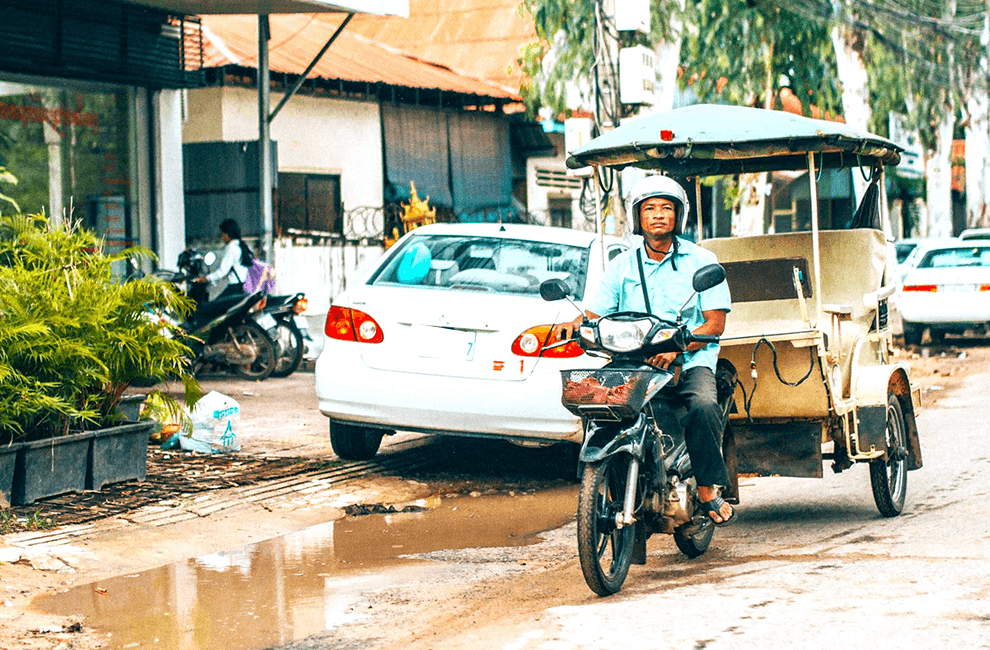
One of the most popular ways to get to Angkor Wat at night is by tuk-tuk. These three-wheeled vehicles are a convenient and affordable option for traveling around Siem Reap. Many tuk-tuk drivers are familiar with the nighttime schedule and can drop you off and pick you up at the temple.

2. Bicycle

For the more adventurous traveler, renting a bicycle is a great way to get to Angkor Wat at night. The ride from Siem Reap to the temple takes about 30 minutes and offers a unique perspective of the surrounding countryside. Just be sure to bring a flashlight or bike light for safety.

3. Private Car

If you prefer a more comfortable and private transportation, you can hire a car and driver for the evening. This option is ideal for families or groups and allows you to explore the temple complex at your own pace.

Other Nighttime Activities Near Angkor Wat

1. Phnom Bakheng Sunset

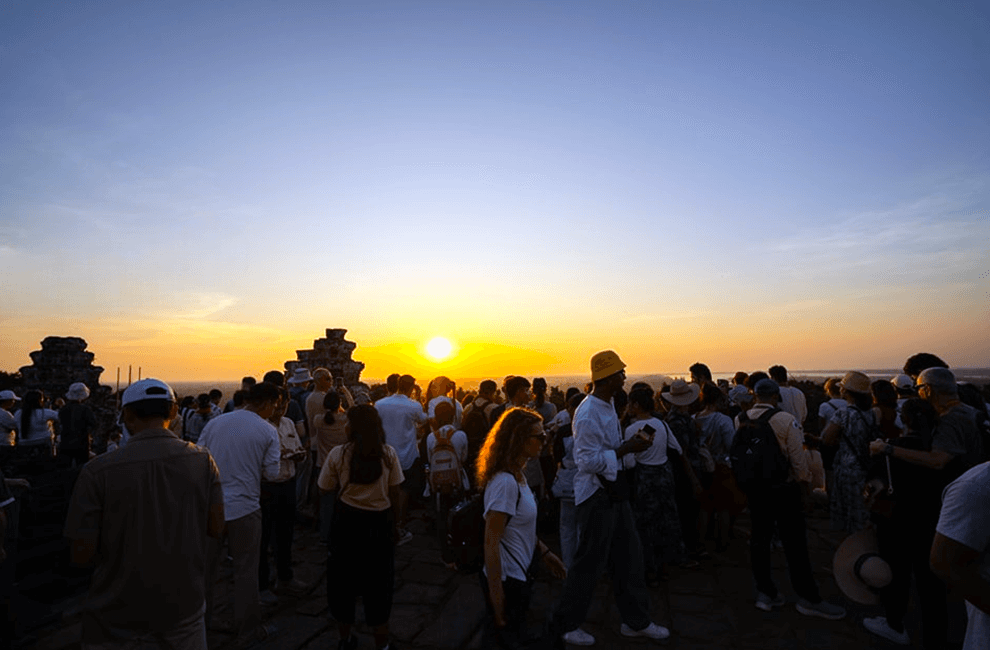
Before heading to Angkor Wat at night, consider visiting Phnom Bakheng for a stunning sunset view. This hilltop temple offers panoramic views of the surrounding area, including Angkor Wat, and is a popular spot for watching the sun go down.

Beautiful Sunset on Phnom Bakheng

2. Night Markets in Siem Reap

After your visit to Angkor Wat, explore the vibrant night markets in Siem Reap. These markets offer a wide range of souvenirs, handicrafts, and local street food, making them a great place to unwind and soak up the local culture.

3. Dining by the River

Siem Reap is home to a variety of restaurants and cafes, many of which are located along the Siem Reap River. Enjoy a delicious Cambodian meal or a refreshing drink as you reflect on your nighttime adventure at Angkor Wat.

Final Thoughts of Angkor Wat at Night

Angkor Wat at night is a truly unique and enchanting experience that should not be missed. From the magical illumination of the temple to the peaceful atmosphere and stunning photo opportunities, a nighttime visit offers a completely different perspective on this iconic landmark. Whether you’re a history buff, a spiritual seeker, or simply a traveler looking for a memorable experience, Angkor Wat at night is sure to leave you in awe. So, the next time you find yourself in Siem Reap, be sure to add a nighttime visit to Angkor Wat to your itinerary, it’s an experience you’ll cherish for a lifetime.

By following this guide, you’ll be well-prepared to make the most of your nighttime visit to Angkor Wat. Don’t forget to share your experience with others and spread the word about this hidden gem of Cambodia. Happy travels!

Bike Adventure Inspiration: Unforgettable Routes to Try Around Angkor Wat

Angkor Wat, the crown jewel of Cambodia, is not just a UNESCO World Heritage Site but also a paradise for adventure enthusiasts. While most visitors explore the ancient temples on foot or by tuk-tuk, biking around Angkor Wat offers a unique and exhilarating way to experience the region’s rich history, stunning landscapes, and vibrant culture. In this article, we’ll dive into some of the most unforgettable bike routes around Angkor Wat, providing you with the ultimate inspiration for your next two-wheeled adventure.

Why Choose a Bike Adventure Around Angkor Wat?

Cycling around Angkor Wat is more than just a mode of transportation; it’s an immersive experience. Here’s why you should consider exploring the area on a bike:

  1. Eco-Friendly Exploration: Biking is a sustainable way to travel, reducing your carbon footprint while enjoying the natural beauty of the region.
  2. Flexibility and Freedom: Unlike guided tours, biking allows you to explore at your own pace, stopping whenever and wherever you please.
  3. Health Benefits: Cycling is a great way to stay active while traveling, combining sightseeing with exercise.
  4. Unique Perspectives: Biking lets you access hidden trails, remote temples, and local villages that are often missed by traditional tours.

Now, let’s explore some of the most unforgettable bike routes around Angkor Wat.

Cycling Bike Tour Guide Siem Reap

The Classic Angkor Wat Circuit

Highlights: Angkor Wat, Angkor Thom, Bayon Temple, Ta Prohm

Distance: ~17 Km, Difficulty: Easy

The Classic Angkor Wat Circuit is perfect for first-time visitors who want to experience the main highlights of the Angkor Archaeological Park. This route takes you through the most iconic temples, offering a mix of history, culture, and natural beauty.

  • Start at Angkor Wat: Begin your journey at the majestic Angkor Wat, the largest religious monument in the world. Take your time to explore its intricate carvings and towering spires before hopping on your bike.
  • Angkor Thom: Cycle to the ancient city of Angkor Thom, home to the famous Bayon Temple with its enigmatic stone faces. Don’t miss the Terrace of the Elephants and the Terrace of the Leper King.
  • Ta Prohm: End your ride at Ta Prohm, the “Tomb Raider Temple,” where nature and architecture intertwine in a mesmerizing display.

This route is well-paved and relatively flat, making it suitable for cyclists of all levels. Be sure to start early to avoid the midday heat and crowds.

The Grand Circuit

Highlights: Preah Khan, Neak Pean, Ta Som, East Mebon, Pre Rup

Distance: ~26 km, Difficulty: Moderate

For those looking to venture beyond the main temples, the Grand Circuit offers a more extensive and less crowded experience. This route takes you through some of the park’s hidden gems, showcasing the diversity of Khmer architecture.

  • Preah Khan: Start your journey at Preah Khan, a sprawling temple complex with a maze-like structure and stunning carvings.
  • Neak Pean: Continue to Neak Pean, a unique island temple surrounded by water.
  • Ta Som: Cycle to Ta Som, a smaller temple known for its picturesque setting and tree-covered ruins.
  • East Mebon and Pre Rup: End your ride at these two temple mountains, which offer panoramic views of the surrounding countryside.

The Grand Circuit is slightly more challenging due to its longer distance, but the well-maintained paths make it manageable for most cyclists.

Booking a Trip with Locals

The Countryside Escape

Highlights: Local Villages, Rice Fields, Floating Villages, Lesser-Known Temples

Distance: ~30 Km, Difficulty: Moderate

If you’re looking to escape the tourist crowds and experience the authentic side of Cambodia, the Countryside Escape route is for you. This trail takes you through rural landscapes, traditional villages, and lesser-known temples.

  • Start in Siem Reap: Begin your journey in Siem Reap and head towards the outskirts of the city.
  • Rice Fields and Villages: Cycle through lush rice paddies and stop by local villages to interact with friendly residents and learn about their way of life.
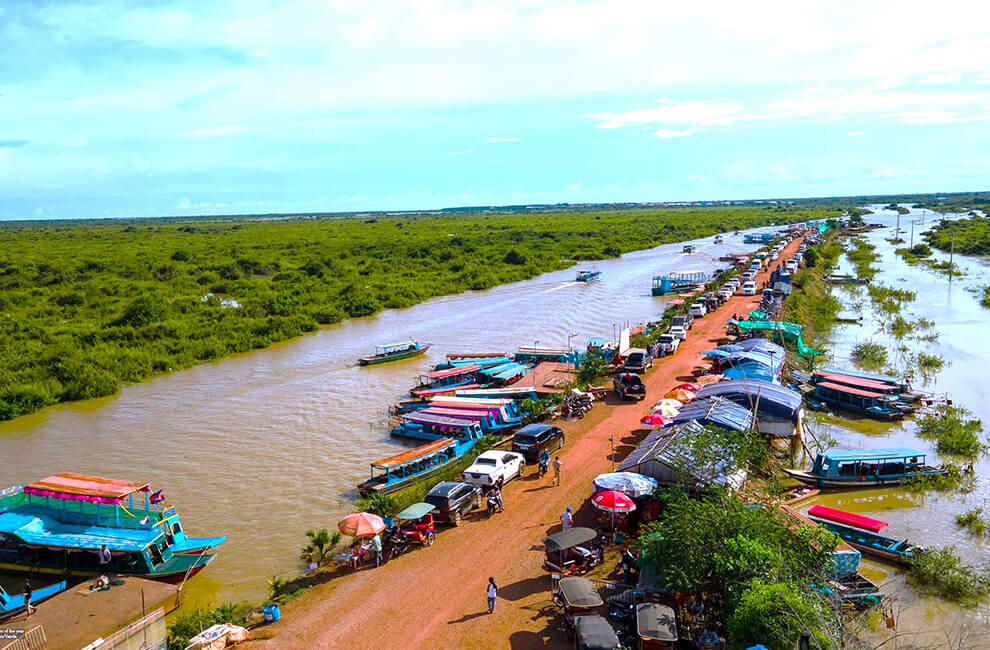
  • Floating Villages: Visit a floating village on Tonle Sap Lake, where you can witness the unique lifestyle of the lake’s inhabitants.
  • Hidden Temples: Discover lesser-known temples like Banteay Samré and Banteay Srei, known for their intricate carvings and serene surroundings.

This route offers a mix of paved and dirt roads, so a hybrid or mountain bike is recommended. Be prepared for a full day of bicycle adventure and bring plenty of water and snacks.

Koh Trong Bike Tour

4 hours

Kratie half day bike Tour

$45

Cambodia Expedition

7 Days – 6 Nights

Siem Reap, Kratie, Phnom Penh

$1,253

The Phnom Kulen National Park Adventure

Highlights: Phnom Kulen Mountain, Waterfalls, Reclining Buddha, River of a Thousand Lingas

Distance: ~50 km (round trip), Difficulty: Challenging

For the more adventurous cyclists, a trip to Phnom Kulen National Park is a must. This route takes you to the sacred mountain of Phnom Kulen, offering a mix of natural beauty and spiritual significance.

  • Start in Siem Reap: Begin your journey early in the morning to make the most of your day.
  • Phnom Kulen Mountain: Cycle uphill to the summit, where you’ll find the Reclining Buddha and the River of a Thousand Lingas, a riverbed covered in ancient carvings.
  • Waterfalls: Cool off at the stunning Phnom Kulen Waterfalls, where you can take a refreshing dip in the natural pools.

This route is challenging due to the steep ascent and rough terrain, so it’s best suited for experienced cyclists with mountain bikes. The effort is well worth it, as you’ll be rewarded with breathtaking views and a sense of accomplishment.

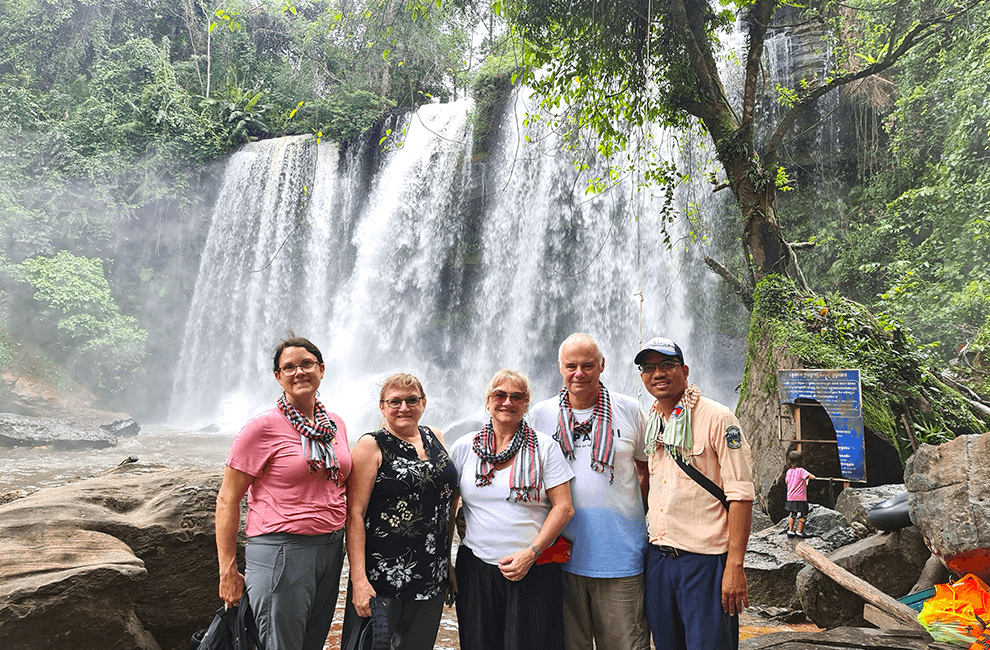
Richard at Kulen Waterfall

The Night Ride to Angkor Wat

Highlights: Sunset at Angkor Wat, Night Views of the Temples

Distance: ~10 Km, Difficulty: Easy

For a truly magical experience, consider a night ride to Angkor Wat. This short and easy route allows you to witness the temples in a completely different light literally.

  • Start at Sunset: Begin your ride in the late afternoon and cycle to Angkor Wat in time for sunset. The temple’s reflection in the surrounding moat is a sight to behold.
  • Night Views: As darkness falls, the temples are illuminated, creating a mystical atmosphere. Cycle around the complex and enjoy the serene beauty of the ancient structures under the stars.

This route is perfect for those who want to experience Angkor Wat without the daytime crowds. Be sure to bring a good bike light and a camera to capture the enchanting views.

Tips for a Successful Bike Adventure Around Angkor Wat

  1. Choose the Right Bike: Opt for a sturdy mountain or hybrid bike, especially if you plan to explore off-the-beaten-path routes.
  2. Start Early: The cooler morning temperatures make for a more pleasant ride, and you’ll avoid the midday heat and crowds.
  3. Stay Hydrated: Bring plenty of water, especially on longer routes, as the Cambodian heat can be intense.
  4. Respect Local Culture: Dress modestly when visiting temples and be mindful of local customs.
  5. Hire a Guide: If you’re unfamiliar with the area, consider hiring a local guide who can provide insights and ensure you don’t get lost.
Interact with Local

Final Thoughts of Bike Adventure Inspiration

Biking around Angkor Wat is an unforgettable cycling adventure that combines history, culture, and nature in a way that few other experiences can. Whether you’re exploring the iconic temples of the Classic Circuit, venturing into the countryside, or tackling the challenging trails of Phnom Kulen, each route offers its own unique charm and rewards. So, grab your bike, pack your sense of adventure, and get ready to discover the wonders of Angkor Wat on two wheels. Happy cycling!
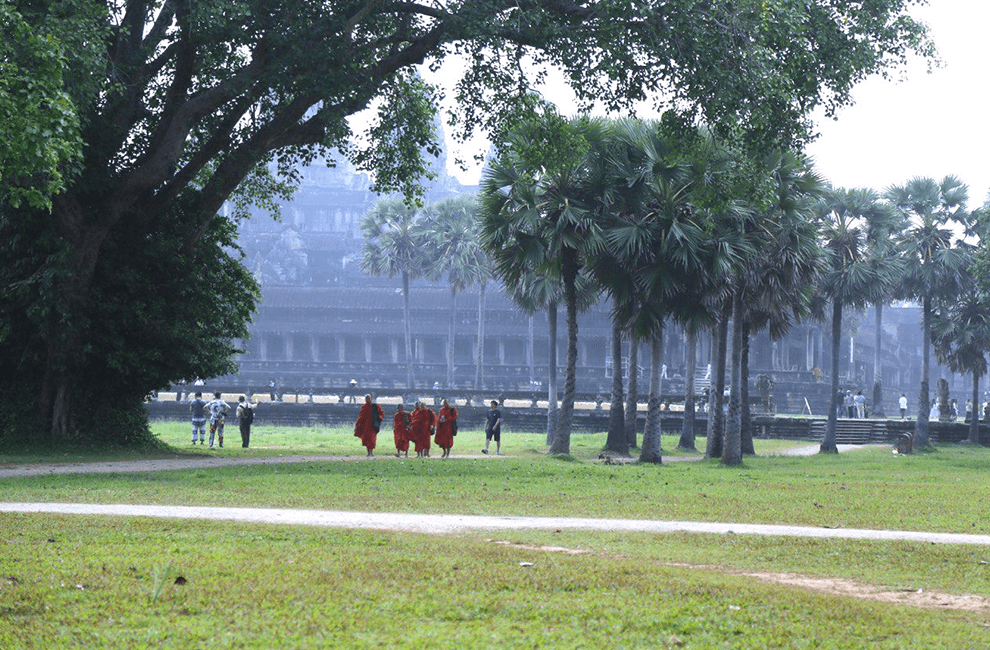
Best Bicycle Adventure Routes Around Siem Reap: Explore Cambodia’s Hidden Gems on Two Wheels

Siem Reap, Cambodia, is renowned for its ancient temples, vibrant culture, and bustling markets. While most visitors flock to the iconic Angkor Wat, the surrounding countryside offers a treasure trove of adventure for cycling enthusiasts. From serene rice paddies and floating villages to hidden temples and lush jungles, Siem Reap is a paradise for cyclists seeking an unforgettable adventure. In this article, we’ll explore the best bicycle adventure routes around Siem Reap, each offering a unique blend of natural beauty, cultural immersion, and thrilling exploration.

Angkor Archaeological Park Loop

Distance: ~25-30 km (depending on route)

Difficulty: Easy to Moderate

No visit to Siem Reap is complete without exploring the Angkor Archaeological Park, and cycling through this UNESCO World Heritage Site is an experience like no other. The park is home to over 1,000 temples, including the world-famous Angkor Wat temple, Bayon Temple, and Ta Prohm Temple. While many tourists opt for tuk-tuks or buses, cycling allows you to explore at your own pace and discover hidden gems off the beaten path.

Highlights:

  • Angkor Wat: Start your journey at sunrise to witness the iconic temple bathed in golden light.
  • Ta Prohm: Known as the “Tomb Raider Temple,” this jungle-clad ruin is a must-see.
  • Lesser-Known Temples: Explore quieter temples like Banteay Kdei and Preah Khan.
  • Scenic Routes: Ride through shaded forest trails and open plains dotted with lotus ponds.

Tips:

  • Start early to avoid the midday heat and crowds.
  • Rent a sturdy mountain bike or hybrid bike for comfort on uneven paths.
  • Carry plenty of water and snacks, as facilities are limited within the park.
Bicycle Adventure Routes Around Siem Reap

Kampong Phluk Floating Village and Tonle Sap Lake

Distance: ~35-40 km (round trip)

Difficulty: Moderate

For a unique cultural and natural experience, cycle to Kampong Phluk, a traditional floating village on the shores of Tonle Sap Lake. This route takes you through rural Cambodian landscapes, including rice fields, stilted houses, and local markets, before reaching the serene waters of the lake.

Highlights:

  • Floating Village: Witness the daily life of locals who live in houses on stilts.
  • Tonle Sap Lake: Take a boat ride to explore the vast lake and its rich biodiversity.
  • Rural Landscapes: Enjoy the peaceful scenery of rice paddies and water buffaloes.
  • Local Interactions: Stop by small villages to interact with friendly locals and learn about their way of life.

Tips:

  • The route can be dusty during the dry season, so wear a mask or bandana.
  • Combine your bike ride with a boat tour for a full-day adventure.
  • Be respectful of local customs and ask for permission before taking photos.
Best Bicycle Adventure Routes Around Siem Reap, Cambodia

Phnom Kulen National Park

Distance: ~50-60 km (round trip)

Difficulty: Challenging

For experienced cyclists seeking a challenging adventure, the ride to Phnom Kulen National Park is a must. Known as the “Mountain of Lychees,” this sacred mountain is home to waterfalls, ancient carvings, and the iconic Reclining Buddha. The route includes steep climbs and rugged terrain, but the rewards are well worth the effort.

Highlights:

  • Kulen Waterfall: Cool off with a refreshing dip in the cascading waters.
  • Reclining Buddha: Visit the giant stone statue carved into the mountain.
  • Ancient Carvings: Explore the River of a Thousand Lingas, a riverbed covered in intricate carvings.
  • Panoramic Views: Enjoy breathtaking views of the surrounding jungle and countryside.

Tips:

  • This route is best suited for experienced cyclists with good fitness levels.
  • Consider hiring a guide or joining a tour, as the trails can be difficult to navigate.
  • Bring sturdy shoes and swimwear for the waterfall.
Bicycle Adventure Tips in Cambodia

Beng Mealea Temple and Koh Ker

Distance: ~70-80 km (one way)

Difficulty: Advanced

For a truly epic adventure, embark on a multi-day cycling trip to Beng Mealea and Koh Ker Temple. These remote temple complexes are located east of Siem Reap and offer a glimpse into Cambodia’s ancient history without the crowds. The route takes you through remote villages, dense forests, and scenic countryside.

Koh Trong Bike Tour

4 hours

Kratie half day bike Tour

$45

Cambodia Expedition

7 Days – 6 Nights

Siem Reap, Kratie, Phnom Penh

$1,253

Highlights:

  • Beng Mealea: Explore this sprawling jungle temple, often compared to a smaller Angkor Wat.
  • Koh Ker: Discover the pyramid-shaped Prasat Thom and other lesser-known ruins.
  • Remote Landscapes: Experience the untouched beauty of rural Cambodia.
  • Cultural Immersion: Stay overnight in local guesthouses and enjoy authentic Khmer cuisine.

Tips:

  • Plan for at least two days to complete this route comfortably.
  • Carry a repair kit and spare parts, as services are limited in remote areas.
  • Check road conditions in advance, especially during the rainy season.
Phnom Penh Bike Tour

Banteay Srei and the Countryside Loop

Distance: ~40-50 km (round trip)

Difficulty: Moderate

Known as the “Citadel of Women,” Banteay Srei is one of the most intricately carved temples in Cambodia. This route takes you through picturesque countryside, offering a mix of cultural and natural attractions.

Highlights:

  • Banteay Srei: Admire the pink sandstone carvings and detailed bas-reliefs.
  • Cambodian Countryside: Cycle past rice fields, lotus ponds, and traditional villages.
  • Local Workshops: Visit handicraft villages to see silk weaving and stone carving.
  • Peaceful Atmosphere: Enjoy the tranquility of rural Cambodia away from the crowds.

Tips:

  • Start early to avoid the heat and make the most of your day.
  • Combine your ride with a visit to the Landmine Museum for a meaningful cultural experience.
  • Pack a picnic lunch to enjoy at a scenic spot along the way.
Phnom Penh Countryside by Bike

Roluos Group of Temples

Distance: ~20-25 km (round trip)

Difficulty: Easy

For a shorter and more relaxed ride, explore the Roluos Group of Temples, located southeast of Siem Reap. These temples predate Angkor Wat and offer a fascinating glimpse into the early days of Khmer architecture.

Highlights:

  • Bakong: The largest and most impressive temple in the Roluos Group.
  • Preah Ko: Known for its intricate carvings and serene atmosphere.
  • Lolei: A small temple located on an island in the middle of a reservoir.
  • Rural Charm: Cycle through peaceful villages and farmland.

Tips:

  • This route is ideal for beginners or those looking for a leisurely ride.
  • Visit in the early morning or late afternoon for the best lighting and fewer tourists.
  • Take time to interact with locals and learn about their daily lives.
Siem Reap Bicycle Adventure

Siem Reap River Trail

Distance: ~15-20 km (one way)

Difficulty: Easy

For a relaxing urban adventure, follow the Siem Reap River Trail, which winds through the heart of the city and into the surrounding countryside. This flat and scenic route is perfect for a casual ride or a sunset excursion.

Highlights:

  • Riverside Scenery: Enjoy views of the river, lush greenery, and local life.
  • Local Markets: Stop by bustling markets to sample street food and shop for souvenirs.
  • Wat Bo Village: Visit this charming neighborhood known for its traditional houses and art galleries.
  • Sunset Views: End your ride at a riverside café or bar to watch the sunset.

Tips:

  • This route is suitable for all skill levels and can be done on a city bike.
  • Be mindful of traffic when cycling through the city center.
  • Combine your ride with a visit to the Angkor National Museum for a cultural experience.
Cycling Bike Tour Guide Siem Reap

Final Tips for Cycling in Siem Reap

  • Best Time to Cycle: The dry season (November to February) offers cooler temperatures and clear skies.
  • Bike Rentals: Numerous shops in Siem Reap offer bike rentals, ranging from basic models to high-end mountain bikes.
  • Safety: Wear a helmet, use sunscreen, and stay hydrated. Be cautious of traffic and road conditions.
  • Guided Tours: Consider joining a guided cycling tour for a hassle-free experience and insider knowledge.

Conclusion About Bicycle Adventure Routes Around Siem Reap

Siem Reap is a cyclist’s dream destination, offering a diverse range of routes that cater to all skill levels and interests. Whether you’re exploring ancient temples, cruising through rural landscapes, or venturing into remote jungles, each ride promises unforgettable memories and a deeper connection to Cambodia’s rich culture and natural beauty. So grab your bike, hit the road, and discover the best bicycle adventure routes around Siem Reap!

Bicycle Adventure Tips in Cambodia: A Comprehensive Guide to Exploring the Kingdom of Wonder on Two Wheels

Cambodia, often referred to as the “Kingdom of Wonder,” is a land of ancient temples, lush landscapes, and vibrant culture. While many travelers explore this Southeast Asian gem by tuk-tuk or bus, embarking on a bicycle adventure offers a unique and immersive way to experience the country. Cycling through Cambodia allows you to connect with its people, discover hidden gems, and witness breathtaking scenery at your own pace. In this article, we’ll share essential tips and insights to help you plan an unforgettable bicycle adventure in Cambodia.

Why Choose Cambodia for a Bicycle Adventure?

Cambodia’s diverse terrain, from flat rice paddies to rolling hills, makes it an ideal destination for cyclists of all levels. The country’s relatively low traffic outside major cities, coupled with its warm hospitality, creates a welcoming environment for bike enthusiasts. Whether you’re pedaling through rural villages, exploring ancient temples like Angkor Wat, or cruising along the Mekong River, Cambodia offers a cycling experience like no other.

Mekong Island Bike Tour

Planning Your Bicycle Adventure in Cambodia

1. Choose the Right Time to Visit

Cambodia’s tropical climate means it has two distinct seasons: the dry season (November to April) and the wet season (May to October). The dry season is the best time for cycling, as the weather is cooler and roads are in better condition. However, if you don’t mind occasional rain showers, the wet season offers lush, green landscapes and fewer tourists.

2. Select Your Route

Cambodia offers a variety of cycling routes, catering to different interests and skill levels. Here are some popular options:

  • Angkor Wat and Siem Reap: Explore the iconic temples of Angkor by bike, including lesser-known ruins off the beaten path.
  • Phnom Penh to Kampot: Cycle through bustling cities, serene countryside, and coastal towns, ending in the charming riverside town of Kampot.
  • Mekong River Loop: Follow the Mekong River, passing through rural villages, floating markets, and lush farmland.
  • Cardamom Mountains: For experienced cyclists, this challenging route takes you through one of Cambodia’s most remote and biodiverse regions.
Phnom Penh Countryside by Bike

3. Rent or Bring Your Own Bike?

If you’re traveling light, renting a bike in Cambodia is a convenient option. Many cities, including Siem Reap and Phnom Penh, have reputable bike rental shops offering a range of bicycles, from mountain bikes to hybrids. However, if you’re an avid cyclist or planning a long-distance trip, bringing your own bike might be more comfortable. Ensure your bike is well-maintained and suitable for Cambodia’s varied terrain.

4. Pack Light but Smart

When cycling in Cambodia, less is more. Pack lightweight, breathable clothing suitable for hot and humid weather. Don’t forget essentials like a helmet, sunscreen, insect repellent, a reusable water bottle, and a basic repair kit. A lightweight rain jacket is also handy during the wet season.

Tips for Cycling Safely in Cambodia

1. Stay Hydrated and Energized

Cambodia’s tropical climate can be unforgiving, especially during long rides. Carry plenty of water and consider using hydration tablets to replenish electrolytes. Local markets and roadside stalls offer fresh fruits like bananas and coconuts, which are perfect for a quick energy boost.

2. Be Mindful of Traffic

While traffic in rural areas is generally light, cycling in cities like Phnom Penh can be chaotic. Always wear a helmet, follow local traffic rules, and stay alert. Use hand signals to communicate with other road users, and avoid cycling at night when visibility is low.

3. Respect Local Customs

Cambodians are known for their warmth and hospitality. Greet locals with a smile and a polite “Chum reap sour” (hello). When visiting temples or rural villages, dress modestly and ask for permission before taking photos.

4. Watch Out for Road Conditions

While major roads in Cambodia are generally well-maintained, some rural routes can be rough or unpaved. Be prepared for potholes, gravel, and occasional livestock crossings. A sturdy bike with good suspension and puncture-resistant tires is recommended.

Discover Oudong Mountain by Bike

Must-Visit Destinations on Your Bicycle Adventure

1. Siem Reap and the Angkor Temples

No trip to Cambodia is complete without visiting the awe-inspiring Angkor Wat. Cycling through the Angkor Archaeological Park allows you to explore the temples at your own pace, away from the crowds. Don’t miss lesser-known gems like Ta Prohm and Banteay Srei.

2. Battambang

Known for its French colonial architecture and serene countryside, Battambang is a cyclist’s paradise. Pedal through rice paddies, visit local artisans, and take in the stunning views from Phnom Sampeau.

3. Kampot and Kep

These charming coastal towns offer a mix of natural beauty and cultural experiences. Cycle along the Kampot River, explore Bokor National Park, and indulge in fresh seafood in Kep.

4. The Cardamom Mountains

For adventurous cyclists, the Cardamom Mountains offer rugged terrain, dense jungles, and rare wildlife. This remote region is perfect for those seeking an off the beaten path experience.

Practical Tips for a Smooth Journey

1. Learn Basic Khmer Phrases

While many Cambodians speak some English, learning a few basic Khmer phrases can go a long way in enhancing your interactions. Simple words like “akun” (Thank you) and “Soksabai” (hello) are appreciated by locals.

2. Carry Cash

Credit cards are widely accepted in cities, but cash Khmer Riel is king in rural areas. Carry small denominations of Cambodian riel or US dollars for purchases at local markets and roadside stalls.

Hop on Countryside Bike Tour

3. Stay Connected

Purchase a local SIM card for affordable internet access. This will help you navigate, stay in touch with loved ones, and find nearby amenities.

4. Support Local Communities

Consider staying in homestays or family-run guesthouses to support local communities. This also provides an opportunity to learn about Cambodian culture and traditions firsthand.

Environmental Responsibility

As a cyclist, you have the opportunity to minimize your environmental impact while exploring Cambodia. Avoid single-use plastics, dispose of waste responsibly, and respect wildlife and natural habitats. By traveling sustainably, you can help preserve Cambodia’s beauty for future generations.

Conclusion

A bicycle adventure in Cambodia is more than just a physical journey, it’s a chance to connect with the country’s rich history, vibrant culture, and stunning landscapes. With proper planning, a spirit of adventure, and these practical tips, you’re ready to embark on an unforgettable cycling experience in the Kingdom of Wonder. So, grab your helmet, hop on your bike, and get ready to discover Cambodia like never before!

By following this guide, you’ll not only enjoy a thrilling bicycle adventure but also create lasting memories of Cambodia’s beauty and hospitality. Happy cycling!
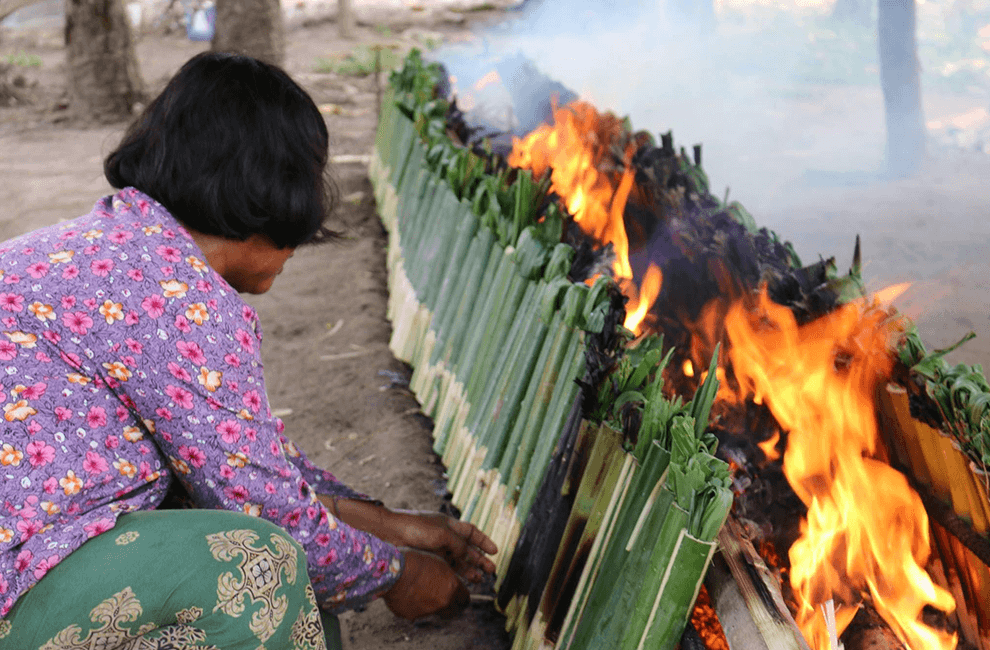
Cambodia Travel Costs: A Comprehensive Guide to Siem Reap, Phnom Penh, and Battambang, Kampot, and Sihanoukville

Cambodia, a Southeast Asian gem, is renowned for its rich history, stunning temples, and vibrant culture. For travelers, it’s also one of the most budget-friendly destinations in the region. Whether you’re exploring the ancient ruins of Angkor Wat in Siem Reap, diving into the bustling capital of Phnom Penh, or discovering the laid-back charm of Battambang, Cambodia offers incredible value for money. In this guide, we’ll break down the Cambodia travel costs for these three iconic destinations, helping you plan an unforgettable trip without breaking the bank.

Why Cambodia is a Budget Traveler’s Paradise

Before diving into the specifics, it’s worth noting why Cambodia is such an affordable destination. The local currency, the Cambodian Riel (KHR), is often used alongside the US Dollar (USD), which is widely accepted. Accommodation, food, and transportation are incredibly inexpensive compared to Western standards, making it an ideal destination for backpackers, solo travelers, and families alike.

Daily Travel Costs in Siem Reap: The Gateway to Angkor Wat

Siem Reap is Cambodia’s most popular tourist destination, thanks to the awe-inspiring Angkor Wat temple complex. But beyond the temples, this city offers a vibrant nightlife, delicious cuisine, and a range of activities to suit every budget.

Local Travel on a Budget to Cambodia

1. Accommodation Costs in Siem Reap

  • Budget Hostels: Dorm beds start at $5-$10 per night, while private rooms in guesthouses cost around $10–$15.
  • Mid-Range Hotels: Comfortable hotels with air conditioning and pools range from $20-$40 per night.
  • Luxury Resorts: High-end resorts and boutique hotels cost $50-$150+ per night.

2. Food and Drink Costs

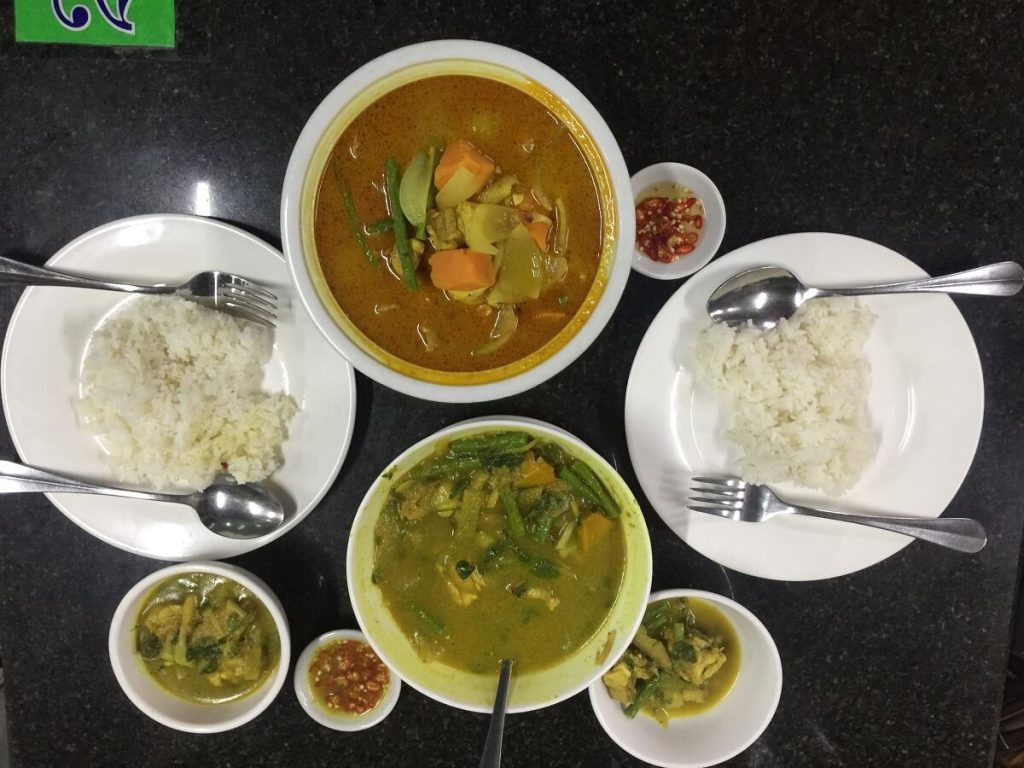
  • Street Food: Local dishes like Amok (curry) or fried noodles cost $1.5-$2.5.
  • Restaurants: Meals at mid-range restaurants cost $5-$10 per person.
  • Western Food: International cuisine ranges from $8-$15 per meal.
  • Beer: A local Angkor beer costs just $0.50-$1.00.

3. Transportation Costs

  • Tuk-Tuks: Short rides within the city cost $1-$3, while a full-day temple tour is around $15-$20.
  • Bicycle Rentals: Renting a bike costs $5 per day.
  • Airport Transfer: A tuk-tuk from the airport to the city center costs $12-$15.

4. Activities and Entrance Fees

5. Estimated Daily Budget for Siem Reap

  • Budget Traveler: $30-$50 per day (hostels, street food, and transport by tuk tuk).
  • Mid-Range Traveler: $60-$120 per day (private rooms, restaurant meals, and guided tours).
  • Luxury Traveler: $130-$200+ per day (resorts, fine dining, and private tours).

Daily Travel Costs in Phnom Penh: The Vibrant Capital

Phnom Penh, Cambodia’s capital, is a city of contrasts. From its tragic history at the Killing Fields to its bustling markets and riverside promenades, Phnom Penh offers a mix of culture, history, and modernity.

Hidden Local Attractions in Phnom Penh

1. Accommodation Costs in Phnom Penh

  • Budget Hostels: Dorm beds start at $15-$20 per night, while private rooms cost $20-$30.
  • Mid-Range Hotels: Comfortable hotels with amenities cost $35-$40 per night.
  • Luxury Hotels: High-end hotels and boutique stays range from $50-$150 per night.

2. Food and Drink Costs

  • Street Food: Local dishes like Bai Sach Chrouk (pork and rice) cost $1.5-$2.5.
  • Restaurants: Meals at mid-range restaurants cost $5-$10 per person.
  • Western Food: International cuisine ranges from $8-$15 per meal.
  • Beer: A local beer costs $0.50-$1.00.

3. Transportation Costs

  • Tuk-Tuks: Short rides cost $1-$3, while a full-day tour is around $15-$20.
  • Cyclo Rides: Traditional bicycle rickshaws cost $2-$5 per hour.
  • PassApp Taxis: Short rides cost $1-$2.

4. Activities and Entrance Fees

  • Royal Palace and Silver Pagoda: Entrance fee is $10.
  • Tuol Sleng Genocide Museum: Entrance fee is $5.
  • Choeung Ek Killing Fields: Entrance fee is $6.
  • River Cruises: Sunset cruises on the Mekong River cost $10-$15.

5. Estimated Daily Budget for Phnom Penh

  • Budget Traveler: $40-$60 per day.
  • Mid-Range Traveler: $70-$110 per day.
  • Luxury Traveler: $120-$250+ per day.

Daily Travel Costs in Battambang

Battambang, Cambodia’s second-largest city, is often overlooked by tourists, making it a peaceful and authentic destination. Known for its French colonial architecture, bamboo train, and nearby temples, Battambang is a must-visit for those seeking a quieter side of Cambodia.

Visit Battambang Full Day Tour from Siem Reap

1. Accommodation Costs in Battambang

  • Budget Hostels: Dorm beds start at $5-$10 per night, while private rooms cost $15-$25.
  • Mid-Range Guesthouses: Comfortable stays cost $15-$25 per night.
  • Luxury Hotels: Boutique hotels and resorts range from $50-$150 per night.

2. Food and Drink Costs

  • Street Food: Local dishes like Nom Banh Chok (noodles) cost $1.5-$2.00.
  • Restaurants: Meals at mid-range restaurants cost $5-$8 per person.
  • Western Food: International cuisine ranges from $6-$12 per meal.
  • Beer: A local beer costs $0.50-$1.00.

3. Transportation Costs

  • Tuk-Tuks: Short rides cost $1-$2, while a full-day tour is around $10-$15.
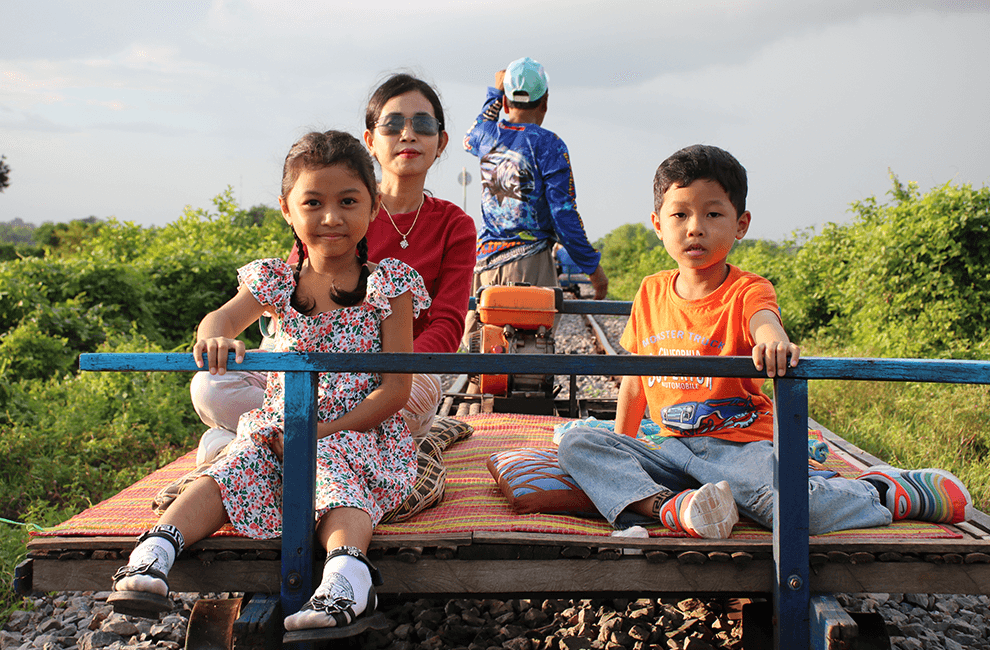
  • Bamboo Train: A ride on the famous bamboo train costs $5 per person.

4. Activities and Entrance Fees

  • Phnom Sampeau: Entrance fee is $3.
  • Wat Banan Temple: Entrance fee is $2.
  • Cooking Classes: Learn to cook Khmer dishes for $10-$15.

5. Estimated Daily Budget for Battambang

  • Budget Traveler: $20-$30 per day.
  • Mid-Range Traveler: $40-$50 per day.
  • Luxury Traveler: $60-$100+ per day.

Daily Travel Costs in Kampot and Sihanoukville

Kampot is famous for its serene riverside vibes, pepper plantations, and Bokor National Park. these Kampot tours offer you the unforgettable experiences. Sihanoukville, on the other hand, is Cambodia’s beach paradise, with pristine islands like Koh Rong and Koh Rong Samloem. Both destinations are affordable, making them ideal for travelers seeking value and adventure.

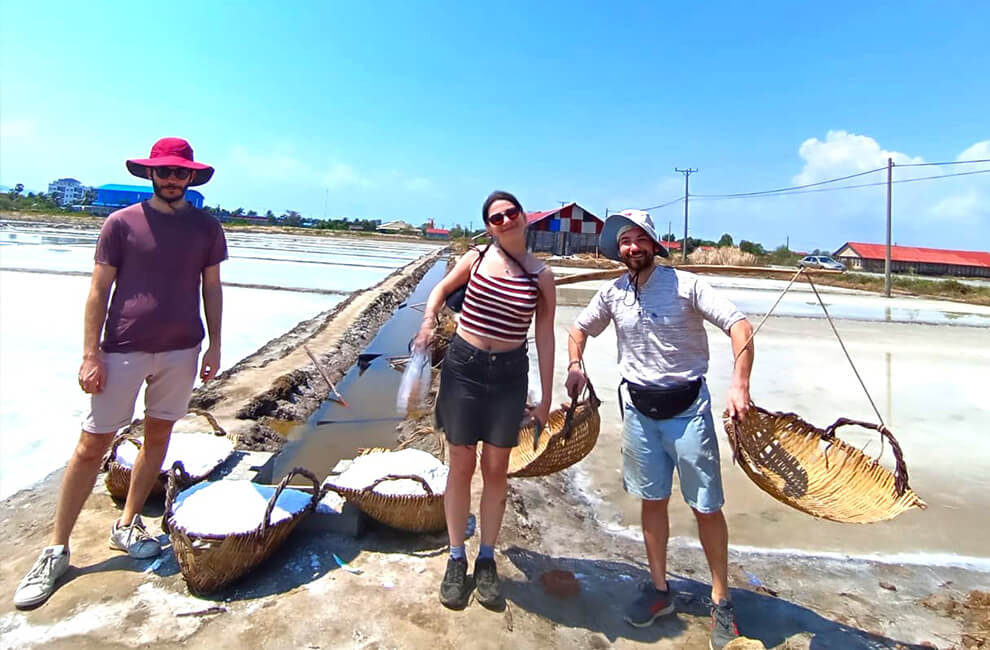
Salt Field in Kampot

1. Accommodation Cost in Kampot and Sihanoukville

  • Budget Travelers: Hostels and guesthouses start at $10-$20 per night in both cities. Kampot’s riverside hostels and Sihanoukville’s beachside bungalows are popular choices.
  • Mid-Range: Comfortable hotels or private bungalows cost $30-$40 per night.
  • Luxury: Upscale resorts in Sihanoukville or boutique stays in Kampot range from $50-$150 per night.

2. Food and Drink Costs

  • Street Food: Local dishes like Amok or Khmer noodles cost $2-$3.
  • Restaurants: Meals at mid-range restaurants are $5-$10.
  • Western Food: Expect to pay $8-$15 for international cuisine.
  • Drinks: Local beers are $1-$2, while cocktails cost $3–$5.

3. Transportation Costs

  • Tuk-Tuks: Short rides cost $1–$3 in both cities.
  • Scooter Rentals: Rent a scooter for $5-$10 per day to explore independently.
  • Public Bus Ticket: Travel between Kampot and Sihanoukville by bus for $7-$10.

4. Activities and Entrance Fees

  • Kampot: Bokor National Park tours $10-$20, pepper farm visits $5.
  • Sihanoukville: Island-hopping tours $15–25, snorkeling $20-30, and beach relaxation (free!).

5. Estimated Daily Budget for Traveling to Kampot and Sihanoukville

  • Backpacker: 25-40 per day
  • Mid-Range Traveler: 50-70 per day
  • Luxury Traveler: $80-150+ per day.
Local Travel Experiences in Siem Reap, Cambodia

Tips for Saving Money in Cambodia

  1. Travel During the Off-Season: The rainy season (May-October) offers lower prices and fewer crowds.
  2. Eat Local: Street food and local markets are not only cheap but also delicious.
  3. Use Tuk-Tuks: They’re affordable and a great way to get around.
  4. Bargain Respectfully: Haggling is common in markets, but always do so politely.
  5. Book Tours Locally: Avoid overpriced online tours by booking directly with local operator like Visit Local Travel.

Conclusion: Cambodia Travel Costs Are Unbeatable

Cambodia is a destination that caters to all budgets , from backpackers to luxury travelers. Whether you’re marveling at the temples of Angkor Wat, exploring the history of Phnom Penh, or soaking in the tranquility of Battambang, you’ll find that your money goes a long way. With careful planning, you can enjoy an unforgettable Cambodian adventure without breaking the bank.

So pack your bags, grab your camera, and get ready to explore one of Southeast Asia’s most affordable and enchanting destinations. Cambodia awaits!
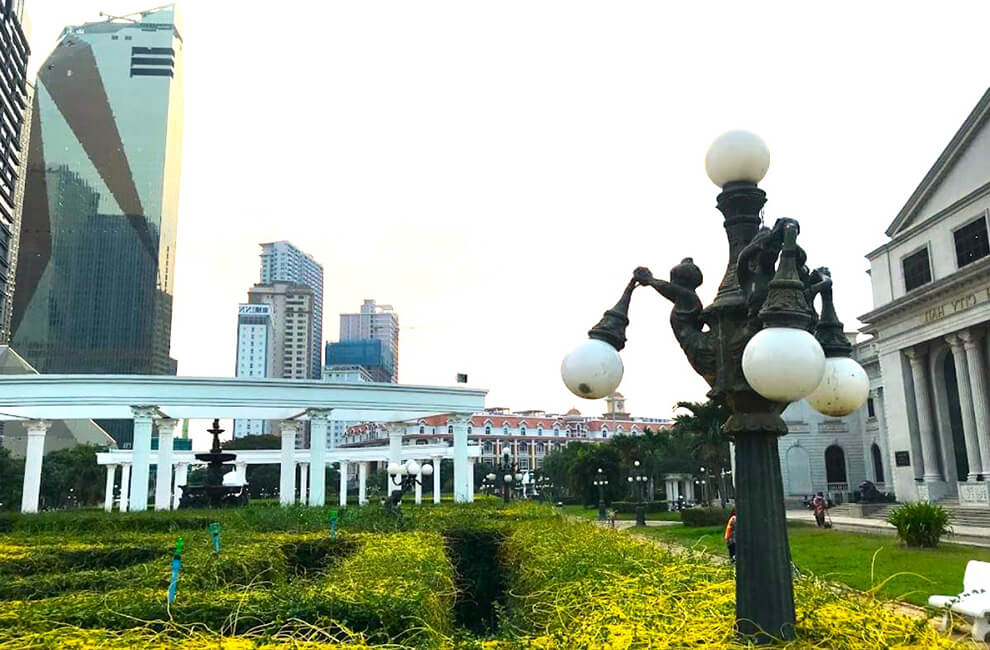
Local Travel on a Budget to Cambodia: Your Ultimate Guide to Affordable Adventures

Cambodia, a land of ancient temples, lush landscapes, and vibrant culture, is a dream destination for travelers seeking an unforgettable experience without breaking the bank. From the iconic Angkor Wat to the serene beaches of Sihanoukville, Cambodia offers a wealth of attractions that cater to budget-conscious explorers. In this comprehensive guide, we’ll show you how to enjoy local travel on a budget to Cambodia, highlighting affordable accommodations, cheap eats, and must-visit destinations. Whether you’re a backpacker or a frugal traveler, this article will help you make the most of your Cambodian adventure.

Why Choose Cambodia for Budget Travel?

Cambodia is one of the most affordable destinations in Southeast Asia, making it a top choice for travelers on a budget. With low-cost accommodations, inexpensive transportation, and budget-friendly food options, you can experience the best of Cambodia without spending a fortune. The country’s rich history, stunning natural beauty, and warm hospitality add to its appeal, ensuring an enriching travel experience.

Top Budget-Friendly Destinations in Cambodia

1. Siem Reap: The Gateway to Angkor Wat

Siem Reap is a must-visit for anyone traveling to Cambodia. Home to the world-famous Angkor Wat, this city offers a mix of cultural and historical attractions. Budget travelers can explore the Angkor Archaeological Park with a $37 pass (valid for 3 days) and enjoy free or low-cost activities like visiting local markets and exploring the countryside by bike.

Budget Tip: Stay in hostels or guesthouses in Siem Reap, which start at just $10 per night. Many accommodations offer free breakfast and bike rentals.

Budget Tours

2. Phnom Penh: The Vibrant Capital

Phnom Penh, Cambodia’s bustling capital, is a city of contrasts. From the Royal Palace and Silver Pagoda to the sobering Killing Fields and Tuol Sleng Genocide Museum, there’s plenty to see and do. Budget travelers can enjoy affordable street food, explore local markets, and take in the city’s vibrant nightlife.

Budget Tip: Use tuk-tuks or ride-sharing apps like Grab for cheap and convenient transportation around the city.

3. Sihanoukville: Beach Bliss on a Budget

For those seeking sun, sand, and sea, Sihanoukville is the perfect destination. With its pristine beaches and laid-back vibe, it’s an ideal spot for budget travelers . You can relax on Otres Beach, take a boat trip to nearby islands, or enjoy fresh seafood at local eateries.

Budget Tip: Opt for budget beach bungalows or hostels, which start at around $10 per night.

4. Battambang: A Hidden Gem

Battambang, Cambodia’s second-largest city, is known for its colonial architecture, bamboo train, and serene countryside. It’s a great destination for travelers looking to escape the crowds and experience authentic Cambodian culture.

Budget Tip: Rent a bicycle for $5 per day to explore the city and surrounding areas at your own pace.

Interact with Local

5. Kampot: Riverside Relaxation

Kampot, a charming riverside town, is famous for its pepper plantations and tranquil atmosphere. Budget travelers can enjoy kayaking, exploring Bokor National Park, or simply relaxing by the river.

Budget Tip: Stay in budget guesthouses or eco-lodges, which offer affordable rates and stunning views.

How to Travel Cambodia on a Budget

1. Affordable Accommodations

Cambodia offers a wide range of budget accommodations, from hostels and guesthouses to budget hotels. Prices start as low as $10 per night, and many places include free amenities like Wi-Fi, breakfast, and bike rentals.

Recommended Budget Stays:

  • Siem Reap: Mad Monkey Hostel, Lub d Cambodia
  • Phnom Penh: Onederz Hostel, The Common Hostel
  • Sihanoukville: Monkey Republic, Otres Beach Bungalows
Salt Field in Kampot

2. Cheap Eats and Local Food

Cambodian cuisine is not only delicious but also incredibly affordable. Street food and local markets are your best bet for budget-friendly meals. Try dishes like Amok (curry), Bai Sach Chrouk (pork and rice), and Nom Banh Chok (Khmer noodles) for as little as $1.5 per meal.

Must-Try Street Food Spots:

  • Phnom Penh: Central Market, Russian Market
  • Siem Reap: Angkor Night Market, Pub Street
  • Sihanoukville: Otres Market, local beachside stalls

3. Budget Transportation

Getting around Cambodia is easy and affordable. Options include:

  • Buses: Companies like Giant Ibis and Mekong Express offer comfortable and affordable rides between cities.
  • Tuk-tuks: Ideal for short distances, with fares starting at $15 per day.
  • Motorbikes: Rent a motorbike for $10 per day to explore at your own pace.

Budget Tip: Book bus tickets in advance to secure the best rates.

Travel with Tuk Tuk

4. Free and Low-Cost Activities

Cambodia offers plenty of free or low-cost activities for budget travelers:

  • Explore the temples of Angkor Wat.
  • Visit local markets and villages.
  • Relax on Cambodia’s beautiful beaches.
  • Take a sunset cruise on the Mekong River in Phnom Penh.

5. Travel During the Off-Season

To save even more, consider traveling during Cambodia’s off-season (May to October). During this time, accommodations and flights are cheaper, and popular attractions are less crowded.

Essential Tips for Budget Travel in Cambodia

  1. Bargain Wisely: Haggling is common in markets and with tuk-tuk drivers, but always do so respectfully.
  2. Carry Cash: Many places in Cambodia don’t accept credit cards, so always have local currency (Cambodian Riel or USD) on hand.
  3. Stay Hydrated: Bottled water is cheap, so stock up to avoid dehydration in the tropical heat.
  4. Respect Local Customs: Dress modestly when visiting temples and always ask for permission before taking photos of locals.
  5. Use Local SIM Cards: Purchase a local SIM card for affordable data and calls. Providers like Smart and Cellcard offer great deals.
Khmer Cuisine, Khmer Foods

Sample Budget for a Week in Cambodia

Here’s a breakdown of what you can expect to spend during a week-long trip to Cambodia:

  • Accommodation: $10−$15 per night = $35−$105
  • Food: $5−$10 per day = $35−$70
  • Transportation: $10−$20 = $70 −$140
  • Activities: $50−$100 (including Angkor Wat pass)
  • Miscellaneous: $20−$30

Total Estimated Cost: $280−$445 for a week

Conclusion: Cambodia as Local Travel on a Budget

Cambodia is a destination that offers incredible value for money, making it perfect for travelers on a budget. With its stunning temples, beautiful beaches, and rich culture, you can enjoy an unforgettable experience without spending a fortune. By following the tips and recommendations in this guide, you’ll be well-equipped to explore Cambodia affordably and make the most of your journey.

So pack your bags, grab your passport, and get ready to discover the magic of Cambodia on a budget. Whether you’re marveling at the ancient wonders of Angkor Wat or soaking up the sun on a pristine beach, your Cambodian adventure awaits!

Eco-Friendly Local Travel Ideas for Siem Reap Destination

Siem Reap, Cambodia, is a city that effortlessly blends ancient history with natural beauty. Known as the gateway to the iconic Angkor Wat temple complex, Siem Reap has become a must-visit destination for travelers worldwide. However, as tourism grows, so does the need for sustainable and eco-friendly travel practices. This article explores the best eco-friendly local travel ideas for Siem Reap, ensuring you can enjoy this stunning destination while minimizing your environmental impact.

Why Choose Eco-Friendly Travel in Siem Reap?

Siem Reap’s rich cultural heritage and natural wonders are treasures that need to be preserved. By adopting eco-friendly travel practices, you can help protect the environment, support local communities, and ensure that future generations can enjoy this incredible destination. From reducing plastic waste to supporting sustainable businesses, every small step counts.

Top Eco-Friendly Travel Ideas for Siem Reap

1. Explore Angkor Wat by Bicycle

One of the most iconic attractions in Siem Reap is the Angkor Wat temple complex. Instead of joining the crowds in gas-guzzling tuk-tuks or buses, consider renting a bicycle to explore the temples. Cycling is not only eco-friendly but also allows you to experience the serene beauty of the temples at your own pace. Many local shops offer bike rentals, and some even provide guided eco-tours.

Pro Tip: Start your ride early in the morning to avoid the heat and crowds. Don’t forget to carry a reusable water bottle to stay hydrated!

Eco-Friendly Local Travel Ideas for Siem Reap Destination

2. Stay at Eco-Friendly Accommodations

Siem Reap is home to a growing number of eco-friendly hotels and lodges that prioritize sustainability. These accommodations often use renewable energy, recycle waste, and support local communities. Some excellent options include:

  • Jaya House River Park: A plastic-free hotel that focuses on conservation and community support.
  • Heritage Suites Hotel: Combines luxury with sustainability, offering organic toiletries and locally sourced food.
  • Shinta Mani Angkor: Known for its eco-conscious practices and support for local social projects.

By choosing eco-friendly accommodations, you can reduce your carbon footprint while enjoying a comfortable stay.

3. Support Local Markets and Artisans

Siem Reap is a hub for local craftsmanship and traditional arts. Instead of buying mass-produced souvenirs, visit local markets like the Angkor Night Market or Made in Cambodia Market. These markets offer handmade products crafted by local artisans, such as silk scarves, pottery, and jewelry.

Pro Tip: Look for the “Fair Trade” label to ensure your purchases support fair wages and ethical practices.

4. Visit the Tonle Sap Lake Responsibly

Tonle Sap Lake is Southeast Asia’s largest freshwater lake and a UNESCO Biosphere Reserve. It’s home to floating villages and diverse wildlife, making it a popular destination for tourists. To visit responsibly:

  • Choose eco-friendly boat tours that prioritize environmental conservation.
  • Avoid littering and respect the local communities living on the lake.
  • Support initiatives that aim to protect the lake’s ecosystem, such as the Osmose Conservation Project.
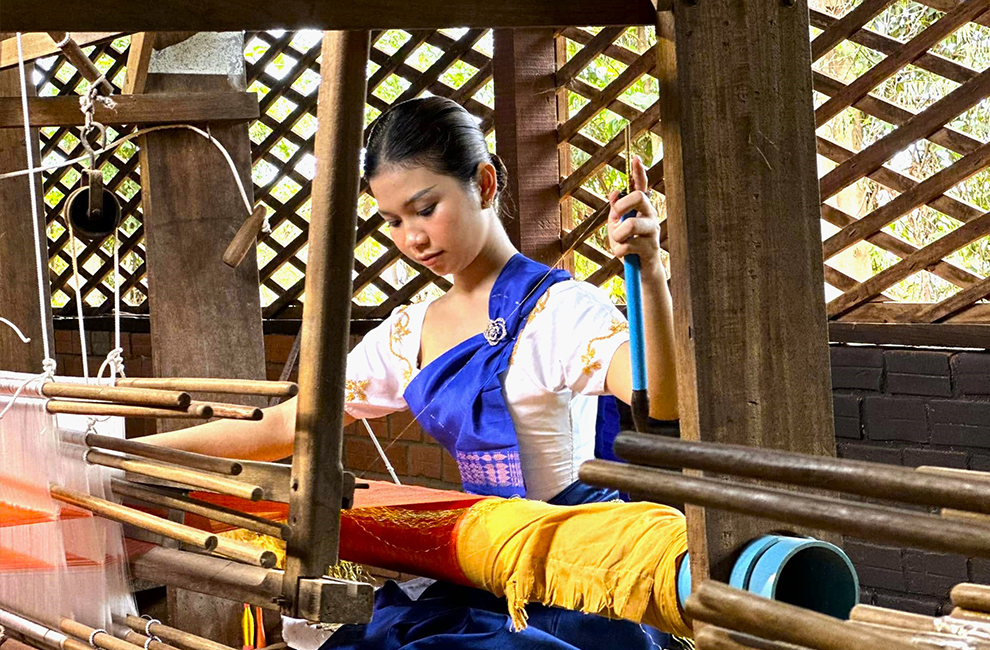
Artisans Angkor Workshop

5. Dine at Farm-to-Table Restaurants

Siem Reap’s culinary scene is thriving, and many restaurants are embracing sustainable practices. Farm-to-table restaurants source their ingredients locally, reducing the carbon footprint associated with food transportation. Some top eco-friendly dining options include:

  • Haven Training Restaurant: A social enterprise that trains disadvantaged youth while serving delicious, locally sourced meals.
  • Sister Srey Café: Known for its ethical practices and support for local farmers.
  • Chanrey Tree: Offers traditional Khmer cuisine made with fresh, local ingredients.

6. Participate in Community-Based Tourism

Community-based tourism initiatives allow you to connect with local communities while contributing to their economic development. In Siem Reap, you can:

  • Visit the Phnom Kulen National Park and learn about reforestation efforts.
  • Join a cooking class at a local village to discover traditional Khmer recipes.
  • Volunteer with organizations like Green Gecko Project, which supports underprivileged children and families.

These experiences not only enrich your trip but also create a positive impact on the local community.

Chambok Community

7. Reduce Plastic Waste

Plastic pollution is a significant issue in Cambodia, and travelers can play a role in reducing it. Here’s how:

  • Carry a reusable water bottle and refill it at water stations available in many hotels and restaurants.
  • Say no to single-use plastics, such as straws and plastic bags.
  • Participate in beach or river clean-up activities organized by local NGOs.

8. Explore Siem Reap’s Green Spaces

Beyond the temples, Siem Reap offers lush green spaces that are perfect for eco-conscious travelers. Visit the Siem Reap Botanical Garden or take a stroll along the Siem Reap River. These areas provide a peaceful escape from the city’s hustle and bustle while showcasing Cambodia’s natural beauty.

9. Use Eco-Friendly Transportation

Opt for eco-friendly transportation options whenever possible. Walking is a great way to explore the city center, while electric tuk-tuks are becoming increasingly popular for longer distances. Many tour operators also offer eco-friendly transportation options for day trips.

Travel with Tuk Tuk

10. Learn About Cambodian Culture and Conservation Efforts

Take the time to learn about Cambodia’s history, culture, and ongoing conservation efforts. Visit the Angkor Centre for Conservation of Biodiversity to understand the importance of protecting the region’s wildlife. Engage with local guides who can share insights into the country’s heritage and environmental challenges.

Final Thoughts

Siem Reap is a destination that offers something for everyone, from ancient temples to vibrant markets and serene natural landscapes. By adopting eco-friendly travel practices, you can enjoy all that this incredible city has to offer while contributing to its preservation. Whether it’s cycling through Angkor Wat, dining at farm-to-table restaurants, or supporting local artisans, every small action makes a difference.

So, pack your bags, embrace sustainable travel, and get ready to create unforgettable memories in Siem Reap. Together, we can ensure that this beautiful destination remains a treasure for generations to come.

Exploring the Magnificence of Angkor Wat in Cambodia: A UNESCO World Heritage Site

Angkor Wat in Cambodia is one of the most iconic and breathtaking archaeological sites in the world. As the largest religious monument on the planet, this ancient temple complex attracts millions of visitors annually. Whether you’re a history enthusiast, a spiritual seeker, or a travel lover, Angkor Wat offers an unforgettable experience. In this comprehensive guide, we’ll delve into the history, architecture, significance, and travel tips for visiting Angkor Wat, ensuring you have all the information you need to plan your trip to this UNESCO World Heritage Site.

The History of Angkor Wat in Cambodia

Angkor Wat, located in Siem Reap, Cambodia, was built in the early 12th century by King Suryavarman II. Originally constructed as a Hindu temple dedicated to the god Vishnu, it later transformed into a Buddhist site. The name “Angkor Wat” translates to “City of Temples,” reflecting its grandeur and spiritual importance.

The temple complex was the heart of the Khmer Empire, which ruled much of Southeast Asia from the 9th to the 15th century. Despite the empire’s decline, Angkor Wat remained a significant religious site and is now a symbol of Cambodia’s rich cultural heritage. Its intricate carvings, towering spires, and vast moats are a testament to the ingenuity and artistry of the Khmer people.

History of Angkor Wat

Why Angkor Wat is a UNESCO World Heritage Site

Angkor Wat was designated a UNESCO World Heritage Site in 1992, recognizing its outstanding cultural and historical significance. The site is celebrated for its:

  1. Architectural Brilliance: Angkor Wat is a masterpiece of Khmer architecture, featuring a unique blend of symmetry, symbolism, and intricate detailing.
  2. Cultural Importance: As a center of both Hinduism and Buddhism, Angkor Wat reflects the spiritual evolution of the region.
  3. Historical Value: The temple complex provides invaluable insights into the Khmer Empire’s political, religious, and social structures.

The Architecture of Angkor Wat

The design of Angkor Wat is a marvel of ancient engineering. The temple is laid out in a concentric pattern, with a central tower representing Mount Meru, the mythical home of the gods in Hindu cosmology. Surrounding the central tower are four smaller towers, symbolizing the mountain’s peaks.

Key architectural features include:

  • The Moat: A massive 190-meter-wide moat encircles the temple, symbolizing the cosmic ocean.
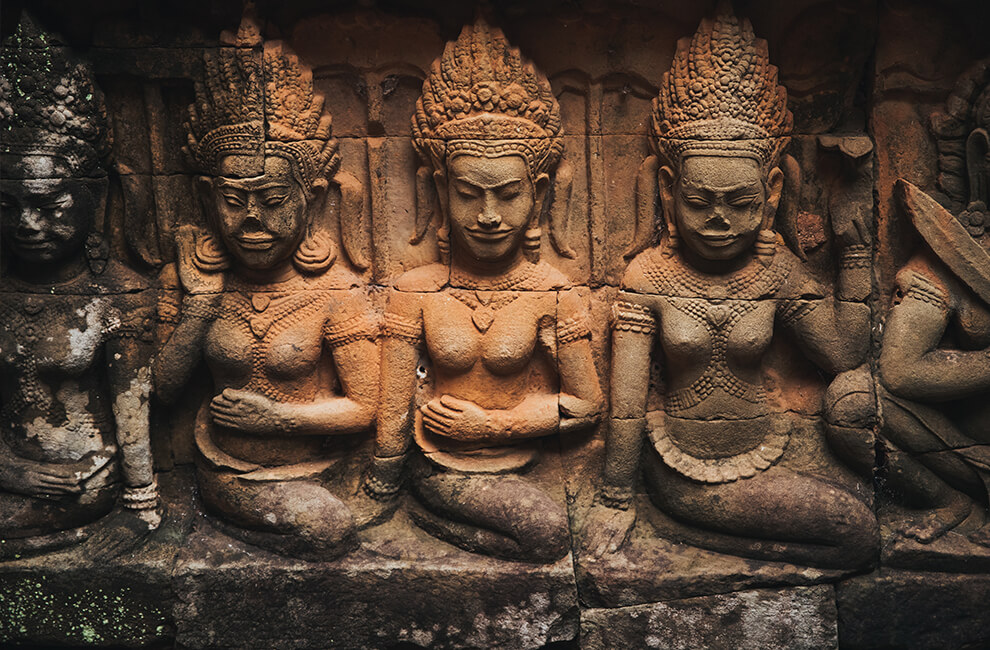
  • Bas-Reliefs: The walls of Angkor Wat are adorned with over 1,200 square meters of intricate bas-reliefs depicting scenes from Hindu epics like the Mahabharata and Ramayana.
  • Galleries and Libraries: The temple complex includes numerous galleries and libraries, showcasing the Khmer Empire’s advanced knowledge and artistic skills.
Angkor Wat Temple

The Spiritual Significance of Angkor Wat

Angkor Wat is not just an architectural wonder; it is also a deeply spiritual place. For centuries, it has been a site of pilgrimage for both Hindus and Buddhists. The temple’s alignment with the sun during the equinoxes highlights its connection to celestial events, further emphasizing its spiritual importance.

Today, Angkor Wat remains an active place of worship, with Buddhist monks often seen meditating or performing rituals within its sacred walls. Visitors are encouraged to respect the site’s spiritual significance by dressing modestly and behaving respectfully.

Best Time to Visit Angkor Wat in Cambodia

The best time to visit Angkor Wat is during the dry season, which runs from November to March. During this period, the weather is cooler, and the skies are clear, making it ideal for exploring the temple complex and capturing stunning photographs.

  • Sunrise at Angkor Wat: One of the most magical experiences is witnessing the sunrise over Angkor Wat. The temple’s silhouette against the morning sky is a sight you’ll never forget.
  • Avoiding Crowds: To enjoy a more peaceful experience, visit early in the morning or late in the afternoon when the crowds are thinner.

How to Get to Angkor Wat

Angkor Wat is located approximately 6 kilometers north of Siem Reap, Cambodia’s most popular tourist hub. Here’s how you can reach the temple complex:

  1. By Air: Fly into Siem Reap International Airport, which is well-connected to major cities in Asia.
  2. By Land: Siem Reap is accessible by bus or taxi from Phnom Penh, Cambodia’s capital.
  3. Local Transportation: Once in Siem Reap, you can hire a tuk-tuk, bicycle, or private car to reach Angkor Wat.
Time to Visit Angkor Wat

Exploring the Angkor Archaeological Park

Angkor Wat is just one of the many temples within the Angkor Archaeological Park, which spans over 400 square kilometers. Other must-visit temples include:

  • Bayon Temple: Known for its massive stone faces, Bayon is a highlight of the Angkor Thom complex.
  • Ta Prohm: Famous for its jungle-covered ruins, Ta Prohm offers a glimpse into how nature has reclaimed the temples.
  • Banteay Srei: This smaller temple is renowned for its exquisite carvings and pink sandstone construction.

Travel Tips for Visiting Angkor Wat

  1. Purchase an Angkor Pass: To enter the Angkor Archaeological Park, you’ll need to buy an Angkor Pass. Options include a 1-day ($37), 3−day ($62), or 7-day pass ($72).
  2. Dress Appropriately: As a religious site, Angkor Wat requires visitors to dress modestly. Cover your shoulders and knees.
  3. Stay Hydrated: The Cambodian heat can be intense, so carry plenty of water.
  4. Hire a Guide: A knowledgeable guide can enhance your visit by providing historical and cultural insights.
  5. Respect the Site: Avoid touching the carvings or climbing on restricted areas to help preserve this ancient wonder.
Must-See Sites in Siem Reap

Angkor Wat in Popular Culture

Angkor Wat has captured the imagination of people worldwide and has been featured in numerous films, documentaries, and books. Its timeless beauty continues to inspire artists, writers, and filmmakers, further cementing its status as a global icon.

Conclusion: Why Angkor Wat is a Must-Visit Destination

Angkor Wat in Cambodia is more than just a temple; it is a symbol of human creativity, spirituality, and resilience. Its awe-inspiring architecture, rich history, and spiritual significance make it a must-visit destination for travelers from around the world. Whether you’re marveling at the intricate carvings, watching the sunrise over the temple, or exploring the surrounding archaeological park, Angkor Wat promises an experience that will stay with you forever.

Plan your trip to Angkor Wat today and discover why this UNESCO World Heritage Site is considered one of the greatest wonders of the ancient world.

Local Travel Packing Tips to Cambodia: Your Ultimate Guide

Cambodia, a land of ancient temples, lush landscapes, and vibrant culture, is a dream destination for travelers. Whether you’re exploring the iconic Angkor Wat, relaxing on the pristine beaches of Sihanoukville, or immersing yourself in the bustling markets of Phnom Penh, packing smart is essential for a seamless experience. In this comprehensive guide, we’ll share the best local travel packing tips to Cambodia, ensuring you’re prepared for every adventure. Plus, we’ll include opportunities to explore more travel insights on Visit Local Travel.

Understand Cambodia’s Climate and Pack Accordingly

Cambodia’s tropical climate means hot and humid weather year-round, with distinct wet and dry seasons. Here’s how to pack for each:

  • Dry Season (November to April): Lightweight, breathable clothing is a must. Opt for cotton or moisture-wicking fabrics to stay cool. Don’t forget a wide-brimmed hat and sunglasses for sun protection.
  • Wet Season (May to October): Pack a lightweight, waterproof jacket or poncho. Quick-drying clothes and waterproof footwear are essential for navigating sudden downpours.

For more detailed weather insights and seasonal travel tips, check out Cambodia Weather Guide.

Dress Modestly for Cultural Sensitivity

Cambodia is a conservative country, especially when visiting temples and religious sites. Pack clothing that covers your shoulders and knees. Here’s what to include:

  • Lightweight, long-sleeved tops
  • Loose-fitting pants or long skirts
  • A sarong or scarf for covering up when needed

Pro Tip: Remove your shoes and hats when entering temples, so slip-on footwear is a practical choice.

For more cultural etiquette tips, visit Cambodia Culture Guide.

Travel Like a Local

Choose the Right Footwear

From temple explorations to city strolls, your footwear can make or break your trip. Here’s what to pack:

  • Comfortable Walking Shoes: For exploring Angkor Wat and other historical sites.
  • Sandals: Ideal for hot weather and easy to slip on and off.
  • Waterproof Shoes: Essential during the wet season or for beach trips.

Pack Lightweight, Versatile Clothing

Cambodia’s tropical climate calls for lightweight and versatile clothing. Here’s a checklist:

  • 4-5 breathable tops
  • 2-3 pairs of lightweight pants or skirts
  • 1-2 dresses (for women) or collared shirts (for men) for nicer occasions
  • Swimwear for beach destinations like Sihanoukville or Kep
  • A lightweight sweater or shawl for cooler evenings or air-conditioned buses.

For a detailed packing list, check out Ultimate Cambodia Packing List.

Don’t Forget Essential Travel Accessories

These small items can make a big difference during your trip:

  • Reusable Water Bottle: Stay hydrated while reducing plastic waste. Consider a bottle with a built-in filter for safe drinking water.
  • Power Adapter: Cambodia uses Type A, C, and G plugs, so bring a universal adapter.
  • Daypack: A lightweight, secure bag for daily excursions.
  • Sunscreen and Insect Repellent: Protect yourself from the sun and mosquitoes, especially in rural areas.
  • First Aid Kit: Include basics like band-aids, antiseptic wipes, and any personal medications.

For more travel accessory recommendations, visit Travel Gear Guide.

Electric plug sockets in Cambodia

Stay Connected with the Right Tech

Capture memories and stay connected with these tech essentials:

  • Camera or Smartphone: Cambodia’s landscapes and architecture are incredibly photogenic.
  • Portable Charger: Keep your devices powered during long days of exploration.
  • SIM Card: Purchase a local SIM card for affordable data and calls. Major providers include Smart and Cellcard.

For tips on staying connected in Cambodia, check out Cambodia SIM Card Guide.

Pack for Health and Safety

Cambodia is generally safe for travelers, but it’s wise to be prepared:

  • Travel Insurance: Ensure you’re covered for medical emergencies and trip cancellations.
  • Hand Sanitizer and Wet Wipes: Keep clean, especially when street food is involved.
  • Medications: Bring any prescription medications and basic over-the-counter remedies for common travel ailments.

For more health and safety tips, visit Cambodia Safety Guide.

Guide to Visit Cambodia

Respect Local Customs with Thoughtful Gifts

If you’re visiting local communities or staying with a host family, consider bringing small gifts from home. Items like school supplies, toys, or clothing are appreciated. Avoid giving money directly to children, as it can encourage begging.

For more on responsible travel in Cambodia, check out Responsible Travel Guide.

Organize Your Documents

Keep your important documents safe and organized:

  • Passport (with at least 6 months validity)
  • Visa (if required)
  • Flight itineraries and hotel bookings
  • Copies of important documents (stored digitally and physically)

For visa information and travel requirements, visit Cambodia Visa Guide.

Cambodian Local Activities

Leave Room for Souvenirs

Cambodia is known for its unique handicrafts, silk products, and spices. Pack a foldable duffle bag or leave some space in your luggage for souvenirs. Popular items include:

  • Handwoven silk scarves
  • Kampot pepper
  • Silver jewelry
  • Traditional Khmer artwork

For the best shopping spots, check out Cambodia Shopping Guide.

Final Thoughts of Local Travel Packing Tips

Packing for Cambodia doesn’t have to be overwhelming. By focusing on lightweight, versatile items and respecting local customs, you’ll be well-prepared for an unforgettable adventure. Remember to check the weather, dress modestly for temple visits, and prioritize health and safety.

For more travel tips, destination guides, and packing lists, visit Visit Local Travel. Whether you’re a first-time visitor or a seasoned traveler, our resources will help you make the most of your Cambodian journey.

Hidden Local Attractions in Phnom Penh: Discover the City’s Best-Kept Secrets

Phnom Penh, the vibrant capital of Cambodia, is often celebrated for its iconic landmarks like the Royal Palace, Silver Pagoda, and the bustling riverside. However, beyond these well-trodden paths lies a treasure trove of hidden local attractions that offer a more intimate and authentic experience of the city. Whether you’re a history buff, a culture enthusiast, or simply looking to escape the tourist crowds, these lesser-known gems will leave you spellbound. Here’s your ultimate guide to the hidden local attractions in Phnom Penh. This Phnom Penh Secrets Full Day Tour offers special tour itinerary.

Wat Langka: A Serene Oasis in the Heart of the City

Tucked away in a quiet neighborhood near Independence Monument, Wat Langka is one of Phnom Penh’s oldest and most peaceful Buddhist temples. Unlike the more popular temples, Wat Langka offers a tranquil escape from the city’s hustle and bustle.

Why Visit?
Wat Langka is not only a place of worship but also a center for meditation and learning. The temple’s intricate murals and serene atmosphere make it a perfect spot for reflection.

Pro Tip: Visit during early morning or late afternoon to witness monks chanting and locals offering prayers.

Wat Langka in Phnom Penh

Koh Pich (Diamond Island) in Phnom Penh

Koh Pich is a modern, man-made island located in the Bassac River, near Phnom Penh, Cambodia. Known for its upscale developments, it features luxury condos, shopping areas, entertainment venues, and scenic riverside walkways. The island is a popular spot for both locals and tourists, offering a mix of leisure, dining, and cultural experiences.

Why Visit:

  • Enjoy the vibrant atmosphere at the Koh Pich Night Market.
  • Stroll along the picturesque riverside promenade.
  • Experience modern Cambodian architecture and lifestyle.
  • Attend events or festivals often held at the island’s convention center.

Pro Tip: Visit in the evening to enjoy cooler weather, stunning city views, and the lively night market. Wear comfortable shoes for walking and bring cash for local vendors.

Koh Pich - Diamond Island

Choeung Ek Genocidal Center (The Killing Fields)

While not entirely “hidden,” Choeung Ek is often overshadowed by the more centrally located Tuol Sleng Genocide Museum. This somber site, located about 15 kilometers from the city center, is a poignant reminder of Cambodia’s tragic history under the Khmer Rouge regime.

Why Visit?
The Killing Fields offer a deeply moving experience, with a memorial stupa housing thousands of skulls and a peaceful yet haunting atmosphere. It’s a place to reflect on the resilience of the Cambodian people.

Pro Tip: Hire a local guide to gain a deeper understanding of the site’s history and significance.

Choeung Ek Killing Fields

Street 240: A Quaint Haven for Art and Culture

Street 240 is a charming, tree-lined avenue that feels worlds away from the chaos of Phnom Penh’s main streets. Known for its boutique shops, art galleries, and cozy cafes, this hidden gem is a favorite among locals and expats alike.

Why Visit?
Explore unique handicrafts, contemporary art, and vintage finds at the many shops and galleries. Don’t miss the chance to relax at one of the street’s chic cafes, which serve everything from traditional Cambodian coffee to international cuisine.

Pro Tip: Visit on weekends when the street is at its liveliest, with locals enjoying leisurely strolls and brunches.

Royal Palace of Cambodia

Royal Palace is located in Phnom Penh, the Royal Palace is a stunning architectural complex that serves as the official residence of the King of Cambodia. Built in the 19th century, it features traditional Khmer design with intricate details, lush gardens, and iconic structures like the Silver Pagoda, which houses a revered Emerald Buddha and a floor made of 5,000 silver tiles.

Why Visit?

  • Cultural Insight: The palace offers a glimpse into Cambodia’s royal history and spiritual traditions.
  • Architectural Beauty: Its Khmer-inspired design and ornate decorations are visually captivating.
  • Spiritual Significance: The Silver Pagoda is a sacred site with priceless Buddhist artifacts.

Tip: To visit Royal Palace, please dress modestly (cover shoulders and knees) as it’s a religious and royal site. Visit early in the morning to avoid crowds and heat.

Best Phnom Penh Tours

Wat Phnom: The Legendary Hill Temple

While Wat Phnom is technically a well-known landmark, many visitors overlook its rich history and cultural significance. Perched on a small hill, this temple is the namesake of Phnom Penh and is steeped in legend.

Why Visit?
According to local lore, Wat Phnom was founded by a woman named Penh, who discovered four Buddha statues in a tree trunk. The temple offers a peaceful retreat with lush gardens and resident monkeys.

Pro Tip: Climb to the top for panoramic views of the city and take time to admire the intricate carvings and statues.

The Russian Market (Phsar Toul Tom Poung)

While the Central Market is a popular tourist destination, the Russian Market remains a favorite among locals. This bustling market is a treasure trove of handicrafts, souvenirs, and street food.

Why Visit?
The Russian Market is the perfect place to shop for unique Cambodian souvenirs, from silk scarves to hand-carved wooden items. The food stalls also offer an array of delicious local dishes at affordable prices.

Pro Tip: Bargain politely with vendors and try the market’s famous iced coffee for a refreshing break.

Russian Market in Phnom Penh

Koh Dach (Silk Island): A Rural Escape

Just a short ferry ride from Phnom Penh, Koh Dach (Silk Island) feels like a world away from the city’s chaos. This tranquil island is known for its traditional silk-weaving villages and lush countryside.

Why Visit?
Experience rural Cambodian life, watch skilled artisans create beautiful silk products, and enjoy the island’s serene landscapes. You can also rent a bike to explore the island at your own pace.

Pro Tip: Support local artisans by purchasing handmade silk scarves or fabrics directly from the weavers.

The National Museum of Cambodia: A Cultural Treasure Trove

While not exactly “hidden,” the National Museum is often overlooked by tourists in favor of more famous attractions. This stunning museum houses the world’s largest collection of Khmer art, including sculptures, ceramics, and ethnographic objects.

Why Visit?
The museum’s architecture alone is worth the visit, with its traditional Khmer design and tranquil courtyard. Inside, you’ll find artifacts dating back to the Angkorian era, offering a deep dive into Cambodia’s rich cultural heritage.

Pro Tip: Hire a guide or join a guided tour to gain insights into the museum’s most significant pieces.

National Museum of Cambodia

Ounalom Pagoda: A Spiritual Hub

Located near the riverside, Ounalom Pagoda is one of Phnom Penh’s most important Buddhist sites. Despite its central location, it remains relatively undiscovered by tourists.

Why Visit?
The pagoda complex includes a stupa said to contain a hair from the Buddha’s eyebrow. The peaceful atmosphere and beautiful architecture make it a perfect spot for quiet contemplation.

Pro Tip: Dress modestly and remove your shoes before entering the temple buildings.

The Cambodian Living Arts (CLA) Performances

For a unique cultural experience, attend a performance by Cambodian Living Arts, an organization dedicated to reviving traditional Khmer arts. These performances are held in intimate venues and showcase traditional music, dance, and storytelling.

Why Visit?
The performances offer a rare opportunity to experience Cambodia’s rich artistic heritage in an authentic and engaging way.

Pro Tip: Check the CLA website for schedules and book tickets in advance, as performances often sell out.

Final Thoughts of Local Attractions

Phnom Penh is a city of contrasts, where ancient traditions meet modern vibrancy. While its famous landmarks are undoubtedly worth visiting, the hidden local attractions offer a deeper, more personal connection to the city’s culture and history. From serene temples and bustling markets to rural escapes and cultural performances, these lesser-known gems promise an unforgettable experience.

So, the next time you find yourself in Phnom Penh, venture off the beaten path and discover the city’s best-kept secrets. You’ll not only gain a deeper appreciation for Cambodia’s rich heritage but also create memories that will last a lifetime.