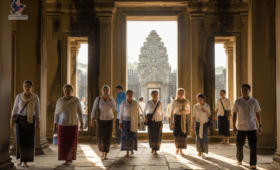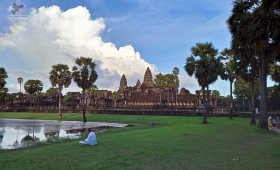

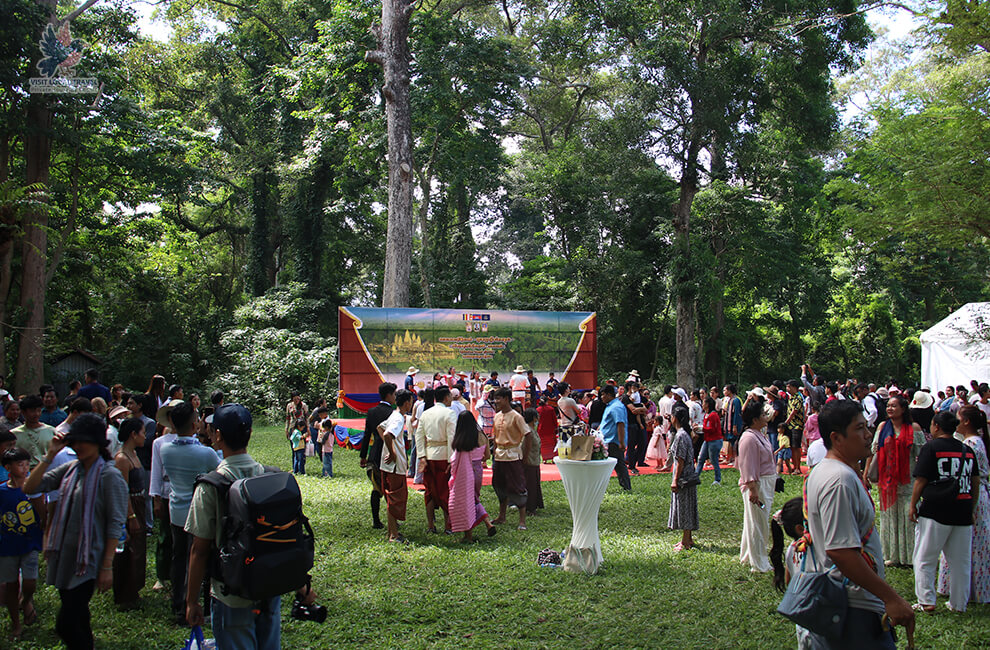
Of all the names that echo through the annals of human history, few carry the weight and wonder of Angkor. For centuries, the sprawling stone cities of the Khmer Empire lay sleeping, swallowed by the relentless embrace of the Cambodian jungle. Their rediscovery captured the world’s imagination, and today, the gateway to this ancient world is the vibrant town of Siem Reap. Yet, to see Siem Reap merely as a pit-stop for Angkor Wat is to miss the profound depth of the experience. This is a place where the grandeur of a lost civilization is matched by the resilience of its people and the vibrant pulse of modern Cambodian culture.
Your journey to the essential Siem Reap is a voyage through time, texture, and taste—a tapestry woven with the threads of stone, spirit, and water.
The Crown Jewel: Unveiling the Temples of Angkor
No visit is complete without paying homage to the architectural marvels that define the region. The Angkor Archaeological Park is vast, a testament to an empire that, at its height, stretched across much of Southeast Asia. Planning is key to navigating its wonders.
Angkor Wat: The Cosmic Monument
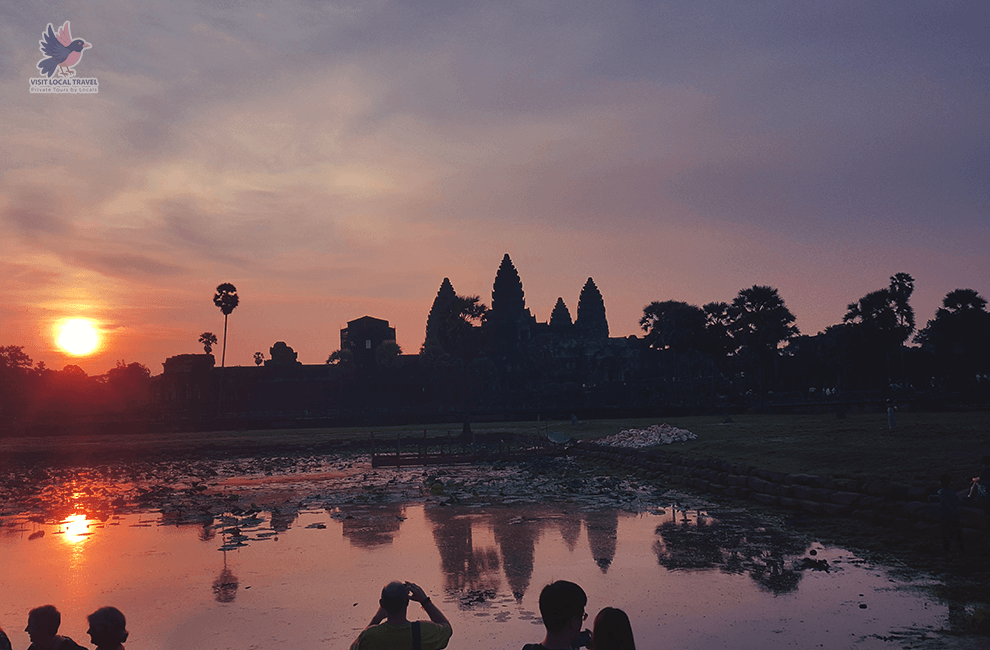
Begin, as the sun does, at Angkor Wat. The largest religious monument in the world, it is more than a temple; it is a representation of the Hindu cosmos in stone. Its iconic five towers are designed to mimic Mount Meru, the abode of the gods.
The best way to approach it is via the long stone causeway over the moat, watching the silhouette grow against the dawn sky. Sunrise here is a pilgrimage, but don’t rush away once the colors fade. Spend hours exploring the vast galleries, marveling at the intricate bas-reliefs that depict epic myths like the Churning of the Ocean of Milk, and ascending to the central sanctuary for a breathtaking view. Angkor Wat is a masterpiece that demands contemplation.
Angkor Thom: The Great City
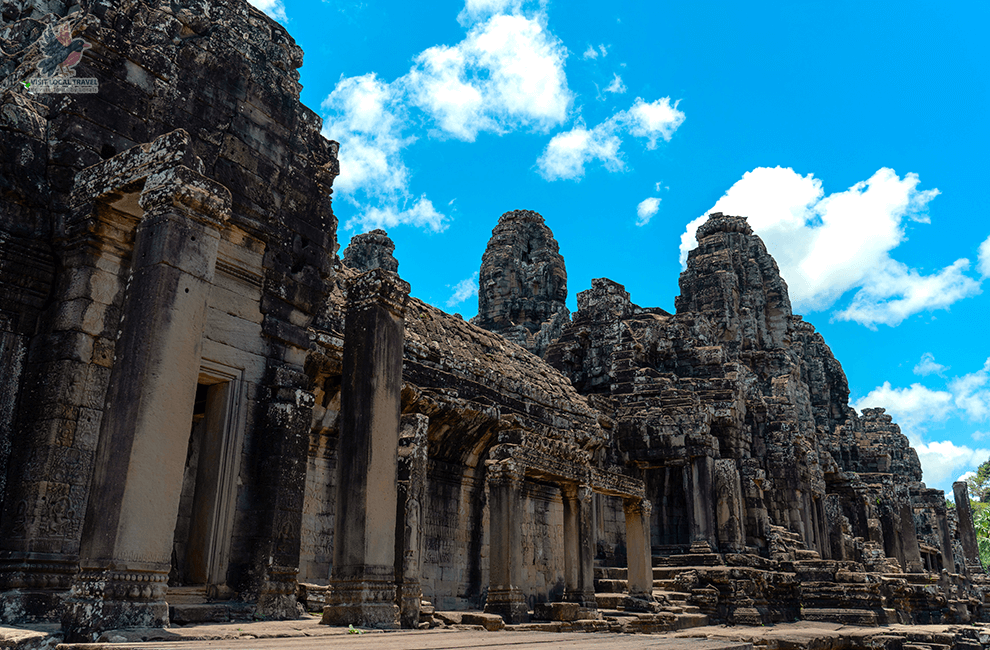
Just north lies the walled city of Angkor Thom, a later capital. Enter through the South Gate, lined with stone gods and demons holding a giant naga (serpent), and you step into a different world. The centerpiece is the enigmatic Bayon Temple. Where Angkor Wat impresses with its scale and symmetry, the Bayon mesmerizes with its mystery. Fifty-four towers are carved with over 200 serene, smiling faces of Avalokiteshvara, the Bodhisattva of compassion, bearing a striking resemblance to the king himself. Their gaze follows you through the labyrinthine corridors, creating an unforgettable, almost surreal atmosphere.
Nearby, don’t miss the Terrace of the Elephants, a grand viewing platform for royal ceremonies, and the Terrace of the Leper King, with its deeply carved hidden walls.
Ta Prohm: The Embrace of Nature
Perhaps the most atmospheric of all the temples is Ta Prohm, left largely as it was found by early explorers. Here, the power of the jungle is on full display. Giant silk-cotton and strangler fig trees have woven their roots through the sandstone galleries, their muscular limbs gripping the stones like ancient serpents. It’s a place of stunning beauty and poignant decay, a powerful reminder of nature’s ultimate dominion. Made famous by the film Tomb Raider, it remains a must-see for its haunting, photogenic quality.
Venturing Further: Banteay Srei and Beng Mealea
For those looking to go beyond the main circuit, two temples are essential. Banteay Srei, the “Citadel of Women,” is located about 25 kilometers from the main park. Its miniature scale is deceptive, for it boasts the most exquisite, finely carved pink sandstone artwork in all of Angkor. The level of detail in the devatas (goddesses) and mythological scenes is unparalleled.
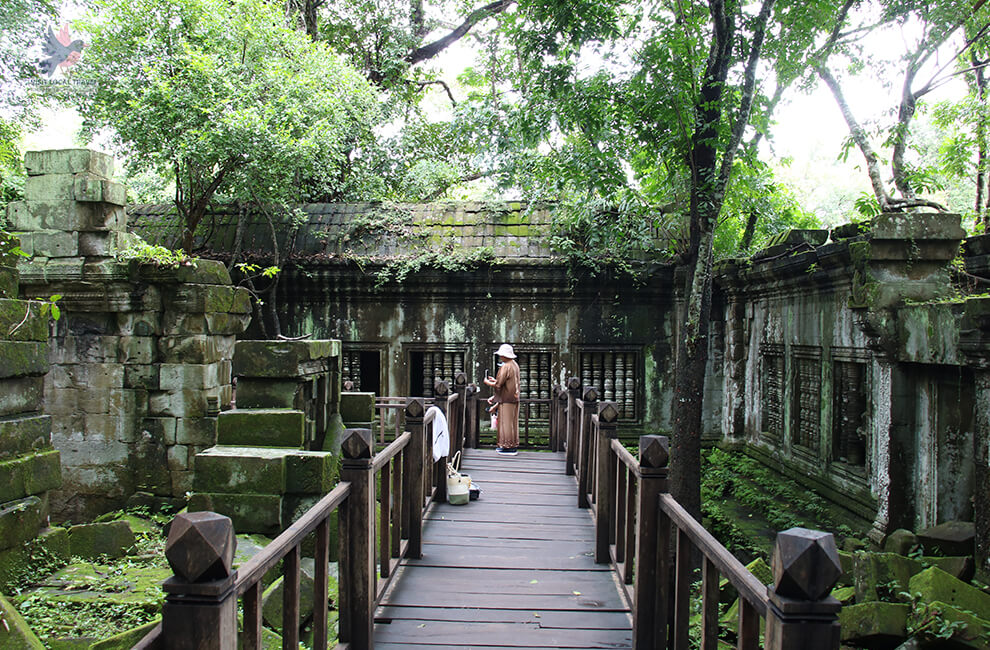
For a true adventure, journey to Beng Mealea, a temple that is the very definition of a jungle ruin. It is largely unreconstructed, a chaotic and magnificent pile of collapsed galleries and towers that you can explore on wooden walkways, feeling every bit an explorer discovering a lost world.
Beyond the Temples: The Soul of Siem Reap
The magic of Siem Reap extends far beyond its stone relics. The town itself is a dynamic blend of traditional Cambodian life and a thriving tourist hub.
The Pulse of Pub Street and the Old Market
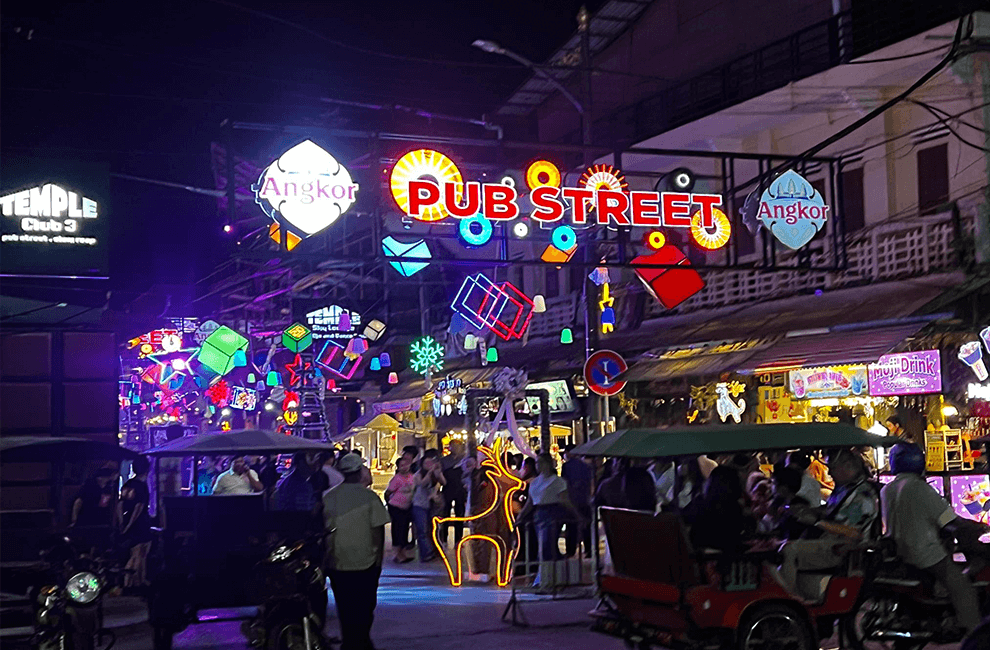
By evening, the heart of Siem Reap beats in and around Pub Street. This pedestrianized area is a carnival of lights, sounds, and smells. While it’s famous for its lively bars and international restaurants, it also offers fantastic local food stalls. Dive into a bowl of fish amok (a fragrant coconut fish curry) or sample grilled prawns from a street vendor. Just a block away, the Old Market (Psar Chas) offers a more authentic daytime experience, with stalls selling everything from spices and souvenirs to fresh produce and local delicacies.
A Cultural Immersion: Art, Dance, and Craft
To understand the living culture born from this ancient land, attend a performance of the Apsara Dance. This classical Khmer ballet, with its intricate costumes, graceful, stylized movements, and stories drawn from mythology, is a beautiful art form revived after the Khmer Rouge era. Several restaurants and theaters offer dinner shows.
For a deeper connection, visit the workshops of Artisans d’Angkor, a social enterprise that trains young Cambodians in traditional stone and wood carving, lacquerware, and silk painting. Seeing artisans recreate the very styles seen on the temple walls is a powerful link between past and present.
The Tonlé Sap: Life on the Water
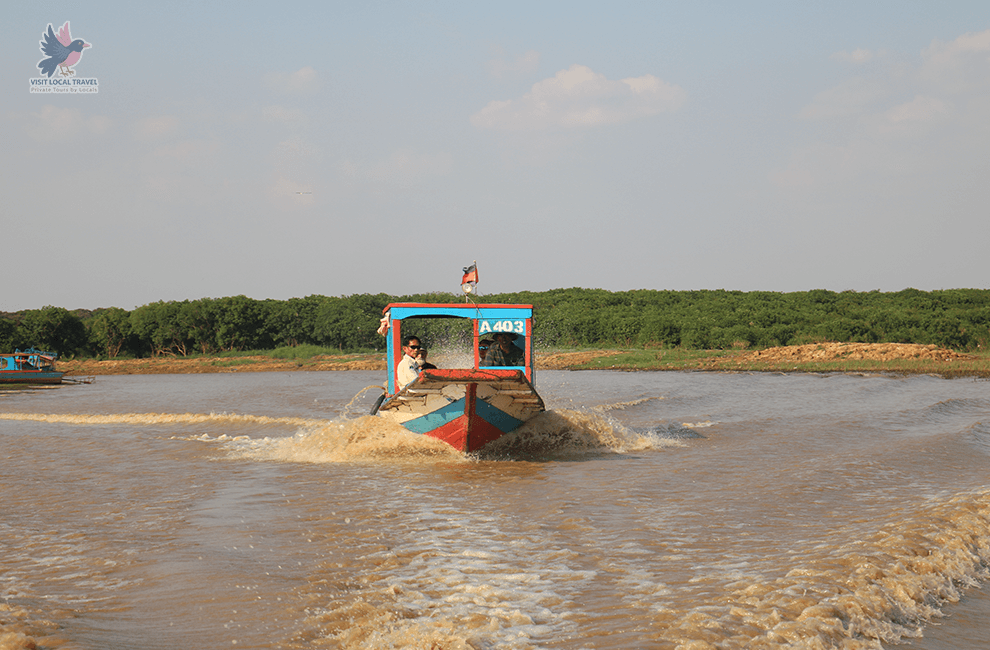
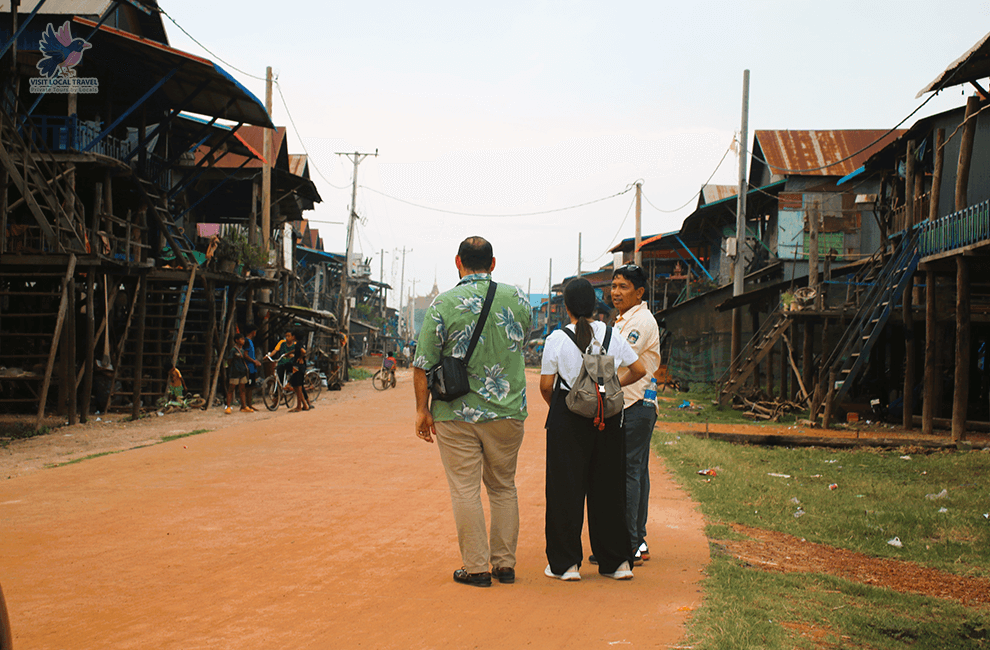
A short drive from Siem Reap lies the Tonlé Sap Lake, Southeast Asia’s largest freshwater lake. A boat trip here is a humbling experience, offering a glimpse into a unique way of life. Visit a floating village like Kampong Phluk or Kompong Khleang, where houses, schools, and markets are built on stilts or float directly on the water. The resilience of the communities that adapt to the lake’s dramatic seasonal changes is a profound testament to the human spirit.
Practical Tips for Your Journey
- Temple Passes: Purchase your Angkor Archaeological Park pass at the official ticket center. Options are 1-day ($37), 3-day ($62), or 7-day ($72). The 3-day pass, valid over ten days, is ideal for a comprehensive visit.
- Transport: Hire a tuk-tuk driver for the day—it’s an affordable and authentic way to get around. For a more personalized experience, consider a licensed guide who can bring the history and symbolism of the temples to life.
- Dress Code: As these are active religious sites, dress respectfully. Cover your shoulders and knees.
- Timing: To avoid the largest crowds and the heat, start your days early. Consider a reverse itinerary (e.g., starting at Banteay Srei) to find moments of solitude.
Siem Reap is a gift to the traveler seeking more than just a photograph. It is an encounter with the sublime ambition of humanity and the quiet, enduring strength of a culture that has weathered centuries. It is the awe of a sandstone giant at sunrise, the taste of a perfect mango, the smile of a tuk-tuk driver, and the profound silence of a jungle reclaiming its own. Go for Angkor Wat, but stay for the soul of Cambodia that you will find just beyond its walls.
FAQs for “The Essential Siem Reap
What makes this guide “Beyond” Angkor Wat? Does it cover more than just the main temples?
Absolutely. While we provide comprehensive guides to Angkor Wat, Angkor Thom, and Ta Prohm, a significant portion of the book is dedicated to experiences outside the main temple complex. This includes detailed chapters on the remote and stunning Beng Mealea, the sacred mountain temple of Phnom Kulen, the floating villages on Tonlé Sap Lake, and the pre-Angkorian ruins of Roluos. We also dive deep into modern Siem Reap, with guides to local markets, cooking classes, ethical dining experiences, and the vibrant Pub Street area, ensuring you get a full and rich cultural experience.
I’m on a tight schedule. Can this guide help me plan an efficient 1, 2, or 3-day itinerary?
Yes, this is a core feature of the guide. We understand that travelers have different amounts of time. The book includes several carefully crafted itineraries:
The 1-Day Highlight Blitz: A strategic plan to see the absolute must-see temples (Angkor Wat, Angkor Thom, Ta Prohm) with tips on avoiding the biggest crowds.
The Perfect 2-Day Explorer: Expands on the first day to include sunrise/sunrise options and a choice of secondary temples based on your interests (e.g., Preah Khan for atmosphere, Banteay Srei for intricate carvings).
The 3-Day Deep Dive: Allows you to venture further afield to sites like Beng Mealea or a half-day trip to Tonlé Sap, providing a much broader understanding of the region.
How up-to-date is the practical information on tickets, transportation, and costs?
“The Essential Siem Reap” is meticulously researched and updated regularly. You will find the latest information on:
Angkor Pass Tickets: Current pricing (1-day, 3-day, 7-day), where and how to purchase them (including the new official center location), and what identification you need.
Transportation: A breakdown of your options—from hiring a tuk-tuk for the day (including expected costs and negotiation tips) to private cars, bicycles, and electric scooters.
Budgeting: We provide sample budgets (backpacker, mid-range, luxury) and practical tips for saving money without sacrificing experience.
Does the guide offer cultural etiquette and responsible travel advice?
This is a fundamental aspect of our guide. We believe in traveling respectfully. You’ll find dedicated sections on:
Temple Etiquette: How to dress appropriately (covering shoulders and knees), rules about touching bas-reliefs and climbing certain structures, and being mindful of ongoing restoration work.
Social Etiquette: Basic Khmer phrases, the polite way to interact with monks, and general respectful behavior.
Responsible Tourism: We highlight ethical elephant sanctuaries (not riding), community-based tourism initiatives, and restaurants that support local causes, helping you make choices that positively impact the community.
I’m a food lover. Will this guide help me explore Cambodian cuisine in Siem Reap?
Definitely! We have a full chapter dedicated to the incredible food scene in Siem Reap. It goes beyond just listing restaurants and includes:
A Guide to Khmer Cuisine: An introduction to must-try dishes like Fish Amok, Lok Lak, and Nom Banh Chok.
Where to Eat: Recommendations ranging from street food stalls at the night market to high-end Cambodian fine dining.
Unique Experiences: How to book a local cooking class, where to find food tours, and tips for navigating the Old Market for the most adventurous eaters.