Are you in search of a serene and enchanting destination to explore during your trip to Cambodia? Look no further than Silk Island Phnom Penh. Nestled along the Mekong River, this hidden gem offers a tranquil escape from the bustling city life of Phnom Penh. In this travel guide, we will take you on a journey to uncover the beauty and charm of Silk Island, providing you with valuable insights and recommendations for an unforgettable experience.
Silk Island Phnom Penh: An Overview
Also known as Koh Dach, Silk Island is located just 15 kilometers northeast of Phnom Penh, making it easily accessible for a day trip or a weekend getaway. The island is renowned for its century-old tradition of silk weaving, which has been passed down through generations. As you step foot on the island, you will be greeted by lush greenery, picturesque landscapes, and a peaceful ambiance that will instantly captivate your senses.
Exploring the Island
Witnessing the Traditional Silk Weaving Process
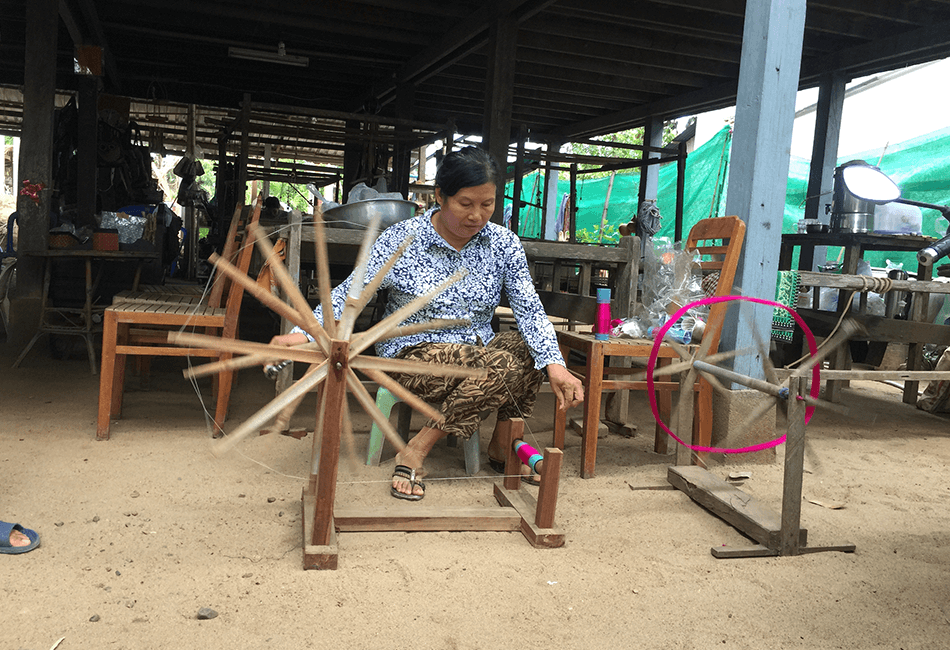
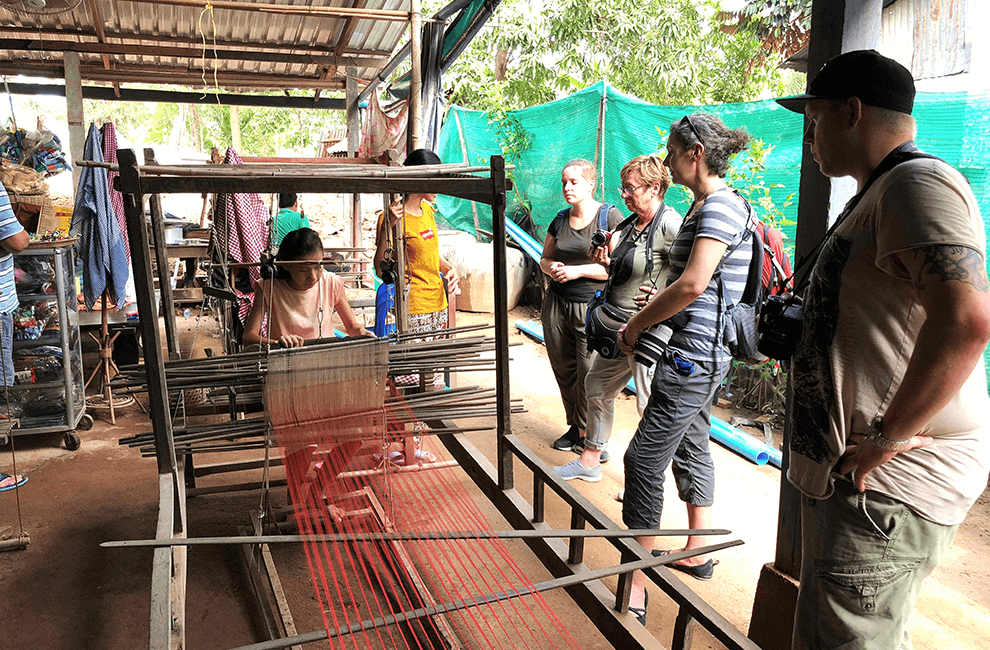
One of the highlights of Silk Island is the opportunity to witness the traditional silk weaving process. Visit the local silk farms and workshops, where skilled artisans meticulously craft intricate garments and textiles using ancient techniques. From spinning and dyeing the silk threads to operating handlooms, you can observe the various stages involved in creating exquisite silk products.
Cycling Through Idyllic Villages
Immerse yourself in the local culture and lifestyle by renting a bicycle and embarking on a leisurely ride through the idyllic villages of Silk Island. Marvel at traditional stilt houses, interact with friendly locals, and gain a deeper understanding of their daily routines and customs. As you pedal along the narrow pathways, don’t forget to admire the verdant rice paddies and scenic riverside views.
Indulging in Authentic Khmer Cuisine
No travel experience is complete without savoring the local cuisine. Silk Island offers a range of restaurants and eateries where you can sample authentic Khmer dishes. From fragrant curries and fresh seafood to delectable desserts, let your taste buds embark on a flavorful journey. Don’t miss the opportunity to try Amok, a traditional Cambodian fish dish, or indulge in the comforting flavors of Bai Sach Chrouk, a hearty pork and rice breakfast.
Planning Your Visit
Getting to Silk Island
To reach Silk Island, you can hire a tuk-tuk from Phnom Penh and enjoy a scenic journey along the Mekong River. Alternatively, you can take a short ferry ride from the Diamond Island Ferry Terminal, which will transport you directly to the island. The ferry operates from 6:00 AM to 6:00 PM, providing multiple departure times throughout the day.
Best Time to Visit
The dry season, which runs from November to April, is considered the best time to visit Silk Island. During this period, the weather is pleasant, and you can enjoy clear skies and comfortable temperatures. However, if you prefer a quieter and more peaceful experience, consider visiting during the shoulder seasons of May to October when the island is less crowded.
Essential Tips and Recommendations
Carry sufficient cash, as most businesses on the island do not accept credit cards.
Dress modestly and respectfully, especially when entering temples or interacting with locals.
Apply sunscreen and insect repellent to protect yourself from the sun and bugs.
Engage with the local artisans and weavers to learn more about their craft and support their livelihoods.
Conclusion
Silk Island Phnom Penh invites you to embark on a journey of tranquility and cultural immersion. Immerse yourself in the art of silk weaving, discover the charms of the local villages, and indulge in the flavors of Khmer cuisine. Whether you are seeking a day trip or a longer retreat, this hidden oasis promises a truly authentic and unforgettable experience. Pack your bags, and let Silk Island Phnom Penh weave its magic over you.
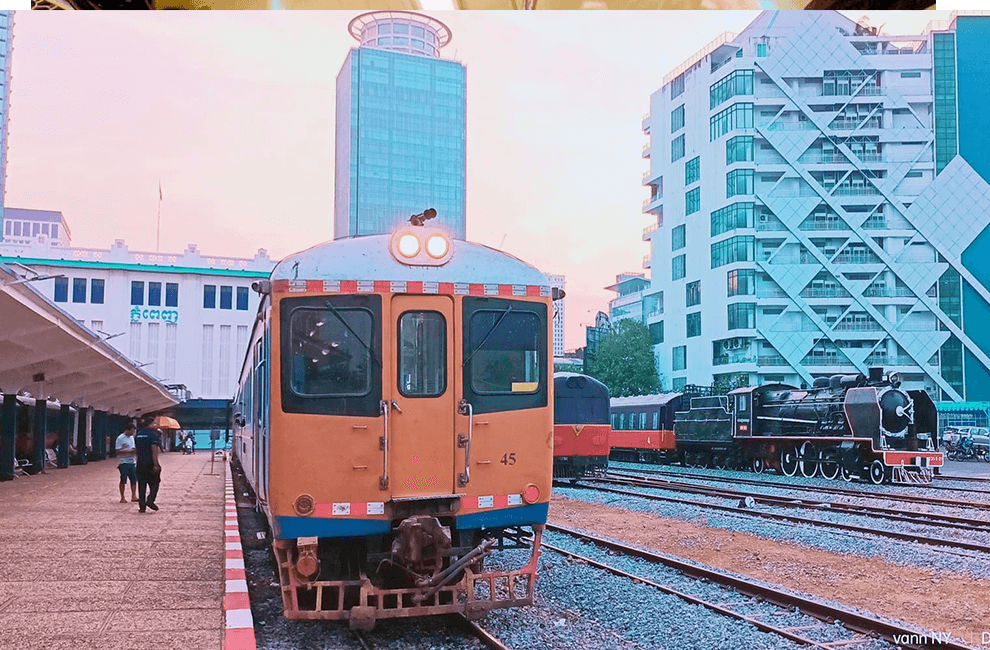
Cambodia Railway Station
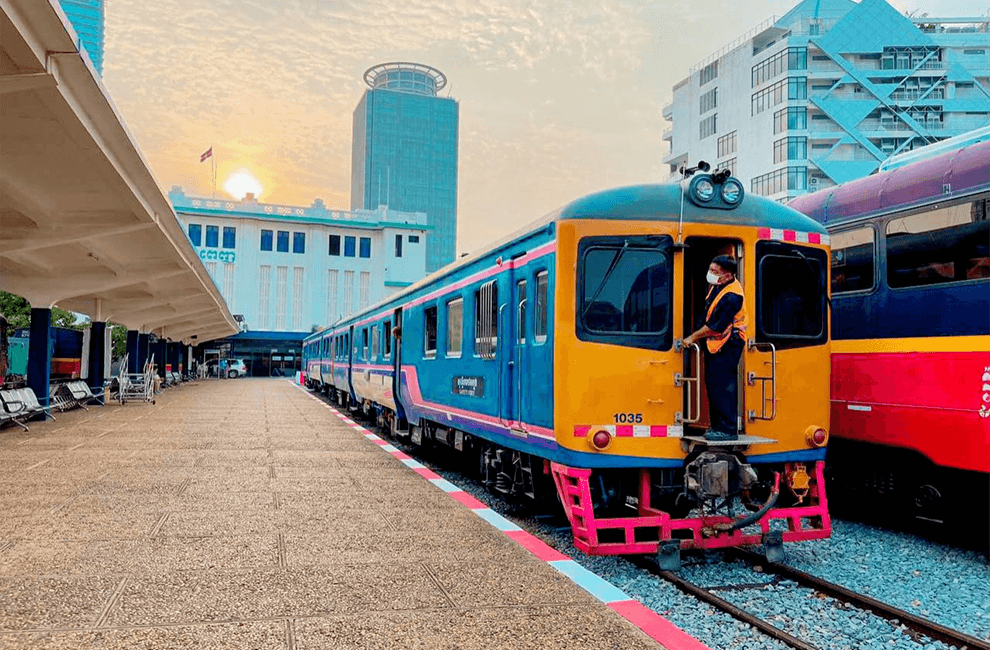
The Cambodia Railway Station plays a vital role in connecting the nation, providing a reliable and convenient mode of transportation for locals and tourists alike. This article explores the history, significance, and future of the railway station, highlighting its impact on Cambodia’s transportation system and economy.
Cambodia Railway Station: A Historical Journey
The Cambodia Railway Station has a rich history that dates back to the French colonial era. Built in the late 19th century, the railway system was initially established to transport goods and resources across the country. Over the years, the railway expanded, connecting major cities such as Phnom Penh, Battambang, and Sihanoukville.
Why is the Cambodia Railway Station Important?
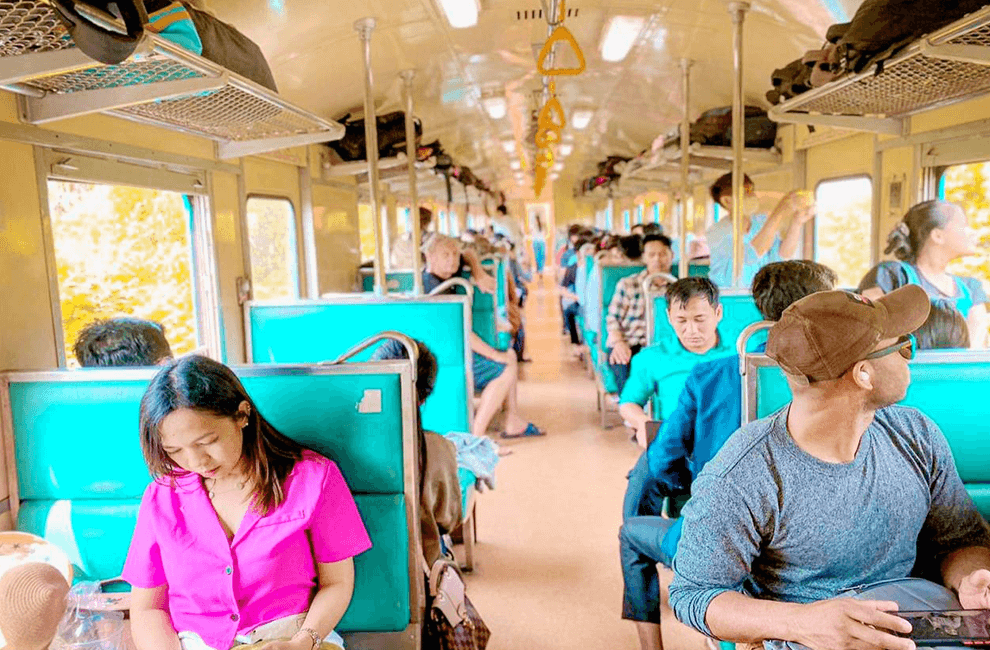
The Cambodia Railway Station serves as an essential mode of transportation for both locals and tourists. It offers an affordable and convenient way to travel across the country, showcasing the beauty and cultural diversity of Cambodia.
Boosting the Economy
The Cambodia Railway Station plays a significant role in boosting the country’s economy. By providing a reliable transport network, it facilitates the movement of goods and supports various industries such as agriculture, manufacturing, and tourism. Efficient transportation via the railway station also creates employment opportunities and stimulates economic growth in the regions it serves.
Infrastructure Development: The Future of Cambodia Railway Station
With ongoing infrastructure development initiatives, the future of the Railway Station looks promising. The government, in partnership with international organizations, is investing heavily in upgrading and expanding the railway network. This includes the construction of new tracks, modernizing train services, and improving the overall passenger experience.
Tourist Attractions Along the Railway
One of the unique features of the Cambodia Railway Station is the opportunity for tourists to explore cultural and natural attractions along the rail route. From villages to picturesque countryside landscapes, the railway journey offers a unique glimpse into Cambodia’s hidden gems.
Environmental Benefits
Beyond its economic and tourism benefits, the Railway Station also contributes to environmental sustainability. Trains are known to be more eco-friendly compared to other modes of transportation, producing lower carbon emissions per passenger. By promoting train travel, the railway station helps reduce congestion and pollution on roads, contributing to a greener and cleaner Cambodia.
Conclusion
The Cambodia Railway Station stands as a symbol of progress and connectivity, linking cities, communities, and cultures. Its importance cannot be overstated, as it not only provides an efficient mode of transportation but also drives economic growth and fosters sustainable development. Whether you are a local resident or a curious traveler, embark on a journey through Cambodia’s vibrant landscapes and experience the charm of the Cambodia Railway Station for yourself.
Central Market in Phnom Penh
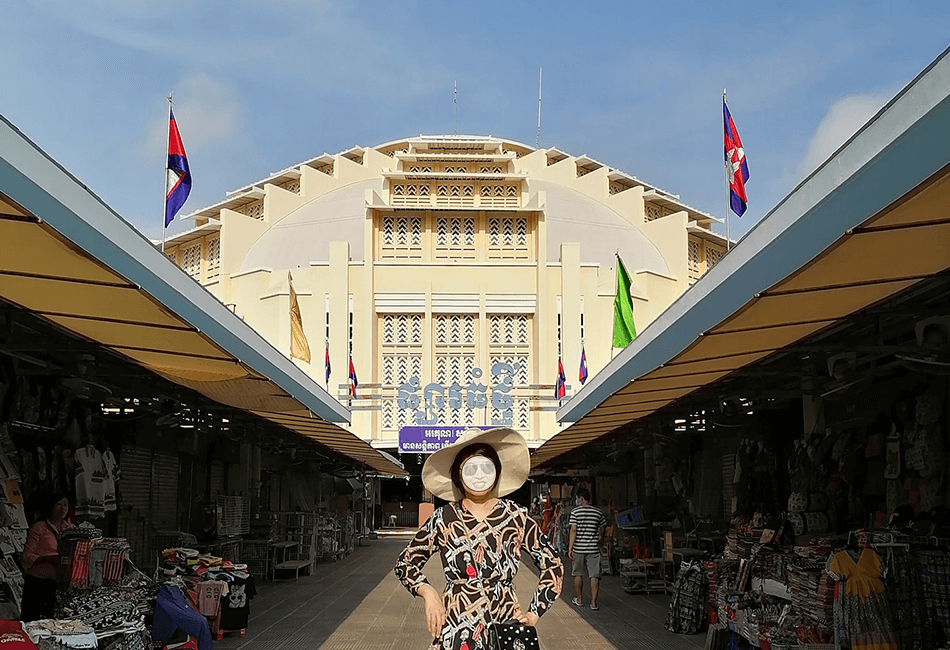
Welcome to Central Market Phnom Penh, the heart and soul of shopping in Cambodia’s capital city. Bursting with vibrant colors, exotic aromas, and a rich history, this bustling market is a must-visit destination for both tourists and locals. In this article, we will explore the fascinating history of Central Market Phnom Penh and provide a comprehensive shopping guide to help you make the most of your visit.
History of Central Market Phnom Penh
From humble beginnings to a cultural icon
Central Market Phnom Penh, also known as Phsar Thmei in Khmer, has a storied history that dates back to the 1930s. Constructed during the French colonial period, the market quickly became a prominent hub of commercial activity in Phnom Penh. With its distinctive Art Deco architecture and central location, the market soon established itself as a cultural icon of the city.
Relics from the past
One of the unique features of Phnom Penh Central Market is the abundance of historical artifacts that can be found within its walls. From vintage khmer silk clothing to antique jewelry and traditional crafts, the market is a treasure trove for history enthusiasts. As you stroll through the bustling aisles, take a moment to admire the craftsmanship of these relics from Cambodia’s past.
Shopping Guide for Central Market Phnom Penh
The Best Time to Visit
Phnom Penh Central Market is open seven days a week, from early morning until late afternoon. To avoid the crowds and get the best deals, it is advisable to visit early in the morning, as the market tends to get busy later in the day. Additionally, weekdays are generally less crowded than weekends, providing a more relaxed shopping experience.
Navigating the Market
With its sprawling maze of stalls and bustling atmosphere, navigating Central Market Phnom Penh can be a daunting task for first-time visitors. However, with a little planning, you can make the most of your shopping experience. It is helpful to start at the center of the market and work your way outwards, exploring each section in a systematic manner. This way, you won’t miss out on any hidden gems.
What to Buy
From traditional handicrafts to modern fashion, Central Market Phnom Penh offers a wide range of products to suit every taste and budget. Here are some of the must-buy items:
Khmer Silk: Known for its exquisite quality, khmer silk is a favorite among visitors. From scarves to traditional garments, you can find a variety of silk products at the market.
Silverware: Cambodia has a rich tradition of silver craftsmanship. At the market, you can find beautiful silver jewelry and tableware, intricately designed with traditional motifs.
Handmade Crafts: Support local artisans by purchasing handmade crafts such as wooden carvings, pottery, and stone sculptures. These unique pieces make for memorable souvenirs.
Fresh Produce and Spices: Don’t miss the bustling food section of the market, where you can find an abundance of fresh produce, local delicacies, and aromatic spices.
Bargaining Tips
Bargaining is a common practice at Phnom Penh Central Market, and it is expected that you negotiate the price with the sellers. Here are a few tips to help you get the best deals:
Start with a smile and a friendly greeting, establishing a rapport with the seller.
Do your research and have an idea of the average price for the item you wish to purchase.
Be respectful and polite during negotiations, maintaining a positive and friendly attitude.
Don’t be afraid to walk away if the price is not to your liking. Often, the seller will call you back with a better offer.
Conclusion
Central Market Phnom Penh is more than just a shopping destination; it is a cultural experience that immerses you in the vibrant spirit of Cambodia. With its rich history, vast array of products, and bustling atmosphere, this market offers a unique shopping experience like no other. So, put on your walking shoes, sharpen your bargaining skills, and get ready to explore the wonders of Phnom Penh Central Market. Happy shopping!
National Museum of Cambodia
The National Museum of Cambodia, located in Phnom Penh, stands as a testament to the country’s rich cultural heritage and provides a captivating window into the past. With its vast collection of artifacts and exhibits, the museum offers visitors a unique and immersive experience, shedding light on Cambodia’s history, art, and traditions. Let’s delve into the history, significance, and must-see highlights of this remarkable institution.
Location of National Museum
Tucked away in the heart of the capital city, the National Museum of Cambodia is situated in close proximity to the riverside promenade and the iconic Royal Palace. Its picturesque location allows visitors to not only explore the museum’s treasures but also soak in the beauty of the surrounding area.
History and Significance
Built between 1917 and 1920, the National Museum of Cambodia has withstood the test of time, even surviving the turbulent years of the Khmer Rouge regime. This architectural gem was designed by renowned French archaeologist George Groslier and echoes traditional Khmer temple design, with its distinctive terracotta roof and elegant facade.
The museum’s inception was driven by a desire to preserve Cambodia’s cultural heritage and safeguard it for future generations. Its establishment aimed to create a centralized repository for the diverse range of artifacts discovered across the country, ensuring their safekeeping and providing a platform for public appreciation and education.
The Museum’s Collections
Explore Cambodia’s Ancient Past
As you step through the museum’s entrance, you are immediately transported back in time to the era of the Khmer Empire. The galleries boast an extensive collection of prehistoric and Angkorian-era artifacts, showcasing the artistic achievements and architectural marvels of this bygone era. From intricate stone carvings to ancient statuary, these exhibits provide an invaluable insight into the cultural and religious practices of Cambodia’s ancestors.
Masterpieces of Khmer Art
One of the highlights of the National Museum is undoubtedly its exquisite collection of Khmer art. The museum houses an impressive assortment of sculptures, ceramics, and textiles, each piece a testament to the skill and creativity of the Khmer artisans. From delicate bronze statues to intricately woven silk garments, the museum’s exhibits offer a glimpse into the aesthetic sensibilities of the Khmer people throughout the ages.
Traditional Crafts and Performing Arts
Beyond the static displays, the National Museum also showcases the various traditional crafts and performing arts that play a vital role in Cambodia’s cultural fabric. Visitors can witness live demonstrations of Khmer dance, puppetry, and traditional music, immersing themselves in the vibrant and dynamic traditions that have been passed down through generations.
Enhancing the Visitor Experience
The National Museum of Cambodia strives to create an enriching and insightful experience for its visitors. Apart from the vast array of artifacts on display, the museum offers guided tours and educational programs catered to people of all ages. These initiatives aim to provide a deeper understanding of Cambodia’s cultural heritage and foster a sense of appreciation for its legacy.
Conclusion
The National Museum of Cambodia serves as a vital custodian of the country’s cultural heritage, offering a space for exploration, contemplation, and education. Through its impressive collections and immersive exhibits, the museum provides a window into Cambodia’s past, enabling visitors to appreciate the richness and diversity of this captivating nation. So, if you find yourself in Phnom Penh, make sure to set aside some time to embark on an unforgettable journey through the halls of the National Museum.
Piphetthearam Pagoda
Battambang Province is a treasure trove of history, culture, and spirituality in Cambodia. One of its most significant attractions is the Piphetthearam Pagoda, which holds immense religious and historical importance. In this article, we will delve into the captivating past of Battambang Province and explore the enchanting story behind Piphetthearam Pagoda.
Piphetthearam Pagoda: A Jewel in Battambang Province’s Crown
The main keyword, Piphetthearam Pagoda, serves as the focal point of this article. This revered pagoda, located in Battambang Province, carries a rich heritage that spans centuries. Here, in the heart of Cambodia, visitors can experience the profound spirituality and architectural splendor of the pagoda.
A Glimpse into the Past: History of Battambang Province
Before we dive deeper into the significance of Piphetthearam Pagoda, let’s unravel the fascinating history of Battambang Province. This region has witnessed the rise and fall of empires, colonial rule, and the turbulent times of the Khmer Rouge regime.
Khmer Empire and Early Settlements
Battambang Province’s history dates back to the Khmer Empire, which flourished from the 9th to the 15th century. The province was initially settled by ancient communities, drawn to the fertile lands and abundant natural resources. The remnants of this era can still be found in the form of ancient temples and architectural landmarks.
French Colonial Legacy
During the late 19th and early 20th centuries, Battambang Province came under French colonial rule. The presence of the French influenced the region’s architecture, education system, and cultural practices. Today, colonial-era buildings still stand as a testament to this significant period in Battambang’s history.
The Khmer Rouge Era
Battambang Province, like the rest of Cambodia, suffered greatly during the Khmer Rouge era. The brutal regime of Pol Pot inflicted immense suffering and left scars that are still healing today. Despite this tragic chapter, the resilient spirit of the Cambodian people prevails, and Battambang Province continues to rise as a symbol of strength and resilience.
Now let’s turn our attention to the main attraction – Piphetthearam Pagoda. This revered religious site stands as a testament to Cambodia’s deep-rooted spirituality and devotion.
Architectural Marvel: Traditional Khmer Design
Piphetthearam Pagoda showcases the timeless beauty of traditional Khmer architecture. Elaborate carvings, intricate details, and vibrant colors adorn the structures, creating a visually stunning experience. The pagoda’s unique design reflects a harmonious blend of Hindu and Buddhist influences, depicting Cambodia’s rich cultural heritage.
Sacred Atmosphere: A Spiritual Haven
Visiting Piphetthearam Pagoda immerses visitors in a serene and sacred ambiance. The fragrance of incense, the rhythmic chants of monks, and the delicate sound of bells create an atmosphere of peace and tranquility. The pagoda serves as a place of worship for locals and a spiritual retreat for those seeking solace.
Cultural Significance: Rituals and Festivals
Piphetthearam Pagoda is a beacon of cultural significance in Battambang Province. It plays a vital role in various religious rituals and festivals, which are celebrated with great fervor. Witnessing these vibrant celebrations provides a glimpse into the local traditions and customs that have shaped the province’s identity.
Conclusion
Exploring Battambang Province’s history and experiencing the grandeur of Piphetthearam Pagoda is a captivating journey. From the ancient Khmer Empire to the French colonial era and the resilient spirit of the Khmer Rouge era, this province stands as a testament to Cambodia’s rich past. Piphetthearam Pagoda, with its architectural splendor and spiritual aura, encapsulates the heart and soul of Battambang. Plan your visit to this remarkable destination and embark on a cultural and historical adventure like no other.
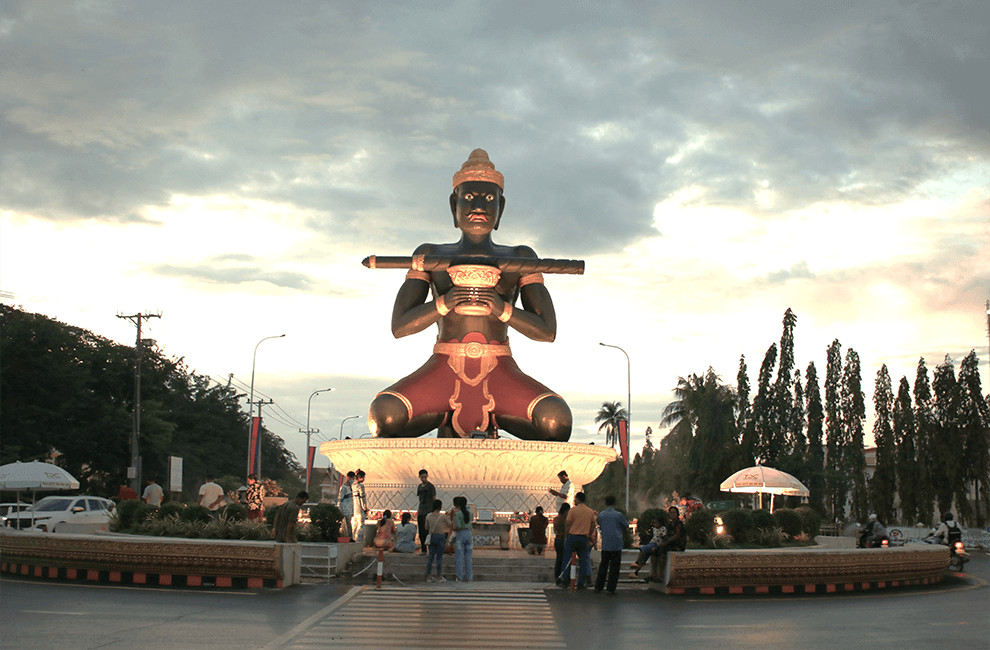
TGCAMBO: Known as Ta Dumbong Kro Nhong Statue
Battambang, a hidden gem nestled in the northwest region of Cambodia, offers travelers a unique and unforgettable experience. This article will take you on a journey through TGCAMBO (Ta Dumbong Kro Nhong) as we delve into the remarkable sights, cultural heritage, and culinary delights that make Battambang an irresistible destination.
TGCAMBO: An Overview of Battambang
Battambang, often referred to as the “Rice Bowl of Cambodia,” is known for its lush landscapes, captivating history, and vibrant arts scene. Let’s dive deeper into each aspect that makes this city truly special.
The Tranquil Scenery of Battambang
As you explore Battambang, you’ll be enchanted by the picturesque surroundings. From verdant rice fields stretching as far as the eye can see to the tranquil Sangker River meandering through the city, nature’s splendor is on full display. Fancy a relaxing boat ride along the river? Hop on board and let the gentle current guide you through a serene journey.
Immersion into Cultural Heritage
Battambang is steeped in rich cultural heritage, evident in its well-preserved architecture and ancient temples. Marvel at the awe-inspiring Wat Ek Phnom, a temple built in the 11th century, or venture into the intriguing Prasat Banan, a hilltop sanctuary offering panoramic views of the countryside. These architectural marvels are testaments to the city’s historical significance and a compelling invitation to immerse yourself in the past.
The Vivid Arts Scene
For the art lovers, Battambang will captivate your senses. This city is renowned for its thriving arts scene, with numerous galleries, museums, and art studios peppering its streets. Visit Phare Ponleu Selpak, a remarkable non-profit organization that showcases the talents of local artists through captivating performances that weave together acrobatics, theater, and traditional Khmer music. Prepare to be amazed by the sheer creativity and artistry on display.
Gastronomic Delights
No travel experience is complete without indulging in the local cuisine, and Battambang won’t disappoint. Embark on a culinary adventure, sampling authentic Cambodian dishes bursting with flavors. From the infamous fish amok, a steamed fish curry delicately spiced and served with fragrant rice, to the piquant prahok ktis, a dip made from fermented fish, Battambang’s gastronomy will leave your taste buds craving for more.
TGCAMBO: Uncovering the Local Secrets
TGCAMBO in Battambang offers a plethora of hidden gems that will surprise and delight even the most seasoned travelers. Let’s take a closer look at some of the lesser-known experiences the city has to offer.
Bamboo Train: A Unique Journey
Hop aboard the Bamboo Train, locally known as the “Norry,” for an exhilarating ride through picturesque countryside. This improvised rail vehicle made entirely of bamboo planks will take you on an unforgettable adventure, showcasing the breathtaking landscapes and offering an authentic glimpse into local life. It’s an experience you won’t find anywhere else in the world.
Bat Cave at Phnom Sampov
Prepare to witness a natural phenomenon at the Bat Cave in Phnom Sampov. Every evening, millions of bats emerge from the cave, creating a mesmerizing, ribbon-like spectacle lighting up the twilight sky. Grab a spot and marvel at this awe-inspiring sight, a true testament to the wonders of nature.
The Bamboo Sticky Rice Experience
Delve into the traditional process of making bamboo sticky rice, a local delicacy. Join a hands-on workshop where you’ll learn the art of cooking this delectable dish, which involves stuffing rice, coconut cream, and sugar into bamboo tubes, and then slow-cooking them over an open fire. Not only will you have a memorable culinary experience, but you’ll also gain insights into the deep-rooted traditions of Battambang.
Conclusion
TGCAMBO in Battambang, with its natural beauty, cultural heritage, artistic brilliance, and culinary wonders, presents a captivating tapestry for travelers seeking an off-the-beaten-path experience. From the tranquil scenery to the vivacious arts scene, and the hidden gems unveiling local secrets, this city will leave an indelible mark on your heart. Embrace the journey, explore TGCAMBO (Ta Dumbong Kro Nhong), and immerse yourself in the wonders of Battambang.
Human Gallery: Joseba Etxebarria’s Powerful Photography
Have you ever wondered how a single photograph can capture the essence of a moment? Well, when it comes to the work of Joseba Etxebarria, a renowned photographer, his images do more than just that. Through his lens, Etxebarria manages to create a human gallery that tells a thousand stories. In this article, we will delve into the world of Joseba Etxebarria Photography, particularly his captivating series “In Battambang.”
HUMAN GALLERY: In Battambang by Joseba Etxebarria
HUMAN GALLERY Imagine being transported to a world where the vibrant culture, emotions, and struggles of individuals come to life. That’s precisely what happens when you explore Joseba Etxebarria’s photography series, “In Battambang.” In this collection, Etxebarria captures the spirit and humanity of the people in Battambang, a small town in Cambodia. The focus is not just on the individuals themselves but also on the stories that lie beneath their exteriors.
Joseba Etxebarria Photography: Experience, Expertise, Authority, and Trust Human Gallery by Joseba Etxebarria’s photography expertise shines through in every image he captures. With years of experience and a keen eye for detail, he creates photographs that are not only visually stunning but also emotionally impactful. His authority in the field of photography is well-known, and his work has garnered worldwide recognition and trust.
Exploring Battambang Through the Lens Battambang, a town rich in history and culture, serves as the backdrop for Etxebarria’s exploration of humanity. By immersing himself in the community, he was able to capture intimate moments and candid expressions that reveal the true essence of the people of Battambang. Through his lens, we are transported to the streets, markets, and homes, witnessing the daily realities of the locals.
Stories That Transcend Language One of the remarkable aspects of “In Battambang” is how Etxebarria’s photographs transcend language barriers. Each image tells a unique story, allowing viewers from all walks of life to connect with the subjects on a deeper level. The images speak volumes, evoking emotions and sparking curiosity about the lives of those captured in the photographs.
Capturing Authenticity and Resilience Etxebarria’s ability to capture the authenticity and resilience of the people of Battambang is truly commendable. Through his photographs, we witness their daily struggles, resilience in the face of adversity, and the unwavering spirit that keeps them going. Each image reflects the rich tapestry of their lives, showcasing their strength and determination.
A Glimpse into the Cambodian Culture Beyond showcasing the individual stories of the people in Battambang, Etxebarria’s work also provides a glimpse into the vibrant Cambodian culture. From traditional rituals to colorful festivals, his photographs offer a window into the traditions and customs that define the community. Through his lens, we gain a deeper understanding and appreciation for the beauty and diversity of Cambodian culture.
A Fusion of Art and Humanity “Etxebarria’s work is not just about capturing a moment – it’s about capturing the very essence of humanity,” shares a viewer of the “In Battambang” series. Through his photographs, Etxebarria seamlessly combines the artistry of photography with the raw emotions and experiences of his subjects. The result is a human gallery that transcends time and space, leaving a lasting impact on all who have the privilege of viewing his work.
Conclusion
Joseba Etxebarria’s photography series, “In Battambang,” truly showcases his experience, expertise, authority, and trust in the field. Through his lens, he brings to life a human gallery that tells the captivating stories of the people of Battambang. Each image is a testament to the power of photography in capturing the essence of a moment and the depth of human emotion. Etxebarria’s work serves as a reminder of the beauty and resilience found within every community around the world.
Silver Pagoda
If you’re planning a visit to Phnom Penh, Cambodia, a must-see attraction is the renowned Silver Pagoda. Situated within the magnificent compound of the Royal Palace, this cultural treasure trove offers an awe-inspiring glimpse into Cambodia’s rich history and heritage. From its fascinating origins to its opulent interiors, the Silver Pagoda is a true testament to the country’s elegance, spirituality, and craftsmanship.
History Silver Pagoda
The Silver Pagoda, also known as Wat Preah Keo Morakot, was originally built in the 19th century to house Cambodia’s sacred Buddha statues and religious artifacts. Its construction was commissioned by King Norodom, and it served as a place of worship for the royal family and the highest levels of Cambodian society.
In the Royal Palace: A Jewel within a Jewel
Nested within the grounds of the Royal Palace, the Silver Pagoda truly stands out as a jewel within a jewel. It is surrounded by lush gardens and intricate architectural masterpieces, reflecting the grandeur and refinement of traditional Khmer design. From the moment you step foot through its ornate gates, you will be transported to a world of splendor and elegance.
Phnom Penh’s Cultural Gem: What to Expect
Walking through the Pagoda’s Gates
As you enter the Silver Pagoda, you will be greeted by a mesmerizing sight. The floor beneath your feet is adorned with thousands of silver tiles, hence the name “Silver Pagoda.” Each tile glistens in the sunlight, creating a radiant display that showcases the exquisite craftsmanship of Cambodian artisans.
The Emerald Buddha: A Centerpiece of Devotion
At the heart of the Silver Pagoda sits the prized Emerald Buddha statue, known as the “Preah Keo,” from which the pagoda gets its alternative name. Carved from a single piece of jade, this magnificent statue is adorned with over 9,000 diamonds and precious gems. It is considered one of the most sacred and venerated religious relics in Cambodia.
The Offering of the Garuda
Another highlight of the Silver Pagoda is the Garuda, a mythical creature in Hindu and Buddhist mythology. The garuda is a half-human, half-eagle figure, serving as a protector and mount to the gods. Within the pagoda, you can witness a large gilded statue of the Garuda, intricately crafted and standing as a symbol of benevolent power and divine protection.
Unraveling the Rich Tapestry of Cambodia’s Heritage
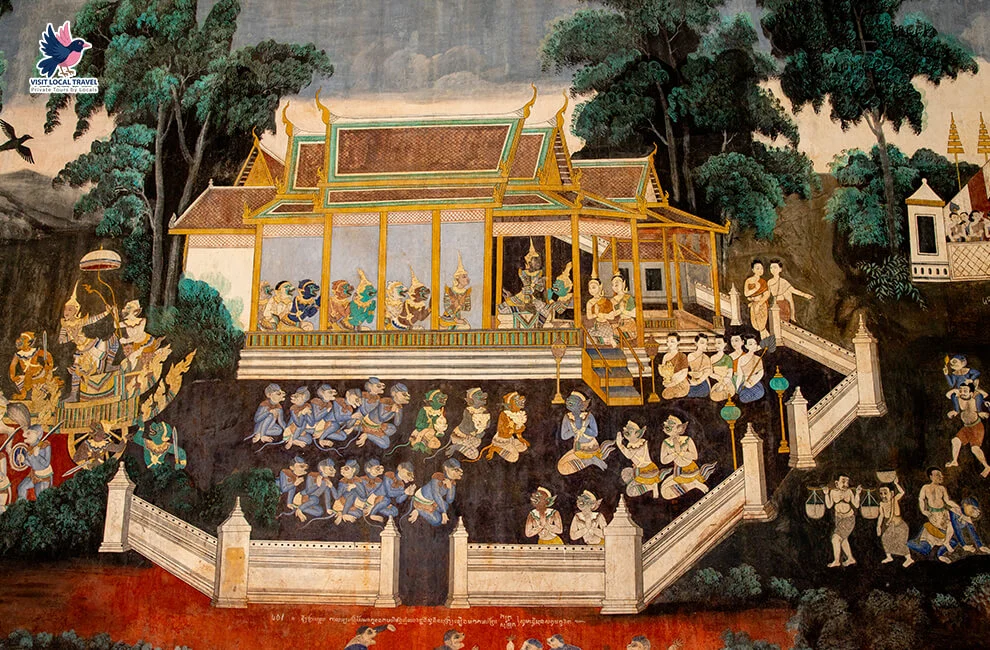
A visit to the Silver Pagoda is not just an architectural journey; it is an opportunity to explore the country’s captivating history and cultural heritage. The walls of the pagoda are adorned with intricate murals depicting mythological stories and the trials and triumphs of Cambodia’s past. These masterpieces serve as a fascinating storytelling medium and a gateway to understanding the country’s rich tapestry of art, religion, and tradition.
Preservation and Restoration: Safeguarding Cambodia’s Legacy
The preservation and restoration of the Silver Pagoda is a testament to Cambodia’s commitment to safeguarding its cultural heritage. Despite facing turbulent times in its history, many efforts have been made to ensure that this architectural gem remains intact for future generations. Through meticulous restoration work and ongoing maintenance, the Silver Pagoda continues to shine brightly as a symbol of Cambodia’s enduring spirit.
Conclusion
From its humble beginnings as a place of worship for Cambodia’s royal family to its current status as a captivating cultural attraction, the Silver Pagoda encapsulates the essence of Cambodia’s history, spirituality, and artistic brilliance. A visit to this gleaming treasure within the Royal Palace in Phnom Penh is an experience like no other. As you walk through its hallowed halls and gaze upon its majestic displays, you will be transported to a world of wonder and enchantment, leaving with cherished memories and a deeper appreciation for the vibrant heritage of Cambodia.
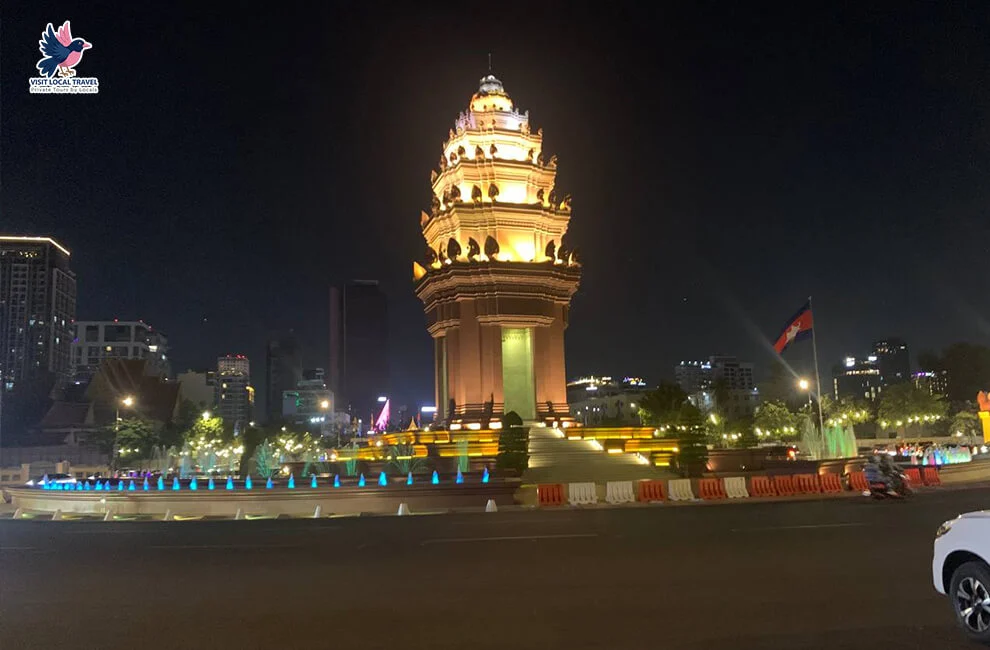
The Independence Monument
Are you fascinated by historical landmarks that embody a nation’s struggle for independence? Look no further than the Independence Monument in Phnom Penh, Cambodia. This iconic structure stands as a symbol of Cambodia’s freedom and serves as a reminder of the country’s turbulent past. In this article, we will delve into the history and significance of the Independence Monument and explore why it holds such a revered place in the hearts of Cambodians.
A Brief History of the Independence Monument
The Independence Monument, or ‘Vimeanek Suor’, as it is known in Khmer, was constructed in 1958 to commemorate Cambodia’s liberation from French colonial rule in 1953. Designed by renowned Cambodian architect Vann Molyvann, the monument is an architectural masterpiece that blends traditional Khmer design elements with a modernist touch.
Architecture and Symbolism
The Independence Monument stands tall in the heart of Phnom Penh, at the intersection of Norodom and Sihanouk Boulevards. Its unique design consists of five levels, each representing the five principles of the Sangkum Reastr Niyum, a political philosophy promoted by then-Prince Norodom Sihanouk. These principles encompass neutrality, independence, peace, prosperity, and democracy.
At the apex of the monument, you will find a lotus-shaped stupa, symbolizing purity and rebirth. This stupa is adorned with intricately carved bas-reliefs depicting scenes from Khmer history, paying homage to the country’s rich cultural heritage.
The Independence Monument Experience
Visiting the Independence Monument is not just another tourist attraction; it is an immersive experience that offers a glimpse into Cambodia’s past. As you step foot near the monument, you cannot help but feel a sense of awe and admiration for the sacrifices made by the Cambodian people in their quest for independence.
The lush gardens surrounding the monument provide a serene environment for reflection, while the open square offers a space for public gatherings and celebrations. It is not uncommon to witness ceremonies, parades, or cultural events taking place near the monument, further emphasizing its significance as a national symbol.
Why is the Independence Monument Important?
The Independence Monument holds immense historical and cultural significance for the people of Cambodia. It serves as a beacon of hope, reminding them of their hard-fought freedom and the resilience of their nation. The monument represents Cambodia’s determination to overcome adversity and stand tall in the face of ongoing challenges.
Moreover, the Independence Monument acts as a unifying force, bringing together Cambodians from all walks of life. It is a place where citizens gather to honor their shared heritage, pay tribute to fallen heroes, and celebrate their collective achievements.
Conclusion
As we conclude our journey into the heart of Cambodia’s history, the Independence Monument stands tall as a testament to the indomitable spirit of the Cambodian people. With its striking design and profound symbolism, it continues to inspire and captivate all those who lay eyes upon it.
So, the next time you find yourself in Phnom Penh, make sure to pay a visit to the Independence Monument. Breathe in the air of freedom, marvel at its architectural brilliance, and contemplate the stories engraved within its walls.
Wat Phnom: The Ultimate Guide to Histor & Travel Tips
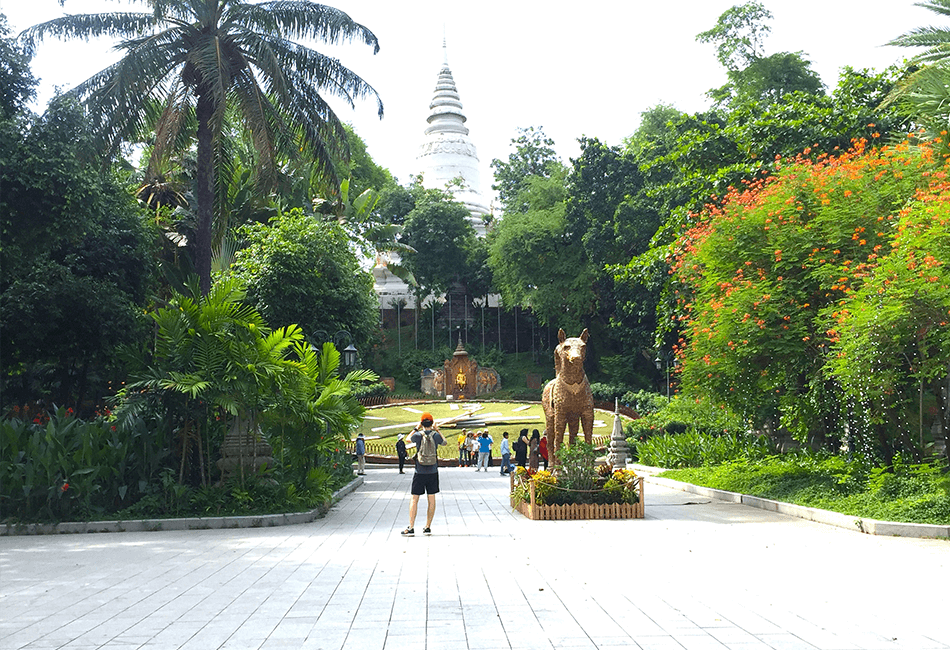
Nestled in the heart of Phnom Penh, Wat Phnom stands as the city’s most iconic temple and spiritual landmark. With its rich history, cultural significance, and serene atmosphere, this sacred hilltop pagoda attracts travelers, pilgrims, and adventure seekers alike. Whether you’re exploring ancient legends, admiring Khmer architecture, or seeking a peaceful retreat, Wat Phnom offers an unforgettable experience.
The Legend & History of Wat Phnom
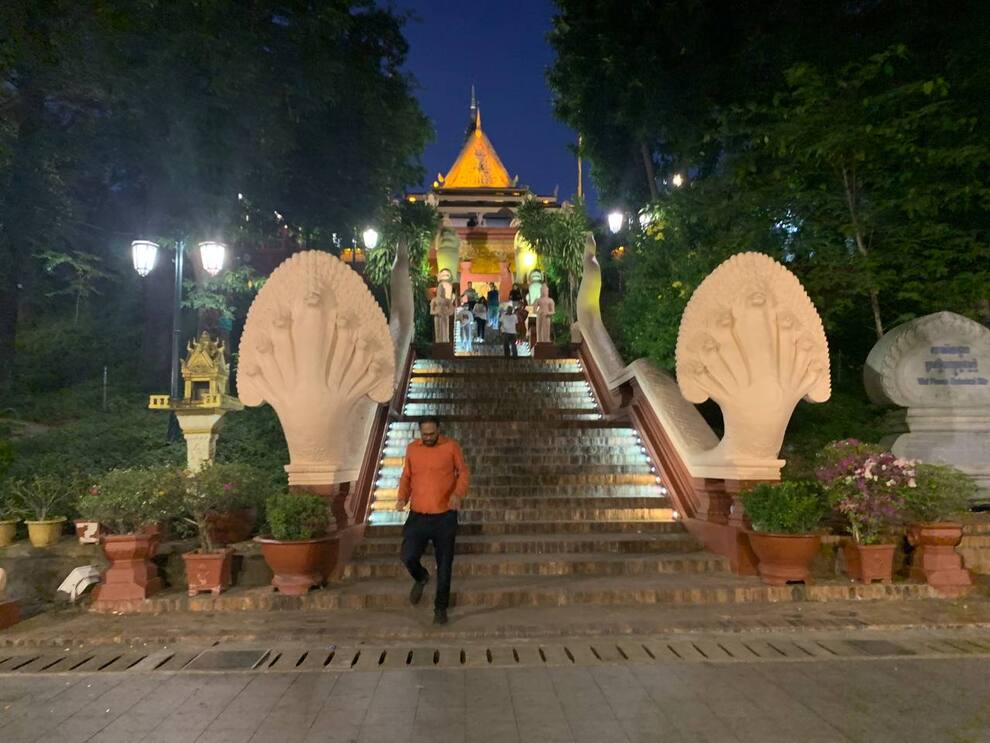
Wat Phnom (meaning “Hill Temple”) is the oldest and tallest religious site in Phnom Penh, standing 27 meters (88 feet) high. According to legend, the temple was founded in 1372 by a wealthy widow named Doun Penh, who discovered four Buddha statues inside a floating koki tree on the banks of the Mekong River. She ordered the construction of a small shrine on a nearby hill (Phnom) to house the sacred statues, giving birth to Phnom Penh“Penh’s Hill.”
Over the centuries, Wat Phnom became a symbol of prosperity and spirituality for Cambodians. The temple has undergone several renovations, blending Khmer and French colonial influences in its architecture.
Why is Wat Phnom Important?
Birthplace of Phnom Penh:The city’s namesake and spiritual heart.
A sacred Buddhist site: Locals visit to pray for luck and success.
Historical landmark: Reflects Cambodia’s cultural evolution.
How to Get to Wat Phnom & Entrance Fees
Location & Transportation
Location: Street 96, Norodom Blvd, Phnom Penh
By Tuk-Tuk: The most popular way; costs $2−$5 from the city center.
By Bicycle: Rent a bike for an eco-friendly adventure.
On Foot: A 10-15 minute walk from the Royal Palace or Sisowath Quay.
Entrance Fee & Opening Hours
Foreigners: $1 USD (Free for Cambodians)
Opening Hours: 7:00 AM – 6:30 PM (Daily)
Pro Tip: Visit early morning or late afternoon to avoid crowds and heat!
Top Things to See & Do at Wat Phnom
1. Explore the Majestic Temple Complex
The main stupa houses ancient Buddha statues, while vibrant murals depict Jataka tales (stories of Buddha’s past lives). Climb the grand staircase flanked by Naga (serpent) balustrades—a classic Khmer architectural feature.
2. Discover the Shrine of Lady Penh (Doun Penh)
Pay respects at the statue of Doun Penh, the legendary founder, located near the entrance. Many locals leave offerings here for good fortune.
3. Admire the Colorful Pagodas & Gardens
The temple grounds feature smaller shrines, lush gardens, and towering trees where monkeys often play. Keep an eye out for squirrels and exotic birds!
4. Witness Local Rituals & Blessings
Cambodians visit Wat Phnom to light incense, tie blessing strings, and make wishes. You may receive a “good luck” bracelet from a monk.
5. Enjoy Panoramic Views of Phnom Penh
From the hilltop, soak in 360-degree views of the bustling city, the Tonlé Sap River, and distant skyscrapers.
Adventure Guide: Unique Experiences Near Wat Phnom
For those seeking more than just sightseeing, here are some thrilling and cultural adventures:
1. Take a Sunset River Cruise
Boat tours along the Mekong and Tonlé Sap Rivers offer breathtaking sunset views.
2. Visit the Phnom Penh Night Market
Just a short walk away, this market is perfect for souvenirs, street food, and live music.
3. Explore the Royal Palace & Silver Pagoda
A 10-minute tuk-tuk ride takes you to Cambodia’s most opulent royal complex.
4. Cycle Along Sisowath Quay
A scenic route with cafés, bars, and colonial buildings overlooking the river.
5. Try Authentic Cambodian Street Food
Sample nom banh chok (Khmer noodles), grilled meats, and fresh coconut juice from nearby vendors.
National Museum of Cambodia: Houses ancient Khmer artifacts.
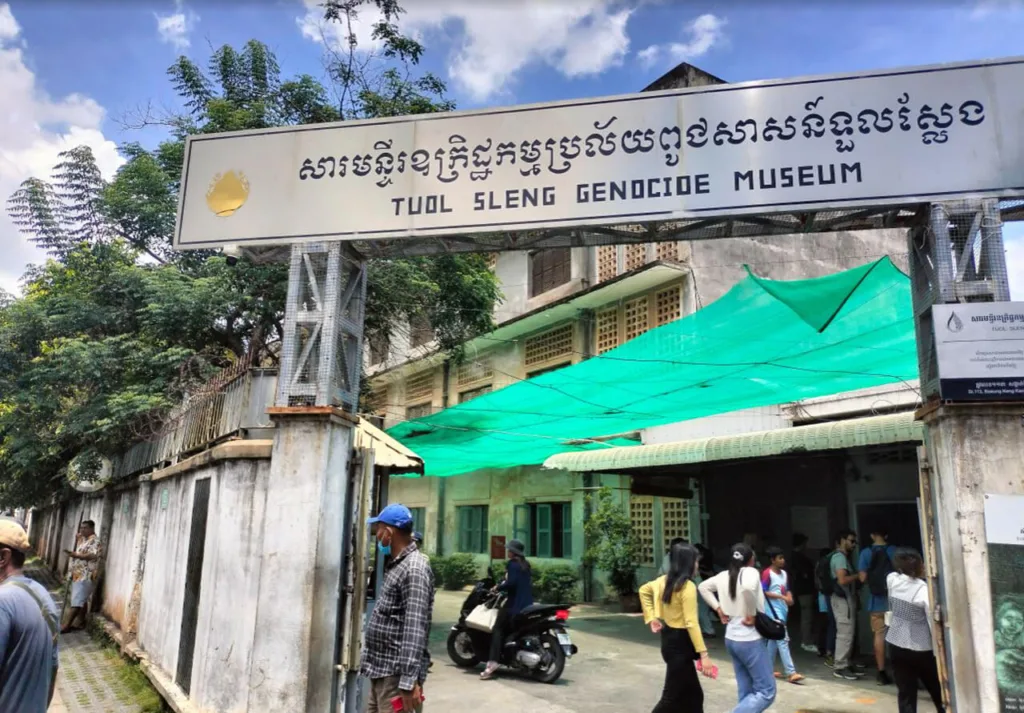
Tuol Sleng Genocide Museum: A sobering historical site.
Central Market (Phsar Thmei): A shopper’s paradise.
Final Travel Tips for Visiting Wat Phnom
Dress modestly: Cover shoulders and knees as a sign of respect.
Bring small change: For donations and offerings.
Beware of pickpockets: Keep valuables secure.
Respect local customs: Remove shoes before entering shrines.
Conclusion: Why Wat Phnom is a Must-Visit in Phnom Penh
From its legendary origins to its serene beauty, Wat Phnom is more than just a temple—it’s the soul of Phnom Penh. Whether you’re a history buff, spiritual seeker, or adventure lover, this sacred hill promises an unforgettable journey into Cambodia’s heart.
Ready to explore? Book your trip, pack your camera, and get ready to climb the steps of Wat Phnom—where history, culture, and adventure meet!
Royal Palace of Cambodia: Majestic Journey of History
The Royal Palace of Cambodia is one of the most iconic and breathtaking landmarks in Southeast Asia. Located in the heart of Phnom Penh, the capital city of Cambodia, this architectural masterpiece serves as the official residence of the King of Cambodia and a symbol of the nation’s rich history and cultural heritage. Whether you’re a history enthusiast, a culture lover, or an adventure seeker, the Royal Palace offers an unforgettable experience. In this guide, we’ll explore the palace’s history, its must-see attractions, and tips for making the most of your visit.
A Glimpse into the History of the Royal Palace of Cambodia
The Royal Palace of Cambodia was constructed in 1866 during the reign of King Norodom, who moved the capital from Oudong to Phnom Penh. The palace complex was designed to reflect the grandeur of the Khmer Empire and to serve as a symbol of the monarchy’s power and prestige. Over the years, the palace has undergone several renovations, but it has retained its traditional Khmer architectural style, with intricate carvings, golden spires, and lush gardens.
The palace is not just a historical site; it is still a functioning royal residence. While some areas are open to the public, others remain private, reserved for the royal family and official ceremonies. This blend of history and modernity makes the Royal Palace a unique destination for travelers.
Must-See Attractions Within the Royal Palace Complex
1. The Silver Pagoda (Wat Preah Keo Morakot)
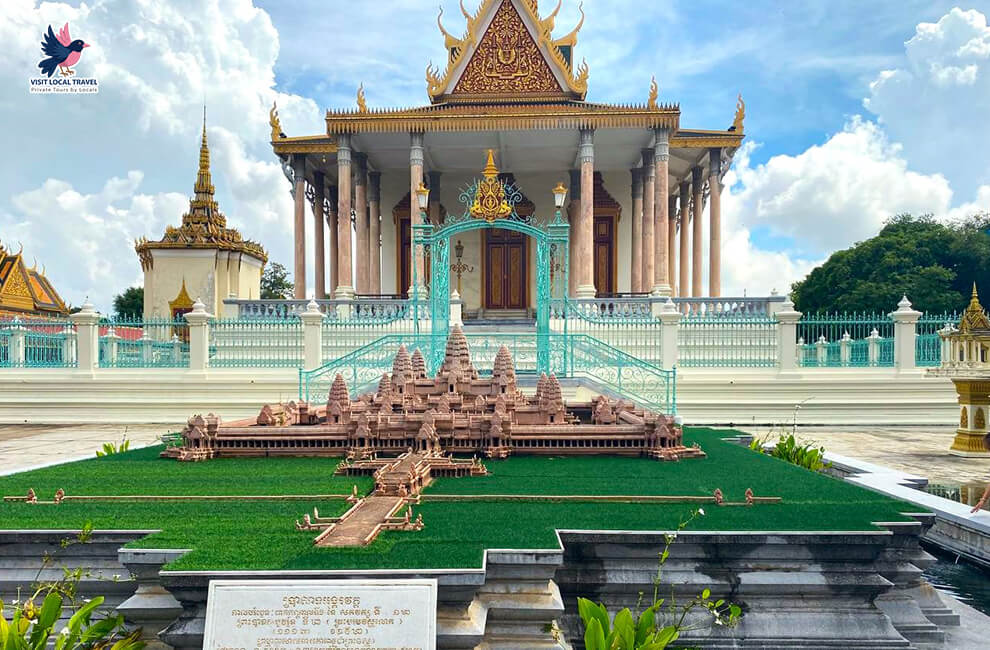
The Silver Pagoda is one of the most famous structures within the Royal Palace complex. Named for its floor, which is covered with over 5,000 silver tiles, this pagoda houses some of Cambodia’s most sacred treasures. Inside, you’ll find a life-sized gold Buddha statue adorned with 9,584 diamonds, as well as other precious artifacts. The pagoda’s walls are adorned with stunning murals depicting scenes from the Reamker, the Cambodian version of the Indian epic Ramayana.
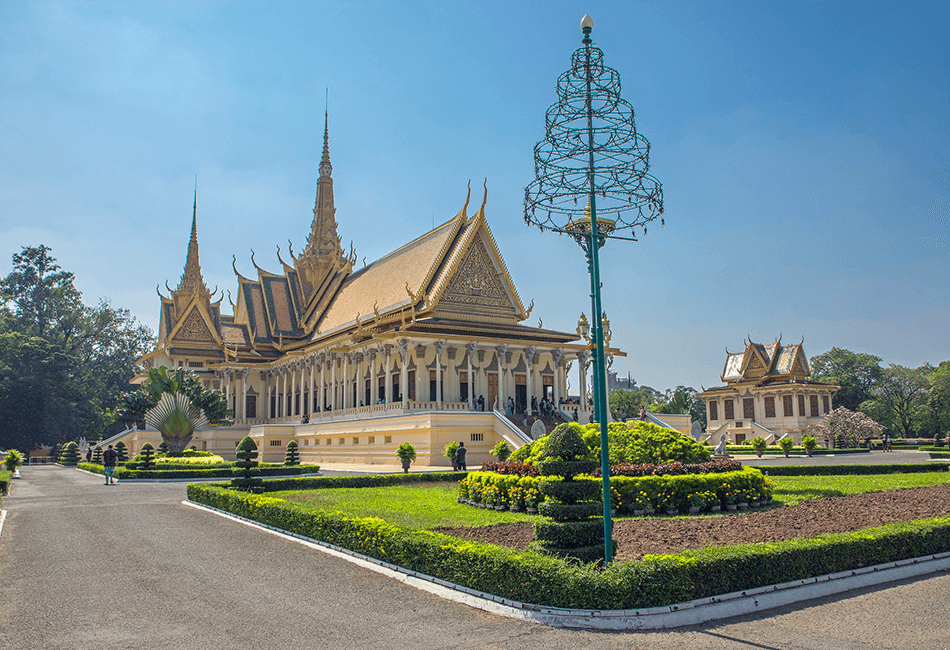
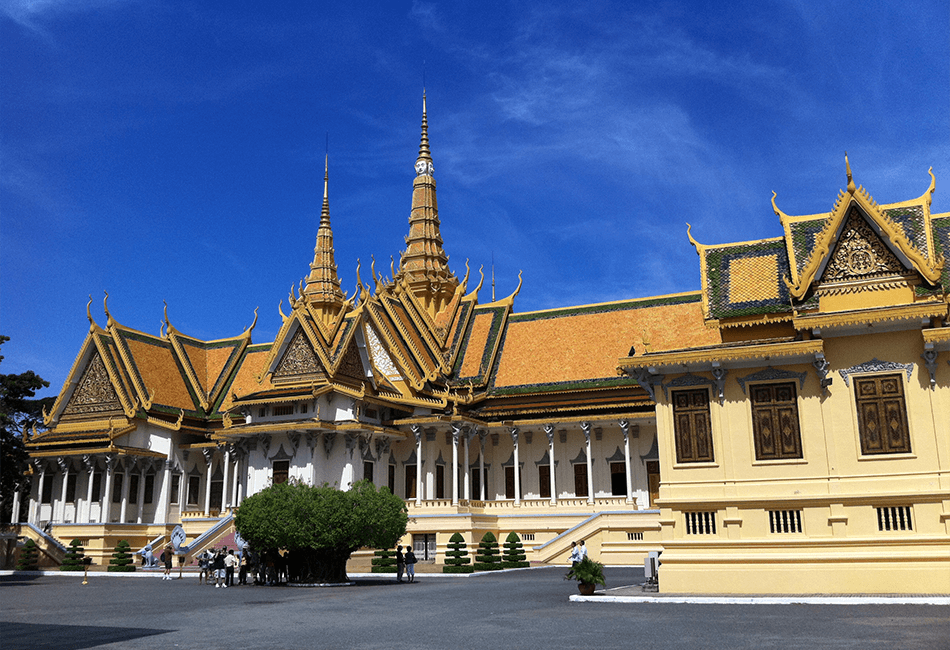
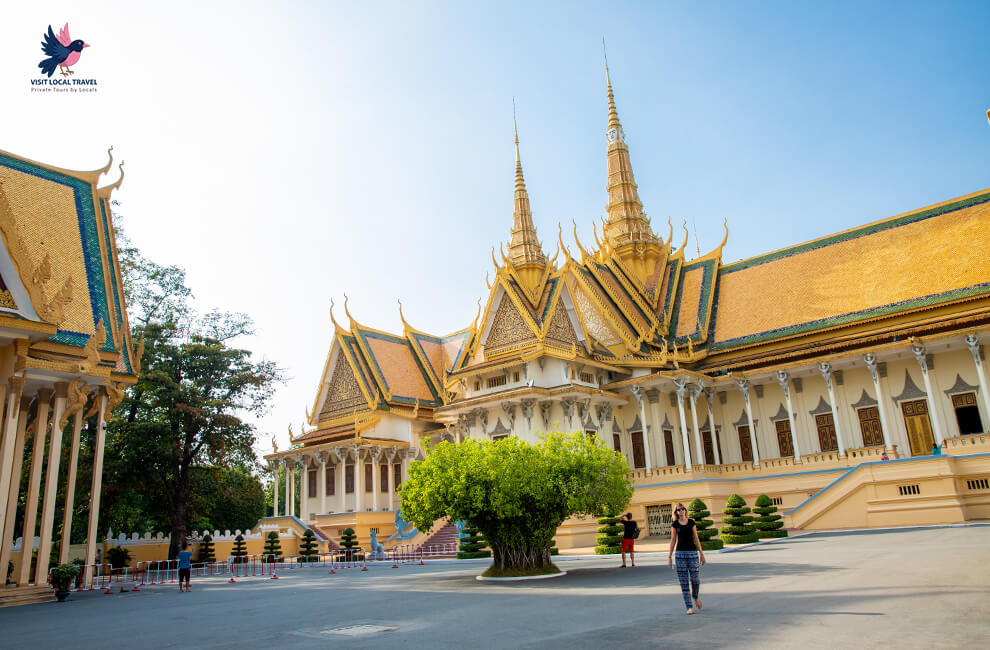
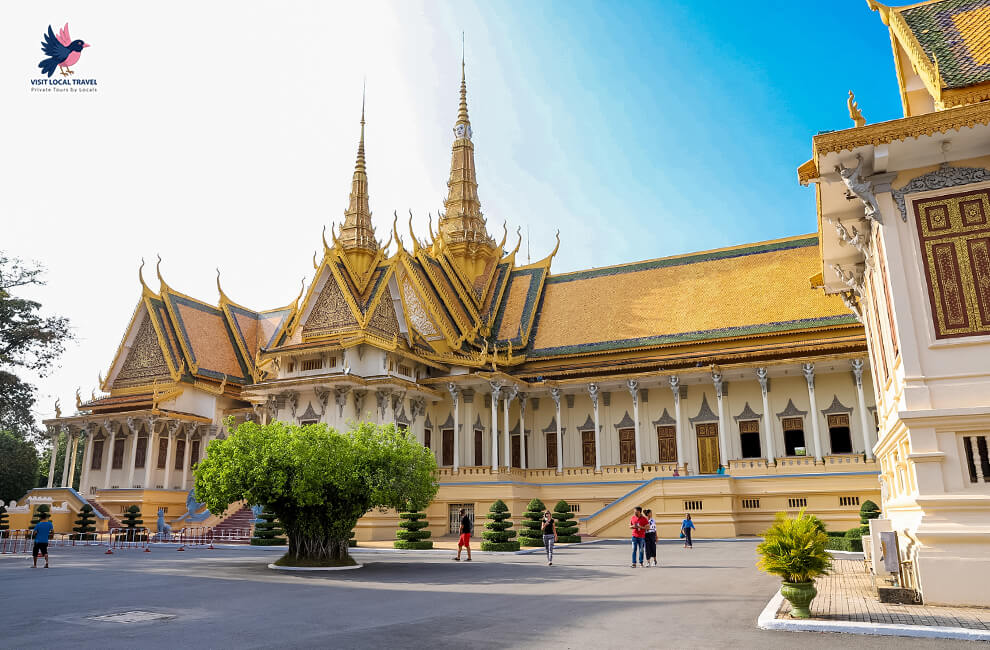
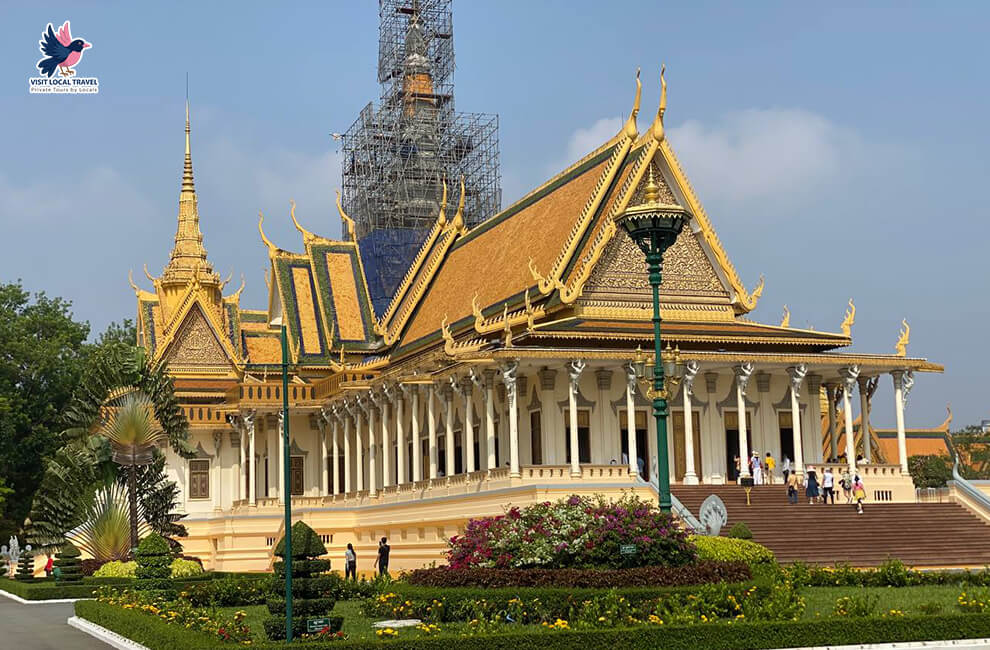
The Throne Hall is the centerpiece of the Royal Palace and is used for coronations and royal ceremonies. Its towering spires and intricate designs are a testament to Khmer architecture. The hall is divided into three chambers, each with its own unique purpose. The central chamber houses the royal throne, while the other two are used for religious and administrative functions.
3. The Moonlight Pavilion (Phra Thinang Chan Chhaya)
This open-air pavilion is a favorite among visitors for its elegant design and historical significance. The Moonlight Pavilion has been the site of numerous royal performances, including traditional Khmer dance and music. Its location overlooking the Sisowath Quay offers stunning views of the Tonle Sap River, making it a perfect spot for photography.
4. The Royal Gardens
The lush Royal Gardens surrounding the palace are a tranquil escape from the bustling city. Filled with tropical plants, fountains, and statues, the gardens provide a serene environment for a leisurely stroll. Keep an eye out for the statue of King Norodom, the founder of the palace, located near the entrance.
5. The Khemarin Palace
This is the official residence of the King of Cambodia. While visitors are not allowed inside, the exterior of the building is a sight to behold, with its golden roofs and traditional Khmer design.
A Guide to Adventure at the Royal Palace of Cambodia
Visiting the Royal Palace of Cambodia is more than just a sightseeing trip; it’s an adventure into the heart of Cambodian culture and history. Here’s how you can make the most of your visit:
1. Plan Your Visit Early
The palace is open to visitors from 8:00 AM to 5:00 PM, but it’s best to arrive early to avoid the crowds and the midday heat. The cooler morning hours also provide the best lighting for photography.
2. Dress Appropriately
As a place of cultural and religious significance, the Royal Palace has a strict dress code. Visitors are required to wear clothing that covers their shoulders and knees. Avoid wearing hats or revealing outfits, as they may be considered disrespectful.
3. Hire a Local Guide
To truly appreciate the history and significance of the palace, consider hiring a local guide. They can provide fascinating insights into the architecture, history, and traditions associated with the palace.
4. Explore Nearby Attractions
After visiting the Royal Palace, take the time to explore other nearby attractions. The National Museum of Cambodia, located just a short walk away, houses an impressive collection of Khmer art and artifacts. You can also visit the Wat Phnom, a historic temple that is said to be the founding site of Phnom Penh.
5. Experience Khmer Culture
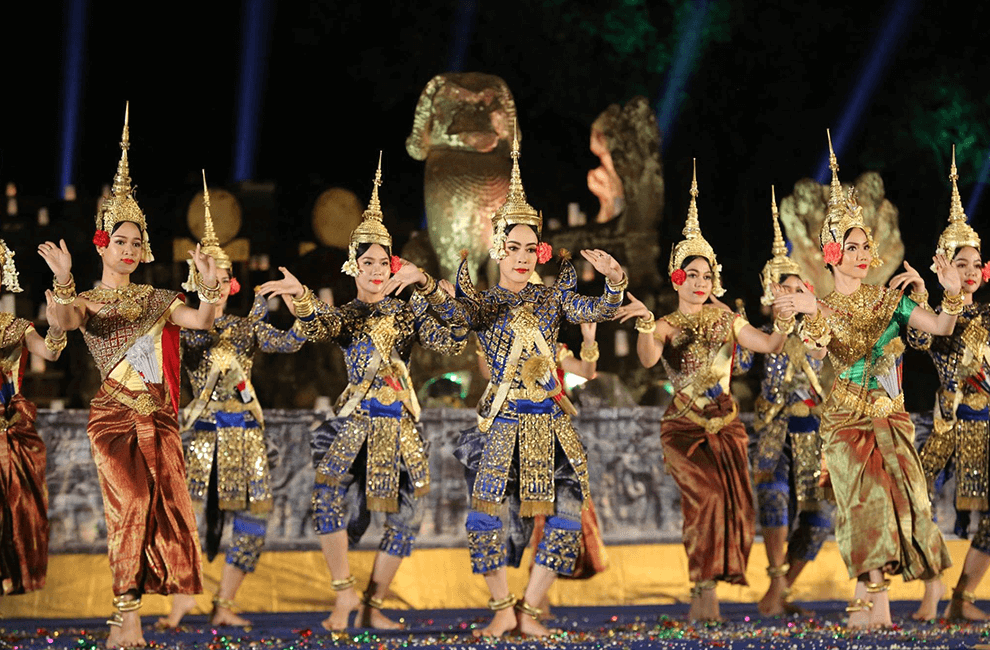
While at the palace, don’t miss the opportunity to experience traditional Khmer culture. If you’re lucky, you might catch a performance of Apsara dance, a classical Cambodian dance that tells stories through graceful movements and elaborate costumes.
Tips for Visiting the Royal Palace of Cambodia
Best Time to Visit: The best time to visit the Royal Palace is during the dry season (November to February), when the weather is cooler and more pleasant.
Entrance Fee: The entrance fee is $10 for foreigners, which includes access to most areas of the palace complex.
Photography: While photography is allowed in most areas, it is prohibited inside the Silver Pagoda and other sacred spaces. Always ask for permission before taking photos of people.
Stay Hydrated: Phnom Penh can get extremely hot, so be sure to carry water and wear sunscreen.
Why the Royal Palace of Cambodia is a Must-Visit Destination
The Royal Palace of Cambodia is more than just a tourist attraction; it’s a living testament to the country’s rich history and cultural heritage. From its stunning architecture to its sacred treasures, the palace offers a glimpse into the soul of Cambodia. Whether you’re marveling at the Silver Pagoda, exploring the Throne Hall, or simply strolling through the Royal Gardens, every corner of the palace tells a story.
For adventure seekers, the palace provides a unique opportunity to immerse yourself in Cambodian culture and history. It’s a place where the past and present coexist, offering a truly unforgettable experience.
FAQs About Royal Palace of Cambodia
What is the Royal Palace of Cambodia?
The Royal Palace of Cambodia is a complex of buildings in Phnom Penh that serves as the official residence of the King of Cambodia. It is a symbol of the monarchy and a major cultural and historical site.
When was the Royal Palace constructed?
The Royal Palace was constructed in 1866 during the reign of King Norodom, after the capital of Cambodia was moved from Oudong to Phnom Penh.
What is the architectural style of the Royal Palace?
The Royal Palace features traditional Khmer architecture with intricate designs, golden spires, and ornate decorations. It also incorporates elements of French colonial influence.
What is the Silver Pagoda, and where is it located?
The Silver Pagoda, also known as Wat Preah Keo, is located within the Royal Palace complex. It is famous for its floor made of over 5,000 silver tiles and houses many national treasures, including a life-sized gold Buddha adorned with diamonds.
Can visitors enter the Royal Palace?
Yes, parts of the Royal Palace are open to the public, including the Silver Pagoda and the Throne Hall. However, the private residential areas of the royal family are not accessible to visitors.
What is the significance of the Throne Hall?
The Throne Hall is used for royal ceremonies and coronations. It features a tall spire and houses sacred objects, including royal regalia and thrones.
What are some notable artifacts in the Royal Palace?
Notable artifacts include the Emerald Buddha (a small crystal Buddha statue), the Golden Buddha (weighing 90 kg), and ancient Khmer artifacts displayed in the Silver Pagoda.
What is the role of the Royal Palace in Cambodian culture?
The Royal Palace is a symbol of Cambodia’s monarchy and cultural heritage. It represents the country’s history, spirituality, and the continuity of the Khmer royal tradition.
Are there any dress codes for visiting the Royal Palace?
Yes, visitors are required to dress modestly. Shoulders and knees must be covered, and hats must be removed as a sign of respect.
What is the best time to visit the Royal Palace?
The best time to visit is during the dry season (November to February) when the weather is cooler. Early mornings or late afternoons are ideal to avoid crowds and heat.
Wrapping Up
The Royal Palace of Cambodia is a must-visit destination for anyone traveling to Phnom Penh. Its rich history, stunning architecture, and cultural significance make it one of the most important landmarks in Southeast Asia. Whether you’re a history buff, a culture enthusiast, or an adventure seeker, the palace has something to offer everyone. So, pack your bags, put on your walking shoes, and get ready to embark on a majestic journey through the heart of Cambodia.
By following this guide, you’ll be well-prepared to explore the Royal Palace of Cambodia and make the most of your visit. Don’t forget to capture the memories, but also take a moment to soak in the beauty and history of this incredible site. Adventure awaits!
Phnom Penh Capital City: Ultimate Guide to Adventure
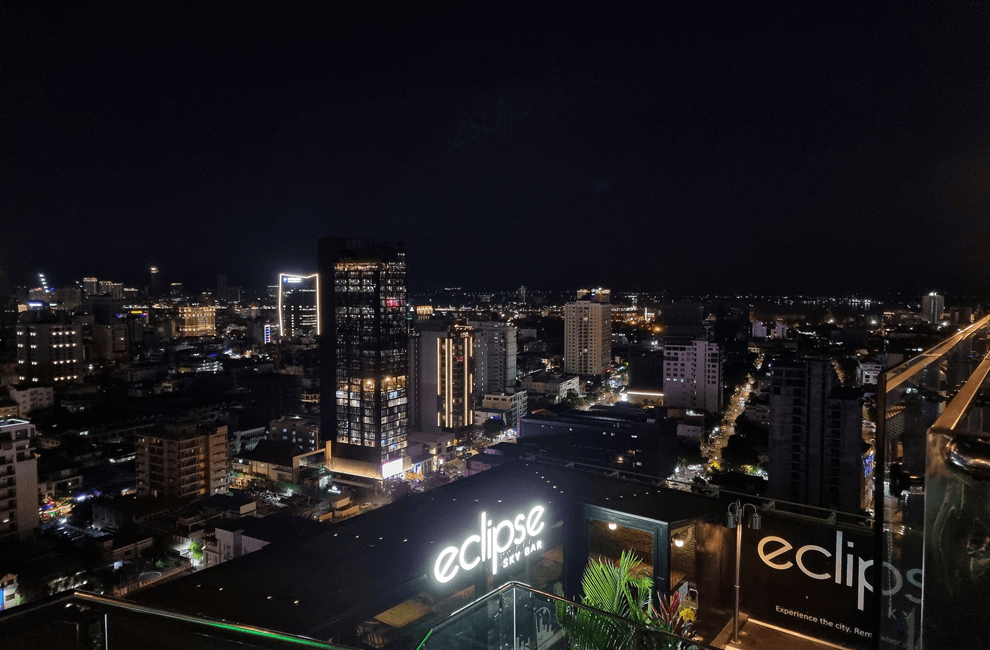
Phnom Penh, the vibrant capital city of Cambodia, is a destination that seamlessly blends rich history, cultural heritage, and modern urban life. Nestled at the confluence of the Mekong, Tonlé Sap, and Bassac Rivers, this bustling metropolis offers a unique blend of old-world charm and contemporary allure. Whether you’re a history buff, a foodie, or an adventure seeker, Phnom Penh has something for everyone. In this comprehensive guide, we’ll take you through the must-see attractions, hidden gems, and thrilling adventures that make Phnom Penh a top destination for travelers.
Discover the Rich History of Phnom Penh
The Royal Palace and Silver Pagoda
No visit to Phnom Penh is complete without exploring the Royal Palace and the Silver Pagoda. These iconic landmarks are a testament to Cambodia’s royal heritage and architectural grandeur. The Royal Palace, with its golden spires and lush gardens, serves as the official residence of the King of Cambodia. Adjacent to the palace, the Silver Pagoda houses a stunning collection of Buddha statues, including the famous Emerald Buddha and a life-sized gold Buddha adorned with over 9,000 diamonds.
The National Museum of Cambodia
For history enthusiasts, the National Museum of Cambodia is a treasure trove of ancient artifacts and sculptures. The museum’s collection spans over a thousand years of Khmer history, with highlights including intricate stone carvings, bronze statues, and religious relics. The museum’s architecture, inspired by traditional Khmer design, is a sight to behold in itself.
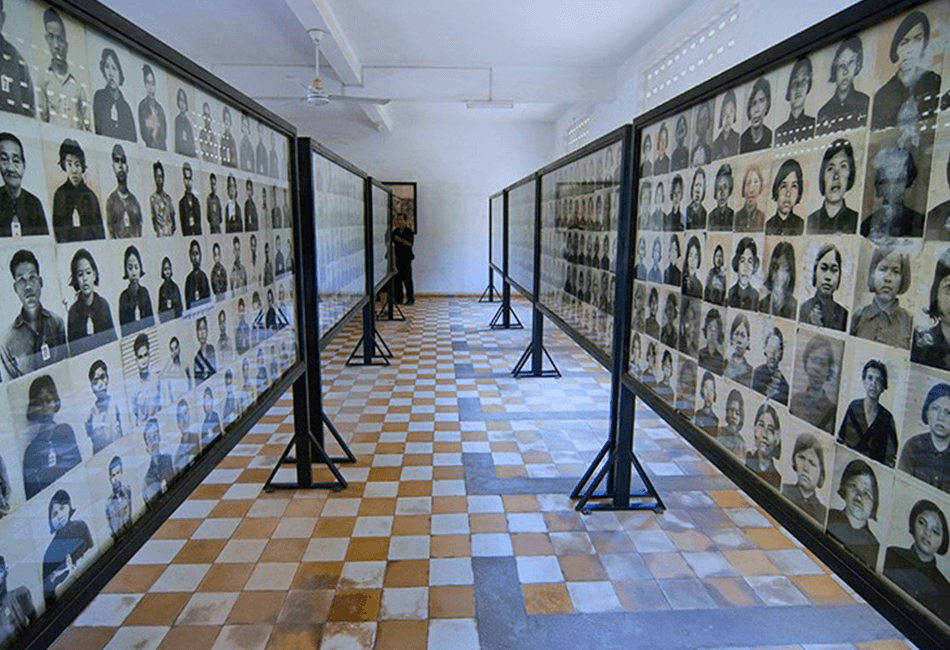
Tuol Sleng Genocide Museum and Choeung Ek Killing Fields
Phnom Penh’s history is not without its dark chapters. The Tuol Sleng Genocide Museum and the Choeung Ek Killing Fields serve as poignant reminders of the Khmer Rouge regime and the atrocities committed during that time. These sites offer a sobering glimpse into Cambodia’s past and are essential visits for those seeking to understand the country’s complex history.
Embark on an Adventure in Phnom Penh
Cycling Along the Riverside
One of the best ways to explore Phnom Penh is by cycling along the Riverside. The scenic route offers stunning views of the river and the city skyline. You can rent a bike from one of the many rental shops and pedal your way through the bustling streets, stopping at local markets, cafes, and temples along the way.
Boat Tours on the Mekong River
For a more relaxed adventure, consider taking a boat tour on the Mekong River. These tours offer a unique perspective of the city, allowing you to see Phnom Penh from the water. As you cruise along the river, you’ll pass by floating villages, lush greenery, and traditional fishing boats. Sunset boat tours are particularly popular, offering breathtaking views as the sun dips below the horizon.
Exploring the Phnom Tamao Wildlife Rescue Center
Animal lovers should not miss the opportunity to visit the Phnom Tamao Wildlife Rescue Center, located just outside the city. This sanctuary is home to a variety of rescued animals, including elephants, tigers, and sun bears. Visitors can take guided tours to learn about the center’s conservation efforts and even participate in feeding sessions.
Phnom Penh is a paradise for foodies, and the Central Market is the perfect place to start your culinary journey. This bustling market is a feast for the senses, with vendors selling everything from fresh produce to local delicacies. Be sure to try nom banh chok (Khmer noodles), bai sach chrouk (pork and rice), and kralan (sticky rice cake).
Dining at Romdeng
For a more upscale dining experience, head to Romdeng, a restaurant that specializes in traditional Khmer cuisine with a modern twist. The menu features dishes made with locally sourced ingredients, and the restaurant also supports local communities by providing training and employment opportunities for underprivileged youth.
Exploring the Night Markets
Phnom Penh’s night markets are a must-visit for anyone looking to experience the city’s vibrant nightlife. These markets come alive after dark, with stalls selling everything from clothing and accessories to street food and souvenirs. The Phnom Penh Night Market and the Russian Market are particularly popular among locals and tourists alike.
Immerse Yourself in Phnom Penh’s Cultural Scene
Attending a Traditional Apsara Dance Performance
A visit to Phnom Penh would not be complete without experiencing a traditional Apsara dance performance. This classical dance form, which dates back to the Angkor era, is characterized by its intricate hand movements and elaborate costumes. Many restaurants and cultural centers in the city offer nightly performances, providing a glimpse into Cambodia’s rich artistic heritage.
Exploring the Street Art Scene
Phnom Penh’s street art scene is thriving, with colorful murals and graffiti adorning the city’s walls. Take a walking tour to discover these hidden gems, many of which reflect Cambodia’s history, culture, and social issues. The Street 93 area is particularly known for its vibrant street art.
Visiting the Wat Phnom
Wat Phnom, the city’s namesake temple, is a sacred site that holds great significance for the people of Phnom Penh. Located on a small hill, the temple offers a peaceful retreat from the hustle and bustle of the city. Legend has it that the temple was built to house four Buddha statues discovered by a woman named Penh, after whom the city is named.
Practical Tips for Visiting Phnom Penh
Best Time to Visit
The best time to visit Phnom Penh is during the dry season, which runs from November to April. During this time, the weather is pleasant, with cooler temperatures and less rainfall. The wet season, from May to October, can be hot and humid, but it also brings lush greenery and fewer tourists.
Getting Around
Phnom Penh is a relatively compact city, and getting around is easy. Tuk-tuks are a popular and affordable mode of transportation, and they can be found on almost every street corner. For longer distances, consider hiring a private car or using ride-hailing apps like Grab.
Safety and Etiquette
While capital city is generally safe for tourists, it’s important to exercise caution, especially when exploring crowded areas or traveling at night. Be mindful of your belongings and avoid displaying valuables. When visiting temples and religious sites, dress modestly and remove your shoes before entering.
FAQs About Phnom Penh Capital City
What does the name “Phnom Penh” mean?
The name “Phnom Penh” translates to “Penh’s Hill” in English. It is derived from a legend about a woman named Penh who discovered sacred Buddhist statues on a hill and built a shrine to house them.
What is the population in the city?
As of recent estimates, Phnom Penh has a population of approximately 2.2 million people, making it the most populous city in Cambodia.
What are some key historical landmarks in Phnom Penh?
Key landmarks in Phnom Penh include: – The Royal Palace: Home to the King of Cambodia. – Silver Pagoda: Known for its floor made of silver tiles. – Wat Phnom: A Buddhist temple on a hill, the city’s namesake. – Tuol Sleng Genocide Museum: A former prison from the Khmer Rouge era. – Choeung Ek Killing Fields: A memorial to the victims of the Khmer Rouge regime.
What is the significance of the Mekong River to Phnom Penh?
The Mekong River flows through capital city and is vital for transportation, trade, and agriculture. It also provides a scenic backdrop for the city and supports local livelihoods.
What is the best time to visit Phnom Penh?
The best time to visit Phnom Penh is during the dry season, from November to February, when the weather is cooler and less humid.
What is the official language spoken in Phnom Penh?
The official language is Khmer, but English is widely spoken in tourist areas, businesses, and by younger generations.
What is the traditional cuisine of Phnom Penh?
Traditional Cambodian cuisine in the city includes dishes like: – Amok: A coconut-based curry steamed in banana leaves. – Bai Sach Chrouk: Grilled pork with rice. – Nom Banh Chok: Khmer noodles with fish-based gravy. – Kuy Teav: A popular noodle soup.
What is the currency used in Phnom Penh?
The official currency is the Cambodian Riel (KHR), but US dollars are widely accepted and used interchangeably.
What is the role of Buddhism in Phnom Penh?
Buddhism plays a central role in the culture and daily life of the capital city. The city is home to numerous Buddhist temples (wats), and monks are a common sight. Religious festivals and rituals are an integral part of the city’s identity.
Final Thoughts
Phnom Penh is a city that captivates the hearts of all who visit. From its rich history and cultural heritage to its vibrant street life and culinary delights, there’s no shortage of things to see and do. Whether you’re exploring ancient temples, embarking on a river adventure, or indulging in local cuisine, the capital city offers an unforgettable experience that will leave you longing to return. So pack your bags, and get ready to discover the magic of Phnom Penh Capital City!
Subscribe to Our Newsletter
Get the latest travel tips, exclusive offers, and destination guides delivered straight to your inbox.