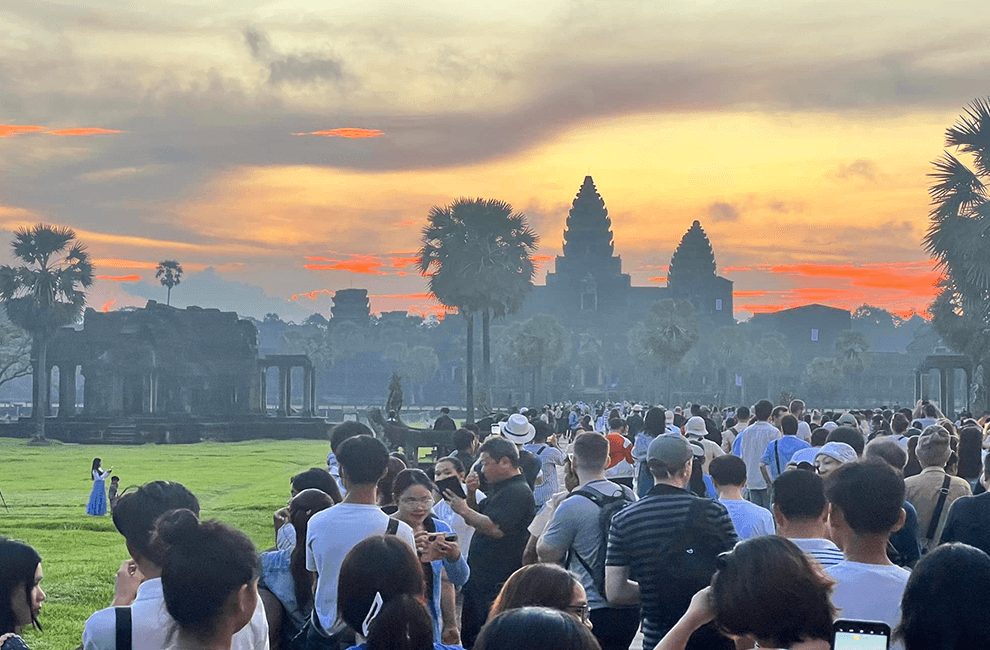
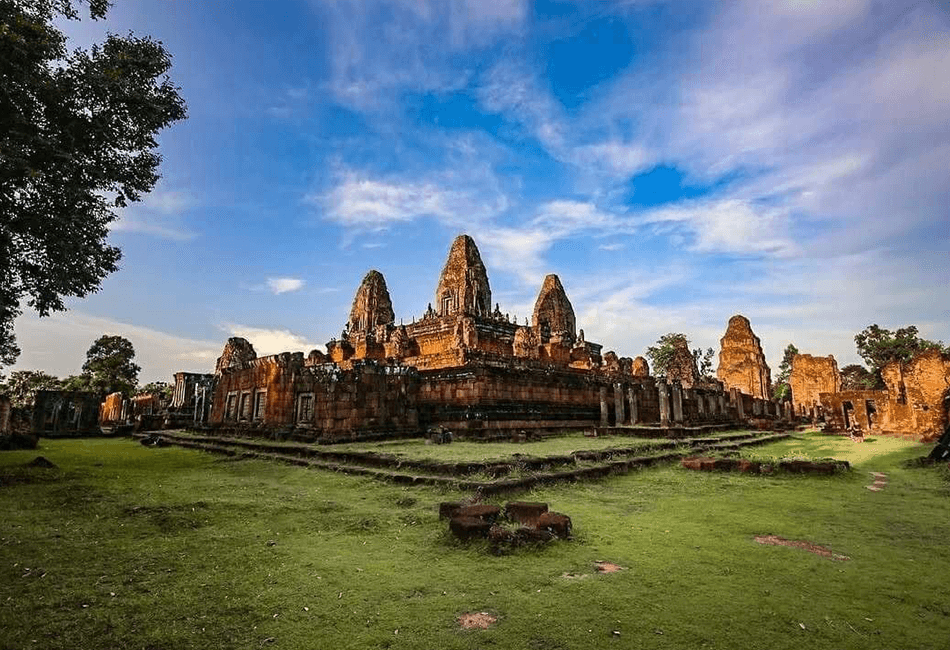
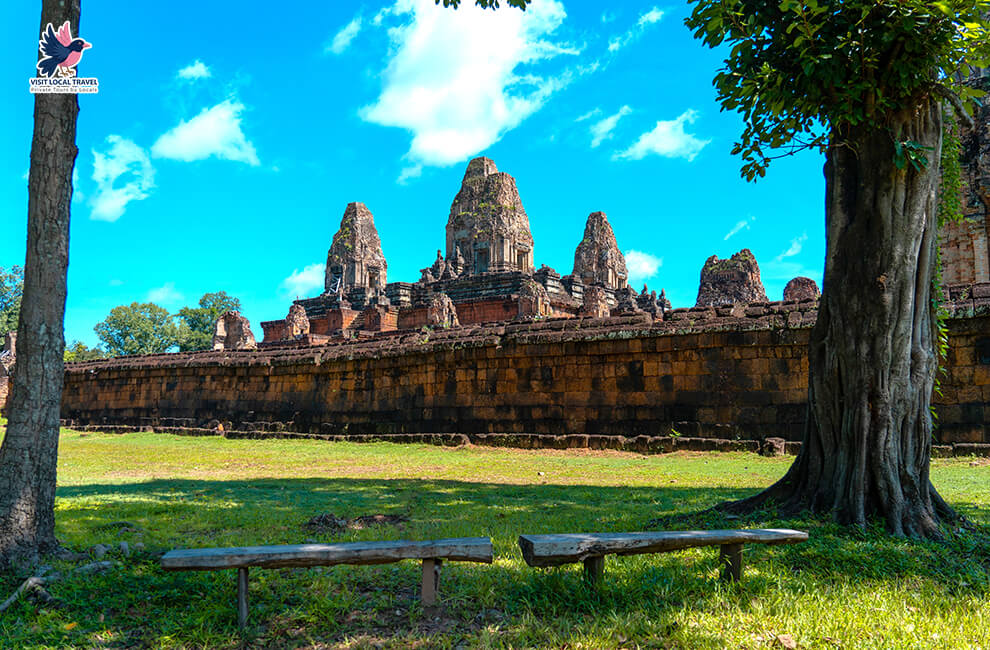
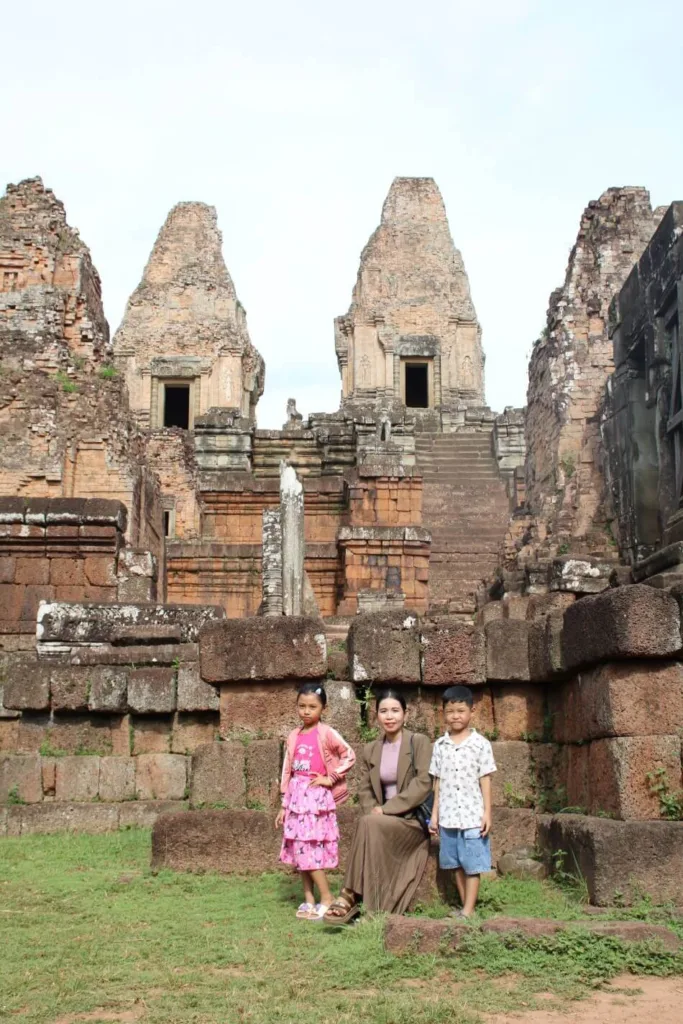
Explore the captivating history and grandeur of the Eastern Mebon Temple, one of the remarkable treasures of the Angkor complex. Situated in Cambodia’s Siem Reap province, this ancient temple has withstood the test of time, offering visitors a glimpse into the grand architectural achievements of the Khmer civilization. Let’s embark on a journey to discover the secrets and mystique of the Eastern Mebon Temple.
The Splendor of Eastern Mebon Temple
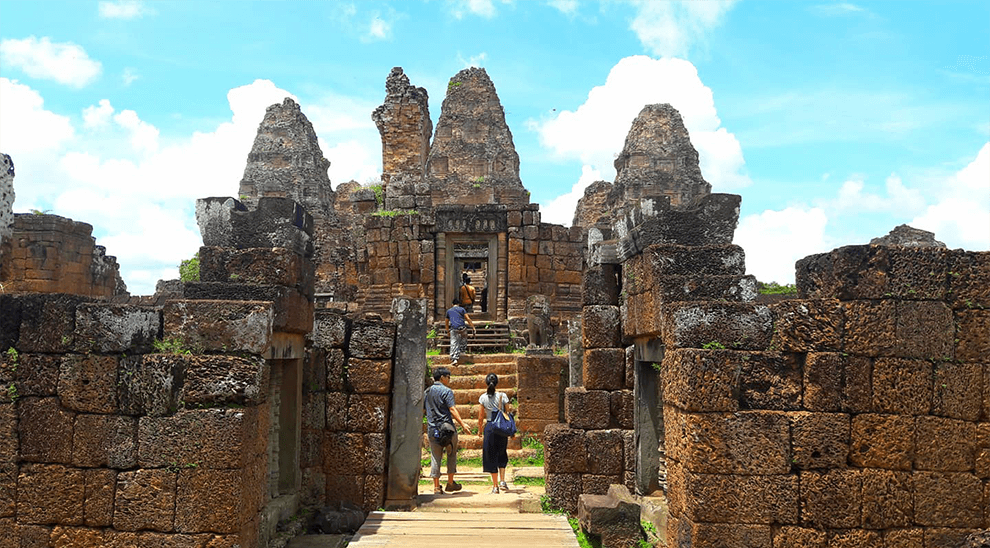
Nestled on a small island in the middle of the Eastern Baray, the Eastern Mebon Temple stands tall as a testament to the ingenuity and mastery of ancient Khmer architects. Built during the reign of King Rajendravarman II in the 10th century, this temple served as a royal sanctuary and a tribute to the Hindu god Shiva.
Imposing Architecture
The Eastern Mebon Temple boasts a distinctive mountain temple design, characterized by its five-tiered pyramid-like structure known as a “prang.” Each tier is adorned with exquisitely carved stone motifs, representing an array of mythical creatures and celestial beings. As you ascend the temple, breathtaking views of the surrounding landscape unfold, offering a sense of serenity and wonder.
Intricate Carvings
Step into a world of intricate craftsmanship as you marvel at the detailed carvings that adorn the Eastern Mebon Temple. From graceful apsaras (celestial dancers) to fearsome guardian lions, every inch of the temple’s sandstone walls tells a story steeped in myth and legend. These masterpieces provide a unique window into the artistic brilliance of the Khmer Empire.
Symbolism and Religious Significance
Like many other temples in the region, the Eastern Mebon Temple holds great religious significance. Its architectural elements symbolize the sacred Mount Meru, the celestial abode of the gods in Hindu mythology. The temple’s design reflects the Hindu belief in cosmic order and serves as a place of worship and contemplation for both ancient and modern visitors.
Unveiling the Eastern Mebon: Visitors’ Experience
Unravel the magnificence of the Eastern Mebon Temple as you embark on an unforgettable adventure through its sacred halls and stunning surroundings. Here’s what you can expect when visiting this architectural marvel:
Spiritual Atmosphere
Walking through the Eastern Mebon Temple complex, you’ll be immersed in a tranquil and spiritual atmosphere. The serene ambiance, combined with the awe-inspiring architecture, creates an experience that transcends time and connects you with ancient Khmer culture.
Panoramic Views
As you climb to the upper tiers of the Eastern Mebon Temple, you’ll be rewarded with panoramic views of the Eastern Baray and its picturesque surroundings. The vast expanse of water surrounding the temple adds to its allure, evoking a sense of magnificence and peace.
Cultural Insights
Visiting the Eastern Mebon Temple offers a unique opportunity to gain insights into the rich cultural heritage of Cambodia. Engage with knowledgeable guides who can provide you with fascinating historical anecdotes and legends associated with the temple, allowing you to appreciate its significance on a deeper level.
Preservation Efforts
Thanks to ongoing restoration and preservation efforts, visitors can witness the Eastern Mebon Temple in much of its former glory. Witness the delicate interplay between the old and new as skilled craftsmen work tirelessly to protect and restore the temple, ensuring its beauty endures for generations to come.
Conclusion
The Eastern Mebon Temple stands as a testament to the remarkable architectural achievements of the Khmer civilization. Its grandeur, intricate carvings, and spiritual significance continue to capture the hearts and minds of visitors from around the world. Embark on a journey to this ancient treasure and uncover the secrets of the Eastern Mebon Temple, where history and beauty intertwine.
Angkor National Museum
If you are a history enthusiast or simply curious about ancient civilizations, a visit to the Angkor National Museum is an absolute must. Located in Siem Reap, Cambodia, this premier cultural institution offers a captivating journey through the rich heritage of the Khmer Empire. With a vast collection of artifacts and multimedia exhibits, the Angkor National Museum provides a comprehensive understanding of one of the world’s most intriguing ancient civilizations.
Unveiling the Secrets of Angkor
What is the Angkor National Museum all about? The Angkor National Museum serves as a gateway to unlock the mysteries of Angkor, a UNESCO World Heritage site and the epitome of ancient Khmer civilization. As you enter the museum, you are transported back in time to the 9th to 15th centuries when the Khmer Empire flourished. Through its immersive exhibits, the museum unveils the history, art, and culture of this powerful empire, showcasing the grandeur and brilliance of its architectural masterpieces.
What can you expect to see at the museum?
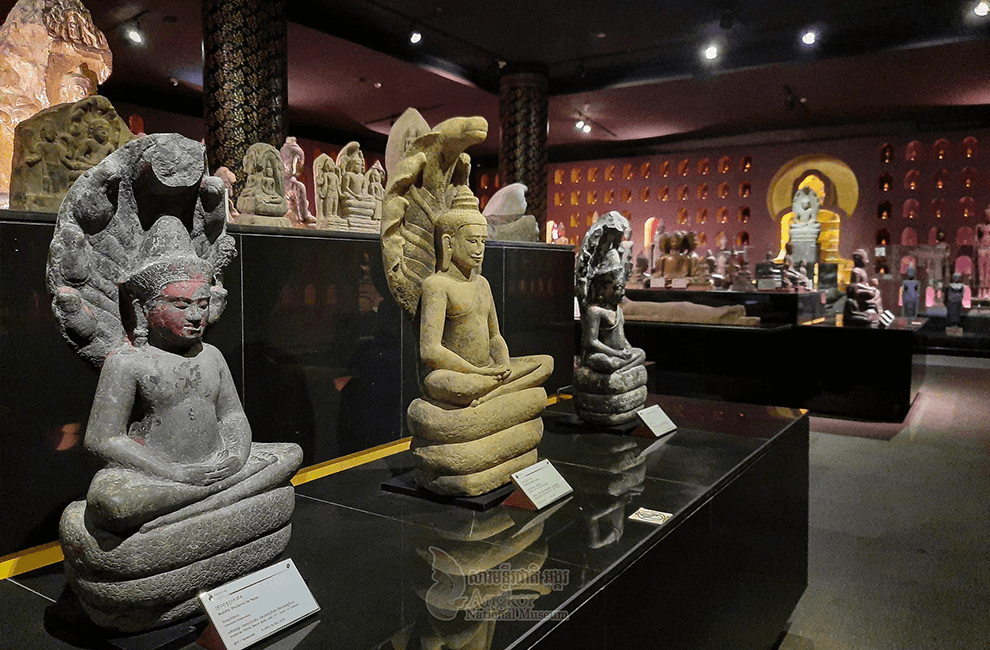
Once inside, you will be greeted by a vast collection of artifacts sourced from Angkor and its surrounding regions. These treasures include intricately carved statues, religious artifacts, ancient tools, and magnificent stone inscriptions. Each artifact tells a unique story, shedding light on the religious beliefs, artistic prowess, and daily life of the Khmer people.
Immerse Yourself in a Multisensory Experience
How does the Angkor National Museum immerse visitors?
The museum’s exhibits are thoughtfully designed to engage all your senses, creating a truly immersive experience. From captivating audiovisual presentations to interactive displays, the museum brings the splendor of Angkor to life. Walkthrough galleries like the Hall of 1,000 Buddhas and the Gallery of 1,000 Buddhas, and marvel at the remarkable craftsmanship that went into creating these remarkable sculptures. The mesmerizing lighting and ambient soundscapes further enhance your journey, transporting you to the ancient Khmer Empire.
What are the highlights of the museum?
Undoubtedly, one of the standout features of the museum is its state-of-the-art multimedia presentations. Through advanced technology, visitors can delve deeper into the historical context and architectural significance of Angkor’s temples. From informative videos to 3D animations, these exhibits provide a comprehensive understanding of the Khmer Empire’s legacy. Additionally, the museum also houses a stunning collection of traditional Khmer dance costumes, allowing visitors to appreciate the elegant art form that has been passed down through generations.
Deepen Your Knowledge with Educational Programs
Are there any educational programs available?
For those seeking a more immersive learning experience, the Angkor National Museum offers various educational programs. These range from guided tours led by knowledgeable experts to cultural workshops where visitors can try their hand at traditional crafts. These programs provide a unique opportunity to gain deeper insights into the history, symbolism, and artistic techniques employed by the Khmer people.
Can you experience the museum virtually?
Yes, the Angkor National Museum has embraced modern technology to offer a virtual experience for those unable to visit in person. Through their website, you can explore virtual galleries, engage with interactive content, and get a taste of the museum’s immersive presentations. While nothing compares to physically being within the museum’s walls, this virtual experience is a fantastic alternative for those unable to travel to Cambodia.
Planning Your Visit
What are the operating hours and fees? The Angkor National Museum is open to visitors from 8:30 AM to 6:00 PM every day. The entrance fee for adults is $12, while students and children receive discounted rates. It is advisable to allocate at least a few hours for your visit to fully appreciate the extensive collection and engaging exhibits.
Tips for a memorable visit
Start your visit early in the day to avoid large crowds.
Wear comfortable shoes, as you will be doing quite a bit of walking.
Take your time to read the informative panels accompanying each exhibit, as they provide valuable context.
Consider hiring a knowledgeable guide to enhance your understanding of the artifacts and their historical significance.
Don’t forget to bring your camera to capture the stunning displays and moments of discovery.
Conclusion
A visit to the Angkor National Museum offers a captivating and educational experience that will leave you in awe of the Khmer Empire’s extraordinary achievements. From the intricately detailed sculptures to the immersive multimedia exhibits, every corner of the museum reveals the fascinating story of a once-mighty civilization. Whether you are a history enthusiast or simply curious about the ancient world, the Angkor National Museum is a treasure trove waiting to be explored. So, plan your visit today and embark on an unforgettable journey through Cambodia’s rich cultural heritage.
Guide to Pre Rup Temple: Discover History, Sunrise Views
Nestled in the heart of Siem Reap, Cambodia, Pre Rup Temple stands as a testament to the grandeur of the Khmer Empire. This ancient temple, built in the 10th century, is a must-visit for history enthusiasts, adventure seekers, and spiritual wanderers alike. In this comprehensive guide, we’ll dive into the history, architecture, and adventure opportunities at Pre Rup, ensuring you have all the information you need to make the most of your visit.
What is Pre Rup Temple?
Pre Rup Temple is a Hindu temple constructed during the reign of King Rajendravarman II in 961 AD. The name Pre Rup translates to “Turning the Body,” a reference to a traditional Khmer cremation ceremony. This temple is one of the most significant archaeological sites in Cambodia and is renowned for its stunning sunset views, intricate carvings, and towering structure.
Located just 13 kilometers from Siem Reap, Pre Rup Temple is part of the Angkor Archaeological Park, a UNESCO World Heritage Site. Its unique laterite and sandstone construction sets it apart from other temples in the region, making it a fascinating destination for travelers.
The History of Pre Rup Temple
Pre Rup Temple was built during a time when the Khmer Empire was at its peak. It served as the state temple of King Rajendravarman II and was dedicated to the Hindu god Shiva. The temple’s design reflects the classic Khmer architectural style, with its five-tower structure symbolizing the sacred Mount Meru, the center of the universe in Hindu cosmology.
Over the centuries, Pre Rup has witnessed the rise and fall of empires, the shift from Hinduism to Buddhism, and the ravages of time. Despite this, it remains one of the best-preserved temples in the Angkor region, offering visitors a glimpse into Cambodia’s rich cultural heritage.
Why Visit Pre Rup Temple?
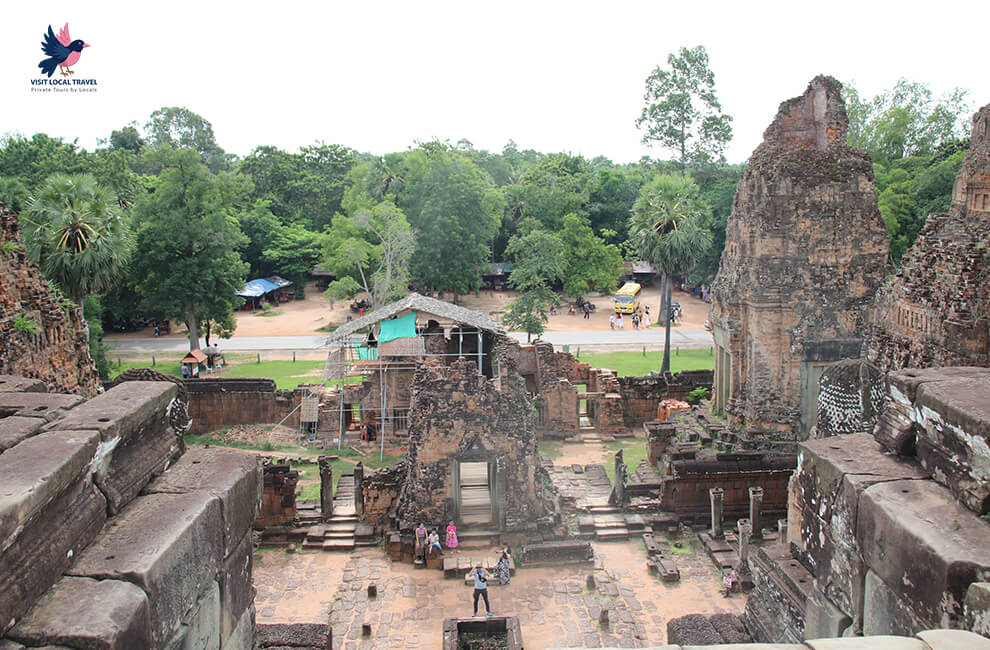
Breathtaking Sunset Views: Pre Rup Temple is famous for its panoramic views, especially during sunset. The temple’s elevated platform provides an unobstructed view of the surrounding countryside, making it a favorite spot for photographers and nature lovers.
Rich Historical Significance: As one of the oldest temples in the Angkor complex, Pre Rup offers a unique insight into the Khmer Empire’s religious and architectural evolution.
Adventure Opportunities: Exploring the temple’s narrow staircases, hidden chambers, and intricate carvings is an adventure in itself. It’s a perfect destination for those who love to uncover the mysteries of ancient civilizations.
Spiritual Experience: The serene atmosphere of Pre Rup Temple makes it an ideal place for meditation and reflection. Many visitors report feeling a deep sense of peace and connection to the past while exploring the temple grounds.
Private Sunset Tour of Kampong Phluk Floating Village
The main attraction of Pre Rup Temple is its central tower, which stands at an impressive height. Climbing the steep staircases to the top is an adventure in itself. Once you reach the summit, you’ll be rewarded with breathtaking views of the surrounding landscape. Don’t forget to bring your camera to capture the golden hues of the sunset.
2. Explore the Intricate Carvings
The temple is adorned with intricate carvings depicting scenes from Hindu mythology, including gods, goddesses, and mythical creatures. Take your time to explore these details, as they offer a fascinating glimpse into the beliefs and artistry of the Khmer Empire.
3. Discover Hidden Chambers
Pre Rup Temple is full of hidden nooks and crannies waiting to be explored. Venture off the beaten path to discover secluded chambers and quiet corners where you can soak in the temple’s ancient energy.
4. Visit During Off-Peak Hours
To fully appreciate the beauty and serenity of Prasat Pre Rup, consider visiting during early morning or late afternoon. These times are less crowded, allowing you to explore the temple at your own pace and enjoy a more intimate experience.
5. Combine Your Visit with Nearby Temples
Pre Rup Temple is located near other iconic temples such as Ta Som, East Mebon, and Banteay Srei. Plan a day trip to explore these sites and immerse yourself in the rich history and culture of the Angkor region.
Tips for Visiting Pre Rup Temple
Wear Comfortable Clothing: The temple involves a lot of walking and climbing, so wear comfortable shoes and lightweight clothing.
Stay Hydrated: The Cambodian heat can be intense, especially during the midday sun. Carry plenty of water to stay hydrated.
Hire a Guide: To fully appreciate the history and significance of Prasat Pre Rup, consider hiring a local guide who can provide insights and stories about the temple.
Respect the Site: As a sacred and historical site, it’s important to treat Pre Rup Temple with respect. Avoid touching the carvings or climbing on fragile structures.
How to Get to Pre Rup Temple
Pre Rup Temple is located approximately 25 kilometers from Siem Reap, making it easily accessible by tuk-tuk, bicycle, or car. Most visitors choose to hire a tuk-tuk driver for the day, as it allows for a more flexible and comfortable journey. Alternatively, you can rent a bicycle and enjoy a scenic ride through the Cambodian countryside.
Best Time to Visit Pre Rup Temple
The best time to visit Pre Rup is during the dry season, which runs from November to March. During this time, the weather is cooler, and the skies are clear, making it ideal for exploring the temple and capturing stunning photos. If you’re visiting for the sunset, aim to arrive at least an hour before to secure a good spot.
Conclusion
Pre Rup Temple is a true gem of Cambodia’s Angkor Archaeological Park, offering a perfect blend of history, adventure, and natural beauty. Whether you’re a history buff, an adventure seeker, or simply looking for a peaceful escape, this ancient temple has something for everyone. So pack your bags, put on your explorer’s hat, and get ready to embark on an unforgettable journey to Pre Rup Temple.
By following this guide, you’ll be well-prepared to make the most of your visit and create memories that will last a lifetime. Don’t forget to share your experiences and photos with fellow travelers, and inspire others to discover the magic of Pre Rup Temple. Safe travels!
FAQs About Pre Rup Temple
What is the Pre Rup Temple?
The Pre Rup Temple is a hypothetical ancient temple believed to have existed before a significant event or cultural shift, often referred to as “the Rub.” It symbolizes a place of spiritual or historical importance that predates a major transformation.
Is Pre Rup Temple worth visiting?
Absolutely! Pre Rup Temple is one of the most iconic and well-preserved temples in the Angkor region. Its historical significance, stunning architecture, and breathtaking views make it a must-visit destination.
How much time should I spend at Pre Rup Temple?
Plan to spend at least 1-2 hours exploring Pre Rup Temple. If you’re visiting during sunset, you may want to stay longer to fully enjoy the experience.
Is there an entrance fee?
Yes, Pre Rup Temple is part of the Angkor Archaeological Park, and visitors are required to purchase an Angkor Pass. The pass costs $37 for one day, $62 for three days, or $72 for seven days.
Can I visit Pre Rup Temple with children?
Yes, Pre Rup Temple is family-friendly. However, keep in mind that the staircases can be steep and challenging for young children. Make sure to supervise them closely during your visit.
Where is the Pre Rup Temple located?
The exact location of the Pre Rup Temple is 13 from Siem Reap, it’s in the Angkor Archaeological Park.
How does the Prsat Pre Rup influence modern culture?
The Prsat Pre Rup serves as a symbol of lost knowledge and the search for deeper meaning in modern culture. It inspires stories, art, and philosophical discussions about humanity’s connection to the past and the mysteries of existence.
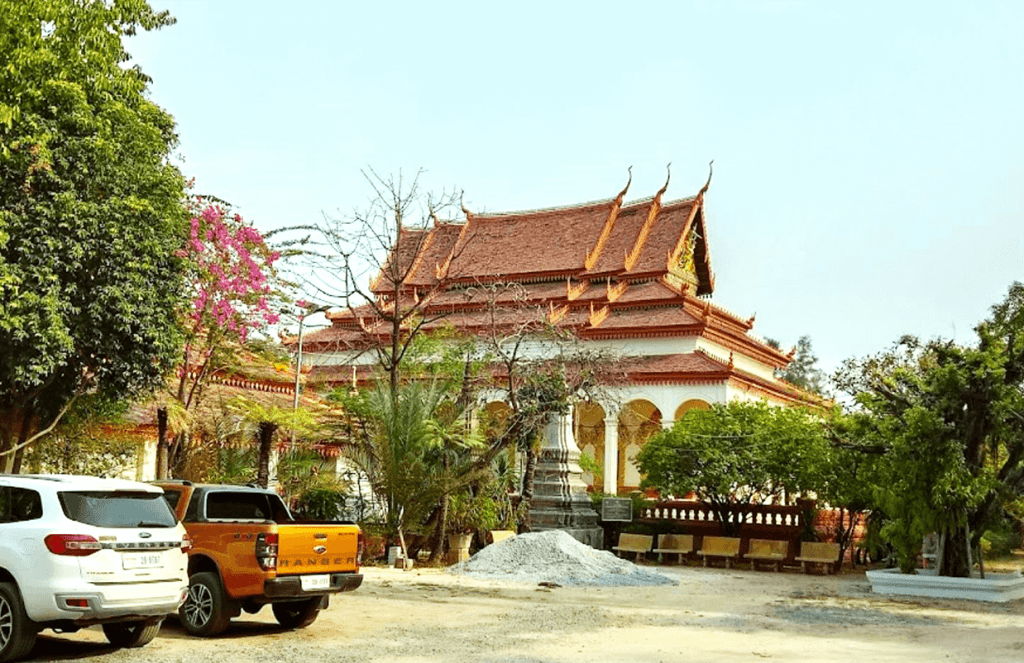
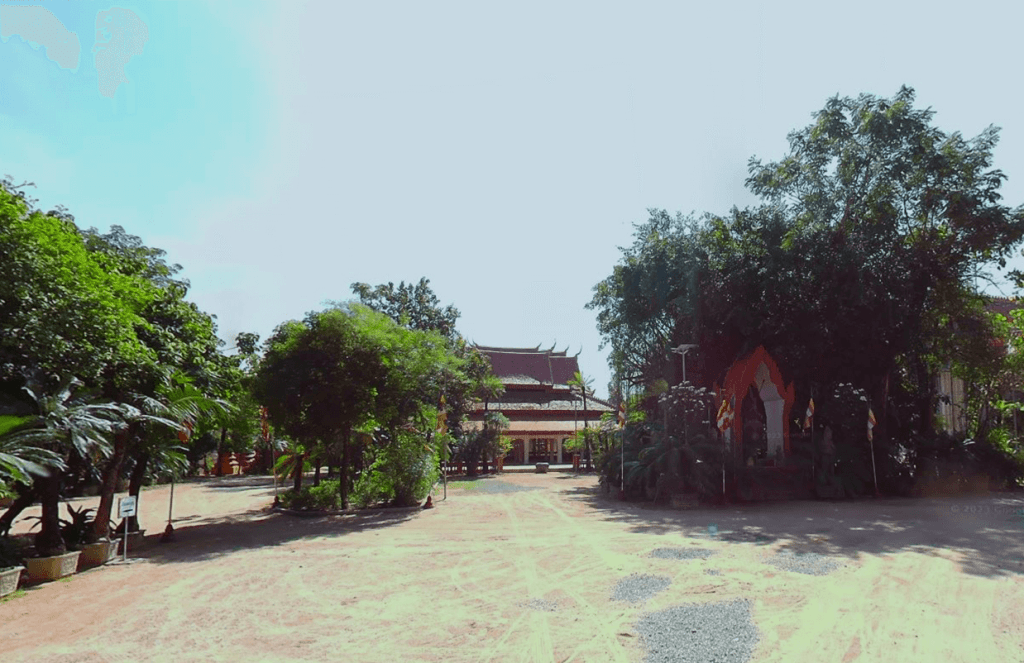
Wat Reach Bo Pagoda
Planning a visit to Siem Reap Province, Cambodia? Look no further than Wat Reach Bo, a hidden gem that encapsulates the rich history and cultural heritage of this enchanting country. In this article, we will delve into the intriguing history of Wat Reach Bo and explore why it has become a must-visit destination for travelers from around the world. So, let’s embark on a journey to uncover the secrets of this remarkable temple complex.
History of Wat Reach Bo
The origins of Wat Reach Bo can be traced back to the ancient Khmer Empire, which reigned supreme over Southeast Asia from the 9th to the 15th century. This empire was known for its architectural marvels, with Angkor Wat being the most famous example. However, Wat Reach Bo offers a unique perspective on the Khmer civilization, showcasing a lesser-known aspect of their rich cultural heritage.
The Lost Temple
For centuries, Reach Bo Pagoda remained hidden from the world, shrouded in dense foliage and mystery. It was only in the late 20th century that archaeologists stumbled upon this hidden treasure, unveiling a temple complex of astounding beauty and historical significance. The discovery of Wat Reach Bo has since been hailed as a major archaeological breakthrough, providing valuable insights into the Khmer Empire’s religious and architectural practices.
Architectural Marvels
Once you set foot in Reach Bo Pagoda, you will be mesmerized by the intricate architectural details that adorn its structures. The main temple, dedicated to the Hindu deity Shiva, showcases elaborate carvings depicting scenes from Hindu mythology. The mastery of the ancient Khmer craftsmen is evident in every nook and cranny of the temple, making it a true masterpiece of architectural excellence.
Open Schedule
Unlike other popular tourist destinations, Wat Reach Bo follows an open schedule, allowing visitors to explore its wonders at their own pace. Whether you’re an early riser or prefer to soak in the mystical atmosphere during sunset, Wat Reach Bo welcomes you with open arms at any time of the day. This flexibility offers a unique opportunity to experience the temple complex in a way that resonates with your personal preferences.
Expert Tips for Visiting Reach Bo Pagoda
Plan Ahead: Before embarking on your journey to Wat Reach Bo, make sure to check the weather conditions and plan your visit accordingly. Cambodia’s tropical climate can be unpredictable, so it’s always wise to be prepared.
Dress Appropriately: As a place of religious significance, Wat Reach Bo warrants respectful attire. Ensure that your shoulders and knees are covered when visiting the temple complex. Additionally, remember to wear comfortable shoes, as you’ll be doing quite a bit of walking.
Engage with the Locals: The local community surrounding Wat Reach Bo is known for their warm hospitality. Don’t hesitate to strike up a conversation with the locals and learn more about their way of life. Their stories and insights will enrich your experience and provide a deeper understanding of the temple complex.
Capture Memories: Wat Reach Bo is a photographer’s paradise, offering endless opportunities to capture stunning shots. From the breathtaking architecture to the picturesque surrounding landscapes, every corner of this temple complex is a visual delight. So, don’t forget to pack your camera and immortalize the memories you create.
How to Get to Wat Reach Bo?
By Land
When it comes to reaching Wat Reach Bo by land, there are a few different options depending on your starting point. If you are coming from the nearby city of Siem Reap, Cambodia, you can easily catch a bus or hire a private car to take you to Wat Reach Bo. The journey will take you through picturesque countryside, giving you a taste of local life along the way.
Alternatively, if you are traveling from Bangkok, Thailand, you can hop on a train or bus that will take you to the border town of Aranyaprathet. From there, you can cross the border into Cambodia and catch a bus to Wat Reach Bo. This route is popular among backpackers and budget travelers looking to experience the beauty of Southeast Asia on a shoestring budget.
By Air
For those looking for a quicker and more convenient way to reach Wat Reach Bo, flying is the way to go. The nearest airport to Reach Bo Pagoda is Siem Reap International Airport, which is well-connected to major cities in Asia. From the airport, you can easily hire a taxi or take a shuttle bus to Reach Bo Pagoda, making your journey hassle-free and comfortable.
Flying to Wat Reach Bo is also a great option for those with limited time to spare, as it allows you to maximize your time exploring the destination itself rather than spending hours on the road. With multiple airlines offering flights to Siem Reap International Airport, getting to Reach Bo Pagoda by air has never been easier.
Conclusion
Wat Reach Bo stands as a testament to the grandeur and creativity of the Khmer Empire. With its rich history, awe-inspiring architecture, and open schedule, this hidden jewel offers a unique and immersive experience for every traveler. So, when planning your next trip to Cambodia, don’t miss the opportunity to uncover the secrets of Wat Reach Bo and immerse yourself in the beauty and mystique of this ancient temple complex.
APOPO Siem Reap Visitor Center
Welcome to the APOPO Siem Reap Visitor Center, a remarkable destination that combines education, history, and humanitarian efforts. In this article, we will explore the incredible work that APOPO does in the field of humanitarian demining. We will also delve into the ticket pricing and open schedule of the visitor center, ensuring you have all the information you need to plan your visit.
APOPO: Pioneers in Humanitarian Demining
What is humanitarian demining?
Humanitarian demining refers to the process of removing landmines and explosive remnants of war (ERW) to ensure the safety of communities affected by conflict. It is a crucial activity that helps to restore normalcy and promote sustainable development in war-torn areas.
The pioneering work of APOPO
APOPO, a non-profit organization, has been at the forefront of humanitarian demining for over two decades. They utilize trained African giant pouched rats, affectionately known as HeroRATs, to detect and identify landmines and ERW. These highly intelligent animals have an exceptional sense of smell and are able to detect the presence of explosive materials.
Ticket Price: Exploring the Value
What does the ticket cover?
When you purchase a ticket to the APOPO Siem Reap Visitor Center, you contribute directly to the ongoing humanitarian demining efforts carried out by APOPO. The funds generated from ticket sales are used to train and support the HeroRATs, as well as provide essential resources for demining operations.
The price of a ticket
The ticket price for adults is $10, while children under the age of 12 can enter for free. By visiting the center, not only do you gain an enriching experience, but you also contribute to a worthy cause. It’s a win-win situation!
Open Schedule: Plan Your Visit
When is the visitor center open?
The APOPO Siem Reap Visitor Center is open to the public from Monday to Saturday. Visitors can explore the center’s exhibits and learn about the history of landmines and the impact they have on communities. With informative displays and interactive activities, the center provides a unique educational experience.
What to expect during your visit
During your visit, you can witness the HeroRATs in action as they undergo training exercises. These highly intelligent creatures are trained to detect explosive materials, showcasing their incredible skills and the advancements made in humanitarian demining efforts.
Conclusion
The APOPO Siem Reap Visitor Center offers a unique opportunity to learn, contribute, and make a difference. By purchasing a ticket, you support the ongoing efforts to rid the world of landmines and create safer communities. Plan your visit today and become part of the global humanitarian demining movement.
Cambodia Landmine Museum
Have you ever wondered about the impact of landmines on innocent civilians in conflict-affected regions? In Cambodia, the Landmine Museum stands as a poignant reminder of the devastating consequences of these hidden killers. This article delves into the history, purpose, and experiences that the Cambodia Landmine Museum offers to visitors, shedding light on the enduring legacy of landmines in the country.
Cambodia Landmine Museum: A Glimpse into the Past
Uncovering the Dark Footprint of Landmines
Landmines have left a profound mark on Cambodia, a nation that has endured decades of conflict. The Cambodia Landmine Museum, located in Siem Reap Province, Cambodia, takes visitors on a journey through the history of landmines and their destructive impact on the country’s population. With over 4 to 6 million landmines estimated to still be scattered across Cambodia, this museum serves as a vivid testament to the ongoing struggle faced by communities living under the constant threat of these deadly devices.
A Personal Touch: The Story behind the Museum
The Cambodia Landmine Museum was founded by Aki Ra, a former child soldier who fought during the Khmer Rouge regime. Having witnessed the devastating effects of landmines firsthand, Aki Ra dedicated his life to removing these dangerous weapons and helping landmine victims. His personal experiences and commitment to making Cambodia safe from landmines create an emotional and authentic atmosphere within the museum.
Exploring the Cambodia Landmine Museum
Exhibits: A Glimpse into the Reality
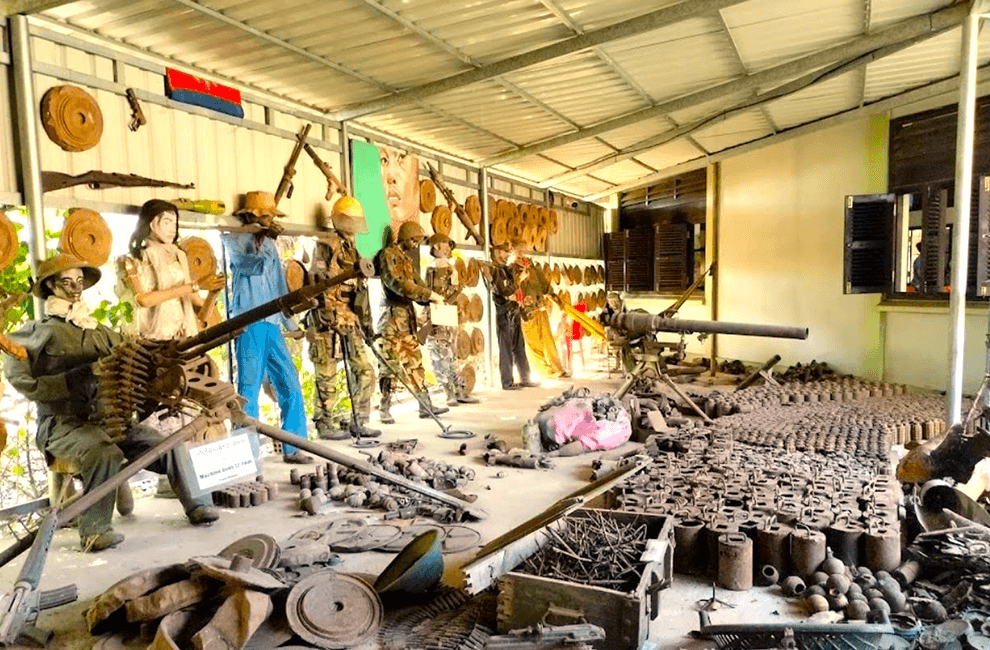
Upon entering the museum, visitors are exposed to a wide range of exhibits that provide a comprehensive understanding of the landmine issue in Cambodia. Through photographs, personal stories, and artifacts, the museum vividly portrays the impact of landmines on communities, both in the past and present. From educational displays on mine clearance techniques to stories of survival from landmine victims, every exhibit serves to create empathy and awareness among visitors.
Interactive Experiences: Stepping into the Shoes of Survivors
At the Cambodia Landmine Museum, visitors have the opportunity to take part in interactive activities that offer a unique perspective on the challenges faced by landmine victims. These experiences include walking through a simulated minefield, giving visitors a sense of the fear and uncertainty faced by those living in affected areas. By immersing themselves in these interactive exhibits, visitors gain a deeper appreciation for the resilience and strength demonstrated by landmine survivors.
Community Impact: Creating Hope for the Future
Beyond its role as a museum, the Cambodia Landmine Museum plays a vital role in supporting affected communities. A significant portion of the museum’s proceeds are directed towards initiatives such as landmine clearance and providing education and vocational training opportunities for landmine survivors. By visiting the museum, tourists contribute to these worthy causes and actively participate in the ongoing journey towards a landmine-free Cambodia.
In conclusion, Cambodia Landmine Museum serves as a powerful reminder of the lasting impact of landmines on communities in Cambodia. Through its exhibits, interactive experiences, and community support, the museum offers a unique and educational experience for visitors. It not only raises awareness about the landmine issue but also contributes to the ongoing efforts of making Cambodia a safer place for its inhabitants. By visiting the Cambodia Landmine Museum, you not only gain insight into the tragic legacy of landmines but also play a part in creating a better future for the people of Cambodia.
How to Book Angkor Wat Tour?
Are you planning a trip to Cambodia and want to explore the magnificent Angkor Wat? Booking an Angkor Wat tour is the best way to ensure a hassle-free and informative visit to this ancient wonder. In this article, we will guide you on how to book your Angkor Wat tour and make the most out of your visit.
Angkor Wat: A Must-Visit Destination
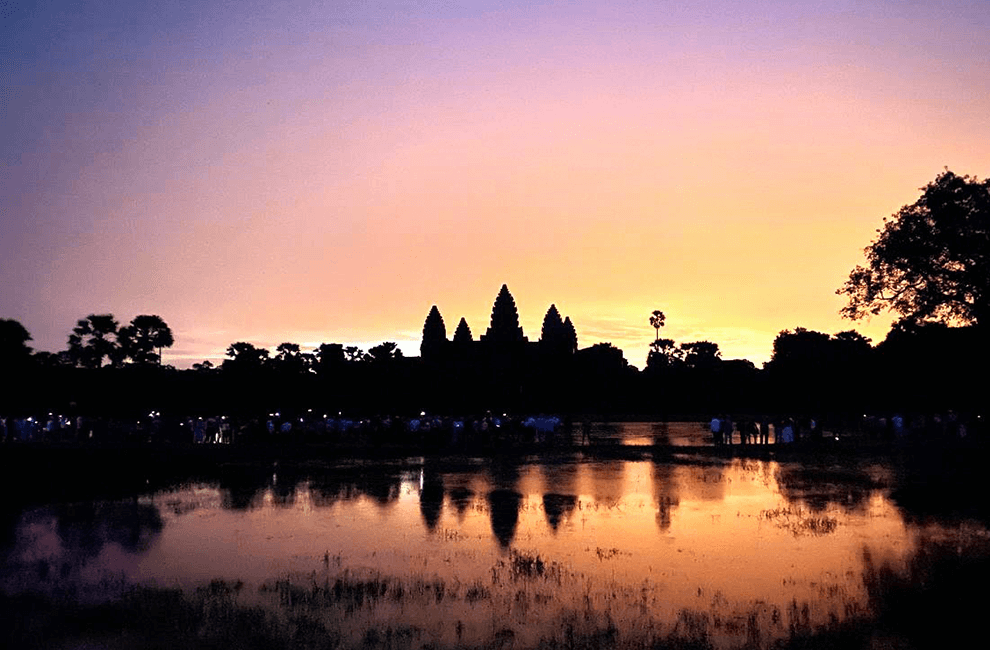
When it comes to historical wonders, Angkor Wat is undoubtedly at the top of the list. This UNESCO World Heritage site is the largest religious monument in the world and showcases the architectural brilliance and cultural heritage of the Khmer Empire. With its intricate carvings, grand temples, and expansive landscapes, Angkor Wat is a treasure trove of history and beauty.
Decide how many days you want to dedicate to exploring Angkor Wat and its surrounding temples. Depending on your interests, you can choose between a half-day, full-day, or multi-day tour.
2. Season and Weather
Check the weather conditions during your intended visit. While Angkor Wat can be visited year-round, certain seasons offer more favorable weather. The dry season, from November to March, is considered the best time to visit, as it offers pleasant temperatures and minimal rainfall.
3. Entrance Passes
Purchase your Angkor Wat entrance passes in advance. There are several options available, ranging from a one-day pass to a three-day pass. Make sure to carry your passes with you at all times during the tour.
Choosing a Reliable Tour Operator
Booking your Angkor Wat tour with a reputable and experienced tour operator ensures a smooth and enjoyable experience. Consider the following when choosing a tour operator:
1. Reviews and Recommendations
Read reviews and seek recommendations from fellow travelers or online forums. Look for operators with positive feedback highlighting their professionalism, knowledge, and customer satisfaction.
2. Comprehensive Itineraries
Check if the tour operator offers comprehensive itineraries that cover the main Angkor Wat temple complex, as well as other prominent temples like Bayon, Ta Prohm, and Banteay Srei. A well-rounded itinerary allows you to explore the best of the Angkor archaeological park.
3. Customization Options
Look for tour operators that offer customized tours based on your preferences and interests. Whether you are interested in photography, history, or architecture, a personalized tour ensures a tailored experience.
4. Qualified Guides
Ensure that the tour operator provides knowledgeable and licensed tour guides who can provide informative insights about the temples and their historical significance.
Making the Booking
Once you have chosen a tour operator, it’s time to make your booking. Follow these steps:
Contact the tour operator through their website or directly via email or phone.
Inquire about the available tour dates and prices.
Provide them with your preferred tour duration and any specific requirements or preferences.
Clarify the inclusions, such as transportation, entrance tickets, meals, and guide services.
Preparing for Your Angkor Wat Tour
Before embarking on your Angkor Wat tour, make sure you are well-prepared:
1. Dress Code
Respect the cultural and religious significance of the temples by dressing modestly. Wear appropriate clothing that covers your shoulders and knees. Comfortable shoes and a hat are also recommended.
2. Hydration and Sun Protection
Angkor Wat can be hot and humid, especially during the summer months. Carry a water bottle to stay hydrated and apply sunscreen to protect your skin from the sun’s rays.
3. Photography Essentials
Bring your camera or smartphone to capture the breathtaking beauty of Angkor Wat. Don’t forget spare batteries and memory cards to ensure you don’t miss any memorable moments.
4. Respect Local Customs
Be respectful of the local customs and traditions. Avoid touching or climbing on the temple structures and always follow the instructions of your tour guide.
Conclusion
Booking an Angkor Wat tour allows you to immerse yourself in the mystical world of ancient temples and discover the rich history of Cambodia. By following the steps and tips mentioned in this article, you can ensure a seamless and unforgettable experience. So, start planning your Angkor Wat tour today and get ready to embark on a journey back in time.
Kamping Puoy Lake
Battambang, a picturesque province in Cambodia, is home to a hidden gem known as Kamping Puoy Lake. Nestled amidst lush greenery, this serene lake offers a peaceful retreat for nature lovers and adventure seekers alike. With its rich history and scenic beauty, Kamping Puoy Lake is a must-visit destination for travelers looking to unwind and reconnect with nature. In this article, we will explore the history of Kamping Puoy Lake and delve into its unique offerings.
A Hidden Oasis
Kamping Puoy Lake, also known as “the ocean of green rice fields,” is a man-made reservoir built during the Khmer Rouge era. The lake was constructed to provide irrigation to the surrounding farmlands, ensuring bountiful harvests for the local community. Over the years, Kamping Puoy Lake has not only served as a vital water source but has also become a popular recreational spot for locals and tourists alike.
Development and Tourism
In recent years, the provincial government of Battambang has recognized the immense potential of Kamping Puoy Lake as a tourist attraction. Various infrastructure developments have been initiated to enhance the visitor experience, including the construction of walking trails, picnic areas, and viewpoints. These improvements have attracted an increasing number of tourists, who come to experience the natural beauty and peaceful ambiance of Kamping Puoy.
Unique Attractions
Kamping Puoy Lake is known for its breathtaking panoramic views of the surrounding countryside. Visitors can enjoy a leisurely stroll along the lakeside promenade, taking in the tranquility and serenity of the lake. The nearby hills provide a perfect vantage point for admiring the picturesque views, especially during sunset when the sky transforms into a palette of vibrant colors.
For adventurous souls, Kamping Puoy offers exciting water activities such as kayaking and paddleboarding. The calm waters of the lake provide an ideal setting for beginners to try their hand at these thrilling sports. Fishing enthusiasts can also indulge in their favorite pastime, as the lake is home to an abundance of fish species.
Community Engagement
The local community plays a significant role in the preservation and promotion of Kamping Puoy Lake. Traditional fishing villages dot the lake’s shoreline, and visitors can immerse themselves in the vibrant local culture by interacting with the friendly villagers. These communities also offer homestay experiences, allowing tourists to experience the authentic rural lifestyle of Battambang.
Kamping Puoy Lake: A Nature Lover’s Paradise
Sustainable Tourism Initiatives
The conservation of Kamping Puoy and its surroundings is of utmost importance to maintain its pristine beauty. The provincial government, in collaboration with environmental organizations, has implemented sustainable tourism initiatives to protect the lake and its ecosystem. By promoting responsible tourism practices and educating visitors about the importance of preserving the environment, Kamping Puoy Lake aims to ensure its long-term sustainability.
Flora and Fauna
Kamping Puoy Lake is home to a diverse range of flora and fauna. The surrounding forests teem with lush vegetation, providing a habitat for numerous bird species, including the majestic Asian openbill storks and the colorful oriental darters. Nature enthusiasts will be enthralled by the variety of wildlife that calls this area home, including monkeys, deer, and reptiles.
Captivating Sunflower Fields
One of the highlights of Kamping Puoy Lake is the mesmerizing sunflower fields that bloom during certain times of the year. These vibrant fields offer a picturesque backdrop for photography enthusiasts, with the golden hues of the sunflowers contrasting against the vivid blue sky.
The Magic of Fireflies
As dusk falls, a mystical phenomenon unfolds at Kamping Puoy Lake. Fireflies illuminate the night sky, creating a mesmerizing spectacle of flickering lights. Visitors can take a boat ride along the lake’s tranquil waters to witness this enchanting display of nature’s wonders.
Conclusion
Kamping Puoy Lake is a hidden paradise within the beautiful province of Battambang. With its rich history, captivating landscapes, and unique attractions, it offers a truly immersive experience for travelers seeking peace and tranquility. Whether you’re a nature lover, adventure enthusiast, or simply looking to escape the hustle and bustle of city life, Kamping Puoy Lake will leave you with memories that last a lifetime. So pack your bags, embrace the serenity, and embark on a journey to discover the hidden gem of Battambang.
Wat Pee Pahd Pagoda
Welcome to the captivating world of Battambang, Cambodia, where history, culture, and spirituality blend seamlessly. Among the many enchanting landmarks that grace this region, the Wat Pee Pahd Pagoda stands tall as a living testament to the city’s remarkable past. In this article, we will delve into the rich history of the Wat Pee Pahd Pagoda, exploring its significance and unravelling the mysteries that lie within its sacred walls.
A Glimpse into Battambang’s Past
Before we embark on our journey into the depths of the Wat Pee Pahd Pagoda, let us take a moment to appreciate the profound historical significance of Battambang itself. Nestled in Northwestern Cambodia, this ancient city dates back to the Angkorian era, making it one of the country’s oldest and most culturally significant regions.
The Rise of the Wat Pee Pahd Pagoda
At the heart of Battambang stands the majestic Wat Pee Pahd Pagoda, known for its exquisite architecture and spiritual charm. This revered place of worship was constructed in the early 20th century, during the reign of King Sisowath.
Unveiling the Architectural Grandeur
As we step inside the Wat Pee Pahd Pagoda, we are immediately greeted by its breathtaking architecture, characterized by intricate carvings, vibrant murals, and ornate statues. The style of the pagoda reflects the fascinating blend of Khmer and Thai architectural influences, creating a unique visual feast for the eyes.
Embracing Tranquility and Spirituality
One cannot help but be enveloped by a sense of serenity and tranquility as they wander through the hallowed halls of the Wat Pee Pahd Pagoda. The complex consists of various structures, each serving a distinct purpose and providing a space for devotees to engage in prayer, meditation, and religious rituals.
Exploring the Wat Pee Pahd Pagoda Grounds
The Main Sanctuary
At the heart of the Wat Pee Pahd Pagoda is the main sanctuary, where locals and visitors come together to pay homage to Buddha and seek spiritual enlightenment. Here, amidst the fragrance of incense and the soft glow of candlelight, devotees find solace and connect with their inner selves.
The Meditation Hall
Adjacent to the main sanctuary is the meditation hall, a serene oasis where practitioners can retreat from the chaos of the outside world. With its peaceful ambience and tranquil surroundings, this hall provides the perfect setting for deep contemplation and self-reflection.
The Bell Tower
The pagoda’s bell tower stands tall, symbolizing the harmonious union of earthly and heavenly realms. The resonating sound of the bell reverberates across the pagoda, calling upon the faithful to gather and engage in communal prayer.
Preserving Tradition and Culture
Through the centuries, the Wat Pee Pahd Pagoda has served as a guardian of local culture and heritage. From hosting traditional ceremonies and celebrations to acting as a hub for cultural exchanges, this revered temple plays a vital role in preserving the rich tapestry of Battambang’s history.
Conclusion
As we conclude our virtual tour of the Wat Pee Pahd Pagoda, we can’t help but marvel at the beauty, spirituality, and historical significance that emanate from this sacred site. This remarkable pagoda stands as a testament to Battambang’s enduring legacy, captivating all who step foot within its hallowed walls. So, the next time you find yourself in this historic city, be sure to pay a visit to the Wat Pee Pahd Pagoda and immerse yourself in its awe-inspiring splendor.
Sek Sork Tourism Resort or Sek Sak Natural Resort
If you’re looking for a unique and off-the-beaten-path travel experience in Cambodia, look no further than the SEK SORK Tourism Resort (Sek Sork) in Battambang Province. Offering a blend of history, natural beauty, and exciting travel activities, this hidden gem is a must-visit destination for adventure enthusiasts and culture lovers alike. In this article, we will delve into the history of Sek Sork, explore the attractions it offers in Battambang, and highlight the various travel activities you can enjoy during your visit.
History of SEK SORK Tourism Resort
SEK SORK Tourism Resort, located in the historical province of Battambang, has a rich and fascinating history. Dating back centuries, this region served as a vital center for trade and commerce during the Angkor period. The resort itself is built on the remnants of an ancient royal palace, adding an air of regal charm to the surroundings.
During your visit, you can explore the beautifully preserved ruins and learn about the ancient Khmer civilization that once thrived here. Take a leisurely stroll through the historic gardens and immerse yourself in the stories of a bygone era. The knowledgeable guides will be more than happy to share intriguing tales and historical facts as you explore the resort.
In Battambang: A Haven of Natural Beauty
Battambang is known for its picturesque landscapes and natural beauty, and SEK SORK Tourism Resort is no exception. Nestled amidst lush greenery, the resort offers an idyllic setting that will captivate your senses. Whether you’re a nature lover or an avid photographer, you’ll be treated to stunning views and unforgettable moments.
1. Riverside Walks: Take a leisurely stroll along the tranquil riverside and embrace the peaceful ambiance. The gentle breeze and serene surroundings make it the perfect spot for relaxation and introspection. 2. Ecological Farm: Experience sustainable living and get a glimpse of traditional Cambodian farming practices at the resort’s ecological farm. Learn about organic farming methods, interact with friendly locals, and savor the flavors of farm-fresh produce. 3. Botanical Gardens: Immerse yourself in the beauty of the resort’s meticulously maintained botanical gardens. Marvel at the vibrant blooms, rare flora, and fragrant orchids that adorn the landscape.
Travel Activities at Sak Sork Tourism Resort
Sek Sork Tourism Resort offers an array of exciting travel activities that cater to various interests and preferences. Whether you’re seeking adventure, cultural immersion, or relaxation, you’ll find something to suit your taste at this remarkable destination.
1. Traditional Khmer Dance Performance: Delight in the mesmerizing performances of traditional Khmer dance, a rich art form that reflects the country’s cultural heritage. Experience the graceful movements, elegant costumes, and enchanting music as you immerse yourself in the world of Cambodian dance.
2. Cycling Tours: Embark on an adventurous cycling tour and explore the scenic countryside surrounding Battambang. Pedal your way through quaint villages, picturesque rice fields, and enchanting temples as you soak in the beauty of the surroundings.
3. Cooking Classes: Unleash your inner chef and learn the secrets of Khmer cuisine through immersive cooking classes. Under the guidance of experienced local chefs, you’ll master traditional recipes and create delectable dishes using fresh ingredients sourced from the resort’s organic farm.
Conclusion
SEK SORK Tourism Resort in Battambang offers an enriching travel experience, combining history, natural beauty, and exciting activities. Whether you’re captivated by the ancient ruins, inspired by the lush landscapes, or intrigued by the cultural offerings, this hidden gem is bound to leave a lasting impression. Plan your visit to Sek Sork Tourism Resort, and embark on a journey that will take you through centuries of history and immerse you in the charm of Cambodia.
Prasat Sneung
Battambang, located in northwestern Cambodia, is a city steeped in rich history and cultural heritage. One of the fascinating historical sites in Battambang is Prasat Sneung, an ancient temple that has stood the test of time. This article will take you on a journey to explore the intriguing history of Prasat Sneung, delve into the wonders of Battambang, and highlight the various travel activities that make it a must-visit destination.
About Prasat Sneung and History
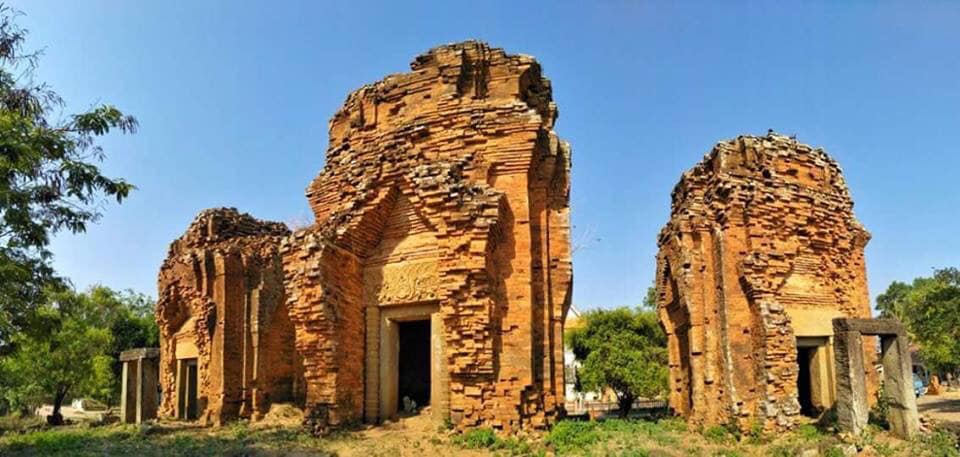
Prasat Sneung, a splendid cultural tourist destination and located in the Sneung Khang Keut village, Battambang Province, Canbodia, exudes an aura of historical richness. Positioned approximately 22.58 km away from the provincial town, accessible via the well-traveled road 57, this ancient temple was meticulously constructed during the 12th century.
Boasting two distinct sections, Snueng Khang Kuet and Snueng Khang Lech, Prasat Sneung stands within the compound of Snueng pagoda, harmoniously blending spirituality and architectural grandeur. The temples, built using sturdy brickwork, grace a 30-meter-long and 20-meter-wide mound that takes the shape of stupas. This design bears a striking resemblance to the revered temples constructed in the 12th century. Adjacent to these magnificent structures lies a newly established, expansive monastery, deftly managed by the esteemed pagoda commission. Prasat Sneung entices visitors with its timeless allure, promising a profound cultural experience.
Architectural Marvel
Prasat Sneung mesmerizes visitors with its intricate design and detailed carvings. The temple boasts a distinct architectural style that is a fusion of Hindu and Buddhist elements. Its sandstone structures, adorned with mythical creatures and intricate motifs, showcase the remarkable craftsmanship of the Angkorian artisans. Explore the temple’s various chambers and corridors to marvel at the impressive reliefs and sculptures that depict stories from ancient legends.
Battambang: An Enchanting City
Battambang is more than just a city; it is a cultural hub that encapsulates the soul of Cambodia. Known for its vibrant art scene and thriving artistic community, Battambang is a paradise for art enthusiasts. Wander through the bustling streets and discover numerous art galleries, showcasing traditional and contemporary artworks. The city also hosts an annual art festival, where visitors can indulge in live performances, exhibitions, and cultural events.
Riverfront Bliss
The tranquil Sangkae River gracefully winds its way through Battambang, adding to the city’s natural charm. Take a leisurely stroll along the riverfront promenade and immerse yourself in the picturesque surroundings. Admire the stunning sunset while sipping a cup of traditional Cambodian coffee or indulge in delectable street food from the nearby vendors. The riverfront offers a peaceful respite from the city’s hustle and bustle, allowing visitors to unwind and reconnect with nature.
Travel Activities in Battambang
Bamboo Train Adventure Embark on an exhilarating bamboo train adventure and experience the unique mode of transportation that Battambang is famous for. The bamboo trains, also known as “norry,” consist of a wooden platform mounted on two axles and powered by a small engine. Hop on board and zip through the picturesque countryside, soaking in the breathtaking scenery of rice fields and quaint villages. The bamboo train ride offers a thrilling and authentic way to explore the rural beauty of Battambang.
Phare Ponleu Selpak Circus
Don’t miss the opportunity to witness the awe-inspiring performances of the Phare Ponleu Selpak Circus. This Cambodian social enterprise empowers underprivileged youth by providing them with artistic training and opportunities. The circus showcases extraordinary acrobatics, dance, and theater performances, infused with Cambodian storytelling and cultural elements. Prepare to be captivated by the talent and passion of these young performers as they take you on a journey through their awe-inspiring acts.
Conclusion
Prasat Sneung is a testament to the rich history and cultural heritage of Battambang. As you explore this ancient temple, you will be transported back in time, marveling at the architectural wonders left behind by the Khmer Empire. Beyond its historical treasures, Battambang offers a unique blend of art, natural beauty, and immersive experiences. From bamboo train adventures to captivating circus performances, Battambang has something to offer every traveler seeking an authentic and enriching exploration. Embark on a journey to this enchanting city and create memories that will last a lifetime.
Pich Chenda Waterfall
Unveiling the pristine beauty of Battambang, Cambodia, the Pich Chenda Waterfall stands as a captivating attraction that enthralls travelers seeking a natural paradise. With its mesmerizing cascades, lush surroundings, and serene ambiance, this enchanting waterfall offers a captivating experience for nature enthusiasts.
Pich Chenda Waterfall: A Nature Lover’s Paradise in Battambang
Pich Chenda Waterfall: An Oasis of Tranquility amidst Nature
Unveiling its magnificence, Pich Chenda Waterfall presents a visual feast for those fortunate enough to witness its breathtaking beauty. As you approach the waterfall, you are greeted by the soothing sound of rushing water and the lush greenery that surrounds it. The cascades of crystal-clear water gently flow down the cliff, creating a mesmerizing display of nature’s wonders. With sunlight filtering through the trees, the waterfall sparkles and shimmers, painting an idyllic picture that is difficult to forget.
Cascades and Natural Pools: A Refreshing Escape
One of the most remarkable features of Pich Chenda Waterfall is its series of cascading streams that form their own enchanting natural pools. Embrace the adventure and surrender to the refreshing embrace of the clear, cool waters. Dive into the invigorating depths, swim from pool to pool, or simply relax and soak in the tranquil ambiance that surrounds you. The waterfall’s natural pools invite both relaxation and exploration, making it an ideal spot for families, friends, and solo travelers alike.
Experience Pich Chenda Waterfall: A Journey to Remember
Trekking through Nature: A Thrilling Expedition
To fully experience the awe-inspiring beauty of Pich Chenda Waterfall, embark on a memorable trek through the surrounding jungle. As you navigate the verdant trails, you’ll encounter a diverse array of tropical flora and fauna, adding to the enchantment of your journey. Armed with your camera, capture the stunning vistas and vibrant wildlife that call this pristine landscape home. Immerse yourself in the symphony of nature as you traverse the path towards this hidden gem.
Picnic by the Waterfall: Unwind and Rejuvenate
For those seeking tranquility and relaxation, Pich Chenda Waterfall offers the perfect setting for a blissful picnic. Find a shady spot under the surrounding trees, spread out a comfortable blanket, and savor a delightful picnic spread amidst nature’s embrace. Take in the sights and sounds of the waterfall as you enjoy a leisurely meal with loved ones. Let time stand still as you bask in the tranquility and serenity that the waterfall’s ambiance provides.
Plan Your Visit: Practical Information
Opening Hours and Entrance Fee: Make the Most of Your Trip
Pich Chenda Waterfall welcomes visitors daily from 8:00 AM to 6:00 PM, allowing you ample time to immerse yourself in its beauty. The entrance fee for adults is $5, while children can enter for $2, ensuring accessibility for travelers of all ages. Remember to bring your swimsuit, towel, and essentials for a day filled with adventure and relaxation.
How to Get There: Navigating the Journey
Located approximately 20 kilometers from Battambang, reaching Pich Chenda Waterfall is a relatively straightforward journey. Opt for a tuk-tuk ride or a rented motorbike to conveniently reach this natural marvel. The journey itself presents an opportunity to witness rural Cambodian life and uncover the charm of its countryside.
Nearby Attractions and Activities: Extend Your Adventure
Pich Chenda Waterfall serves as an ideal starting point to explore the wonders of Battambang further. Consider visiting nearby attractions such as Baset Temple, Pheam Ek Waterfall, or the famed Bamboo Train, each offering a unique perspective of Cambodia’s rich culture and natural beauty.
Conclusion
Pich Chenda Waterfall in Battambang, Cambodia, stands as a testament to the mesmerizing beauty of nature. Dive into its tranquil pools, immerse yourself in its lush surroundings, and create unforgettable memories amidst this enchanting paradise. Plan your visit, embrace the majesty of nature, and embark on a journey that will leave you captivated by the wonders of Pich Chenda Waterfall.
Subscribe to Our Newsletter
Get the latest travel tips, exclusive offers, and destination guides delivered straight to your inbox.