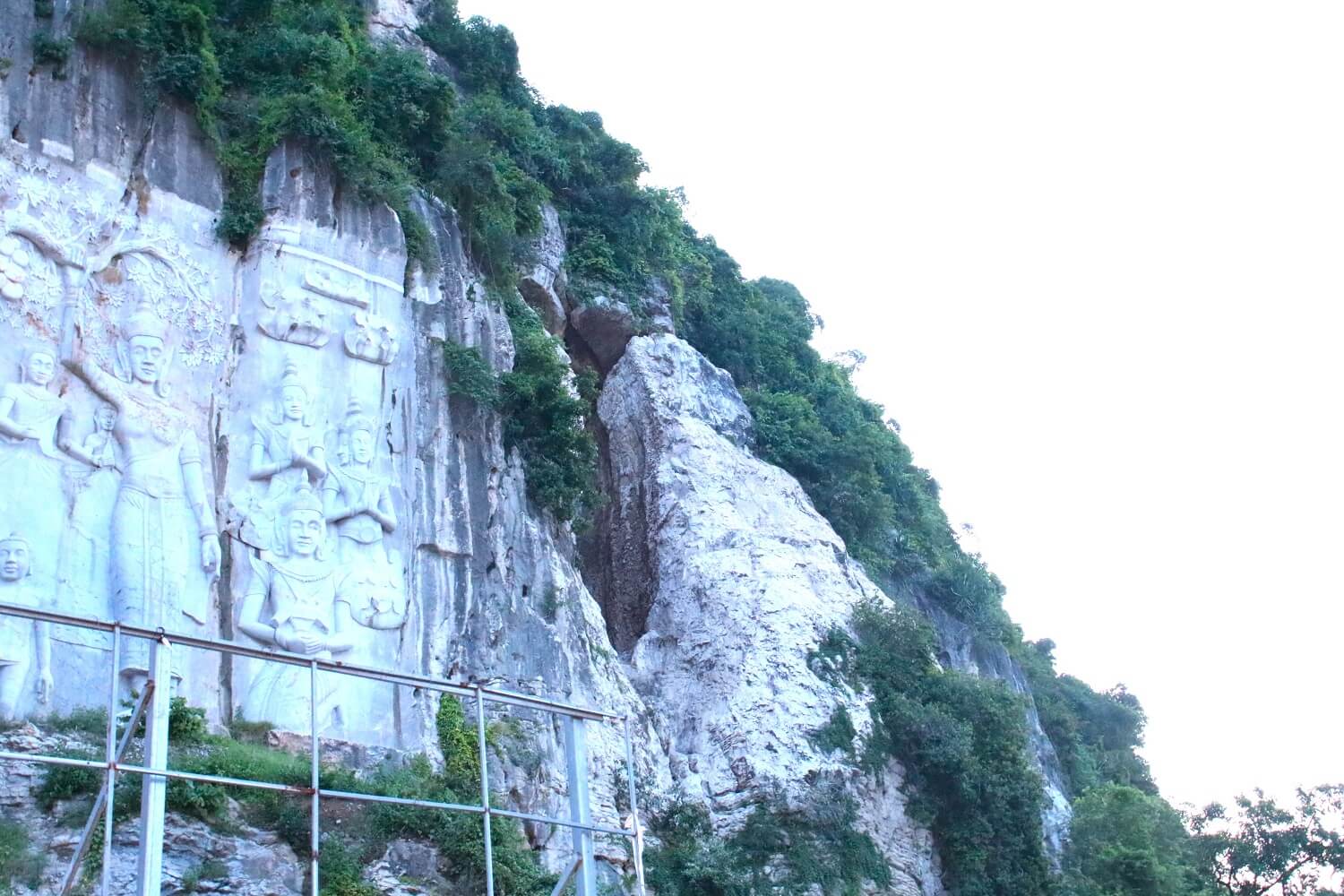
Choeung Ek Killing Fields: Discover Darkness History and Tours

The Choeung Ek Killing Fields stand as a haunting reminder of Cambodia’s tragic past under the Khmer Rouge regime. Located just 15 kilometers from Phnom Penh, this site is one of the most significant genocide memorials in the world. Visitors come to pay respects, learn about Cambodia’s dark history, and embark on a deeply moving adventure through time.

In this #1 SEO ranking guide, we’ll explore the history of Choeung Ek, how to visit, what to expect, and essential travel tips to make your experience meaningful.

The History of Choeung Ek Killing Fields

The Dark Legacy of the Khmer Rouge

Between 1975 and 1979, the Khmer Rouge, led by Pol Pot, executed an estimated 1.7 million Cambodians in their brutal attempt to create an agrarian communist society. Choeung Ek served as one of the regime’s most notorious execution sites, where over 17,000 men, women, and children were killed and buried in mass graves.

From Orchard to Killing Field

Originally a Chinese-Cambodian orchard, Choeung Ek was transformed into a death camp where prisoners from Tuol Sleng Prison (S-21) were transported for execution. Victims were often bludgeoned to death to save bullets, and their bodies were dumped into mass graves.

Discovery and Memorialization

After the fall of the Khmer Rouge in 1979, the site was uncovered, revealing thousands of skulls and bones. Today, a Buddhist stupa stands as a memorial, housing over 5,000 human skulls arranged by age and gender.

How to Visit Choeung Ek Killing Fields

Location & Getting There

  • Address: Choeung Ek, Phnom Penh, Cambodia
  • Distance from Phnom Penh: about 15 km (30 minutes drive)
  • Best Transport Options:
    • Tuk-tuk ($15-$20 round trip)
    • Taxi or Private Driver ($35-$40)
    • Motorbike Rental (for adventurous travelers)

Opening Hours & Entrance Fees

  • Hours: 7:30 AM – 5:30 PM (Daily)
  • Entrance Fee: $5 (Additional Fee for audio guide in multiple languages)

Best Time to Visit

  • Early Morning (7:30 AM – 10 AM): Fewer crowds, cooler temperatures
  • Avoid Midday Heat: Temperatures can exceed 35°C (95°F).
Toul Sleng Genocide Museum

Tuol Sleng Genocide Museum and Killing Field Tour

  • Duration: 4 Hours
  • Destination: Phnom Penh
  • Group Size: 2-12 People

$53

Best Phnom Penh Tours

Phnom Penh Secrets Full-Day Tour

  • Duration: 8 Hours
  • Destination: Phnom Penh
  • Group Size: 2-12 People

$110

What to Expect at Choeung Ek

The Memorial Stupa

The centerpiece of Choeung Ek is the glass-walled stupa, filled with skulls and bones of victims. It serves as a powerful tribute and a place for reflection.

The Mass Graves

Over 129 mass graves were discovered, with 86 excavated. Walking paths lead visitors through the site, with markers indicating where victims were found.

The Killing Tree

One of the most harrowing spots is the Killing Tree, where soldiers killed infants by smashing them against the trunk. Today, it’s adorned with colorful bracelets left by visitors in remembrance.

Audio Guide Tour

The included audio guide provides a detailed narrative of the atrocities, survivor testimonies, and historical context. It’s highly recommended for a deeper understanding.

Adventure & Responsible Tourism

Combining History with Adventure

While Choeung Ek is primarily a historical and memorial site, visitors can turn their trip into a meaningful adventure:

  • Cycling Tour from Phnom Penh: Some operators offer bike tours that include stops at Choeung Ek and other historical sites.
  • Motorbike Exploration: Renting a scooter allows for a self-guided adventure through Cambodia’s countryside.
  • Guided Group Tours: Join a history-focused tour for expert insights.

Responsible Tourism Tips

  • Dress Respectfully: Shoulders and knees should be covered.
  • Stay Silent in Sacred Areas: Avoid loud conversations near graves.
  • Donate to Local Charities: Support organizations preserving Cambodia’s history.

Nearby Attractions to Visit

Tuol Sleng Genocide Museum (S-21)

  • Location: Phnom Penh
  • Why Visit?: The former torture prison where victims were interrogated before being sent to Choeung Ek.

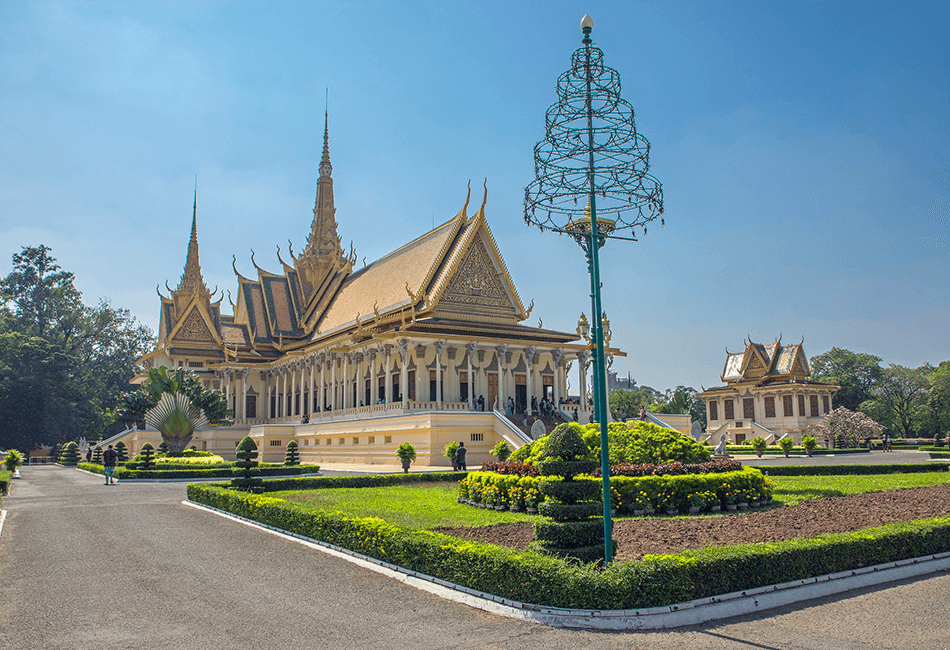
Phnom Penh’s Royal Palace & Silver Pagoda

Discover the stunning Royal Palace of Phnom Penh, a masterpiece of Khmer architecture and Cambodia’s royal heritage. Marvel at the Silver Pagoda, adorned with 5,000 silver tiles and priceless Buddhist relics. Explore lush gardens, intricate murals, and golden spires reflecting Khmer grandeur. A must-visit for history, culture, and breathtaking photo opportunities in Cambodia’s capital!

Wat Phnom

Wat Phnom, the iconic spiritual heart of Phnom Penh, is a must-visit for its serene ambiance, rich history, and stunning architecture. Climb the grand staircase to explore the sacred temple, admire intricate Khmer designs, and enjoy lush gardens. A perfect blend of culture, spirituality, and tranquility in Cambodia’s bustling capital. Great for photos!

Essential Travel Tips for Visitors

  • Bring Water & Sun Protection – The site has little shade.
  • Wear Comfortable Shoes – The terrain is uneven.
  • Prepare Emotionally – The visit can be intense.
  • Hire a Knowledgeable Guide – Enhances understanding.

Frequently Asked Questions (FAQs)

Is Choeung Ek Killing Fields worth visiting?

Absolutely. It’s a crucial site for understanding Cambodia’s history and honoring the victims.

How long does a visit take?

Around 1.5 to 2 hours, depending on how much time you spend reflecting.

Can children visit Choeung Ek?

Yes, but due to the graphic nature, it’s best for older kids and teens.

Is photography allowed?

Yes, but avoid posing disrespectfully near graves.

Final Thoughts: A Journey of Remembrance & Adventure

Visiting the Choeung Ek Killing Fields is a profound and emotional experience, but it’s also an essential part of understanding Cambodia’s past. By combining history, adventure, and responsible tourism, you can pay tribute to the victims while exploring Phnom Penh’s deeper stories.

Plan your visit today, and take a step into one of the most significant historical sites in Southeast Asia.
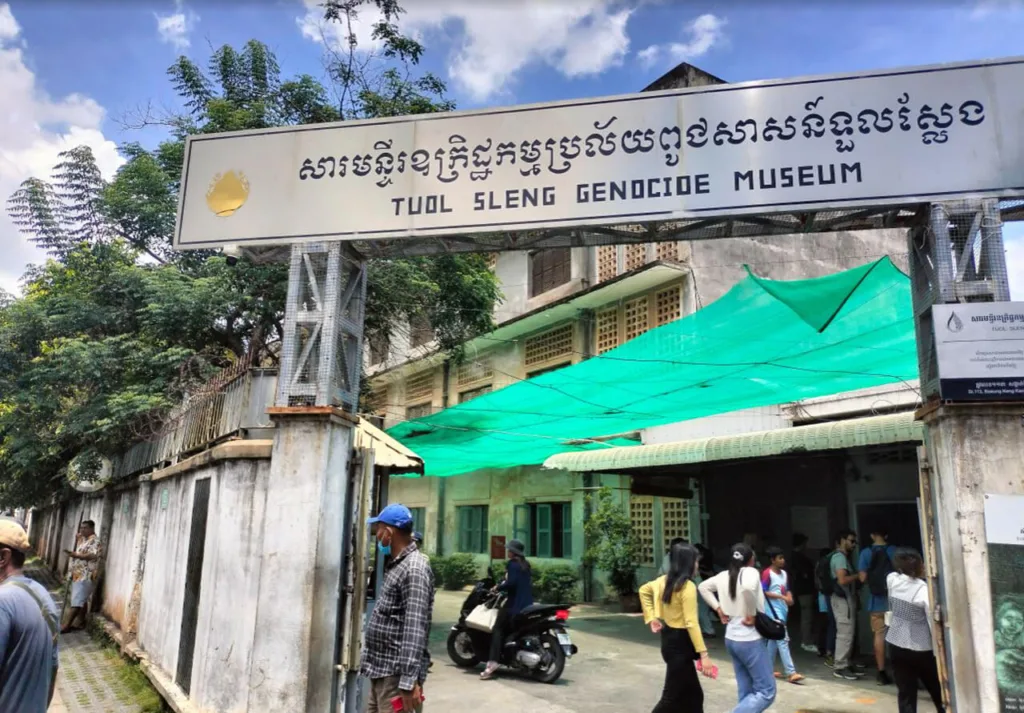
Guide to Tuol Sleng Genocide Museum to Discover Dark History

The Tuol Sleng Genocide Museum, located in the heart of Phnom Penh, Cambodia, is one of the most poignant and harrowing reminders of the atrocities committed during the Khmer Rouge regime. This former high school turned prison, known as Security Prison 21 (S-21), is a must-visit for anyone seeking to understand Cambodia’s tragic past. In this comprehensive guide, we’ll explore the history of the museum, its significance, and provide practical tips for visitors. Whether you’re a history enthusiast or an adventurous traveler, this article will help you navigate your visit to the Tuol Sleng Genocide Museum.

The History of Tuol Sleng Genocide Museum

From School to Prison: The Transformation of S-21

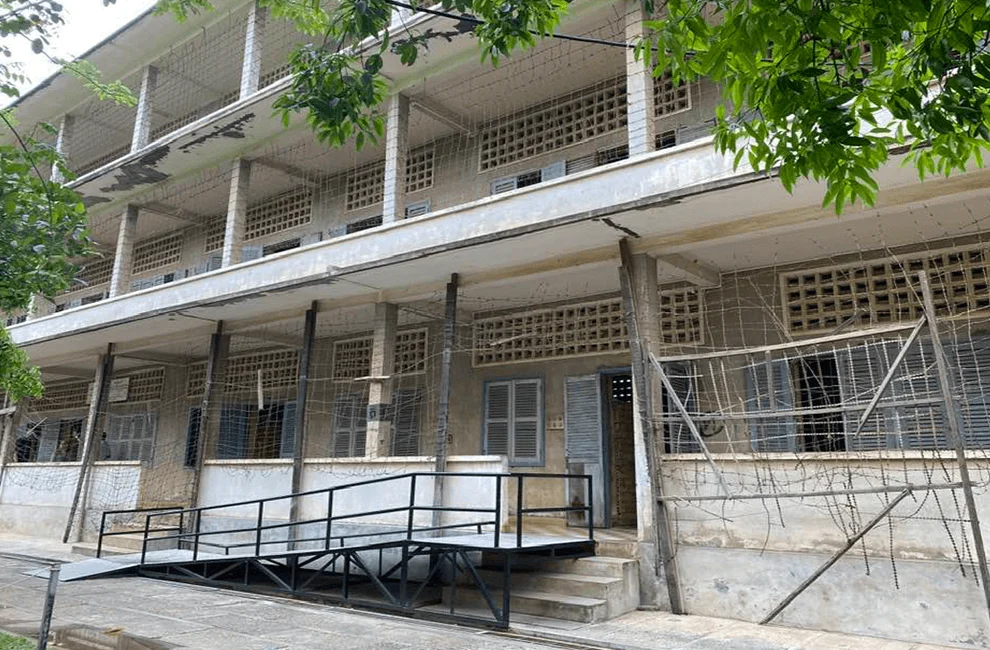
Before the Khmer Rouge came to power in 1975, the site of the Tuol Sleng Genocide Museum was a high school named Tuol Svay Prey. However, under the regime of Pol Pot, the school was transformed into Security Prison 21 (S-21), one of the most notorious prisons in Cambodia. The Khmer Rouge, led by Pol Pot, sought to create an agrarian utopia, but their radical policies led to the deaths of an estimated 1.7 million people through execution, forced labor, and starvation.

The Horrors of S-21

Between 1975 and 1979, an estimated 17,000 to 20,000 people were imprisoned at S-21. The prisoners included men, women, and children, many of whom were intellectuals, professionals, and even Khmer Rouge members accused of treason. The conditions were brutal: prisoners were tortured, forced to confess to crimes they did not commit, and eventually executed. Only seven survivors are known to have made it out alive.

Tuol Sleng Genocide Museum

The Museum’s Establishment

After the fall of the Khmer Rouge in 1979, the prison was converted into the Tuol Sleng Genocide Museum to preserve the memory of the victims and educate future generations about the horrors of the regime. Today, the museum stands as a stark reminder of the consequences of totalitarianism and the resilience of the Cambodian people.

What to Expect When Visiting the Tuol Sleng Genocide Museum

The Layout of the Museum

The museum is divided into four main buildings, each with its own significance:

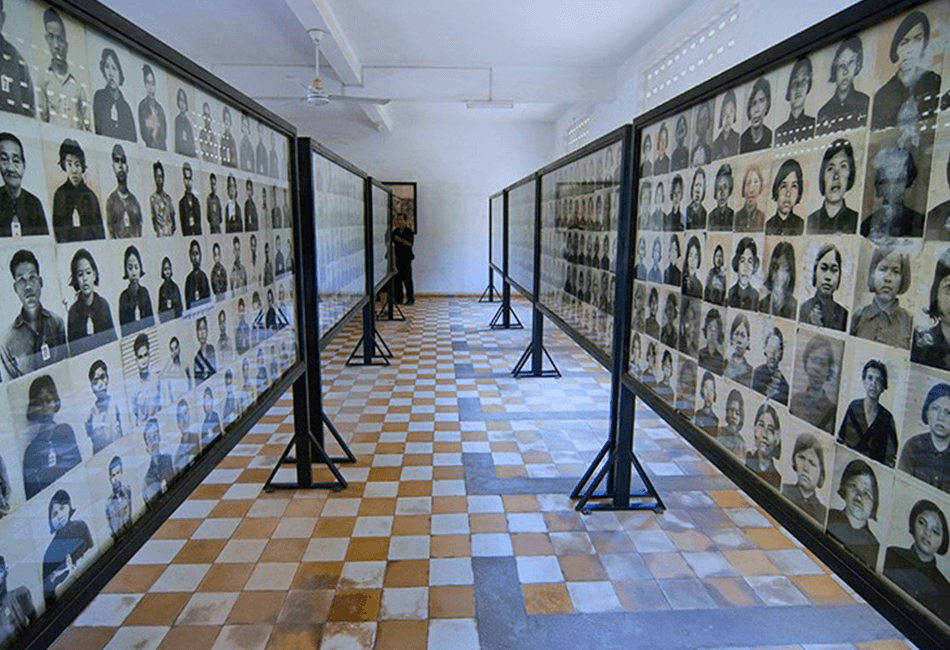
  1. Building A: Former classrooms converted into prison cells. The walls are lined with photographs of victims, a haunting reminder of the lives lost.
  2. Building B: Exhibits include torture devices, prisoner confessions, and personal artifacts.
  3. Building C: The original prison cells, where prisoners were held in cramped conditions.
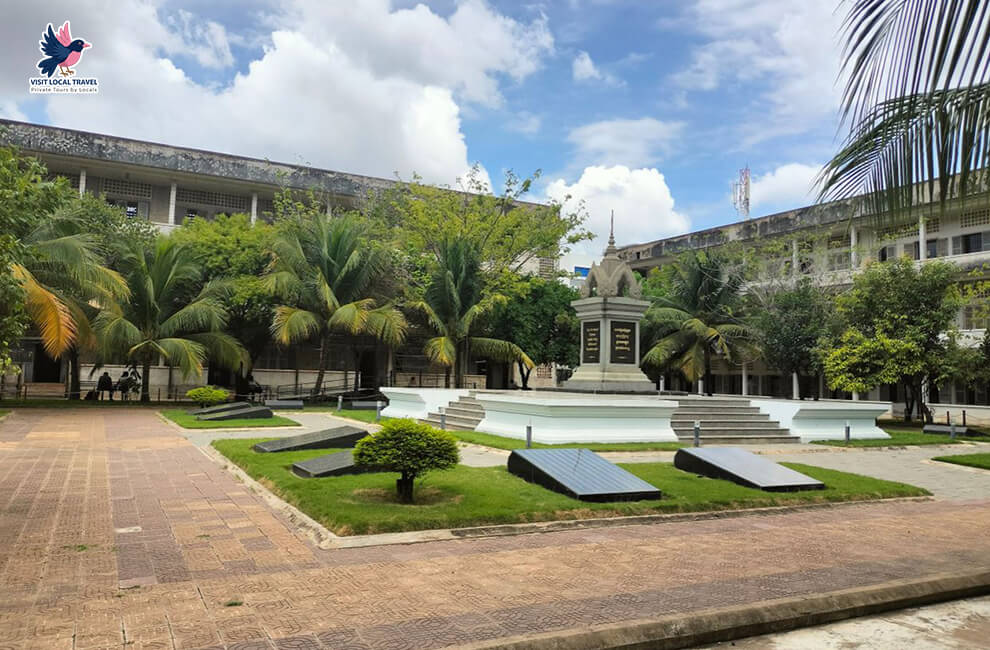
  4. Building D: A memorial stupa containing the skulls and bones of victims, serving as a solemn tribute to those who perished.
Toul Sleng Genocide Museum

Tuol Sleng Genocide Museum and Killing Field Tour

  • Duration: 4 Hours
  • Destination: Phnom Penh
  • Group Size: 2-12 People

$53

Best Phnom Penh Tours

Phnom Penh Secrets Full-Day Tour

  • Duration: 8 Hours
  • Destination: Phnom Penh
  • Group Size: 2-12 People

$110

Key Exhibits

  • Photographs of Victims: The museum houses thousands of photographs taken by the Khmer Rouge to document their prisoners. These images are a powerful testament to the human cost of the regime.
  • Torture Devices: Tools used to extract confessions are on display, offering a chilling glimpse into the methods employed by the Khmer Rouge.
  • Survivor Stories: The museum features testimonies from the few survivors of S-21, providing a personal perspective on the atrocities.
Tuol Sleng Genocide Museum

The Emotional Impact

Visiting the Tuol Sleng Genocide Museum can be an emotionally overwhelming experience. The exhibits are graphic and unflinching, but they serve an important purpose: to ensure that the world never forgets the crimes committed during the Khmer Rouge era.

A Guide to Exploring the Tuol Sleng Genocide Museum

Planning Your Visit

  • Location: The museum is located in central Phnom Penh, at the corner of Street 113 and Street 350.
  • Opening Hours: The museum is open daily from 8:00 AM to 5:00 PM.
  • Admission Fee: The entrance fee is $5 USD, which includes access to an audio guide available in multiple languages.
  • Guided Tours: For a deeper understanding, consider hiring a local guide or joining a guided tour. Many guides are survivors or have personal connections to the events.

Tips for Visitors

  1. Dress Respectfully: As a site of immense historical and cultural significance, visitors should dress modestly.
  2. Prepare Emotionally: The museum’s exhibits are graphic and can be distressing. Take breaks if needed.
  3. Bring Water and Sunscreen: The museum is mostly outdoors, so be prepared for the heat.
  4. Respect the Space: Refrain from taking selfies or behaving inappropriately. This is a place of remembrance and reflection.
Tuol Sleng Genocide Museum Building

Combining Your Visit with Other Historical Sites

To gain a fuller understanding of Cambodia’s history, consider visiting the Choeung Ek Killing Fields, located about 13 kilometers from Phnom Penh. This site is where many of the prisoners from S-21 were executed. Many tours combine visits to both sites.

Why the Tuol Sleng Genocide Museum Matters

A Lesson in History

The Tuol Sleng Genocide Museum is more than just a tourist attraction; it is a vital educational resource. By preserving the memory of the victims, the museum ensures that the atrocities of the Khmer Rouge are not forgotten. It serves as a stark reminder of the dangers of totalitarianism and the importance of human rights.

A Symbol of Resilience

Despite the horrors of its past, Cambodia has shown remarkable resilience. The museum is a testament to the strength and determination of the Cambodian people to rebuild and move forward.

A Call to Action

Visiting the museum is not just about understanding the past; it’s also about reflecting on the present and future. The lessons of the Khmer Rouge era are still relevant today, as the world continues to grapple with issues of genocide, oppression, and human rights abuses.

Adventure Beyond the Museum: Exploring Phnom Penh

While the Tuol Sleng Genocide Museum is a must-visit, Phnom Penh offers a wealth of other attractions for adventurous travelers:

  • Royal Palace and Silver Pagoda: Explore the opulent residence of Cambodia’s royal family.
  • National Museum of Cambodia: Discover the rich history and culture of Cambodia through its extensive collection of artifacts.
  • Russian Market: Shop for souvenirs, handicrafts, and local delicacies.
  • Mekong River Cruise: Take a relaxing boat ride along the iconic Mekong River.

FAQs About Tuol Sleng Genocide Museum

What is the Tuol Sleng Genocide Museum?

The Tuol Sleng Genocide Museum is a former high school that was converted into Security Prison 21 (S-21) by the Khmer Rouge regime. It now serves as a museum to commemorate the victims of the genocide that occurred in Cambodia between 1975 and 1979.

When was Tuol Sleng used as a prison?

Tuol Sleng was used as a prison from 1975 to 1979, during the rule of the Khmer Rouge. It was one of the most notorious prisons in Cambodia, where thousands of people were detained, tortured, and executed.

How many people were imprisoned at Tuol Sleng?

It is estimated that around 20,000 people were imprisoned at Tuol Sleng. Only a handful of survivors are known to have made it out alive.

Who were the prisoners at Tuol Sleng?

The prisoners included intellectuals, professionals, former government officials, and even Khmer Rouge members accused of treason. Many were falsely accused of being enemies of the regime.

What happened to the prisoners at Tuol Sleng?

Prisoners were subjected to brutal torture to extract confessions, often fabricated, before being executed at the Killing Fields of Choeung Ek, located about 13 kilometers from Phnom Penh.

Who ran Tuol Sleng?

Tuol Sleng was run by the Khmer Rouge, specifically under the command of Kaing Guek Eav, also known as Comrade Duch. He was later tried and convicted for crimes against humanity.

What can visitors see at the Tuol Sleng Genocide Museum today?

Visitors can see the preserved prison cells, torture instruments, photographs of victims, and historical exhibits documenting the atrocities committed during the Khmer Rouge regime.

Why is Tuol Sleng an important historical site?

Tuol Sleng is a stark reminder of the horrors of the Khmer Rouge regime and serves as a memorial to the victims of the Cambodian genocide. It educates future generations about the dangers of totalitarianism and human rights abuses.

How does the museum contribute to healing and remembrance?

The museum provides a space for survivors and their families to remember and honor the victims. It also educates visitors about Cambodia’s history, promoting awareness and preventing such atrocities from happening again.

What is the significance of the photographs displayed at Tuol Sleng?

The photographs are haunting records of the prisoners taken by the Khmer Rouge upon their arrival. They serve as powerful evidence of the regime’s brutality and humanize the victims, ensuring they are not forgotten.

Final Thoughts

The Tuol Sleng Genocide Museum is a powerful and moving experience that offers a glimpse into one of the darkest chapters of human history. While the visit may be emotionally challenging, it is an essential part of understanding Cambodia’s past and present. By exploring this museum, you not only honor the memory of the victims but also contribute to the preservation of their stories for future generations.

Whether you’re a history buff, a curious traveler, or someone seeking a deeper understanding of the world, the Tuol Sleng Genocide Museum  is a destination that will leave a lasting impact. Plan your visit today and take the first step on a journey through Cambodia’s complex and compelling history.

Toul Sleng Genocide Museum and Cheung Ek

When visiting Cambodia, a country with a rich cultural heritage and beautiful landscapes, it’s also important to take a moment to learn about its dark past. One of the most significant historical sites is the Toul Sleng Genocide Museum and the nearby Cheung Ek Killing Fields, which offer a haunting reminder of the atrocities committed during the Khmer Rouge regime. In this article, we will delve into the experience of visiting these landmarks and unravel the impact they have on visitors. Booking Toul Sleng Genocide Museum and Killing Field Tour if you are interesting in it or a Phnom Penh full day tour.

Toul Sleng Genocide Museum: Unveiling the Tragic S21 Prison

Upon arriving at the Toul Sleng Genocide Museum, visitors are immediately confronted with the brutal reality that unfolded within its walls. Formerly known as Security Prison 21 (S21), this former high school turned prison was a place of unimaginable suffering during the Khmer Rouge regime.

What awaits visitors at Toul Sleng Genocide Museum?

Entering the museum, you will find yourself face-to-face with hundreds of haunting photographs of prisoners who were held captive and systematically tortured. The chilling feeling that fills the air is a stark reminder of the horrors that occurred within these very walls.

Understanding the Khmer Rouge regime

The Khmer Rouge regime, led by Pol Pot, subjected its own population to forced labor, torture, and execution between 1975 and 1979. Toul Sleng Genocide Museum stands as a memorial to the estimated 17,000 people who lost their lives within its walls.

Exploring the prison grounds

Exploring the prison grounds, visitors can walk through the former classrooms turned torture chambers and witness the cramped cells where victims were kept. The exhibits present an in-depth narrative of the atrocities committed, providing insight into the methods of torture, interrogation, and the lives of the prisoners.

Cheung Ek Killing Fields: Where Silence Speaks Volumes

Located just outside Phnom Penh, Cheung Ek serves as a somber reminder of the mass killings conducted by the Khmer Rouge regime. This former orchard transformed into a killing field witnessed the execution of thousands of innocent Cambodians.

What can visitors expect at Cheung Ek Killing Fields?

As you arrive at Cheung Ek, you’ll notice the peace and tranquility of the surroundings, creating a stark contrast to the horrors that took place here. The sprawling fields are scattered with memorial stupas, containing the remains of victims discovered in mass graves.

Walking through the history

Visitors are guided along a marked path, enabling them to retrace the steps of the victims. Audio guides and informative plaques help create a vivid picture of the atrocities that unfolded here. From the Killing Tree, against which babies and young children were brutally murdered, to the mass graves still being unearthed, every step serves as a poignant reminder of the tragedy.

Reflecting on the Experience

Visiting the Toul Sleng Genocide Museum and Cheung Ek Killing Fields is a deeply emotional and thought-provoking experience. It’s essential to approach these sites with respect, empathy, and a willingness to learn from the past.

Remembering the victims

As you navigate through these historical landmarks, it’s crucial to honor the memory of the victims and reflect on the importance of preserving their stories. By keeping their legacy alive, we can ensure that the lessons learned from this dark chapter of history are never forgotten.

Education and awareness

Understanding the atrocities committed during the Khmer Rouge regime helps us grasp the importance of promoting peace and respecting human rights. By educating ourselves and sharing our experiences, we can contribute to preventing similar tragedies from occurring in the future.

Conclusion

A visit to the Toul Sleng Genocide Museum and Cheung Ek Killing Fields is a profound journey into Cambodia’s tragic past. It serves as a powerful reminder of the suffering the country endured and the resilience of its people. By immersing ourselves in this history, we can honor the victims and strive for a better future. So, as you plan your trip to Cambodia, make sure to set aside time to visit these landmarks and pay your respects to those who lost their lives.

Why Angkor Wat Sunrise

Welcome to the enchanting world of Angkor Wat, where history echoes through the magnificent temples and the air is filled with a sense of mystique Angkor Wat Sunrise. Embark on a private tour of this UNESCO World Heritage site and witness the mesmerizing sunrise at Angkor Wat. Our expert guides will take you on a journey of a lifetime, exploring iconic landmarks such as the South Gate of Angkor Thom, Bayon Temple, Terrace of the Elephants, Ta Prohm Temple, and Pre Rup temple. Discover the hidden secrets of these ancient wonders and immerse yourself in the rich history and culture of Cambodia. Join us for an unforgettable adventure.

Angkor Wat: A Sunrise Spectacle

The breathtaking beauty of sunrise at Angkor Wat

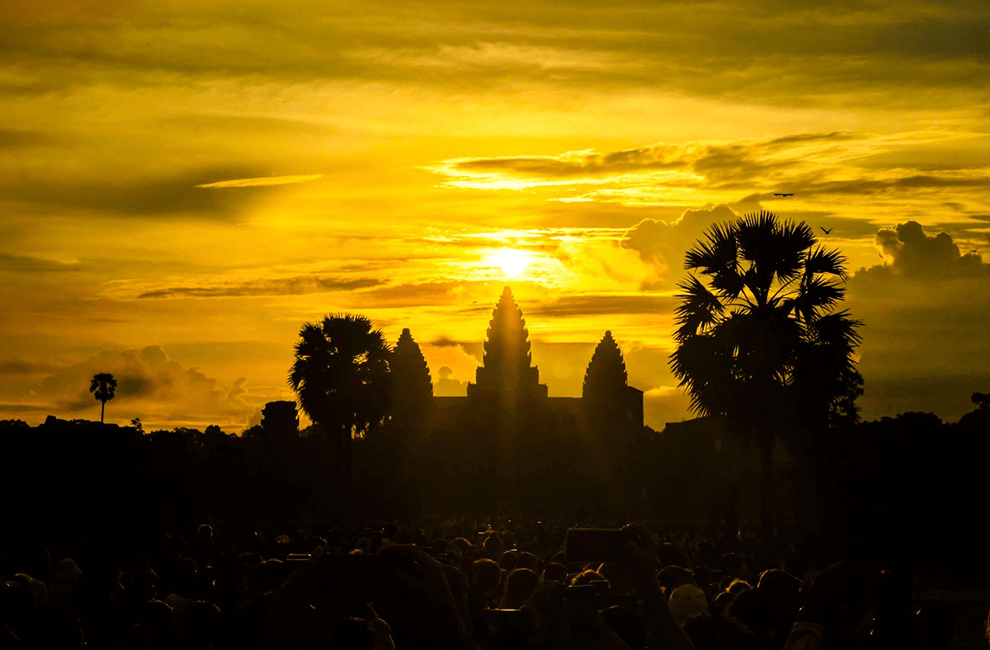
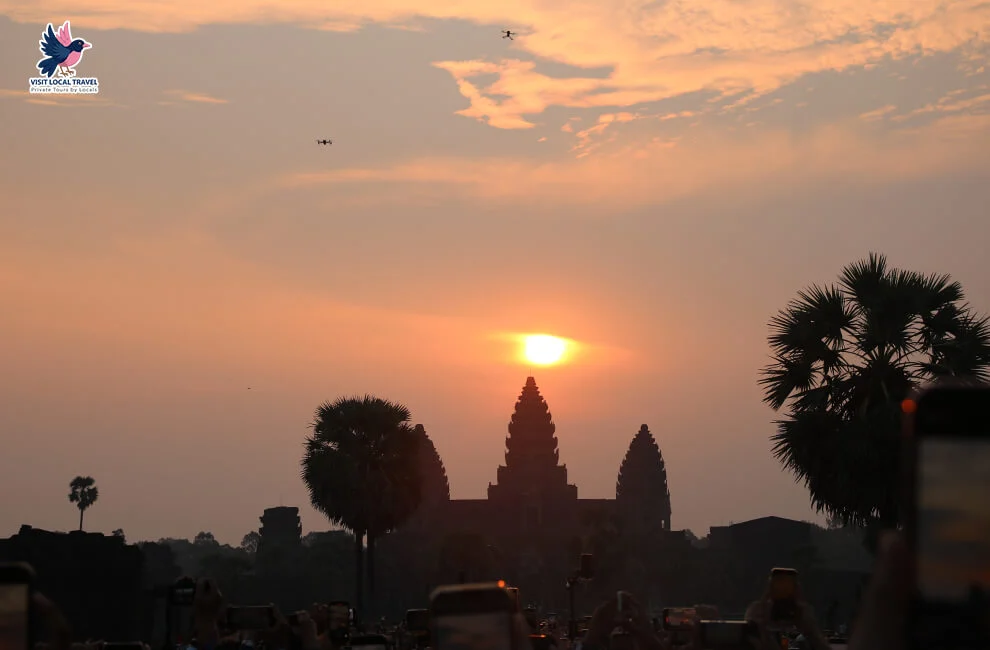
Have you ever witnessed a sunrise that takes your breath away? At Angkor Wat Sunrise, you can experience just that. As the sun paints the sky with hues of orange and gold, the silhouette of Angkor Wat emerges, casting a spell on all who witness its majesty. The tranquility of the surroundings, coupled with the ethereal beauty of the temple, creates a truly magical experience.

The significance of sunrise at Angkor Wat

Sunrise holds great significance in Cambodian culture and spirituality. It symbolizes a new beginning, a fresh start to the day. Watching the sunrise at Angkor Wat is not just a visual spectacle; it is an opportunity to connect with the spiritual energy of this ancient site. As the first rays of light illuminate the temple, you can’t help but feel a sense of awe and reverence.

Angkor Wat Equinox

Practical tips for the Angkor Wat sunrise experience

  • Arrive early to secure the best viewing spot. The sunrise attracts a large number of visitors, so it’s advisable to reach the temple well before dawn.
  • Dress comfortably and wear appropriate footwear, as you will be walking and exploring the temple complex.
  • Bring a camera or smartphone to capture the breathtaking moments. You don’t want to miss the chance to capture this once-in-a-lifetime experience.

Exploring the Angkor Wat Sunrise

South Gate of Angkor Thom

Enter the ancient city of Angkor Thom through its majestic South Gate. Adorned with giant stone faces, this entrance exudes an aura of grandeur. As you pass through the gate, you’ll be transported back in time, exploring the remnants of a thriving civilization.

Bayon Temple: Mystical Smiles of the Past

Prepare to be captivated by the enigmatic smiles at Bayon Temple. This architectural marvel is adorned with over 200 smiling faces, believed to be representations of King Jayavarman VII. With its intricate carvings and labyrinthine corridors, Bayon Temple offers a glimpse into the glory days of the Khmer Empire.

Terrace of the Elephants

Step onto the ancient royal stage at the Terrace of the Elephants. This grand platform, adorned with intricately carved elephants, served as a viewing platform for royal processions and ceremonies. As you walk along the terrace, you can’t help but imagine the pomp and grandeur that once graced these hallowed grounds.

Ta Prohm Temple: Nature’s Embrace

Nature and architecture intertwine at Ta Prohm Temple, where huge trees appear to embrace the ancient ruins. Made famous by its appearance in the movie “Tomb Raider,” Ta Prohm Temple offers a unique and surreal experience. As you wander through the temple, you’ll witness the harmonious coexistence of nature and man-made structures.

Angkor Equinox Sunrise

Pre Rup Temple: Sunset’s Golden Glow

While the focus is often on sunrise at Angkor Wat, don’t miss the opportunity to witness the golden hour at Pre Rup Temple. As the sun sets, the temple takes on a warm, golden glow, creating a mesmerizing ambiance. Take a stroll around the temple grounds and soak in the serene atmosphere as the sky transforms into a masterpiece of colors.

Conclusion

A private tour of Angkor Wat and its surrounding temples is a journey of discovery, allowing you to immerse yourself in the rich history and culture of Cambodia. From witnessing the awe-inspiring sunrise at Angkor Wat to exploring the various architectural wonders, every moment is filled with awe and wonder. So why wait? Embark on an Angkor Wat Sunrise Private Tour and create memories that will last a lifetime.

King Jayavarman VII: The Visionary Ruler of Cambodia

In the annals of Cambodia’s rich history, one name stands out as a visionary ruler who left an indelible mark on the nation’s cultural and architectural legacy – King Jayavarman VII. Known for his transformative reign, this esteemed monarch brought unprecedented prosperity, stability, and spiritual enlightenment to the Khmer Empire. In this article, we delve into the life, accomplishments, and enduring impact of King Jayavarman VII.

The Rise of King Jayavarman VII

A Noble Birth and Early Life

Born in 1125 AD, Jayavarman VII emerged from humble beginnings, as the son of King Dharanindravarman II. Displaying remarkable intellect and leadership skills from a young age, he quickly ascended the ranks of power within the royal court.

Seizing the Throne

In 1181 AD, Jayavarman VII rose to the throne, defeating his rival claimants and establishing his authority over the Khmer Empire. His coronation marked the beginning of a transformative era that would forever shape Cambodia’s future.

The Reign of Jayavarman VII

Social Reforms and Infrastructure Development

One of Jayavarman VII’s most significant contributions was his commitment to social reform and development. He introduced egalitarian policies that aimed to uplift the lives of his subjects, focusing on healthcare, education, and public welfare. Under his rule, Cambodia experienced a remarkable expansion of infrastructure, marked by the construction of grand temples, reservoirs, and roads.

Angkor Thom: The Majestic Capital

In his quest to establish an enduring legacy, King Jayavarman VII commissioned the construction of Angkor Thom, an awe-inspiring capital city. Surrounded by massive walls and guarded by intricate gateways adorned with towering stone faces, this architectural marvel symbolized the ruler’s power and authority.

Bayon: The Jewel of Angkor Thom

At the heart of Angkor Thom stands the iconic Bayon temple, epitomizing Jayavarman VII’s vision and artistic prowess. Renowned for its magnificent stone faces and intricate bas-reliefs, this temple served as a spiritual center for the empire, blending Hindu and Buddhist motifs in a harmonious reflection of the ruler’s inclusive religious policies.

Ta Prohm: A Testament to Divine Balance

Another enduring testament to Jayavarman VII’s reign is the enigmatic Ta Prohm temple. Left in a state of captivating ruins, its crumbling walls and intertwined tree roots evoke a sense of mystical serenity. Jayavarman VII deliberately chose to preserve this temple as a reminder of the transitory nature of power and the eternal cycle of life.

Legacy and Cultural Impact

In addition to his architectural achievements, King Jayavarman VII played a pivotal role in shaping Cambodia’s cultural identity. His efforts to unify the empire under a cohesive religious framework fostered a climate of interfaith harmony and cultural exchange. This legacy continues to resonate in modern Cambodia, where Buddhism remains a cornerstone of the nation’s ethos.

Conclusion

King Jayavarman VII stands as an embodiment of enlightened leadership and profound vision. Through his commitment to social welfare, infrastructure development, and religious inclusivity, he left an indelible mark on Cambodia’s history and cultural heritage. The awe-inspiring temples he commissioned, such as Angkor Thom and Bayon, continue to attract visitors from around the world, serving as a testament to his enduring legacy. As we reflect on the accomplishments of this visionary ruler, we are reminded of the transformative power one individual can wield in shaping the destiny of a nation.

Wat Samrong Knong

What makes Wat Samrong Knong special?

Located in Battambang Province, Wat Samrong Knong is a serene and picturesque temple that showcases the rich cultural heritage of Cambodia. This ancient temple holds significant historical and religious value, making it a must-visit destination for tourists and locals alike.

Discovering the History

With a history that dates back centuries, Wat Samrong Knong has been a symbol of spirituality and devotion for the people of Battambang Province. The temple was originally constructed during the reign of King Jayavarman VII, a renowned ruler of the Khmer Empire.

Embracing the Architecture

The architecture of Wat Samrong Knong is a true testament to the ingenuity and craftsmanship of the Khmer people. The temple features intricate carvings, ornate statues, and beautiful murals that depict scenes from Cambodian mythology and Buddhist teachings. Exploring the temple premises is like stepping into a time capsule, immersing oneself in the grandeur of ancient Khmer architecture.

Wat Samrong Knong 1

Absorbing the Serenity

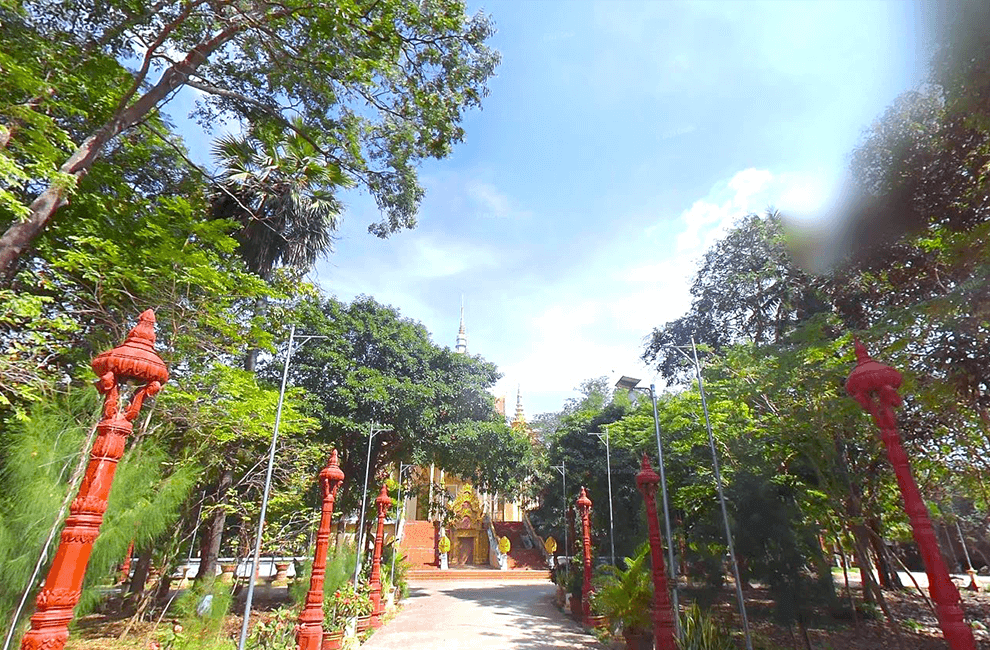
One of the most appealing aspects of Wat Samrong Knong is its serene ambiance. As you enter the temple grounds, you will be greeted by lush greenery, peaceful courtyards, and a tranquil atmosphere that invites contemplation and reflection. It is a wonderful place to escape the bustling city life and find solace in the soothing surroundings.

Connecting with Spirituality

Wat Samrong Knong is an active Buddhist temple, and visitors have the opportunity to witness and participate in religious ceremonies and rituals. The temple offers a chance to connect with spirituality, learn about Buddhism, and experience the profound peace that comes with practicing meditation and mindfulness.

Exploring the Grounds

The temple grounds of Wat Samrong Knong are extensive and offer plenty of areas to explore. Take a leisurely walk around the premises and admire the well-maintained gardens, peaceful ponds, and vibrant flowers. There are also several smaller structures within the temple complex, each with its own unique charm and significance.

Engaging with the Community

Visiting Wat Samrong Knong gives you the opportunity to engage with the local community and gain insights into their way of life. The temple often hosts cultural events and festivals, where locals come together to celebrate their traditions and heritage. By participating in these activities, you not only support the local economy but also foster meaningful connections with the people of Battambang Province.

Appreciating the Natural Beauty

Surrounded by the stunning natural beauty of Battambang Province , Wat Samrong Knong offers a breathtaking backdrop for photography enthusiasts. Capture the sunrise or sunset, framed by the temple’s intricate architecture, to create memories that will last a lifetime.

Conclusion

Wat Samrong Knong is not just a temple; it is a gateway to the rich history, spirituality, and natural beauty that Cambodia has to offer. Make sure to include this tranquil gem in your itinerary when visiting Battambang Province. Experience the serenity, connect with spirituality, and immerse yourself in the vibrant culture of Cambodia at Wat Samrong Knong.

Battambang Central Market

Welcome to Battambang Central Market, a bustling hub of activity in the heart of Battambang province in Cambodia. With its rich history, diverse collection of vendors, and vibrant atmosphere, Battambang Central Market is a must-visit destination for both locals and tourists. In this article, we will explore the unique offerings of this market and highlight why it has become a favorite shopping destination in the region.

What Makes Battambang Central Market Special?

Battambang Central Market stands out among the many markets in Cambodia due to its wealth of options and the genuine Khmer experience it offers. The market prominently showcases the local culture, serving as a meeting point for locals to gather, trade, and socialize. As you step into the market, you’ll immediately be greeted with a sea of colors, aromas, and the lively sounds of bargaining.

A Delight for the Senses

One of the highlights of Battambang Central Market is its wide range of fresh produce and local delicacies. Stroll through the market’s plentiful food stalls and marvel at the array of tropical fruits, fragrant spices, and exotic cuisine. Whether you’re a food enthusiast eager to sample Cambodian street food or simply looking to immerse yourself in the local culinary scene, the market offers something for everyone.

Shop ’til You Drop

Apart from its vibrant food scene, Battambang Central Market is a haven for shopping enthusiasts. The market is divided into various sections, each catering to different needs and desires. Here, you can find an extensive and eclectic range of goods, including textiles, electronics, handicrafts, jewelry, and traditional Khmer souvenirs. With its affordable prices and unique offerings, the market is an ideal place to shop for gifts and mementos.

Exploring the Market’s Charm

As you meander through the labyrinthine aisles, take a moment to soak in the lively ambiance. Engage in friendly banter with the vendors, who are known for their warm hospitality and genuine smiles. Their expertise and knowledge about their products will undoubtedly enhance your shopping experience, making it an unforgettable adventure.

Getting the Best Deals

When visiting Battambang Central Market, haggling is an integral part of the shopping experience. Don’t be afraid to negotiate the prices, as vendors expect it and are often willing to meet you halfway. This interactive process adds a layer of excitement to your shopping trip and gives you the opportunity to learn more about the local customs and culture.

Beyond Shopping: Immersing in the Local Culture

Battambang Central Market is not just about shopping; it’s an immersive cultural experience. Take a break from browsing and indulge in some people-watching, observing the dynamics between locals going about their daily routines. You may even stumble upon impromptu performances by local artists, showcasing traditional music or captivating street art. Embrace the vibrant energy surrounding you and let it transport you to the heart of Cambodian culture.

Conclusion

Battambang Central Market is a gem within the thriving city of Battambang. From its colorful array of produce to its bustling market stalls, the market offers a sensory delight to all who visit. Whether you’re in search of unique souvenirs or craving an authentic Khmer culinary experience, this market has you covered. So, set aside some time during your visit to Battambang and immerse yourself in the vibrant ambiance of Battambang Central Market.

Ancient House : Bun Roeung Ancient House

Battambang Province, situated in the northwestern part of Cambodia, is home to a plethora of historical sites and cultural treasures. One such gem is Bun Roeung’s Ancient House, a captivating heritage site that showcases the rich history and architectural marvels of the region. In this article, we will explore the unique experience of visiting Bun Roeung’s Ancient House and provide you with all the necessary information to make the most out of your visit.

Discovering Bun Roeung’s Ancient House

What makes Bun Roeung’s Ancient House special?

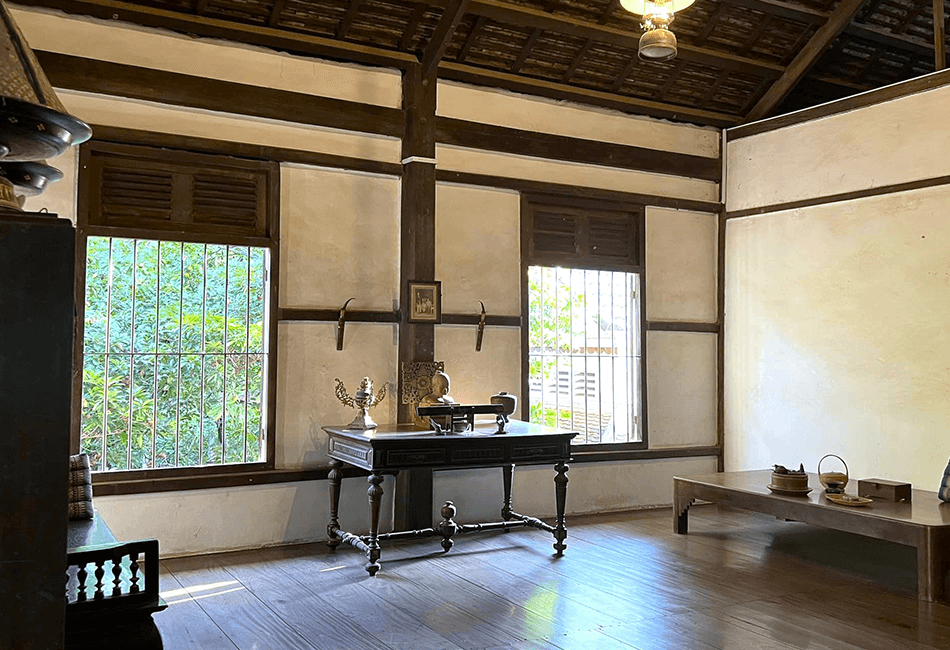
Nestled amidst the rustic charm of Battambang Province, Bun Roeung’s Ancient House stands as a testament to the glorious past of Cambodia. This traditional Khmer house dates back several centuries and is a fine example of traditional Khmer architecture. With its intricate carvings, antique furniture, and stunning craftsmanship, the house exudes an aura of grandeur and elegance, offering visitors a glimpse into the rich cultural heritage of the region.

Bun Roeung's Ancient House

How to visit Bun Roeung’s Ancient House

Visiting Bun Roeung’s Ancient House is a relatively straightforward process. The house is located in the heart of Battambang province, making it easily accessible to both locals and tourists alike. To reach the house, you can opt for various modes of transportation, such as hire taxis, tuk-tuks, or rental bikes. Once you arrive at the destination, you will be greeted by the sight of this magnificent structure, and your journey through time will begin.

Exploring the architecture and artifacts

As you step into Bun Roeung’s Ancient House, you will be entranced by the intricate detailing and craftsmanship that adorns every corner. The house predominantly features the traditional Khmer architectural style, characterized by wooden beams, gabled roofs, and ornate carvings. The main living quarters and reception areas are meticulously decorated with antique furniture, handmade textiles, and delicate pottery, transporting visitors back in time.

Engaging with the history and heritage

Bun Roeung’s Ancient House not only offers a visual treat but also provides visitors with an opportunity to delve deeper into the history and heritage of Battambang Province. Local guides, well-versed in the ancestral stories and folklore, are available to take you on a journey of discovery. They will regale you with tales of the house’s origins, the families who resided within its walls, and the traditions that have been upheld for generations.

Preserving the legacy

The importance of sites like Bun Roeung’s Ancient House cannot be overstated. They serve as tangible links to the past, preserving the rich cultural heritage for future generations. Efforts are being made to ensure the preservation of this historical house, including regular maintenance and restoration work. By visiting this iconic site, you contribute to the conservation of Cambodia’s cultural legacy.

Planning your visit

When planning your visit to Bun Roeung’s Ancient House, it is advisable to allocate ample time to fully immerse yourself in this living piece of history. The average duration of the visit depends on your level of interest; however, it is recommended to allocate at least one to two hours for a comprehensive exploration. Additionally, it is important to consider the operating hours of the house and plan accordingly.

Captivating Historical Experience Awaits

Bun Roeung’s Ancient House in Battambang Province offers visitors an enchanting experience that combines history, architecture, and cultural heritage. This well-preserved architectural masterpiece provides a unique insight into the traditional Khmer way of life. So, plan your visit to Bun Roeung’s Ancient House and embark on a captivating journey through time.

Damrey Sor Pagoda in Battambang

Battambang, a scenic province in Cambodia, is renowned for its rich cultural heritage and stunning landscapes. Among its treasures is the enchanting Damrey Sor Pagoda, a place of peaceful serenity nestled amidst nature’s beauty. In this article, we delve into the wonders of Damrey Sor Pagoda, exploring its history, significance, and the unique experiences it has to offer.

Damrey Sor Pagoda – A Spiritual Haven:

The Damrey Sor Pagoda is a gem that shines bright in Battambang, drawing locals and tourists alike. As you step into the pagoda’s premises, you are immediately greeted by a sense of tranquility and spirituality. Its lush gardens, adorned with vibrant flowers and tall trees, create a serene atmosphere, perfect for introspection and inner peace.

A Glimpse into History:

With a history dating back several centuries, the Damrey Sor Pagoda holds great significance for the people of Battambang. Legend has it that the pagoda was originally constructed to house a sacred stone elephant known as Damrey Sor. This stone elephant was believed to bring good fortune and protection to the region. Today, the pagoda stands as a testament to the ancient beliefs and customs of the Khmer people.

The Architectural Marvel:

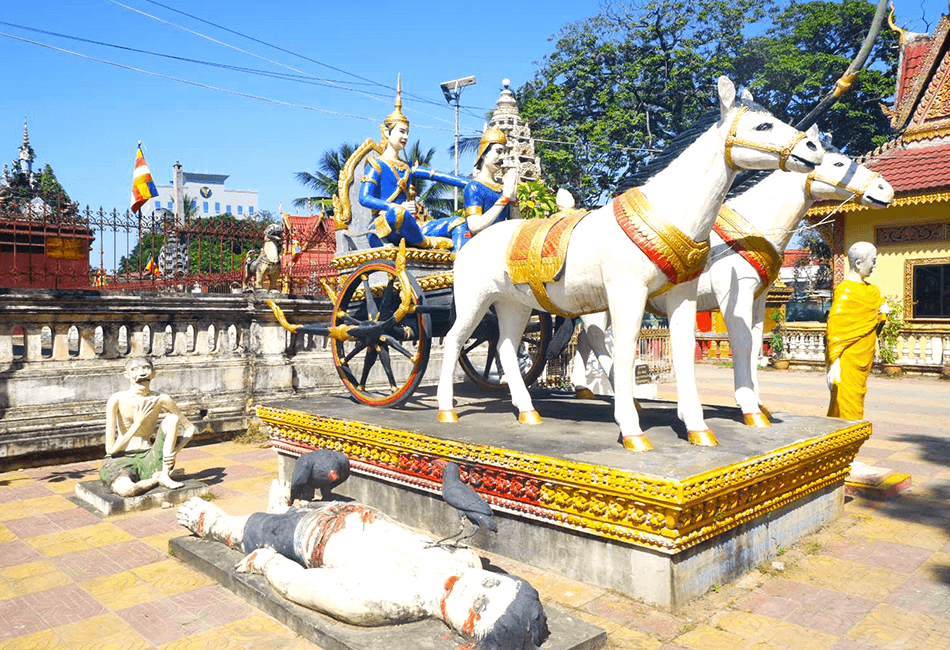
The architectural grandeur of Damrey Sor Pagoda is a sight to behold. Traditional Khmer design elements blend seamlessly with intricate carvings, creating a visual feast for the eyes. The pagoda’s main prayer hall, adorned with golden statues and embellishments, exudes an aura of divine magnificence.

Captivating Cultural Experiences:

Visiting Damrey Sor Pagoda offers a unique opportunity to immerse yourself in Khmer culture. You can witness local devotees engaging in spiritual rituals, offering prayers, and seeking blessings from the resident monks. The pagoda also hosts vibrant festivals, where you can witness traditional dance performances and cultural ceremonies. It’s an experience that truly connects you to the heart and soul of Cambodia.

Damrey Sor Pagoda

Peaceful Meditation Gardens:

Beyond the main prayer hall, Damrey Sor Pagoda boasts exquisite meditation gardens where visitors can find solace in nature. These gardens, meticulously landscaped with statues, ponds, and blossoming flora, provide the perfect setting for quiet contemplation. Whether you’re seeking respite from the chaotic city life or simply want to connect with your inner self, the meditation gardens of Damrey Sor Pagoda offer a peaceful retreat.

Explore the Surrounding Natural Beauty:

Damrey Sor Pagoda is not just a spiritual haven but also a gateway to the natural wonders of Battambang. Located amidst picturesque landscapes, the pagoda offers stunning views of lush rice paddies, meandering rivers, and rolling hills. A leisurely stroll around the pagoda grounds allows you to immerse yourself in the beauty of nature, making it an ideal spot for photographers and nature enthusiasts.

How to Get to Damrey Sor Pagoda:

To reach Damrey Sor Pagoda, you can hire a tuk-tuk or a taxi from Battambang city. The journey takes approximately 20 minutes, allowing you to enjoy the scenic surroundings along the way. As you arrive at the pagoda, the inviting ambiance and warm hospitality of the locals will greet you with open arms.

Conclusion

If you’re seeking a peaceful oasis away from the hustle and bustle of everyday life, Damrey Sor Pagoda in Battambang offers an experience like no other. From its rich history to its captivating architecture and serene gardens, every aspect of the pagoda is steeped in spirituality and cultural significance. As you explore its tranquil beauty, you’ll find yourself transported to a world where inner peace reigns supreme. So, why not embark on a journey to Damrey Sor Pagoda and discover the magic it holds within?

Phare Ponleu Selpak in Battambang

Are you looking for an extraordinary experience in Battambang? Look no further than Phare Ponleu Selpak. This article will dive into the fascinating world of Phare Ponleu Selpak and how it has become a beacon of hope and empowerment for the local community through art. Join us as we explore the incredible journey of this organization and the impact it has made on the lives of many.

Phare Ponleu Selpak: A Brief Overview

Located in the heart of Battambang Province, Cambodia, Phare Ponleu Selpak is a non-profit organization founded in 1994. It was established with a vision to offer support and educational opportunities to vulnerable children and young adults affected by poverty, trafficking, and violence. Today, it has gone beyond just providing basic education and has become a cultural center focused on the arts.

Empowering Through Art

Using Art as a Means of Expression and Healing

Phare Ponleu Selpak believes in harnessing the power of art to empower individuals and heal emotional wounds. Through various artistic disciplines such as painting, drawing, circus arts, and theater, children and young adults are given a safe space to express their thoughts, emotions, and experiences. This creative outlet allows them to develop crucial life skills and regain their sense of self-confidence and pride.

Inspiring Creativity and Imagination

Art transcends language and culture, making it a powerful medium for communication. Phare Ponleu Selpak nurtures creativity and imagination in its students, allowing them to tap into their innate talents and develop their artistic skills. Through workshops and training programs, participants learn to think outside the box, explore new possibilities, and bring their ideas to life.

Impact on the Community

Socio-Economic Empowerment

Phare Ponleu Selpak not only focuses on individual growth but also aims to create positive change within the community. By empowering individuals through art, the organization equips them with skills that can lead to potential employment opportunities in the creative industry. Students who graduate from Phare Ponleu Selpak often go on to become professional artists, performers, or work in related fields, thus contributing to the socio-economic development of Battambang.

Cultural Preservation and Tourism

Battambang is renowned for its vibrant arts scene, largely thanks to the efforts of Phare Ponleu Selpak . The organization plays a crucial role in preserving Cambodian cultural heritage by promoting traditional art forms and integrating them into contemporary performances. This unique blend of tradition and innovation attracts both local and international tourists, putting Battambang on the map as a cultural and artistic hub.

Conclusion

Phare Ponleu Selpak has transformed the lives of countless individuals and communities in Battambang through its dedication to art and empowerment. By providing a platform for self-expression and fostering creativity, the organization has given hope to the marginalized, allowing them to unleash their full potential. As you visit Battambang, don’t miss the opportunity to witness the magic of Phare Ponleu Selpak and support their noble cause. Experience the transformative power of art and join hands in building a brighter future for all.

Battambang Museum

If you’re fascinated by history and culture, a visit to the Battambang Museum in Battambang Province, Cambodia is a must-do. This museum offers a captivating experience that allows visitors to delve into the rich and storied past of Cambodia. In this article, we will explore the highlights of the Battambang Museum and why it is a must-visit destination for history enthusiasts.

The Battambang Museum: Preserving the Past

The Main Keyword: Battambang Museum
The Battambang Museum stands as a remarkable testament to the heritage and traditions of Cambodia. Situated in the heart of Battambang, this museum showcases the country’s historical artifacts, religious relics, and traditional artworks. It offers a comprehensive understanding of Cambodia’s past, making it a compelling attraction for locals and tourists alike.

Unveiling Cambodia’s Ancient Secrets

What is the significance of the Museum?
The Battambang Museum houses a wide array of exhibits that shed light on Cambodia’s ancient civilizations. From the pre-Angkorian era to the Khmer Empire, visitors can embark on a journey back in time and witness the progression of the country’s cultural heritage. The museum serves as a treasure trove of knowledge, making it an educational and insightful experience for all who visit.

Unraveling the Mysteries of the Khmer Empire

What can you expect to see at the Battambang Museum?
At the Battambang Museum, visitors can feast their eyes on the awe-inspiring artifacts from the Khmer Empire. From intricately carved statues of deities to meticulously preserved temple artifacts, the exhibits offer a glimpse into the grandeur and opulence of the ancient Khmer civilization. You can marvel at the renowned Angkorian architectural pieces, which stand as a testament to the country’s rich cultural heritage.

Immersing in Cambodia’s Traditional Art forms

How does the Battambang Museum showcase traditional Cambodian art?
The museum is also renowned for its collection of traditional Cambodian artworks. Intricately woven textiles, delicate pottery, and vibrant paintings provide a captivating insight into the country’s artistic prowess. Visitors can explore the evolution of Cambodian art forms and gain a deeper appreciation for the craftsmanship and creativity that have shaped the nation’s cultural identity.

Participating in Cultural Workshops

Can visitors engage in interactive experiences at the Battambang Museum?
Apart from the exhibitions, the Museum offers visitors the opportunity to engage in interactive cultural workshops. These workshops allow visitors to learn traditional Cambodian craft techniques, such as weaving and pottery making, under the guidance of skilled artisans. It provides a hands-on experience, enabling visitors to connect with Cambodia’s cultural heritage in a unique and immersive way.

Conclusion

A trip to the Battambang Museum is not just a visit to a typical museum; it is an invitation to walk through the annals of Cambodia’s history. From ancient relics to traditional art forms, this museum offers a comprehensive understanding of the country’s rich cultural heritage. Whether you are a history enthusiast or simply curious about Cambodian culture, the Battambang Museum promises an enriching and enlightening experience. So, plan your visit today and prepare to be captivated by the secrets and treasures of Cambodia’s past.

Phnom Sampeau

Welcome to Phnom Sampeau, a breathtaking destination that combines rich history and natural beauty. This article will take you on a journey through the captivating stories and picturesque landscapes that make Phnom Sampeau a must-visit location. Discover the fascinating history, stunning panoramic views, and diverse wildlife that await you at this hidden gem in Battambang Province, Cambodia.

The Historical Significance of Phnom Sampeau

Phnom Sampeau: Witness to the Dark Years
During the dark period of the Khmer Rouge regime, Phnom Sampeau witnessed unimaginable atrocities. The infamous Killing Caves, located in the heart of the mountain, serve as a reminder of the lives lost during this tragic era. Today, the caves are a somber memorial where visitors pay their respects to the victims and reflect on the importance of peace and reconciliation.


Angkor Borei: An Ancient City
Located near Phnom Sampeau, the ancient city of Angkor Borei is a testament to Cambodia’s rich history. Dating back to the 5th century, this archaeological site unveils the grandeur of a prosperous civilization. Explore the ancient temples, artifacts, and remnants of an advanced society that once thrived in this region.

Natural Wonders of Phnom Sampeau

Spectacular Views from the Mountain Top
Embark on a challenging yet rewarding hike up Phnom Sampeau to witness breathtaking panoramic views. As you reach the summit, be prepared to be awe-struck by the unobstructed vistas of lush greenery and the serene countryside. Capture the picturesque landscapes and create memories that will last a lifetime.


Bat Caves: A Mesmerizing Natural Phenomenon
The Bat Caves of Phnom Sampeau are a mesmerizing sight to behold. Every evening, millions of bats emerge from the caves in search of food, creating an incredible display of nature’s wonders. As darkness falls, witness the sky darken as an endless stream of these winged creatures takes flight. It’s an experience like no other, and one that shouldn’t be missed during your visit.

Bat Cave Phnom Sampov

Wildlife and Biodiversity

Discover the Diversity of Land and Wildlife
Phnom Sampeau is not only known for its historical and natural marvels, but it’s also a hotspot for biodiversity. Explore the lush forests and keep an eye out for the diverse range of flora and fauna that call this area home. From colorful birds to playful monkeys, you’ll be immersed in the beauty of Cambodia’s wildlife.


Protection and Conservation Efforts
Efforts are underway to preserve the natural habitat and protect the wildlife of Phnom Sampov. Local conservation organizations work tirelessly to ensure the sustainability of this fragile ecosystem. By visiting Phnom Sampeau, you not only appreciate its beauty but also contribute to the conservation efforts that are crucial for preserving this unique natural heritage.

Conclusion

Phnom Sampeau, with its captivating history and stunning natural beauty, offers an unforgettable experience for travelers seeking something extraordinary. From delving into the dark past to witness the resilience of humanity, to marveling at the breathtaking landscapes and magnificent wildlife, there is something for everyone in Phnom Sampov. Visit this hidden gem and create memories that will stay with you long after you leave.