
Introduction: Ultimate Guide to Angkor Wat Temple
Before get into a deep of Ultimate Guide to Angkor Wat Temple, let’s realizing about the name Angkor Wat is synonymous with mystery, grandeur, and architectural genius. It is more than just a single temple; it is the spiritual and archaeological heart of Cambodia, a sprawling complex of ancient capitals, temples, and reservoirs that represents the pinnacle of the Khmer Empire. Designated a UNESCO World Heritage Site and appearing on the Cambodian national flag, Angkor is a destination that captivates the soul and ignites the imagination.
This ultimate guide is designed to be your indispensable companion. We will journey beyond the iconic postcard image to uncover the hidden corners, decode the ancient myths carved in stone, and provide you with all the practical knowledge you need to plan an unforgettable adventure. From securing your pass to witnessing the ethereal sunrise over its majestic towers, consider this your key to unlocking the secrets of Angkor.
A Glimpse into History: The Rise of the Khmer Empire
To understand Angkor Wat is to understand the Khmer Empire, which dominated much of Southeast Asia from the 9th to the 15th centuries. The empire’s power was derived from its sophisticated mastery of water engineering, creating vast reservoirs (barays) and complex irrigation systems that supported a massive population and allowed for surplus rice production.
The temples of Angkor were not merely places of worship; they were microcosms of the Hindu universe, designed to connect the earthly realm with the divine. Each king sought to outdo his predecessor by constructing a new state temple, often at the center of a new capital city.
- King Suryavarman II (1113-c.1150): The visionary behind Angkor Wat itself. He dedicated this colossal structure to the Hindu god Vishnu, breaking from the Shaivist tradition of his predecessors.
- King Jayavarman VII (1181-c.1220): A monumental figure who shifted the empire’s state religion to Mahayana Buddhism. He was a prolific builder, responsible for the walled city of Angkor Thom (including the Bayon and the Terrace of the Elephants) and Ta Prohm, dedicating it to his mother.
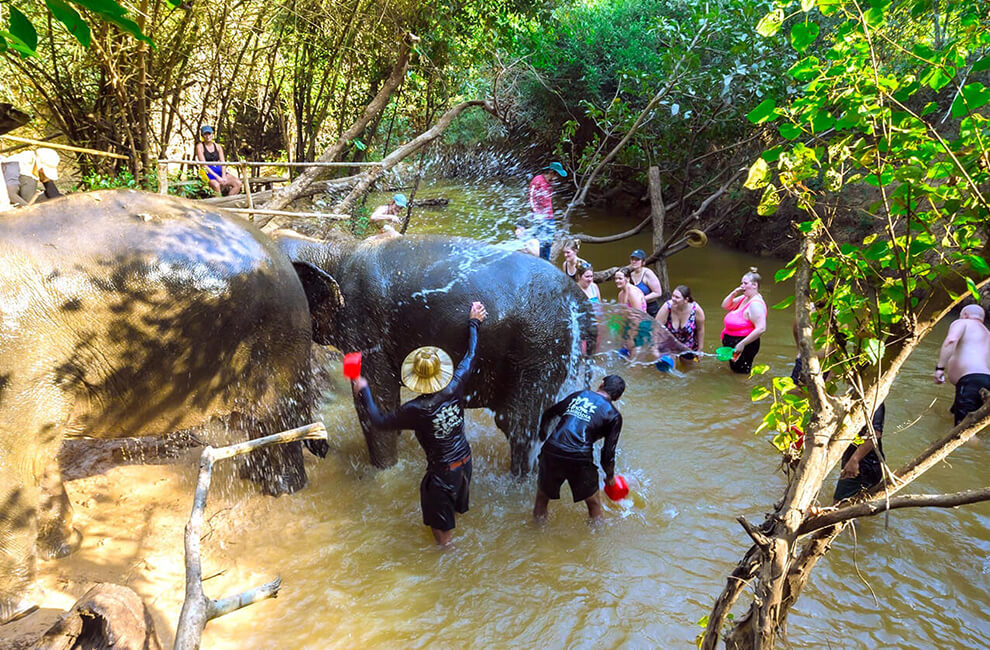
Cambodia Elephant Sanctuary Includes Hotel Pickup Drop-off
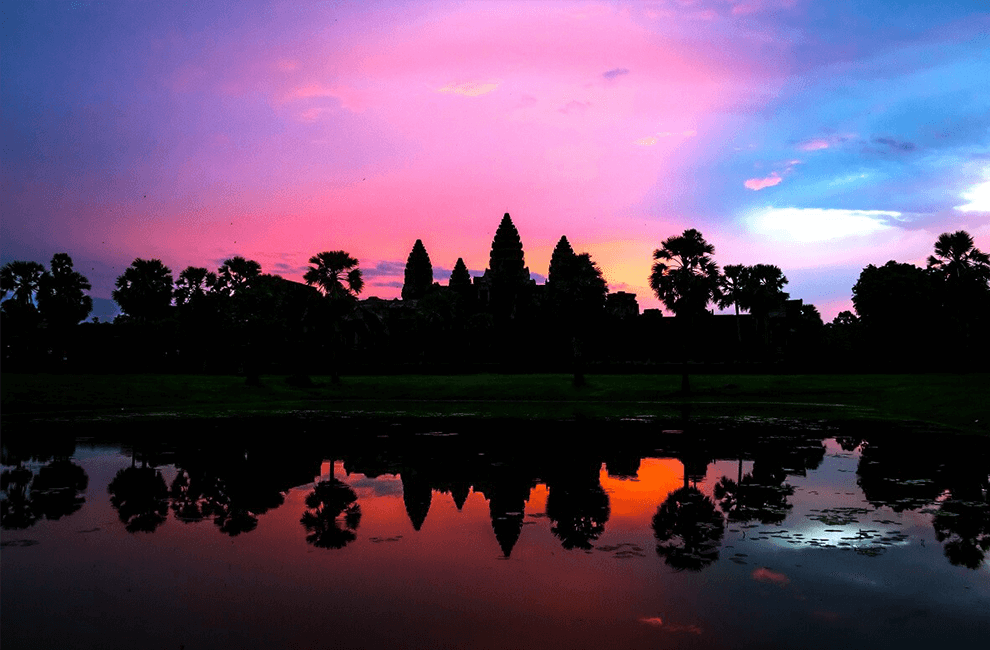
Angkor Wat Sunrise Private Tour included Temple Pass
The eventual decline of Angkor is attributed to a combination of factors, including environmental degradation, the shifting of trade routes, and the encroachment of rival kingdoms. The complex was never truly abandoned but was gradually reclaimed by the jungle, only to be “rediscovered” by the Western world through the accounts of French explorer Henri Mouhot in the 19th century.
The Crown Jewel: Angkor Wat in Detail
Angkor Wat is the world’s largest religious monument. Its name translates to “City of Temples,” and its scale and symmetry are breathtaking.
Architectural Marvel
Unlike most Khmer temples which face east, Angkor Wat faces west, a direction scholars associate with Vishnu and, potentially, with funerary purposes. The entire complex is a representation of Mount Meru, the home of the gods in Hindu cosmology. The central quincunx of towers symbolizes Meru’s five peaks, the surrounding wall represents the mountain ranges at the edge of the world, and the massive moat depicts the cosmic ocean.
What to See Inside:
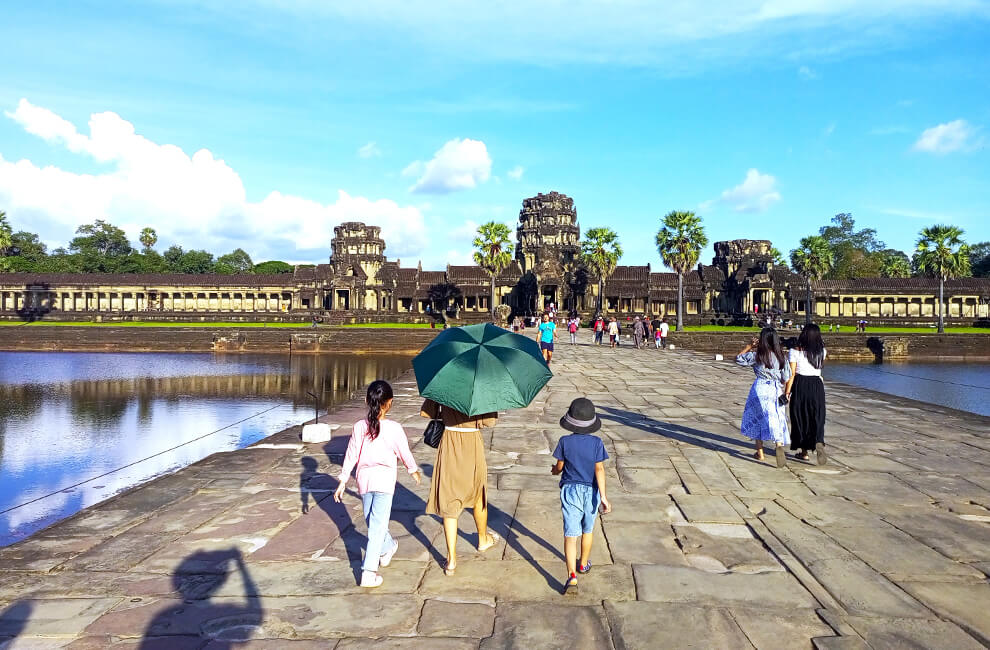
- The Outer Wall & Moat: Cross the 190-meter-wide moat via the main western causeway for that iconic, approaching view.
- The Bas-Relief Galleries: The outer gallery walls are covered in the most exquisite and extensive bas-reliefs in the world. Don’t miss:
- The Churning of the Ocean of Milk: A magnificent 49-meter-long panel depicting gods and demons tugging on a serpent to create the elixir of immortality.
- The Battle of Kurukshetra: A vivid depiction of the epic war from the Mahabharata.
- Heaven and Hell: A graphic representation of the 37 heavens and 32 hells.
- The Central Sanctuary: The climb to the uppermost level (Bakan) is steep and requires appropriate clothing (covered shoulders and knees), but the reward is a profound sense of accomplishment and a panoramic view of the complex.
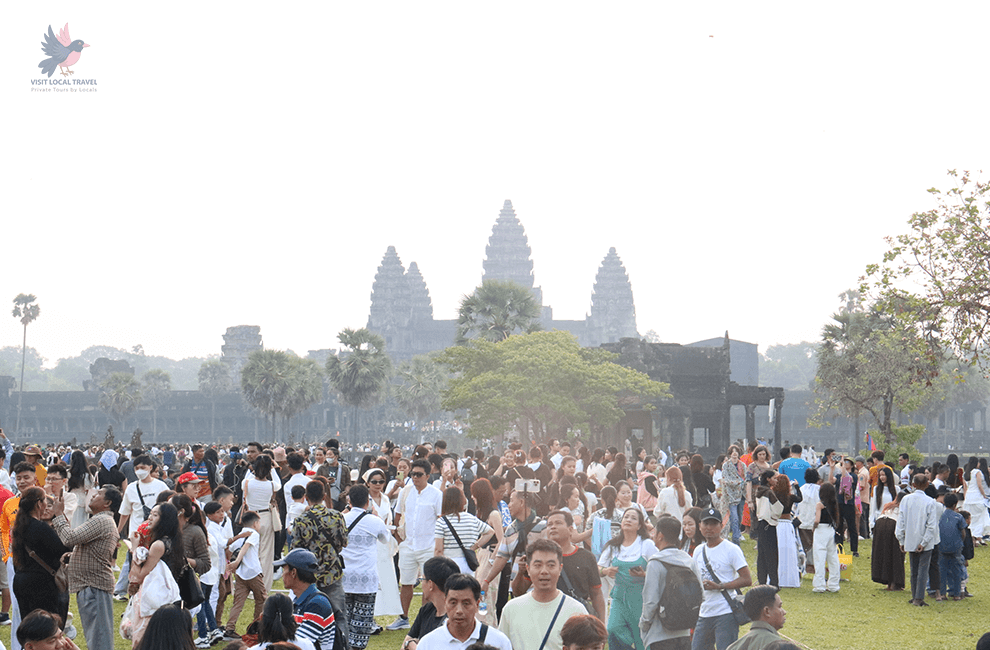
Pro Tip for Sunrise: For a less crowded sunrise view, skip the reflection pond directly in front. Instead, go to the pond on the right side (south of the main entrance) or even consider viewing it from inside the temple complex itself for a unique perspective.
Beyond Angkor Wat: The Must-See Temples of the Complex
While Angkor Wat is the star, the surrounding Angkor Archaeological Park spans over 400 square kilometers and contains dozens of other essential sites.
1. Angkor Thom: The Great City
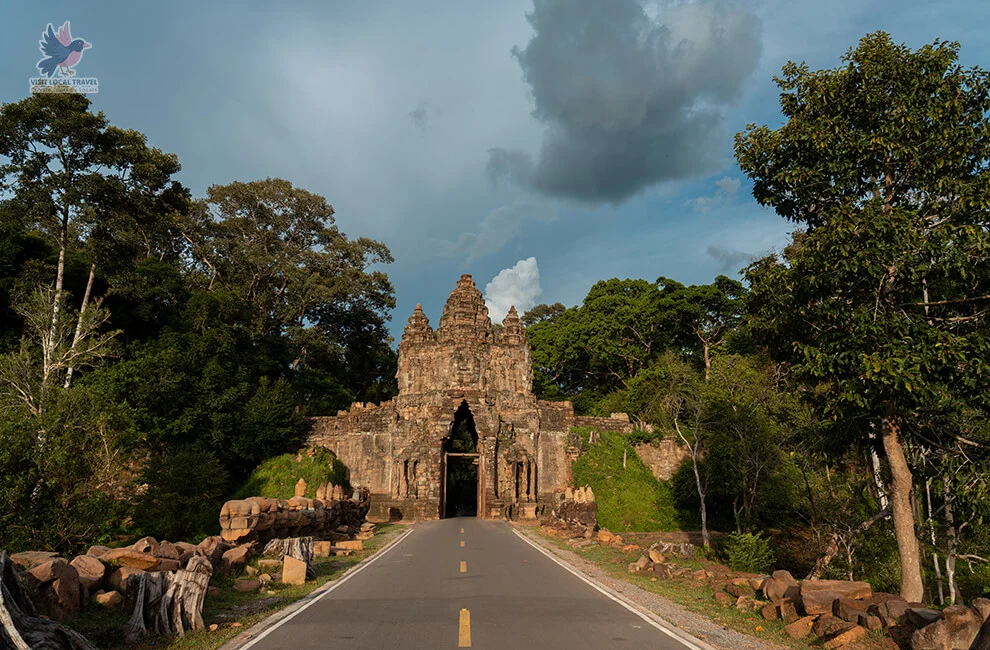
The city is enclosed by an 8-meter (26 feet) high laterite wall that is 12 kilometers (7.5 miles) in total length, with each of the four sides measuring 3 kilometers (1.9 miles) long. Enter through the magnificent South Gate, lined with statues of gods and demons holding a giant naga (serpent). Inside, you’ll find:
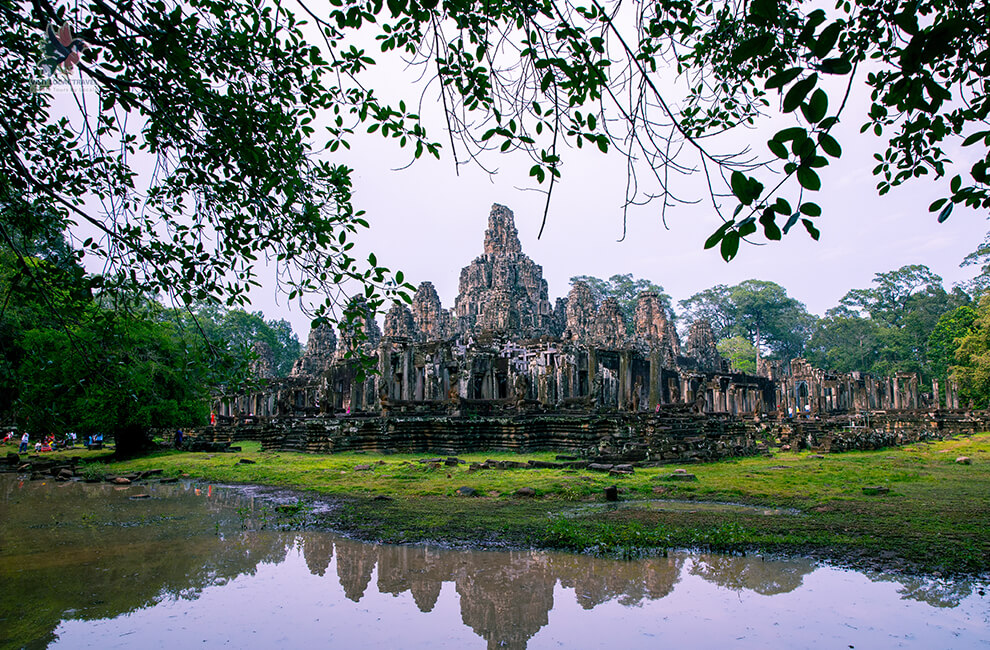
- Bayon Temple : The enigmatic face temple. Its 54 Gothic towers are adorned with 216 serene, smiling faces of Avalokiteshvara, bearing a striking resemblance to King Jayavarman VII. The bas-reliefs here depict everyday life in 12th-century Cambodia, offering a fascinating historical record.
- Baphuon: A massive, pyramid-style temple-mountain representing Mount Meru. It features a dramatic elevated walkway and a giant reclining Buddha on its west side, added in the 15th century.
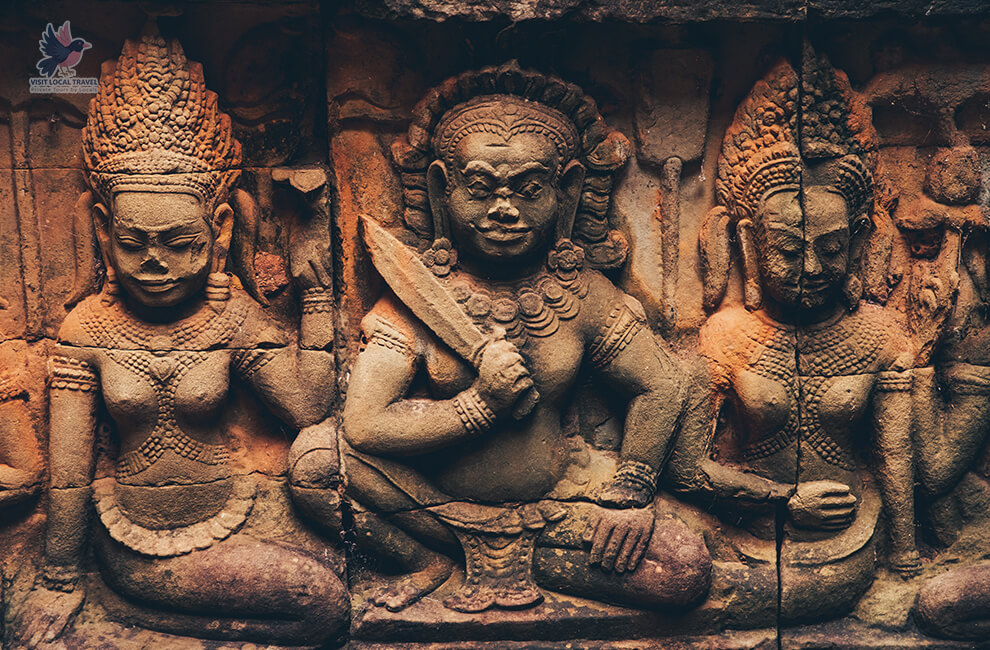
- Terrace of the Elephants & Terrace of the Leper King: These grand, raised platforms were used for royal public ceremonies and are adorned with intricate carvings of elephants, garudas, and other mythological figures.
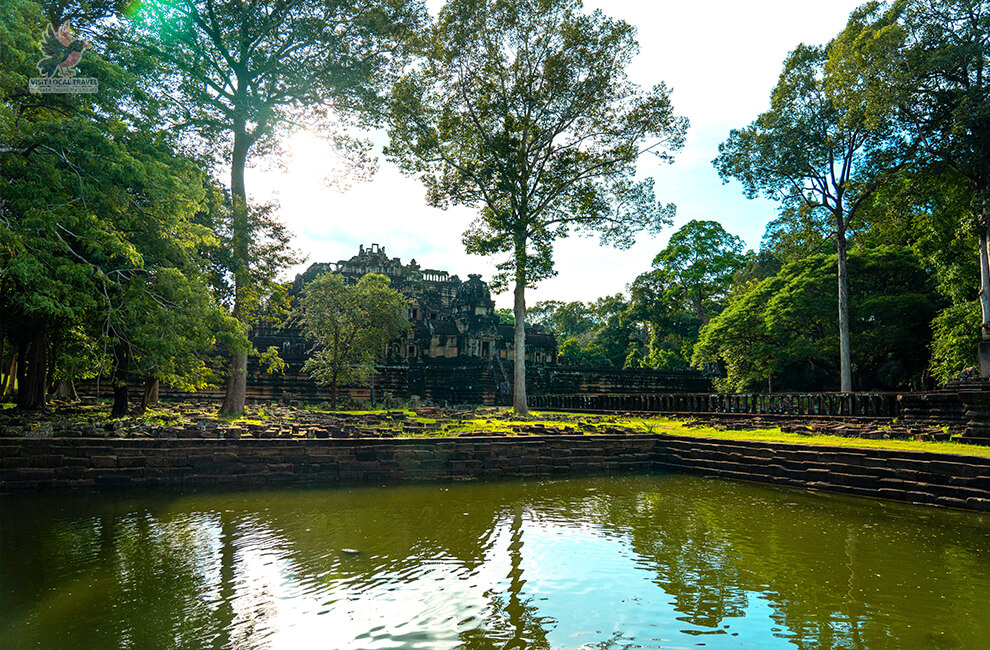
2. Ta Prohm: The Jungle Embraces
Famously known as the “Tomb Raider Temple,” Ta Prohm has been left largely as it was found, strangled by the roots of massive silk-cotton and strangler fig trees. This deliberate preservation by archaeologists gives visitors a powerful sense of the “lost world” discovery. The interplay of nature and architecture here is hauntingly beautiful and provides some of the park’s most photogenic moments.
3. Preah Khan: The Intricate Labyrinth
Another of Jayavarman VII’s foundations, dedicated to his father. Preah Khan is a vast, flat complex with countless chambers, galleries, and corridors, making it feel like a labyrinth. It is less restored than Ta Prohm, offering a more adventurous and intimate exploration. Look for the unique two-story structure and the Hall of Dancers.
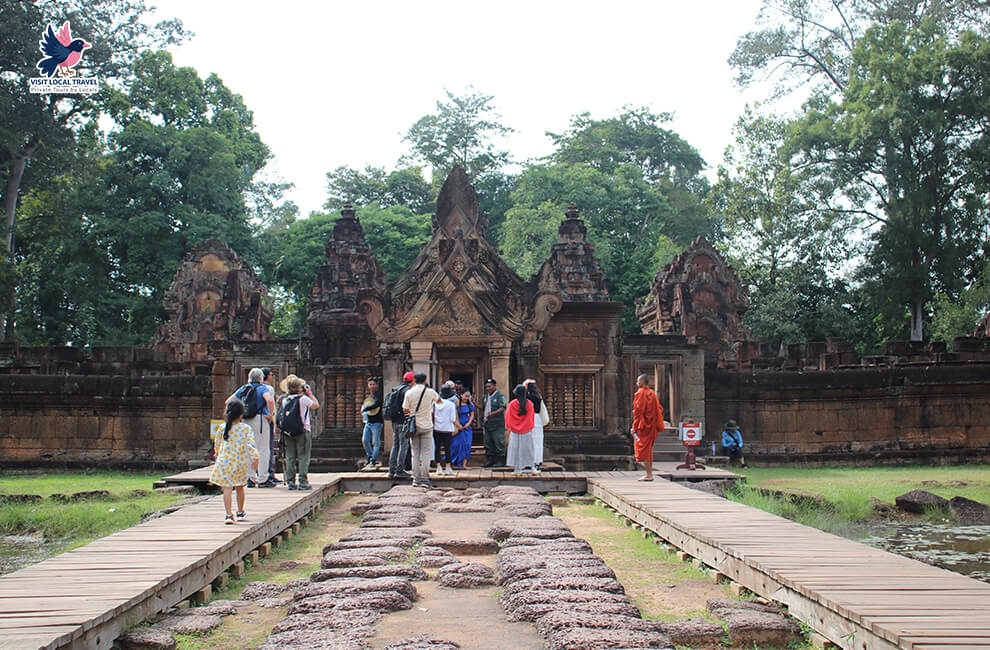
4. Banteay Srei: The Citadel of Women
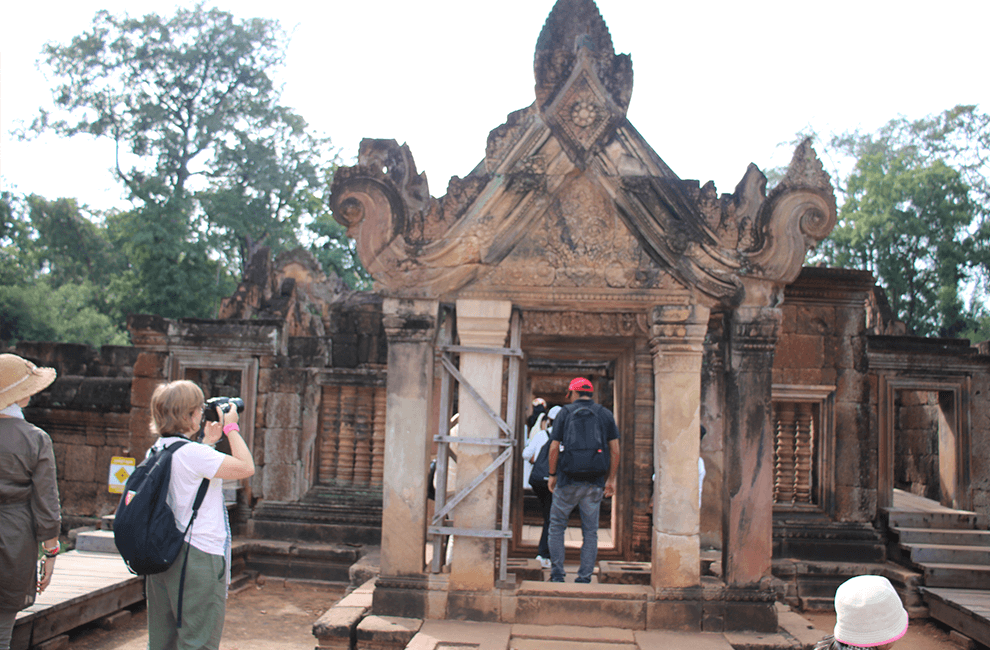
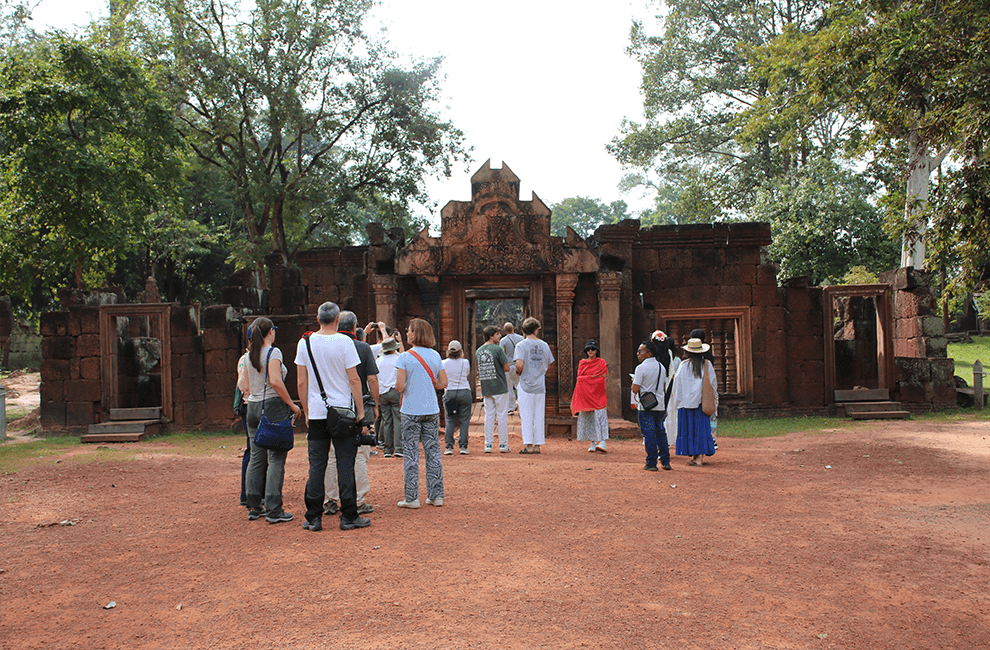
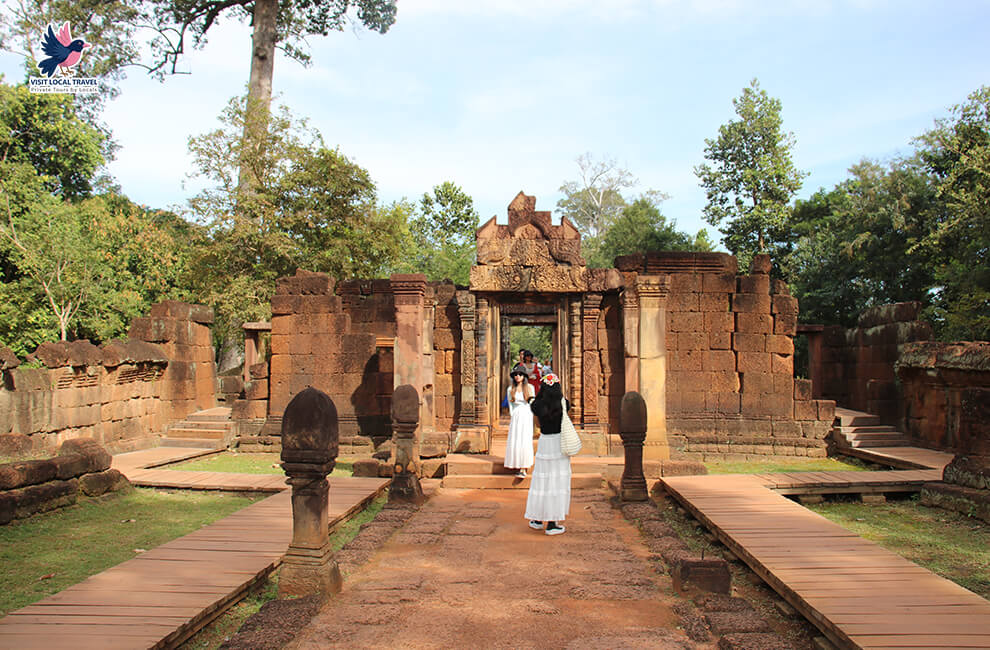
Located about 25km from the main park, Banteay Srei is worth the extra journey. Built from red sandstone, which allows for carving of exquisite detail, this 10th-century temple features the finest and most intricate carvings in all of Angkor. Despite its smaller size, its decorative flourishes of devatas (goddesses) and mythological scenes are unparalleled.
5. Ta Som & Pre Rup
- Ta Som: A small, charming temple similar in style to Ta Prohm, featuring another famous giant tree root engulfing a eastern gopura (gateway).
- Pre Rup: A classic temple-mountain from the 10th century, traditionally believed to be a crematorium. It’s an excellent spot for sunset, offering elevated, 360-degree views of the surrounding plains.
Planning Your Visit: A Practical Itinerary
Choosing Your Temple Pass
Temple passes are required and are sold at the main ticket center. Cash (USD) is preferred.
- 1-Day Pass: $37
- 3-Day Pass: $62 (Valid for 10 days, to be used on any 3 days within that period)
- 7-Day Pass: $72 (Valid for one month, to be used on any 7 days within that period)
Recommendation: The 3-day pass is the perfect amount of time to see the highlights without suffering from “temple fatigue.”
Discover Itineraries
The Grand Circuit (2-3 Days)
Day 1: The Small Circuit
- Sunrise at Angkor Wat
- Explore Angkor Wat in detail
- Enter Angkor Thom via the South Gate
- Bayon Temple
- Baphuon & Royal Palace area
- Terrace of the Elephants & Leper King
- Sunset at Pre Rup
Day 2: The Grand Circuit & Jungle Temples
- Sunrise at Srah Srang (a royal bathing pool)
- Ta Prohm
- Preah Khan
- Visit smaller temples like Neak Pean and Ta Som
- Sunset from Phnom Bakheng (note: this is very popular and access is limited)
Day 3: Further Afield
- Morning trip to Banteay Srei
- Visit the River of a Thousand Lingas at Kbal Spean
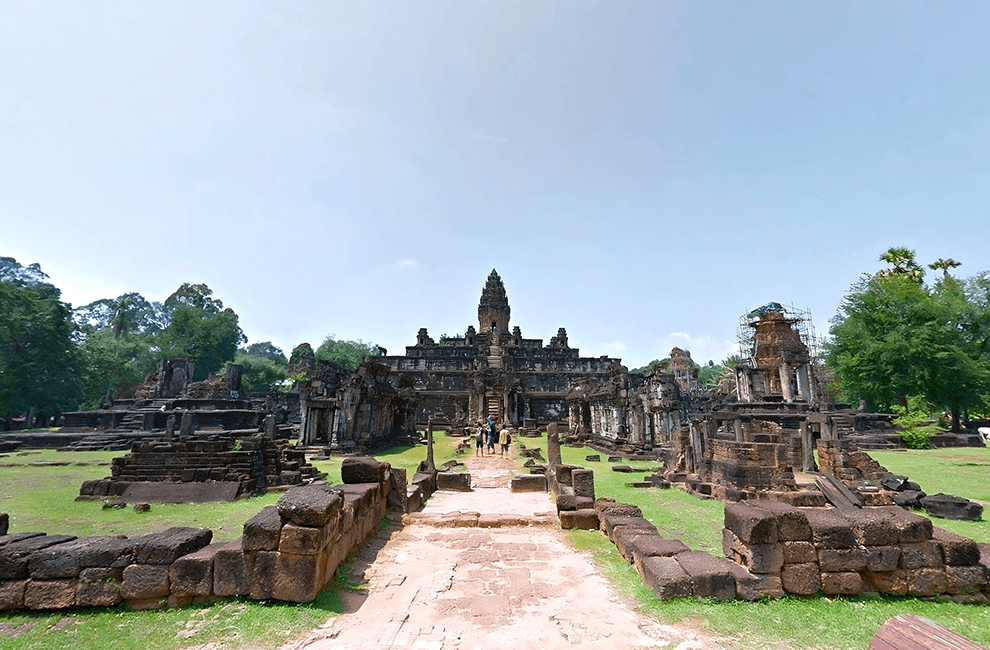
- Afternoon visit to the Roluos Group (the earliest permanent temples of the Angkor area), such as Bakong and Lolei.
How to Get Around
- Tuk-Tuk (Remork): The most popular and affordable option. You can hire a driver for a full day. Perfect for the Small and Grand Circuits.
- Private Car / Van: Offers air-conditioned comfort, essential for longer trips to Banteay Srei or on very hot days.
- Bicycle / E-Bike: For the active and adventurous. Cycling through the park is a fantastic way to experience the landscape at your own pace.
- Guide: Hiring a licensed guide is highly recommended to fully appreciate the history, symbolism, and stories behind the stones.
Essential Travel Tips for a Seamless Experience
- Best Time to Visit: The cool, dry season from November to February offers the most pleasant weather. The shoulder months of March-April and September-October are hotter but less crowded.
- What to Wear: Dress respectfully. Clothing must cover your shoulders and knees. Light, breathable fabrics are best.
- What to Bring:
- Your temple pass (always carry it!)
- Ample water and hydration salts
- High-SPF sunscreen, a wide-brimmed hat, and sunglasses
- Comfortable, sturdy walking shoes
- Cash (USD) for small purchases, driver tips, and local vendors
- Camera and extra batteries/power bank.
- Staying Hydrated & Healthy: The Cambodian heat is no joke. Drink water constantly. Take breaks in the shade. Many temples have steep, uneven steps, so always watch your step.
- Supporting Responsible Tourism:
- Be mindful of your interactions. Do not give money or candy to children, as it encourages begging; instead, support local schools or charities.
- Do not touch the bas-reliefs. The oils from your hands damage the stone.
- Only climb where it is permitted and always be cautious.
- Respect the monks and locals you meet. Ask for permission before taking photographs of people.
Conclusion: More Than Stones, A Living Legacy
A journey to the temples of Angkor is more than a sightseeing tour; it is a pilgrimage into the heart of human ambition, spirituality, and artistry. It is a place where history is etched into every sandstone block and where the whispers of a glorious past echo through silent corridors. As you walk in the footsteps of kings and priests, you become part of the ongoing story of this magnificent site.
By planning ahead, traveling respectfully, and immersing yourself in its profound beauty, your visit to Angkor will leave you not just with photographs, but with memories and a sense of wonder that will last a lifetime. Start planning your journey to this unparalleled wonder of the world today.