

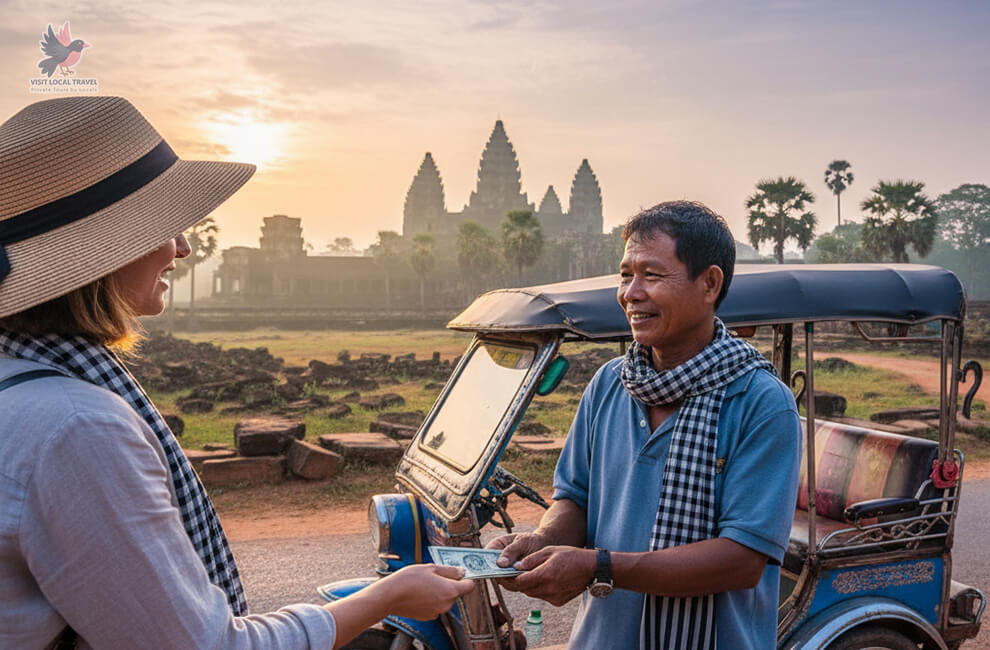
Cambodia, the Kingdom of Wonder, captivates visitors with its ancient temples, vibrant culture, and profoundly resilient and friendly people. As you plan your journey to explore the awe-inspiring Angkor Wat or the bustling streets of Phnom Penh, a common question arises: What is the custom for tipping in Cambodia? Navigating gratuity in a new country can be a source of anxiety for many travelers. They want to show appreciation without causing offense and to be generous without inadvertently distorting local economies.
This guide will demystify tipping in Cambodia, providing you with clear, contextual information so you can navigate these situations with confidence and respect.
The Cultural Foundation: Tipping in Cambodia is Not Traditional, But is Deeply Appreciated
First and foremost, it is crucial to understand that tipping is not a deep-rooted tradition in Cambodian culture. For generations, there was no expectation for extra payment beyond the agreed price. However, with the massive growth of tourism over the past two decades, tipping has become increasingly common, especially in tourist-centric areas like Siem Reap, Phnom Penh, and Sihanoukville.
While not mandatory, tipping is now widely understood and immensely appreciated. The reason for this appreciation is economic. Many workers in the service industry, from hotel staff to tour guides, earn very modest base salaries. A tip from a tourist can represent a significant supplement to their income, directly helping them and their families.
The key principle is graceful giving. A tip should be offered as a genuine “thank you,” not as an obligatory duty. A smile and a polite “Orkun” (Thank you) accompanying the tip are just as important as the money itself.
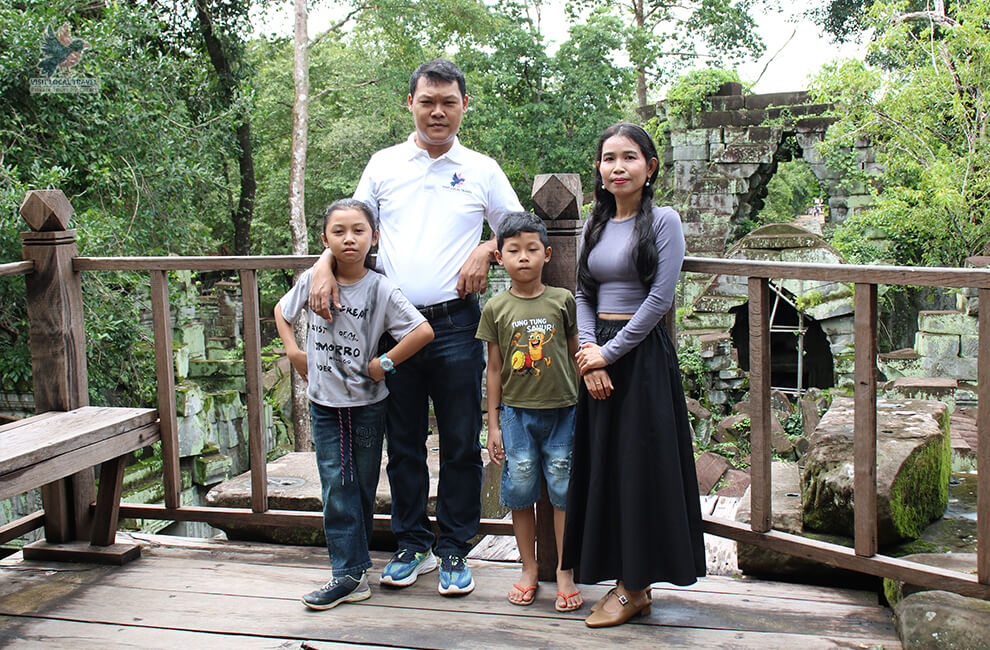
A Detailed Sector-by-Sector Tipping Guide
Here is a breakdown of whom to tip, when, and how much, in various common travel scenarios.
1. Restaurants, Bars, and Cafés
- Local Eateries and Street Food Stalls: At a simple street food cart or a small, family-run restaurant where you sit on plastic stools, tipping is not expected. Simply paying the bill is perfectly fine. If you receive exceptional service or wish to show extra appreciation, rounding up the bill or leaving the small change is a kind gesture.
- Mid-Range to High-End Restaurants: In tourist areas and more upscale establishments, a tip is appreciated. While some places may add a 5-10% service charge to the bill (always check your bill first), this rarely goes directly to the staff.
- Recommended Tip: 5-10% of the bill. If the bill is $18, leaving $20 is a simple and generous approach. You can leave the cash on the table or give it directly to your server.
2. Transportation
- Tuk-Tuk Drivers: Your tuk-tuk driver will often be your go-to person for getting around cities. They are generally freelance operators, so tips form a direct part of their earnings.
- For a Short Ride: If a ride costs $2, rounding up to $3 is a common and appreciated practice.
- For a Half-Day or Full-Day Hire: If you hire a driver for a day (e.g., to tour the temples of Angkor), they will quote a price, often $15-$25. For good, safe, and friendly service, a tip of $5-$10 for the day is very generous and will be warmly received.
- Taxi Drivers (Car): Similar to tuk-tuks, for longer pre-arranged journeys, a small tip on top of the agreed fare is a nice gesture.
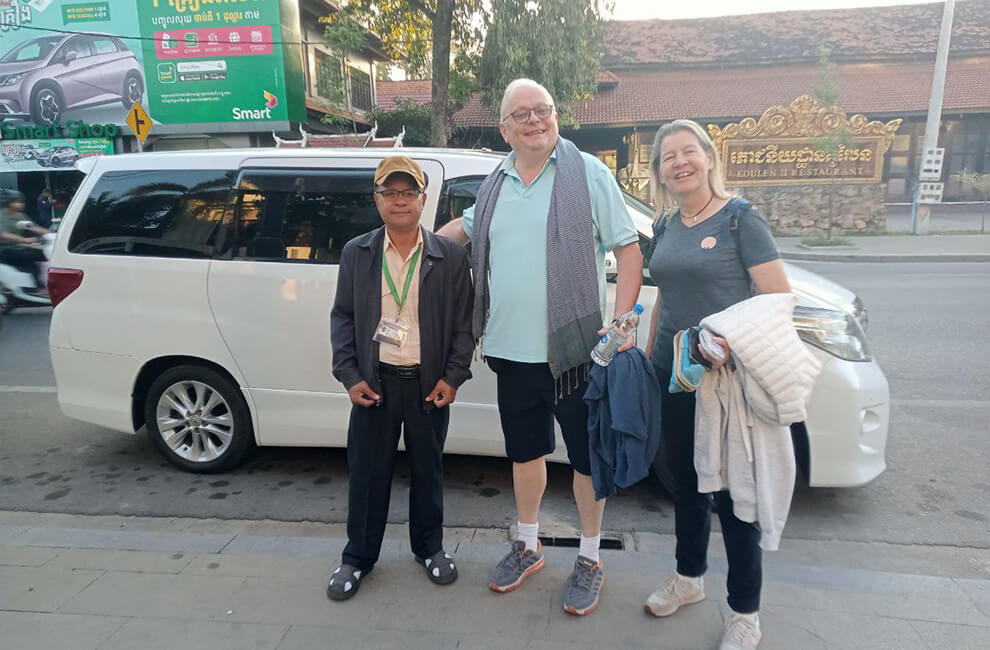
3. Hotels and Accommodation
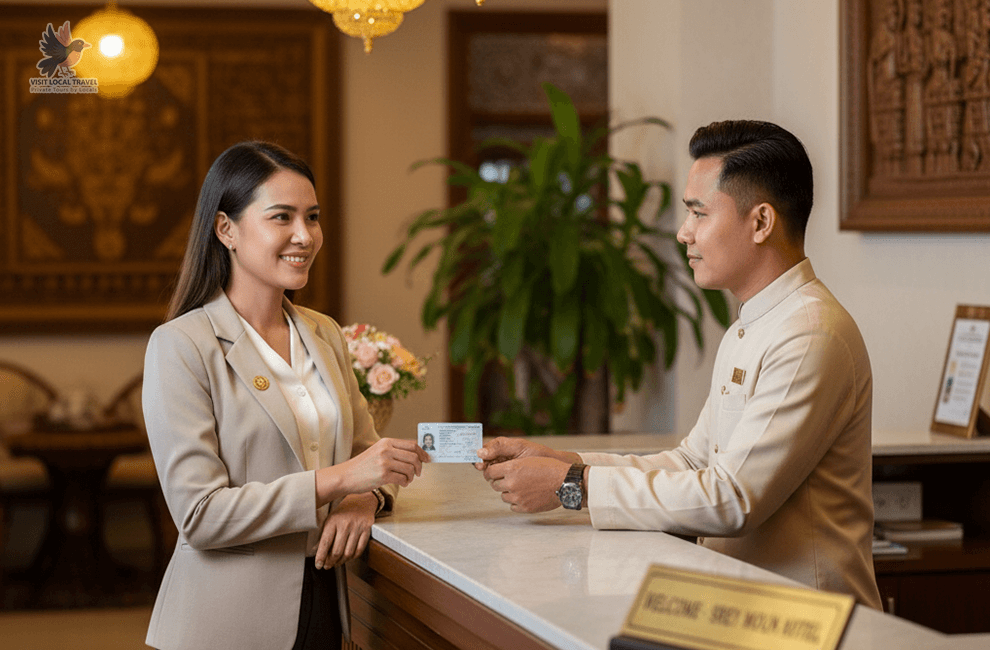
Hotel staff often work behind the scenes but play a crucial role in your comfort. Tipping here is a thoughtful way to acknowledge their efforts.
- Bellhops/Porters: For helping with your luggage to and from your room.
- Recommended Tip: $1-$2 per bag.
- Housekeeping: This staff is often overlooked. Leaving a tip is a wonderful way to show gratitude for their work.
- Recommended Tip: $2-$3 per night. Leave the money in an obvious place (like on the pillow or a desk) with a note saying “For Housekeeping – Thank You” to ensure it goes to the right person. It’s best to tip daily, as different staff may clean your room on different days.
- Concierge & Front Desk: Generally, tipping is not expected for simple questions or directions. However, if they go above and beyond securing a hard-to-get restaurant reservation or arranging complex travel a tip of $5-$10 is appropriate.
4. Tour Guides and Drivers
This is one of the most important areas for tipping. A good guide can transform your experience, providing deep cultural and historical context.
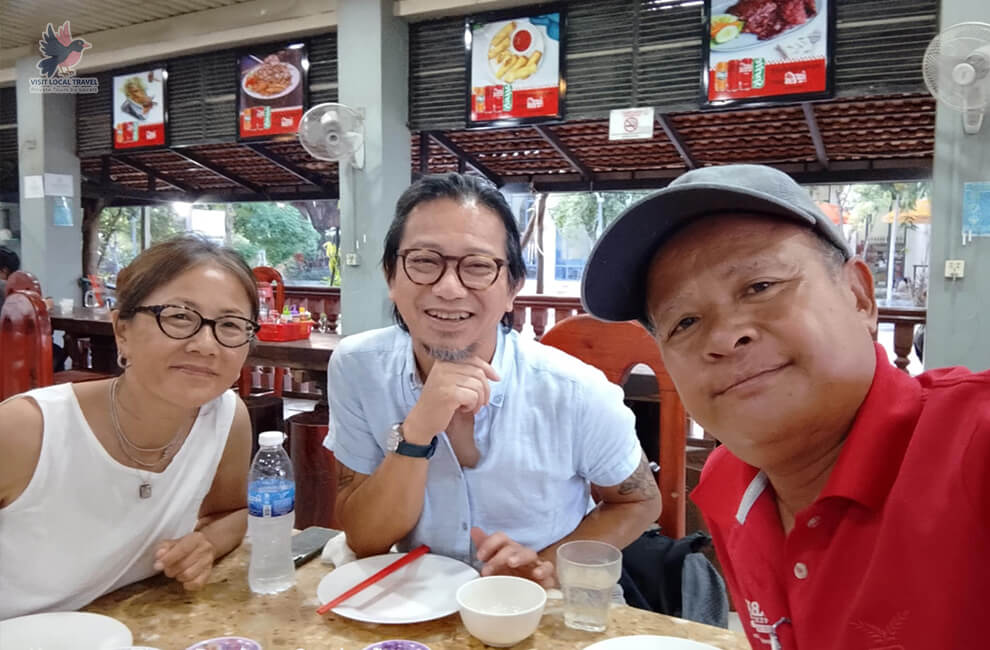
- Tour Guides (Private or Small Group): For a knowledgeable, engaging, and professional guide.
- Recommended Tip: $10-$15 per day for a private guide. For a half-day tour, $5-$10 is suitable. This should be given directly to the guide at the end of your time with them.
- Tour Drivers (for dedicated vehicles): If you have a separate driver for your tour (not the guide driving), they should also be tipped.
- Recommended Tip: $5-$10 per day, given directly to the driver.
5. Other Services
- Spa and Massage Therapists: Cambodia is famous for its affordable and excellent massages.
- Recommended Tip: $2-$5 per hour of treatment, depending on the quality and price of the spa. For a $10 one-hour massage, a $2 tip is standard. For a more luxurious $40 treatment, $5 is appropriate.
- Kid Vendors: You will encounter many children selling souvenirs, books, and postcards, especially at temples. While the instinct to help is strong, it is generally advised not to buy from or give money to child vendors. This practice can incentivize families to keep children out of school. A better alternative is to donate to reputable local charities or NGOs that work on community development and education.
Practical Tipping Etiquette: The How-To
- Currency: US Dollars or Cambodian Riel? Cambodia is a dual-currency economy. US Dollars are widely accepted and often preferred for tipping, especially in larger denominations. However, always try to tip in small, clean US dollar bills. A torn or old bill may not be accepted. For smaller tips (under $5), Cambodian Riel is perfectly fine and often more practical. As a general rule, use dollars for larger amounts and Riel for smaller, spontaneous tips.
- The Manner of Giving: Always hand over a tip discreetly and respectfully. The classic method is to fold the bill and hand it over with a slight bow of the head and a sincere “Orkun” (Thank you). Avoid making a show of it, as this can cause embarrassment.
- When to Tip: Tip at the end of a service. For a tour, tip on the final day. For a multi-day stay in a hotel, consider tipping housekeeping daily.
The Heart of the Matter: Beyond the Percentage
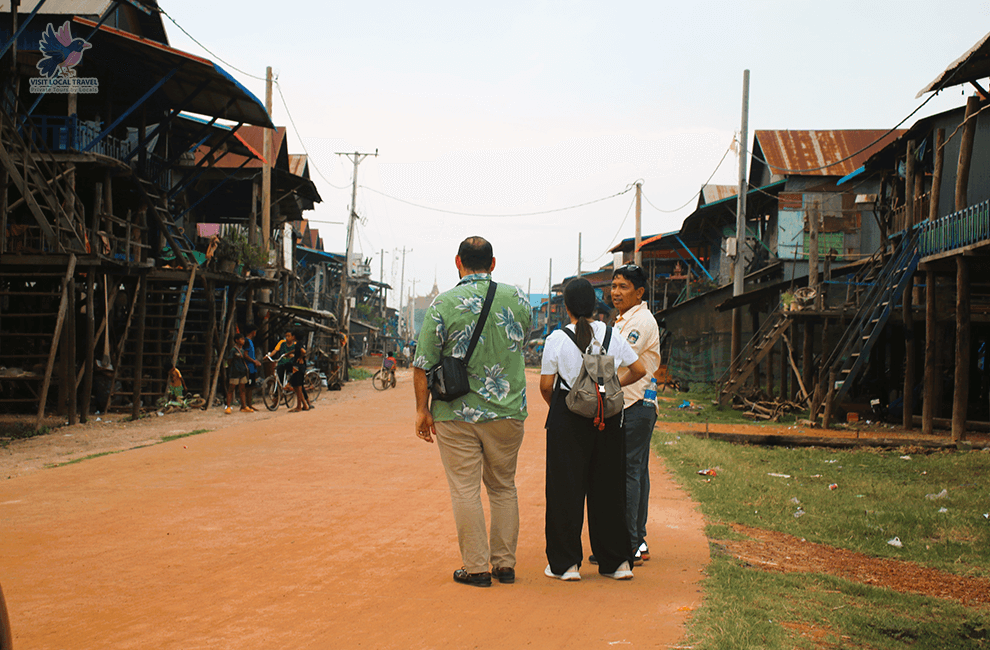
Tipping in Cambodia is more than a financial transaction; it’s a cultural exchange. It’s an opportunity to connect with the people who are making your journey memorable. The most important thing you can offer, alongside a fair tip, is respect and kindness.
Cambodians have endured immense hardship in their recent history, and their warmth towards visitors is a testament to their incredible spirit. A genuine smile, patience, and a respectful demeanor are valued just as highly as the money you leave behind.
By following this guide, you can ensure that your gestures of appreciation are both culturally sensitive and personally meaningful, leaving a positive impact long after you’ve returned home. Your journey through Cambodia is not just about the landscapes and monuments; it’s about the people. Tipping thoughtfully is a simple yet powerful way to honor that connection.