
The Khmer people, the ethnic group of Cambodia, are known for their deep-rooted cultural values, which emphasize hospitality, friendliness, and social harmony. Their way of life reflects a blend of Buddhist principles, historical resilience, and a strong sense of community. Below are some of the defining traits that make the Khmer people unique.
Homogeneity and the Khmer Ethnicity
Cambodia is a highly homogeneous society, with 97.6% of its population identifying as ethnically Khmer. Many Cambodians trace their heritage back to the Khmer Empire, reinforcing a strong sense of shared identity. The terms “Cambodian” and “Khmer” are frequently used interchangeably, with “Khmer” specifically denoting the language, people, and culture. This reflects its role primarily as an ethnic and linguistic identifier rather than a political one.
Religiously, Cambodia is also largely uniform, as 96.9% of the population adheres to Buddhism. Core Buddhist principles, such as tolerance, inner peace, and personal accountability, are deeply embedded in Cambodian cultural values. For further details on Buddhism’s influence, see the section Buddhism in Religion.
Hospitality: Welcoming with Open Arms
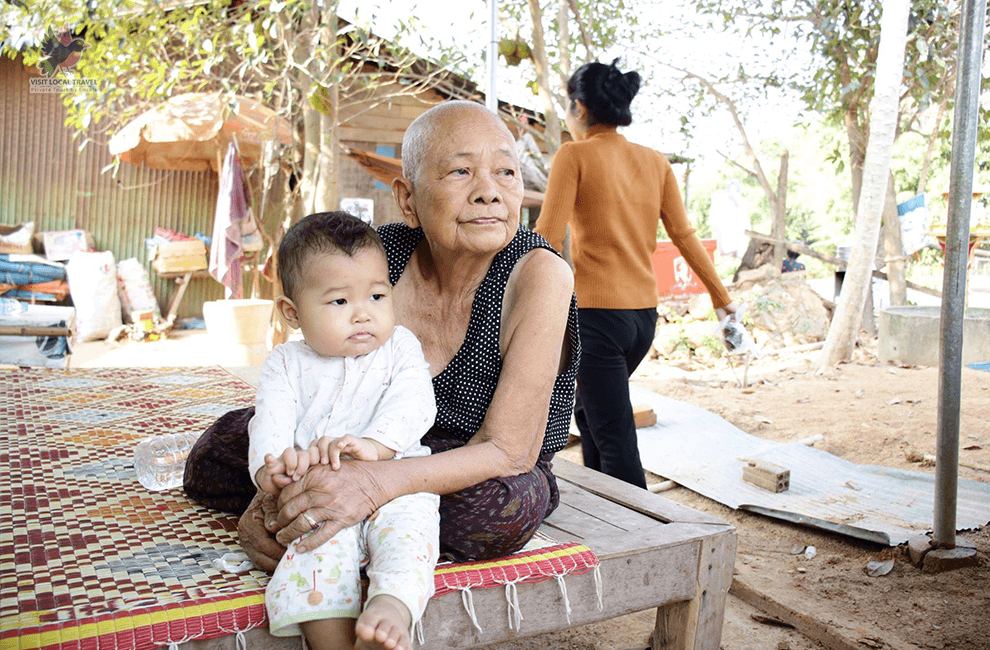
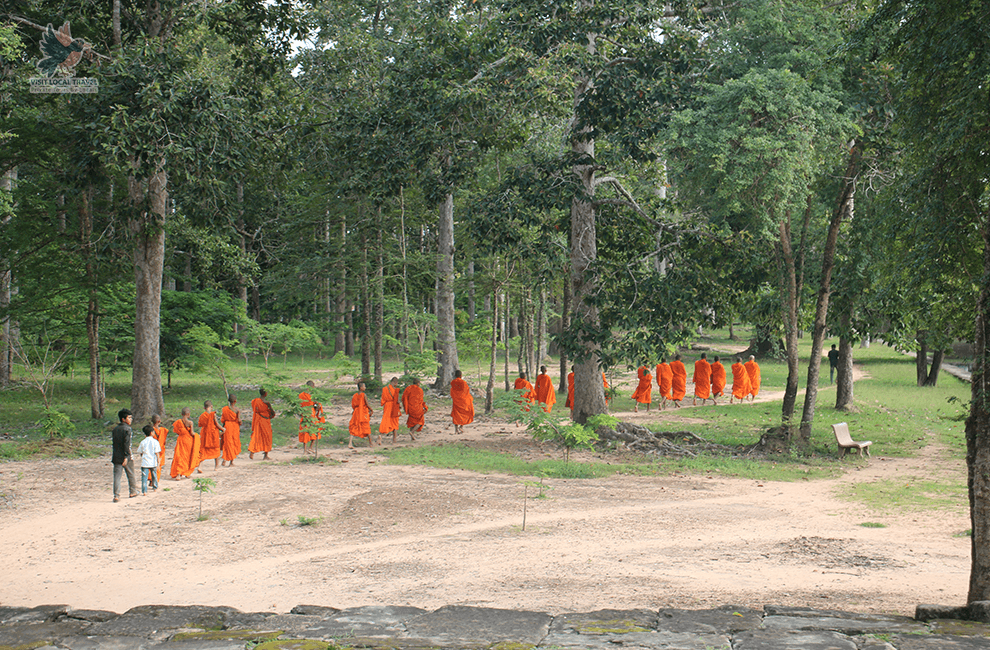
Khmer people are renowned for their warm hospitality. Guests, whether local or foreign, are treated with great respect and generosity. It is common for Cambodian families to offer food, drinks, and even a place to stay to visitors, embodying the Buddhist teaching of kindness (metta). This tradition stems from the belief that helping others brings merit and positive karma.
Friendliness: A Society Built on Smiles
Cambodians are naturally friendly and approachable, often greeting strangers with a smile. The famous “Khmer smile” is more than just politeness—it reflects humility, warmth, and a desire to put others at ease. Even in difficult circumstances, many Cambodians maintain a cheerful demeanor, making their society one of the most welcoming in Southeast Asia.
Harmony: Living in Balance
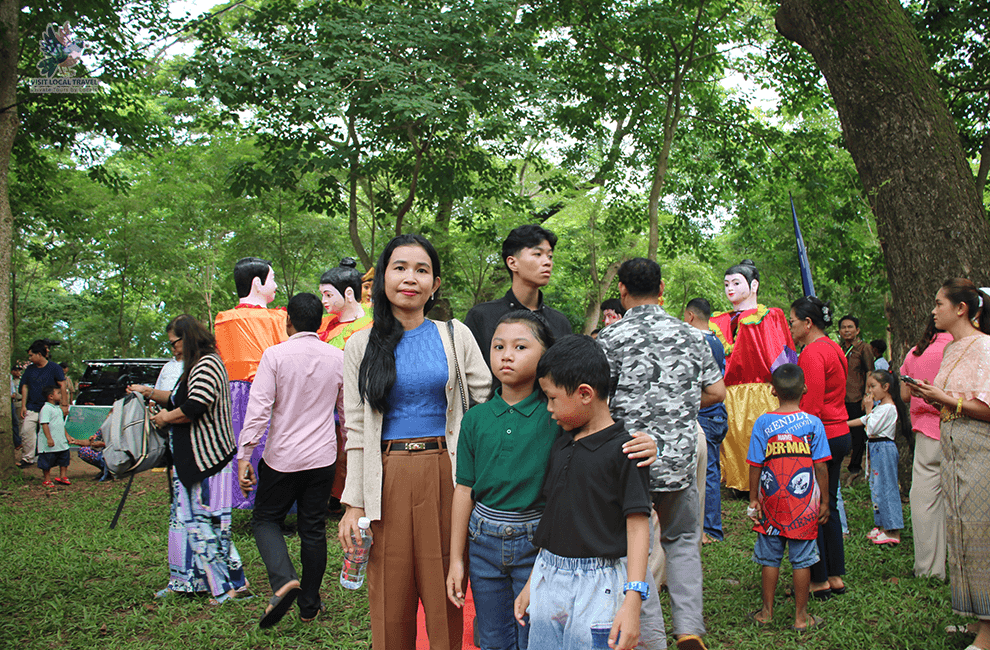
Harmony (sāmāgī) is a cornerstone of Khmer culture. Cambodians prioritize peaceful coexistence, avoiding confrontation to maintain social balance. This principle extends to family life, where elders are deeply respected, and community bonds are strong. Disputes are often resolved through compromise rather than conflict, reflecting the influence of Buddhism and traditional values.
Tolerance: Acceptance and Compassion
The Khmer people are inherently tolerant, shaped by Theravada Buddhism, which teaches patience and understanding. Despite Cambodia’s turbulent history, many Cambodians exhibit remarkable forgiveness and resilience. Religious and cultural diversity is generally respected, with ethnic minorities such as the Cham, Chinese, and Vietnamese living alongside the Khmer majority in relative peace.
Stoicism: Strength in Silence
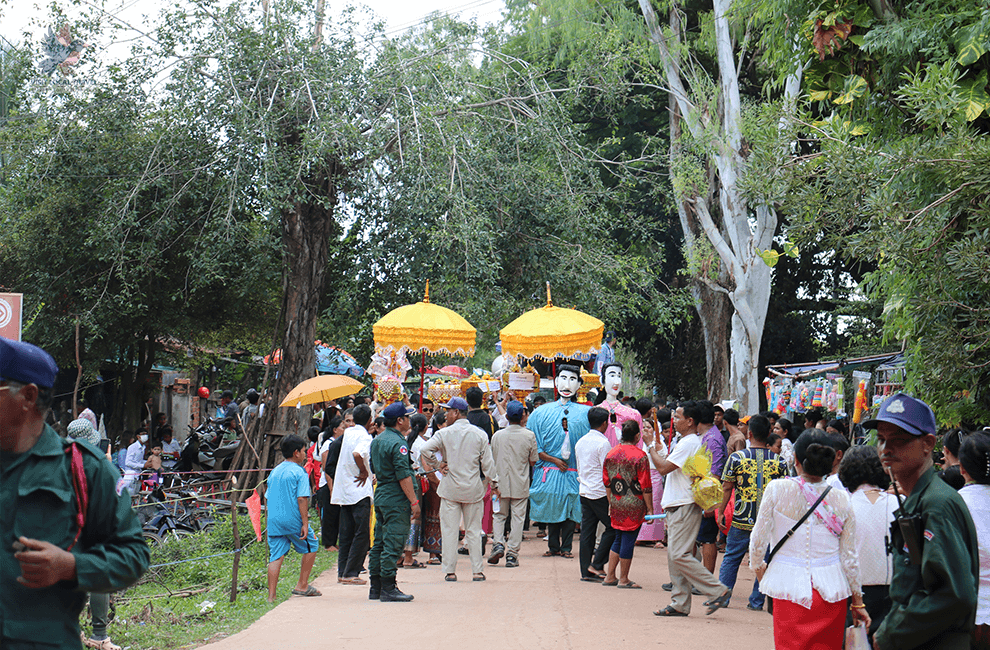
Khmer culture values emotional restraint and endurance. Cambodians often face hardships with quiet resilience, a trait honed through years of historical challenges. Instead of vocalizing suffering, many internalize their struggles, relying on inner strength and Buddhist teachings to persevere. This stoicism is evident in their ability to rebuild and move forward despite adversity.
Modesty: Humility in Conduct
Modesty is deeply ingrained in Khmer behavior. Boasting or drawing excessive attention to oneself is frowned upon, as humility is seen as a virtue. Dress, speech, and actions are often understated, reflecting respect for others. This modesty extends to their interactions—Cambodians typically speak softly and avoid aggressive gestures, preferring politeness and indirect communication.
Conclusion
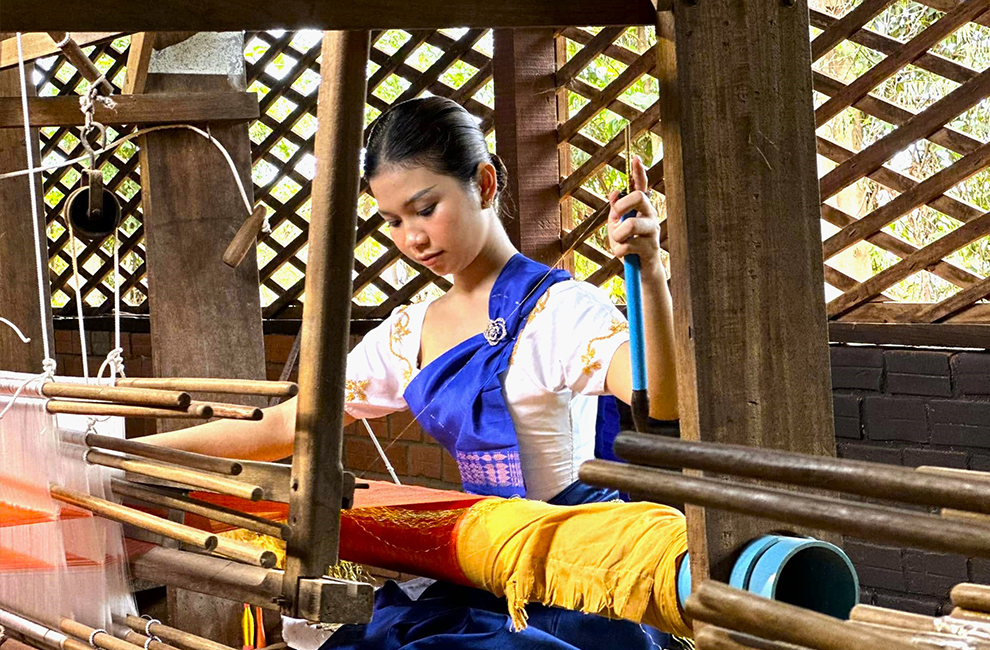
The Khmer people’s way of life is a testament to their enduring values of hospitality, friendliness, and harmony. Their tolerance, stoicism, and modesty have allowed them to navigate hardships while maintaining a strong cultural identity. For visitors to Cambodia, experiencing the warmth and resilience of the Khmer people is as unforgettable as the country’s ancient temples and lush landscapes. Their spirit continues to inspire, proving that kindness and strength can coexist in even the most challenging circumstances.