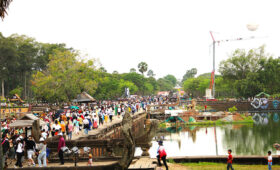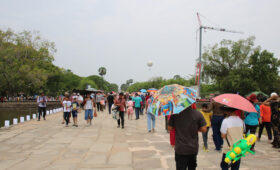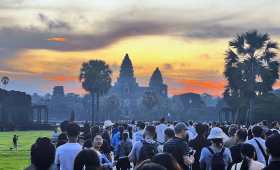

Siem Reap, Cambodia, is famous for the awe-inspiring Angkor Wat, but beyond the temples lies a serene countryside filled with authentic cultural experiences. Exploring Siem Reap’s rural landscapes offers travelers a chance to witness traditional Khmer life, interact with locals, and engage in hands-on activities.
This guide covers the best Siem Reap countryside life activities, taking you through rice paddies, villages, and local workshops where you can immerse yourself in Cambodia’s rural charm.
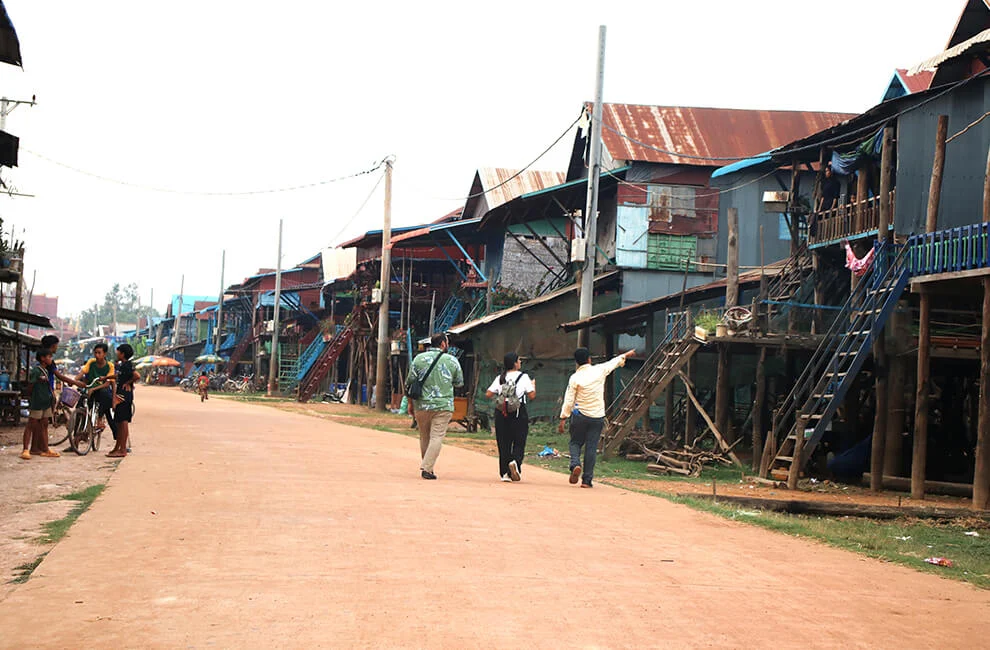
Exploring Traditional Khmer Villages
Visit a Local Village (Kro Bei Riel, Pouk District, or Kompheim Village)
Many countryside tours include visits to nearby villages where you can observe daily Cambodian life.
- Meet Local Families: Engage with villagers, learn about their routines, and see traditional stilt houses.
- Children’s Activities: Some villages have small schools where tourists can interact with kids.
- Local Markets: Discover fresh produce, handmade crafts, and Khmer snacks.
Ox-Cart Rides Through the Countryside
A slow-paced ox-cart ride is a nostalgic way to explore rural Siem Reap.
- Route: Typically passes through rice fields, palm groves, and small hamlets.
- Best Time: Early morning or late afternoon for cooler temperatures.
Rice Farming Experiences
Cambodia’s countryside is dominated by rice paddies, and visitors can participate in traditional farming activities.
Rice Planting & Harvesting (Seasonal Activity)
- Planting (June-August): Learn how farmers transplant rice seedlings.
- Harvesting (November-February): Try cutting rice stalks with a sickle and threshing grains.
- Buffalo Plowing: Some farms let tourists guide water buffaloes to plow fields.
Rice Wine & Noodle Making
- Rice Wine Distillation: Visit a local home brewery to see how rice is fermented into potent sraa rice wine.
- Rice Noodle Production: Watch (or help) villagers make fresh rice noodles used in Num Banh Chok (Khmer noodle soup).
Local Workshops & Handicrafts
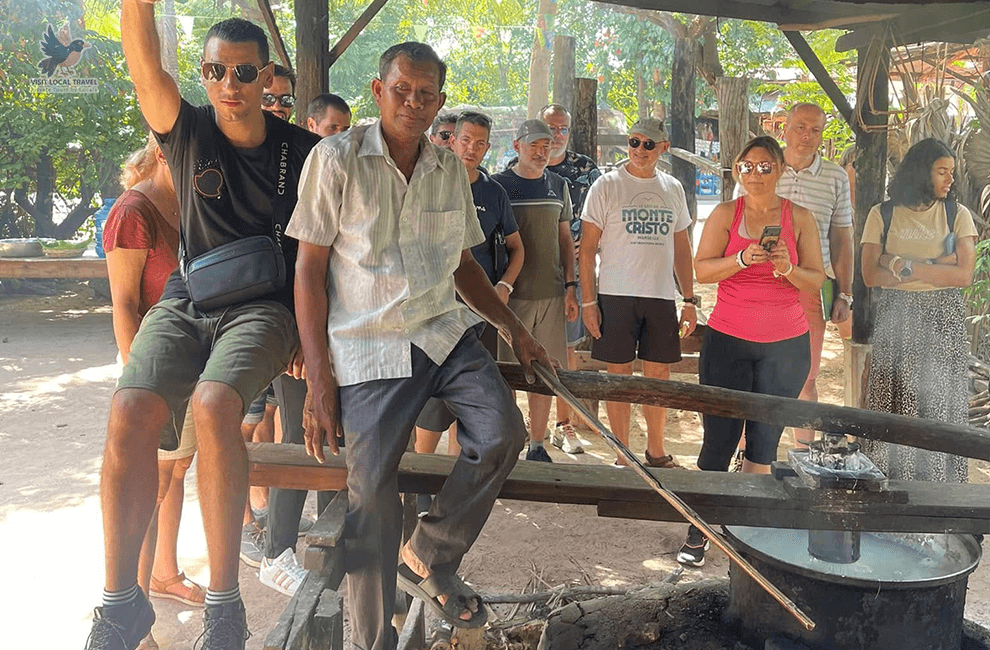
Palm Sugar Production
Cambodia’s countryside is dotted with palm trees used for making palm sugar in Preah Dak Village, a natural sweetener.
- Process: Watch villagers climb tall palm trees to collect sap, then boil it into syrup or sugar cakes.
- Tasting: Sample fresh palm juice or sugar-coated treats.
Pottery & Ceramics Making
- Traditional Khmer Pottery: Visit workshops where artisans shape clay into pots, jars, and decorative items.
- Hands-On Experience: Some places allow visitors to try pottery-making on a manual wheel.
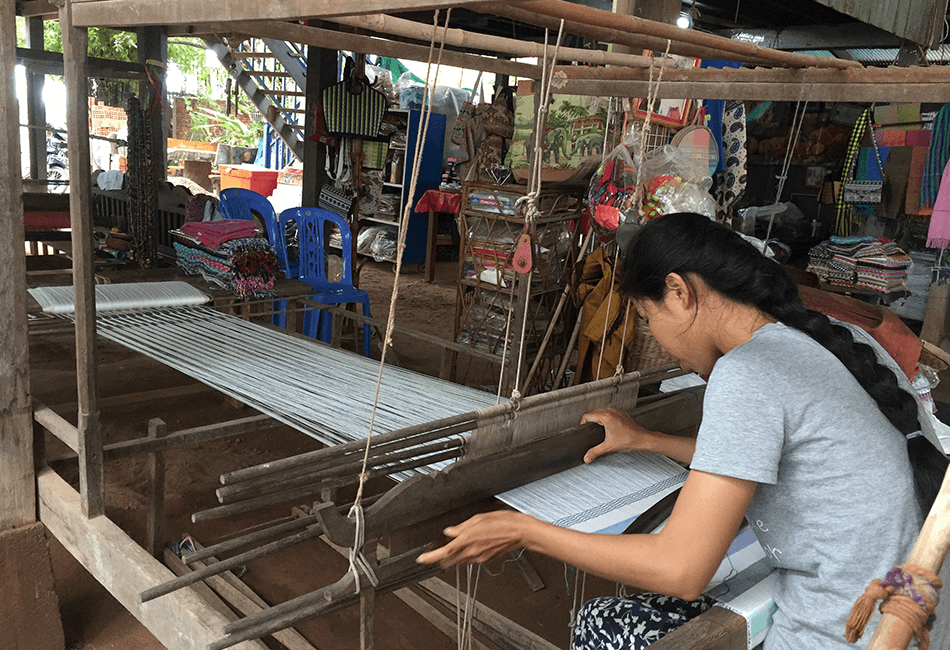
Silk Weaving & Textile Workshops
- Silk Farm Visits (e.g., Angkor Silk Farm, Golden Silk Farm): See the entire silk-making process—from silkworms to handwoven scarves.
- Natural Dyeing: Learn how locals use plants like indigo and turmeric to dye fabrics.
Bamboo Crafting & Basket Weaving
- Bamboo Workshops: Watch craftsmen turn bamboo into baskets, mats, and household items.
- Try Weaving: Some workshops offer short lessons in basic weaving techniques.
Cycling & Walking Tours Through the Countryside
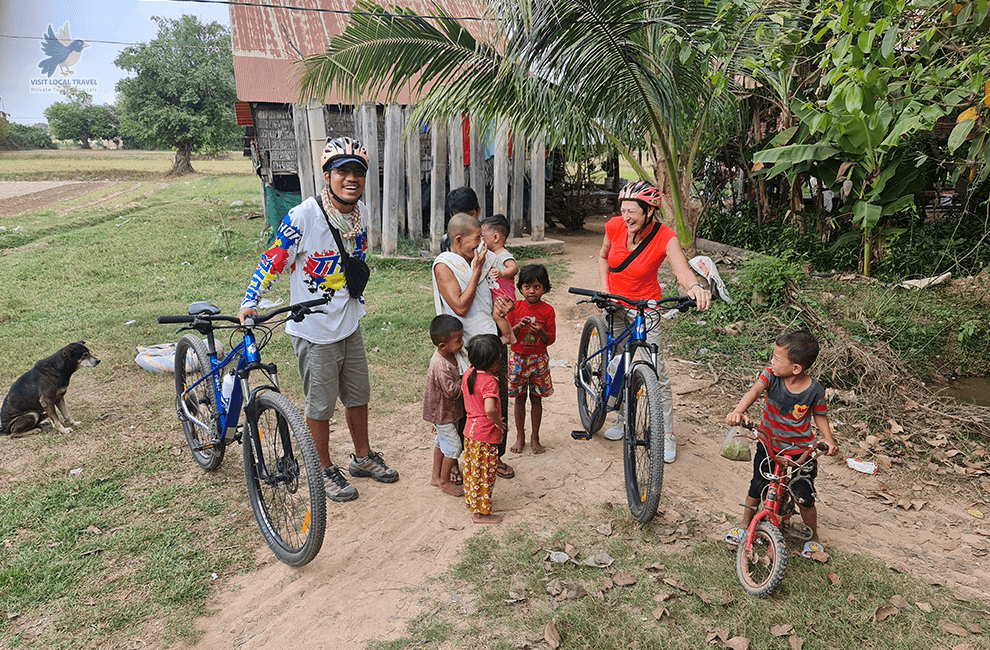
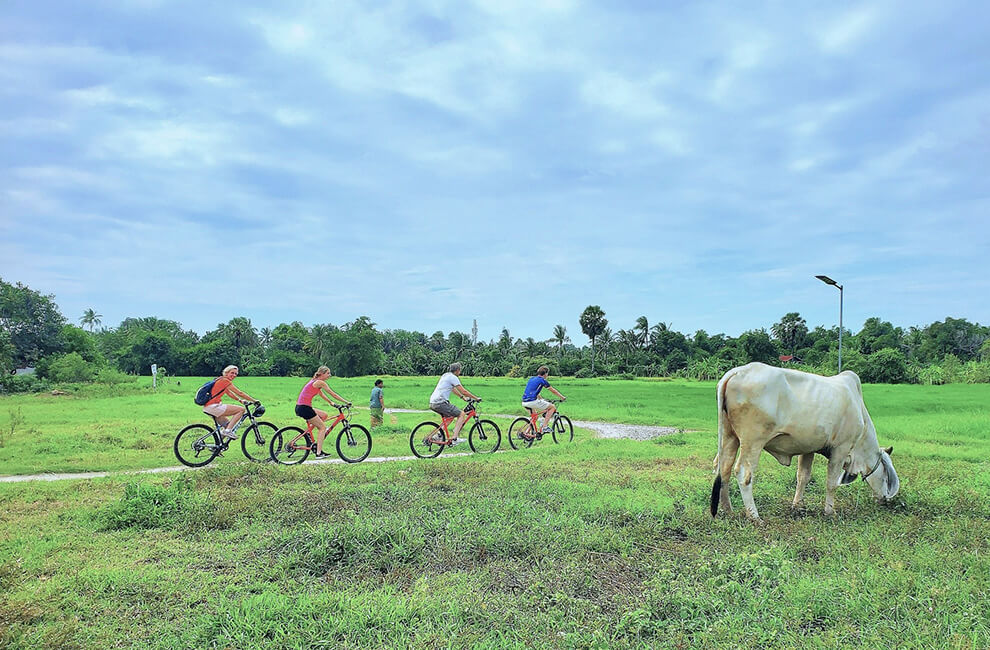
Bike Tours to Remote Villages
- Popular Routes:
- Kro Bei Riel Loop – Passes through farms and Buddhist pagodas.
- Tonle Sap Floating Villages – Combines countryside cycling with a boat trip.
- Stops Along the Way: Local markets, rice fields, and artisan workshops.
Guided Walking Tours
- Village Walks: Stroll through rural paths, meeting farmers, monks, and artisans.
- Nature Trails: Some eco-tours include bird-watching near wetlands.
Floating Village & Tonle Sap Lake Excursions
While not strictly “countryside,” the floating villages near Siem Reap offer a unique rural experience.
- Kampong Phluk: A stilted village surrounded by flooded forests.
- Chong Kneas: The closest floating village to Siem Reap, with fish markets and boat tours.
- Activities:
- Boat rides through water-based communities.
- Visiting fish farms and mangrove forests.
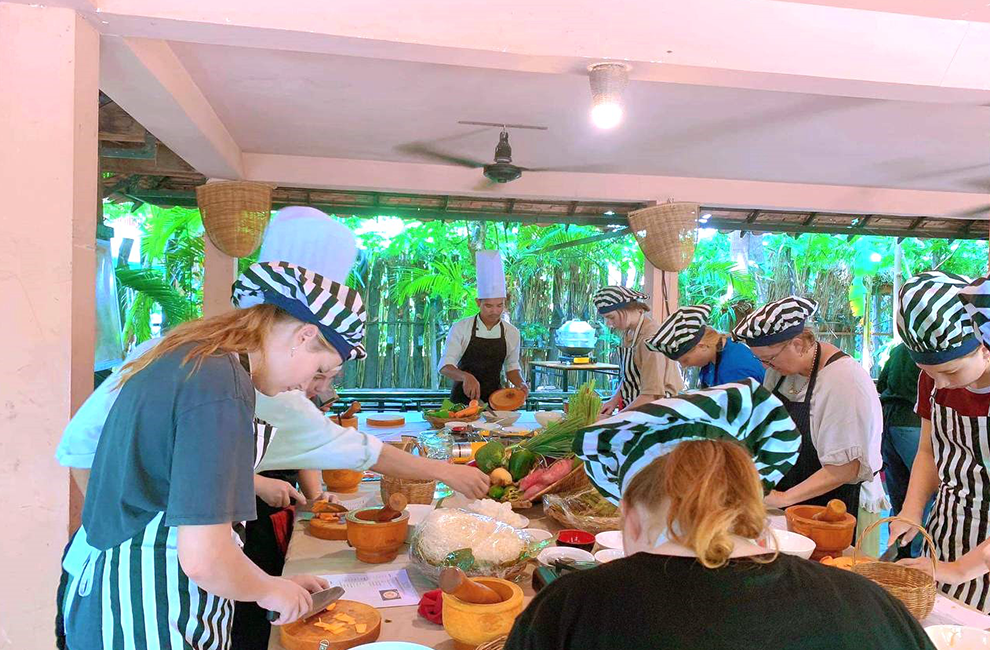
Cooking Classes in a Rural Setting
Several countryside cooking schools offer farm-to-table experiences:
- Visit a Local Market: Pick fresh herbs, vegetables, and spices.
- Harvest Ingredients: Collect rice, coconut, or vegetables from a garden.
- Cook in a Village Home: Learn to prepare dishes like Amok Curry, Green Mango Salad, or Beef Lok Lak.
Sunset & Relaxation in the Countryside
After a day of activities, unwind with:
- Sunset at Rice Fields: Many tours end with a peaceful sunset view over the paddies.
- Picnic with Locals: Some experiences include a countryside meal with a host family.
Best Time for Siem Reap Countryside Tours
- Dry Season (November-April): Ideal for cycling and walking.
- Wet Season (May-October): Lush green landscapes, great for photography.
How to Book a Countryside Tour in Siem Reap?
- Local Tour Operators: Many agencies offer half-day or full-day countryside tours.
- Eco-Tourism Projects: Support community-based tourism initiatives.
- Self-Guided Exploration: Rent a bike or tuk-tuk and explore at your own pace.
Final Thoughts: Why Explore Siem Reap’s Countryside?
Unlike the crowded temples, Siem Reap’s rural areas offer authentic, slow-paced, and immersive experiences. Whether you’re planting rice, weaving silk, or cycling through villages, these activities provide a deeper understanding of Khmer culture, traditions, and daily life.
For travelers seeking off-the-beaten-path adventures, the Siem Reap countryside is a must-visit destination.
FAQs about Siem Reap Countryside Life Activities
What kind of activities can I experience in a Siem Reap countryside village?
Visitors can engage in activities like rice farming, ox-cart rides, traditional cooking classes, handicraft making (weaving, pottery), bicycle tours, and interacting with local families.
How do I visit a local village in Siem Reap’s countryside?
You can join a guided tour from Siem Reap city, book through a travel agency, or arrange a visit with a local homestay or community-based tourism organization.
Is it ethical to visit local villages in Siem Reap?
Yes, as long as you choose responsible tour operators that support community-based tourism, respect local customs, and contribute directly to villagers’ livelihoods.
What should I wear when visiting a rural village in Siem Reap?
Dress modestly (cover shoulders and knees) as a sign of respect. Light, breathable clothing and comfortable shoes are recommended for outdoor activities.
Can I participate in farming activities as a tourist?
Yes! Many tours include hands-on experiences like planting or harvesting rice, plowing fields with oxen, or tending to vegetable gardens.
Do villagers speak English?
Basic English may be spoken by some villagers, especially younger generations, but a guide or translator can help with deeper interactions.
What traditional foods might I try in a Siem Reap countryside village?
You might sample dishes like Amok (coconut fish curry), Bai Sach Chrouk (pork and rice), fresh spring rolls, or locally harvested fruits like mango and jackfruit.
Are there homestay options in Siem Reap’s countryside?
Yes, some villages offer homestays where you can sleep in a traditional wooden house, share meals with a host family, and experience daily rural life.
How does tourism benefit local villages in Siem Reap?
Responsible tourism provides income for families, preserves traditional crafts and farming methods, and encourages cultural exchange.
What’s the best time of year to visit a Siem Reap countryside village?
The dry season (November–April) is ideal for outdoor activities, while the rainy season (May–October) offers lush green landscapes and unique farming experiences.