
Welcome to Siem Reap, the vibrant soul of Cambodia and the gateway to the legendary Angkor temple complex. But if you think this town is just a base for temple-hopping, you’re missing the real story. The true magic of Siem Reap lies in the gentle chaos of its markets, the warmth of its people, the explosion of flavors in its food, and the quiet moments that happen far from the tourist trail.
This isn’t a standard list of top attractions. This is your local travel guides to Siem Reap, crafted to help you experience the city not as a passive observer, but as an engaged and respectful guest. We’ll dive deep into the hidden corners, the culinary secrets, and the cultural nuances that transform a good vacation into an unforgettable journey.
Why Listen to Us? A Note on Local Travel
Siem Reap has endured immense change, and tourism is its lifeblood. However, the “do it all in 48 hours” checklist approach often benefits large international chains more than the local community. By choosing to travel locally—eating at family-run stalls, hiring a dedicated tuk-tuk driver, and buying from artisans—you ensure your dollars directly support the people who call this place home. This guide is designed to help you do exactly that.
Siem Reap Short Break Tour
Siem Reap Budget Tour
Cambodia Expedition: Culture, History, Bike, Kayak
Part 1: Your Essential Pre-Trip Planning Guide
Best Time to Visit: It’s More Than Just Weather
- November – February (Cool & Dry Season): This is peak season for a reason. The weather is pleasant, with lower humidity and minimal rain. However, this also means higher prices and dense crowds at major temples.
- March – May (Hot Season): It gets hot. Temperatures can soar, making temple exploration a midday marathon. The advantage? Fewer tourists and a more laid-back atmosphere in town.
- June – October (Green Season): This is our top pick for the local traveler. Yes, it rains, but usually in short, dramatic bursts that clear to reveal lush, emerald-green landscapes. The countryside is at its most beautiful, the crowds are thin, and hotel prices are at their most attractive. You’ll see a different, more vibrant side of Siem Reap.

Visa and Entry Requirements
Most nationalities can easily obtain an e-Visa or a Visa on Arrival. Ensure your passport has at least six months’ validity and one blank page. The process is straightforward at Siem Reap International Airport (REP).
Budgeting Like a Local
Siem Reap can be as luxurious or as budget-friendly as you wish.
- Budget Traveler (~$30-40/day): Dorm beds ($5-8), local food ($1-3/meal), tuk-tuks for short trips ($1-2), and a focus on free/cheap activities.
- Mid-Range Traveler (~$50-150/day): Comfortable boutique hotel or guesthouse ($25-40), mix of local and mid-range restaurants, private tuk-tuk for temple tours ($15-20/day), and paid attractions.
- Luxury Traveler ($200+/day): High-end resorts, fine dining, private car tours, and exclusive experiences.
Part 2: The Ultimate Local’s Siem Reap Itinerary (3-5 Days)
This itinerary is designed to balance iconic sights with authentic local experiences.
Day 1: Temples & Town Immersion
- Morning (5:30 AM): Skip the Angkor Wat sunrise scrum. Instead, head to Srah Srang, the royal bathing pool. You’ll experience a serene, crowd-free sunrise that is just as magical.
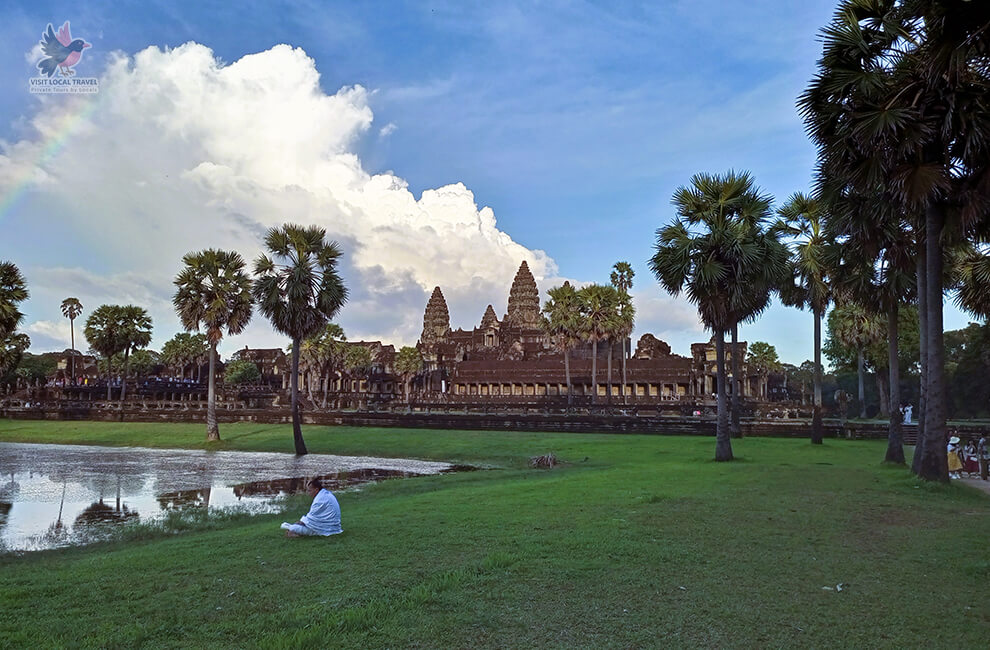
- Late Morning (9:00 AM): Now enter Angkor Wat. The sunrise crowds have dissipated. Take your time exploring the bas-reliefs and central towers.
- Lunch: Find a local spot near the temples. Your tuk-tuk driver will know a great place. Try Fish Amok or Lok Lak.
- Afternoon (3:00 PM onwards): Explore the walled city of Angkor Thom. Focus on the enigmatic faces of Bayon Temple and the terraces of the Elephants and Leper King.
- Evening: Your first taste of Siem Reap town. Stroll along the Siem Reap River, and then dive into the Old Market (Psar Chaa). It’s less overwhelming in the evening. For dinner, avoid the pushy servers of Pub Street and head to one of the side streets for a more authentic vibe.
Vacation in Siem Reap 5 Days, Best Trip in Cambodia
Siem Reap Highlight: 4-Day Cultural and Historical Exploration
Siem Reap, Battambang Discovery
Day 2: Deeper into the Jungle & Culture
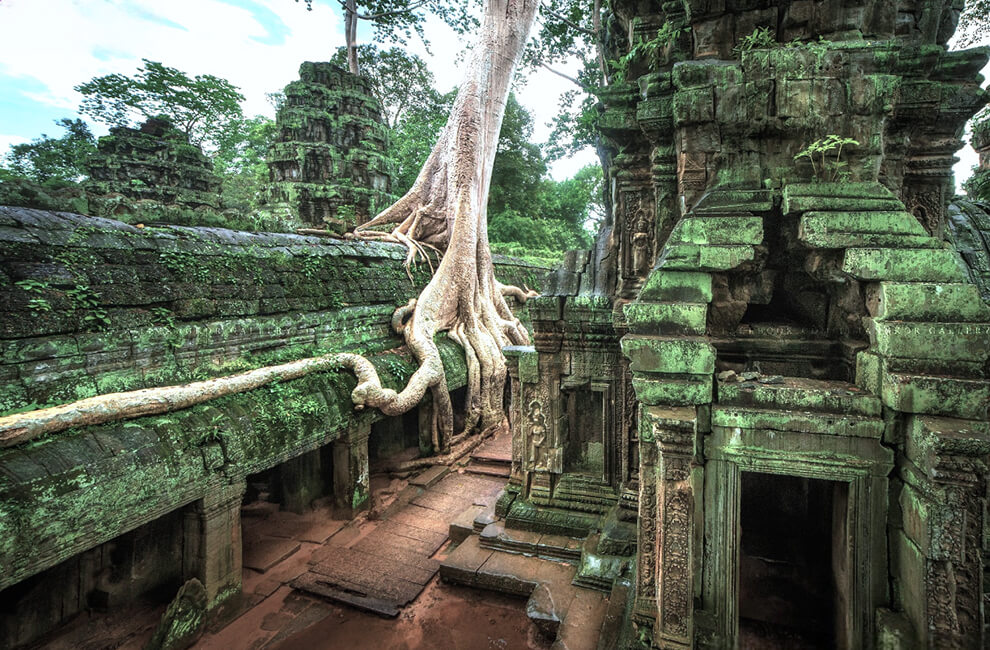
- Morning: Visit the mesmerizing Ta Prohm (the “Tomb Raider” temple), where nature and architecture intertwine. Then, walk to the nearby, often-overlooked Banteay Kdei for a quieter, similarly atmospheric experience.
- Afternoon: Cultural Deep Dive. Choose one:
- Option A (Artisans): Visit Artisans d’Angkor for a free tour to see skilled craftspeople carving stone, weaving silk, and working with wood. It’s a fantastic initiative supporting young Cambodians.
- Option B (Museum): The Angkor National Museum provides excellent context before or after your temple visits, with stunning displays of artifacts.
- Evening: Attend a Phare, The Cambodian Circus. This is not a typical circus; it’s a powerful performance of story, music, and acrobatics that tells stories of Cambodian history and life. It’s a world-class experience and supports a phenomenal social enterprise. Book tickets in advance.
Day 3: Beyond the Main Temples
- Full Day Trip: Hire a private tuk-tuk for the day (approx. $25-30) to go further afield.
- Banteay Srei: Known as the “Citadel of the Women,” this temple is carved from pink sandstone with the most exquisite, delicate details in all of Angkor. It’s a masterpiece.
- Beng Mealea: The ultimate temple adventure. This massive, jungle-enveloped ruin is largely unrestored. You walk on wooden planks over collapsed galleries, feeling like a true explorer. It’s what Angkor Wat must have felt like upon its rediscovery.
- Stop at a Local Village: Ask your driver to take you through a nearby village to see rural Cambodian life in action.
Day 4 & 5: The True Local Experience
- Take a Cooking Class: A highlight for any food lover. We recommend a class that includes a market tour, like the one offered by Cooks in Tuk Tuk, where you’re driven to a local market in a tuk-tuk to select ingredients before learning to cook classic Khmer dishes.
- Explore the Countryside by Bike: Several operators run bike tours through the picturesque rice paddies and villages surrounding Siem Reap. It’s a peaceful and eye-opening way to connect with the landscape.
- Volunteer for a Few Hours: Consider spending a morning at a reputable organization. Sala Bai Hotel & Restaurant School trains young Cambodians in hospitality, and they sometimes welcome visitors for tours or to dine at their training restaurant.

Part 3: Eating & Drinking Like a Local
Forget Pub Street for anything more than a quick look. The real food scene is elsewhere.
- Breakfast: Join the locals at a congee (rice porridge) stall. Okay 1 Congee near the Old Market is an institution.
- Lunch: Hunt down a Khmer Set Menu restaurant. For a few dollars, you get a sampler of 3-4 dishes. It’s the best way to try a variety of flavors.
- Street Food Snacks:
- Nom Banh Chok: Cambodia’s signature breakfast—rice noodles with a light fish-based green curry gravy.
- Kralan: Sticky rice with beans and coconut milk, cooked inside a bamboo tube.
- Fresh Fruit Shakes: Available on every corner. Try soursop or dragon fruit!
- Dinner: For a truly special meal, book a table at Cuisine Wat Damnak, run by acclaimed chef Joannès Rivière. Their tasting menus are a culinary journey through Cambodia’s unique ingredients.
Part 4: Responsible Travel in Siem Reap: How to Be a Good Guest
This is the most important section of this guide.
- Dress Respectfully: Cover your shoulders and knees when visiting temples and pagodas. This is a sign of respect in a sacred space.
- Support the Local Economy: Hire a tuk-tuk driver for multiple days. Eat at local markets. Buy souvenirs from places like Samatoa Lotus Farm or Artisans d’Angkor.
- Interact with Respect: Always ask permission before taking photos of people, especially monks. Learn a few words of Khmer: “Sua s’dei” (Hello), “Aw kun” (Thank you).
- Avoid Harmful Practices: Do not give money or candy to children. It encourages begging and can keep them out of school. If you wish to help, donate to a reputable NGO like the Angkor Hospital for Children.
- Bargain Fairly: Bargaining is expected in markets, but do it with a smile. Remember that a few thousand Riel (a few dozen cents) means more to the vendor than it does to you.
Part 5: Practical Local Tips for Your Trip
Getting Around: The tuk-tuk (remork) is king. Find a driver you like and stick with him. For shorter trips, use the PassApp or Grab ride-hailing apps for fixed-price, hassle-free rides.
- Money: The US Dollar is widely used (bring crisp, new bills). The Cambodian Riel is used for small change (e.g., $1 = 4000 Riel). You’ll often get a mix of both, here is currency guide in Cambodia.
- Temple Passes: You must purchase an Angkor Archaeological Park pass. It is NOT sold at the temples themselves, but at the official ticketing center on the road into the park. You need your passport. (1-day: $37, 3-day: $62, 7-day: $72).
- Health: Drink only bottled or filtered water. Mosquitoes are prevalent, so use a strong repellent, especially at dusk.
Your Journey Awaits
Siem Reap is a city that reveals its secrets slowly and generously to those who are willing to look beyond the obvious. It’s in the smile of the old woman selling fruit, the cool shade of a forgotten temple corridor, and the shared laughter over a meal with new friends.
Use these local travel guides as your starting point, but let your own curiosity be your compass. Come with an open heart, travel responsibly, and you will leave with a piece of Siem Reap’s beautiful, resilient spirit forever with you.