
Cambodia, the Kingdom of Wonder, is a destination that captivates the soul. From the awe-inspiring temples of Angkor Wat in Siem Reap to the vibrant capital of Phnom Penh and the pristine islands of the south, it offers an unforgettable blend of ancient history and vibrant modern culture, this Essential Information for tourists should know before visit Cambodia. However, a smooth and enriching journey requires careful preparation. This essential guide for 2026 will walk you through every critical detail, from entry formalities to cultural nuances, ensuring you are fully equipped for your Cambodian adventure.
Entry Requirements & Documentation – Your Gateway to Cambodia
Navigating the entry process smoothly is the first step to a stress-free holiday. The rules have evolved in recent years, so paying close attention is crucial.
1. Visa: Securing Your Permission to Enter
Most nationalities require a Tourist Visa (Type-T) for a stay of up to 30 days. You have three primary options, with the first two being the most common:
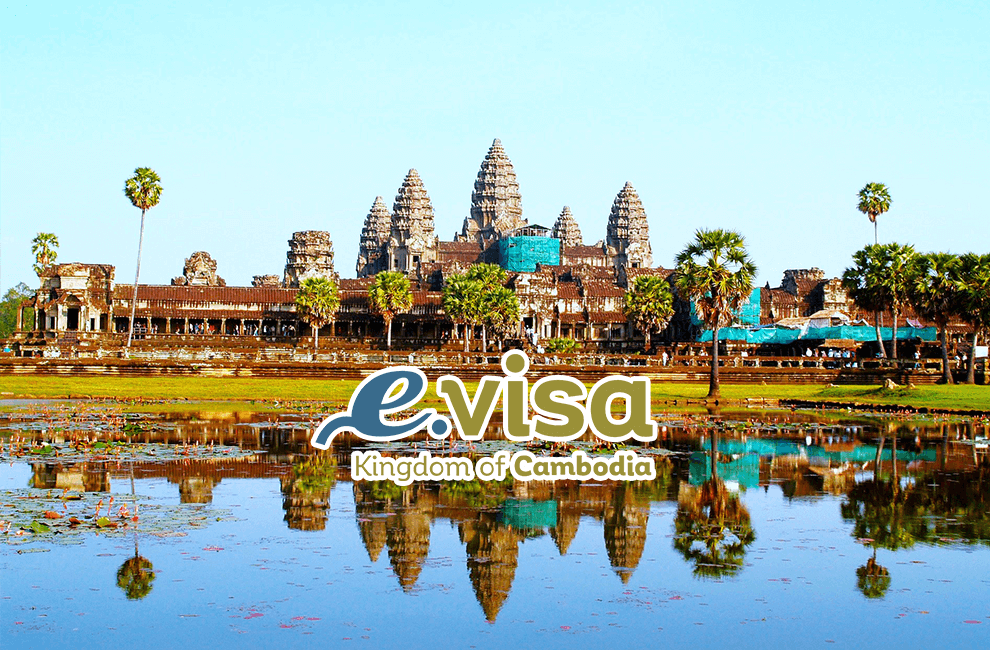
- E-Visa (Recommended): The most efficient method is to apply online for an e-visa before you travel. The official website is easy to use, and having your visa approved in advance eliminates stress and queues upon arrival. You will receive a digital copy to print and present at immigration. This is highly advised to avoid any potential delays.
- Visa on Arrival (VOA): Available at major international airports (Phnom Penh and Siem Reap) and some land border crossings. You’ll need to fill out a form, provide a passport-sized photo, and pay the fee in cash (USD). While convenient, lines can be long, especially during peak season.
- Visa from an Embassy: For those who prefer the traditional route or are planning a longer stay, you can apply for a visa at a Cambodian embassy or consulate in your home country.
2. Passport Validity – The Six-Month Rule
This is non-negotiable. Your passport must be valid for at least six months beyond your date of entry into Cambodia. Additionally, ensure it has at least one completely blank visa page for the entry stamp. Travelers have been turned away for not meeting these requirements, so double-check your passport well in advance.
Vacation in Siem Reap 5 Days, Best Trip in Cambodia
Siem Reap Highlight: 4-Day Cultural and Historical Exploration
Siem Reap, Battambang Discovery
3. The Mandatory E-Arrival Card
As of July 1, 2024, Cambodia has implemented a digital E-Arrival Card system for all air travelers. This is mandatory.
- What it is: An online form where you provide your personal, travel, and health information.
- When to do it: You must complete this within 7 days prior to your arrival in Cambodia.
- How to do it: The process is done online via an official government website or app. You will receive a QR code upon completion, which you present to immigration officers. Filling it out in advance will significantly speed up your arrival process.
4. Travel Insurance – Your Safety Net
While not always mandatory for entry, comprehensive travel health insurance is highly recommended, if not essential. Medical facilities in Phnom Penh and Siem Reap are adequate for standard issues, but outside these cities, they are very limited. Serious illnesses or accidents often require medical evacuation to Bangkok or Singapore, which is extremely expensive. Your policy should explicitly cover:
- Emergency medical treatment and hospitalization.
- Emergency medical evacuation (repatriation).
- Trip cancellation and lost luggage for broader protection.
Understanding how money works in Cambodia is key to managing your budget and avoiding confusion.
1. The Dual Currency System: USD and KHR
Cambodia operates on a unique dual-currency system.
- US Dollar (USD): The de facto primary currency for tourists. It is used for larger transactions: hotel bills, tour guides, entrance fees (like Angkor Wat), and in most restaurants. Prices for significant items are almost always quoted in USD.
- Cambodian Riel (KHR): The official national currency, used for smaller, everyday transactions. You will receive Riel as change for USD payments when the amount is less than $1 (approximately 4,000 Riel). It’s perfect for buying street food, drinks from a stall, or small market souvenirs.
2. Cash is King: The Art of Carrying Money
Cambodia remains a heavily cash-based society.
- Carry Small Bills: Always have a stash of small denomination USD bills ($1, $5, $10). Vendors, tuk-tuk drivers, and market stalls often cannot change $50 or $100 bills. A torn or heavily damaged US bill will almost certainly be rejected.
- Use Riel for Small Purchases: Embrace using Riel for things under a dollar. It’s often easier and you’ll avoid accumulating too much local currency.
3. ATMs and Credit Cards
- ATMs: Widely available in cities and tourist towns. They almost exclusively dispense US Dollars, with a withdrawal fee. Inform your bank of your travel plans to avoid your card being blocked.
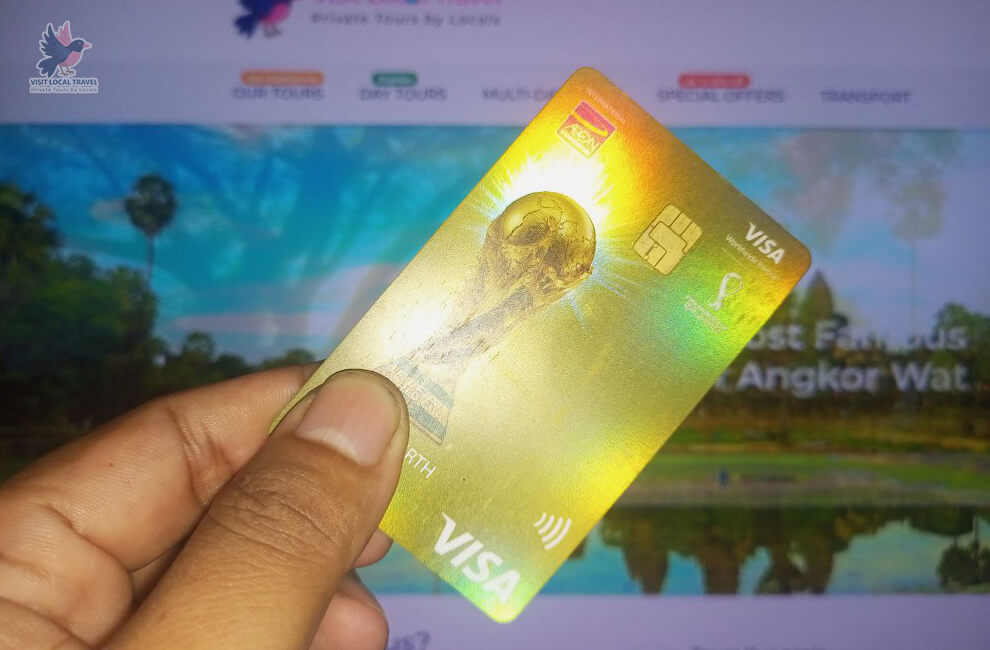
- Credit Cards: Accepted at most hotels, high-end restaurants, and souvenir shops in tourist areas. However, do not rely on them for daily expenses. Local markets, street food vendors, and tuk-tuks are strictly cash-only.
4. The Polite Dance of Bargaining
Bargaining is a standard and expected part of the shopping culture in markets and for transport like tuk-tuks.
- Do it with a Smile: Approach it as a friendly interaction, not a confrontation. Start by offering about 50-60% of the initial asking price and negotiate from there.
- Know When to Bargain: It is appropriate for souvenirs, clothing in markets, and unmetered transport. It is not appropriate in fixed-price stores, restaurants, or with metered taxis.
- Be Prepared to Walk Away: This is the most powerful tool in your bargaining arsenal.
Health and Safety – Staying Well and Secure
Your health and safety are paramount. A few simple precautions will ensure you can focus on the wonders around you.
1. Water and Food Safety
- Tap Water: Do not drink tap water. Stick to sealed bottled water, which is cheap and widely available. Use it for brushing your teeth as well. Exception: Tap Water in the Angkor Wat area is clean and safe for tourists to drink and refill their bottles.
- Ice: Be cautious with ice. In established restaurants and hotels, the ice is usually made from purified water and is safe. Avoid ice in dubious street stalls or rural areas.
- Food: Eat at busy places where the high turnover likely means the food is fresh. Peel your own fruit and avoid raw salads that may have been washed in tap water.
2. Vaccinations and Medical Precautions
Consult a travel clinic or your doctor at least 6-8 weeks before your trip. Standard recommended vaccinations often include:
- Routine Vaccines: MMR, Tetanus-Diphtheria-Pertussis.
- Hepatitis A & Typhoid: Transmitted through contaminated food and water.
- Hepatitis B: For those who might have medical procedures or intimate contact.
- Considerations: Rabies is present in Cambodia. The vaccine is recommended for long-term travelers, those working with animals, or people visiting remote areas. Japanese Encephalitis may be recommended for travelers spending a month or more in rural areas, especially during the rainy season.
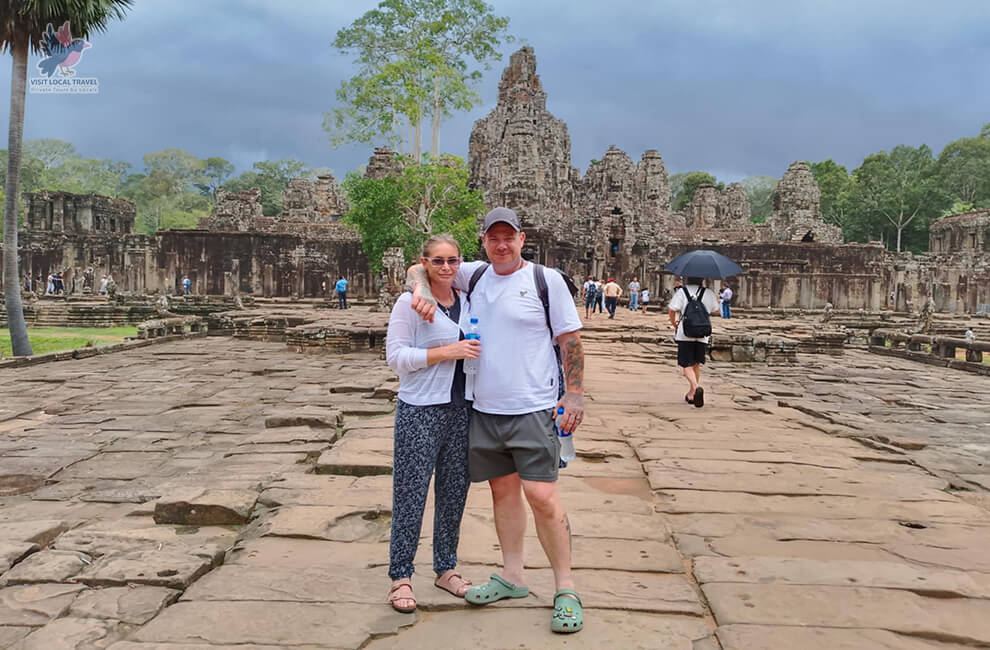
Angkor Wat Adventure
3. Mosquito-Borne Illnesses
Dengue fever is a risk in urban and rural areas, while malaria is a concern primarily in remote, forested regions near borders.
- Prevention is Key: Use a strong insect repellent containing DEET, Picaridin, or Oil of Lemon Eucalyptus.
- Cover Up: Wear long-sleeved shirts and long pants, especially during dawn and dusk when mosquitoes are most active.
- Accommodation: Choose rooms with air conditioning or screened windows.
4. Personal Safety and Landmines
- Petty Crime: As in many tourist destinations, be vigilant against bag snatching and pickpocketing, particularly in crowded areas of Phnom Penh and Sihanoukville. Keep bags closed and secured, don’t flash expensive jewelry or electronics, and be especially cautious when riding in a tuk-tuk.
- Transport: Use reputable taxi companies or ride-hailing apps like Grab or PassApp. Avoid walking alone in poorly lit areas at night.
- The Landmine Legacy: Cambodia has a tragic history with landmines and unexploded ordnance (UXO). Never venture off well-trodden paths, especially in rural areas, near the Thai border, or in the former conflict zones in the northwest. Always follow marked trails and heed local warning signs.
Culture and Etiquette – Respecting the Kingdom of Wonder
Cambodians are famously gentle and hospitable people. Showing respect for their customs will deeply enrich your interactions.
1. Dress Modestly
Cambodia is a conservative Buddhist country. While beach resorts are relaxed, you should dress modestly in towns and cities.
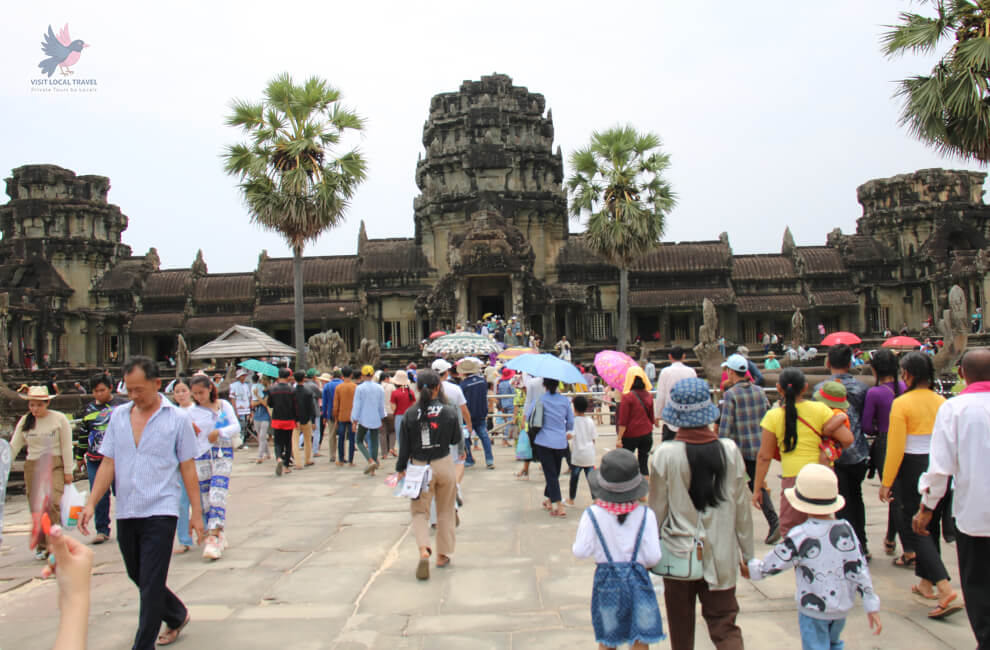
- Temples & Pagodas: This is strictly enforced. You must cover your shoulders and knees to enter any religious site, including Angkor Wat. Carrying a light scarf or sarong is a great way to be prepared.
- General Public: Avoid wearing revealing clothing like short shorts and tank tops in public to show respect and avoid unwanted attention.
- Respect for the Head and Feet: The head is considered the most sacred part of the body; never touch anyone’s head. The feet are the lowest and dirtiest; never point your feet at people or religious icons (like a Buddha statue).
- Shoes Off: Always remove your shoes before entering someone’s home and, of course, any temple building.
- Interacting with Monks: Women must never touch a monk or hand anything directly to them. If a woman needs to give something to a monk, she should place it down for him to pick up, or pass it through a man.
- Gestures: Avoid pointing with your index finger; it’s more polite to gesture with your whole hand. Beckoning someone with a finger pointed up is considered rude.
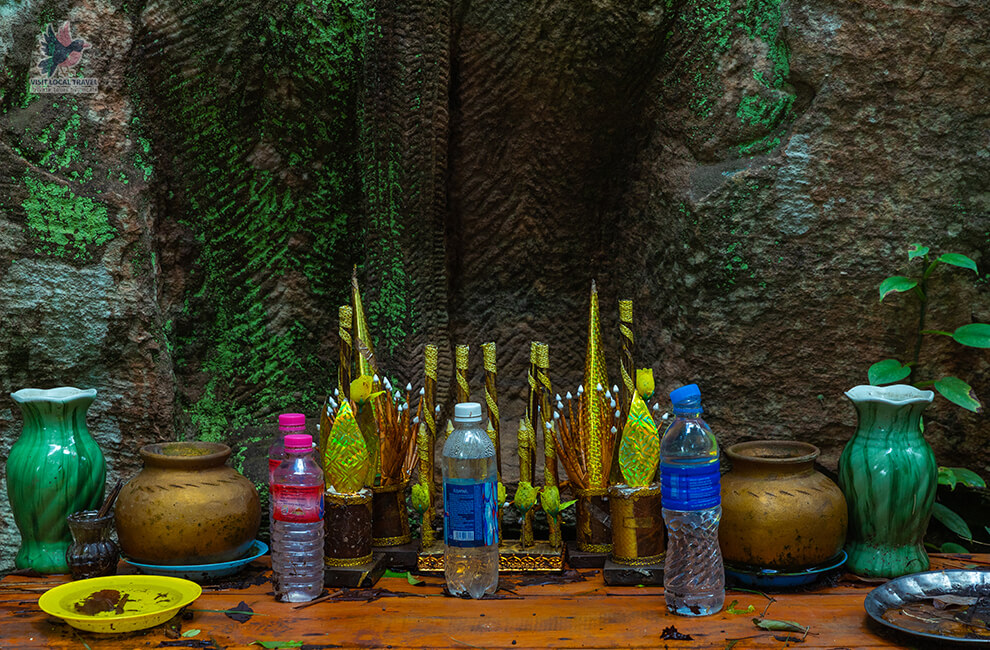
3. Photography and Language
- Ask First: Always ask for permission before taking a close-up photograph of a local person, especially monks. A smile and a gesture with your camera is usually understood.
- Learn a Few Words: While English is common in the tourist industry, learning a few words of Khmer will be met with delighted smiles.
- Hello: Joom-reap-suor (formal) / Suor-sdey (informal)
- Thank You: Aw-koon
- Yes: Baht / No: Ot-teh.
Internet and Communication – Staying Connected
Staying online in Cambodia is remarkably easy and affordable, allowing you to navigate, translate, and share your experiences effortlessly.
- Local SIM Cards: Upon arrival at any international airport, you will find kiosks for major telecom providers like Smart, Cellcard, and Metfone. Purchasing a local SIM card with a data package is very cheap and provides excellent 4G coverage in all cities and tourist areas. You’ll usually need your passport for registration.
- Network Coverage: Coverage is generally very good in urban centers, towns, and along major highways. It can be patchy or non-existent in very remote rural areas or on some of the smaller islands.
- Public Wi-Fi: Free Wi-Fi is commonly available in hotels, cafes, and restaurants in tourist zones. However, the speed and reliability can vary, and public networks are not always secure. For important transactions, using your mobile data is safer.

Shopping, Bargaining, and Tipping – A Guide to Local Transactions
Navigating markets and understanding tipping etiquette are key skills for any visitor.
1. Shopping and Bargaining: The Polite Dance
Bargaining is a standard and expected part of the shopping culture in markets and for transport like tuk-tuks. It is not about “winning,” but about reaching a mutually agreeable price.
- Where to Bargain: Appropriate in markets (like Phnom Penh’s Russian Market or Siem Reap’s Angkor Night Market), with souvenir vendors, and for unmetered transport (tuk-tuks, remorques). Not appropriate in shopping malls, fixed-price boutiques, supermarkets, restaurants, or with metered taxis.
- How to Bargain:
- Start with a Smile: Approach it as a friendly interaction, not a confrontation.
- Do Your Research: Have a rough idea of what an item is worth. Start by offering about 50-60% of the initial asking price and negotiate from there.
- Be Polite and Patient: Never get angry or aggressive. A laugh and a smile go a long way.
- Be Prepared to Walk Away: This is often the most effective way to get a vendor to agree to your final price.
- What to Buy: Cambodia is famous for its silk scarves and clothing, stone and wood carvings, pepper from Kampot, traditional handicrafts, and original artwork.
2. Local Customs and Tipping Guide
Tipping is not a traditional part of Khmer culture, but it has become common and appreciated in the tourist industry due to the low wage economy.
- Restaurants: In casual local eateries, tipping is not expected. In mid-range to upscale restaurants, leaving a 5-10% tip or the small change from your bill is a generous gesture, especially if service is good. Some higher-end places may add a 10% service charge.
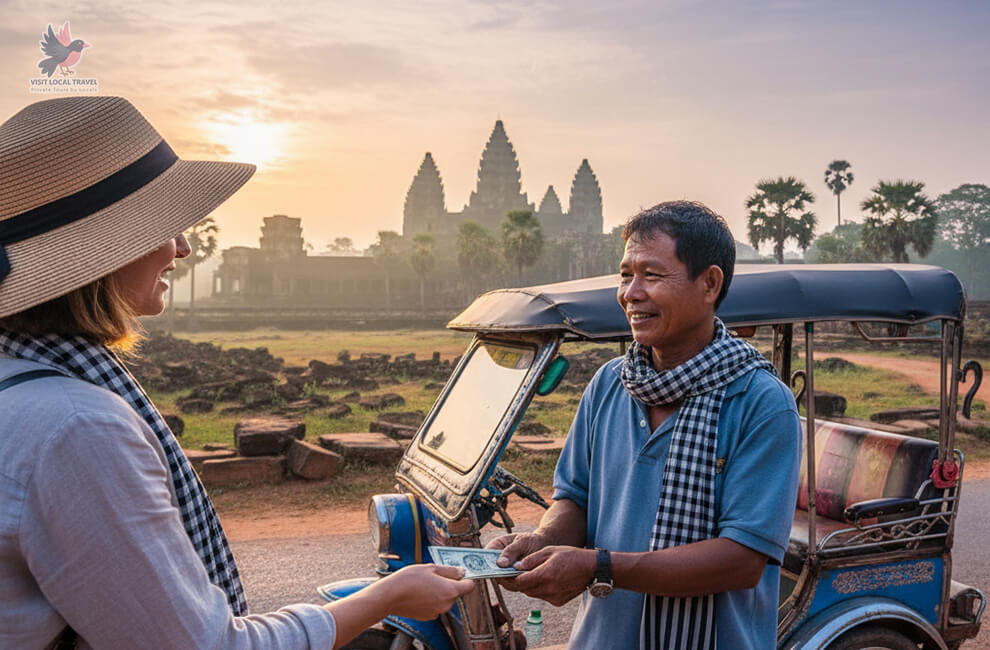
- Tuk-tuk and Taxi Drivers: For a short trip, rounding up the fare is appreciated (e.g., pay $2 for a $1.50 fare). For a driver who has been with you for a full day, a tip of $5-$10 is very welcome and helps ensure excellent service.
- Hotel Staff: Tip porters $2-$5 per bag. Leaving a small daily tip ($2-$5) for housekeeping is a thoughtful practice.
- Tour Guides: For a private tour guide, a tip of $10-$20 per day, depending on the quality and size of your group, is standard. For drivers of tour groups, a separate tip of $5-$10 per day is appropriate.
Best Time to Visit – Choosing Your Season
Cambodia has two distinct seasons, each offering a different experience.
- The Dry Season (November to April): This is the peak tourist season. The weather is generally sunny and less humid, with cooler temperatures from November to February. It’s the ideal time for temple exploration and photography. Be prepared for higher prices and more crowds, especially around Christmas and New Year.
- The Wet Season (May to October): Characterized by heavy, but usually brief, afternoon downpours. The countryside is stunningly lush and green, and the moats around Angkor Wat are full. This season offers fewer tourists, lower prices, and a more atmospheric experience. The rains rarely disrupt an entire day’s plans.
Final Thought
Cambodia is a country that will leave a lasting impression on you. By arriving prepared with the right documents, a understanding of local customs, and a mindful approach to health and safety, you are setting the stage for a journey that is not only seamless but also deeply respectful and profoundly memorable. Welcome to the Kingdom of Wonder – your 2026 adventure awaits.