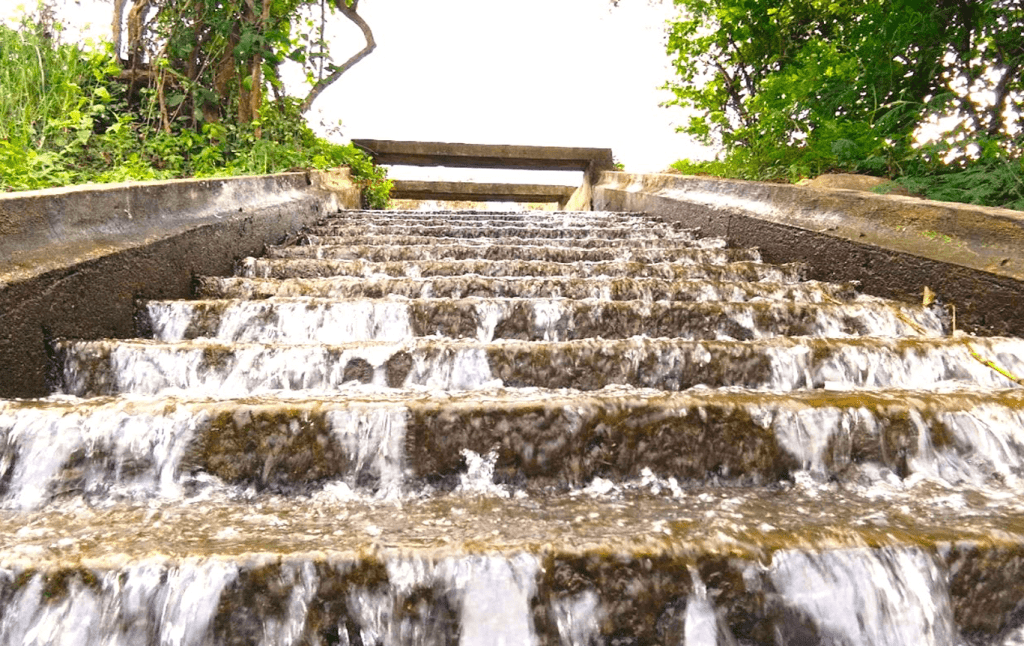
How to Join Siem Reap Golf Tour Events

If you are an avid golfer looking for a unique and unforgettable experience, joining Siem Reap Golf Tour Events is the perfect choice for you. Siem Reap, located in Cambodia, is home to some of the most stunning golf courses in Southeast Asia, offering a perfect blend of challenging fairways and breathtaking scenery. In this article, we will guide you on how to join these exclusive golf events and make the most out of your golfing experience in Siem Reap.

Experience the Best Golf Courses in Siem Reap

One of the highlights of joining Siem Reap Golf Tour Events is the opportunity to play on world-class golf courses. From the award-winning Angkor Golf Resort to the challenging Nick Faldo-designed course at Angkor Golf Club, Siem Reap offers a variety of courses to suit every golfer’s skill level. Whether you are a beginner or a seasoned pro, you will find the perfect course to test your skills and enjoy a day out on the greens.

Expert Guidance and Coaching

When you join Siem Reap Golf Tour Events, you can benefit from expert guidance and coaching to improve your game. Professional golf instructors are available to provide personalized tips, techniques, and advice to help you enhance your skills and reach your full potential on the course. Whether you are looking to perfect your swing, improve your putting, or learn new strategies, the expert coaches at Siem Reap Golf Tour Events have got you covered.
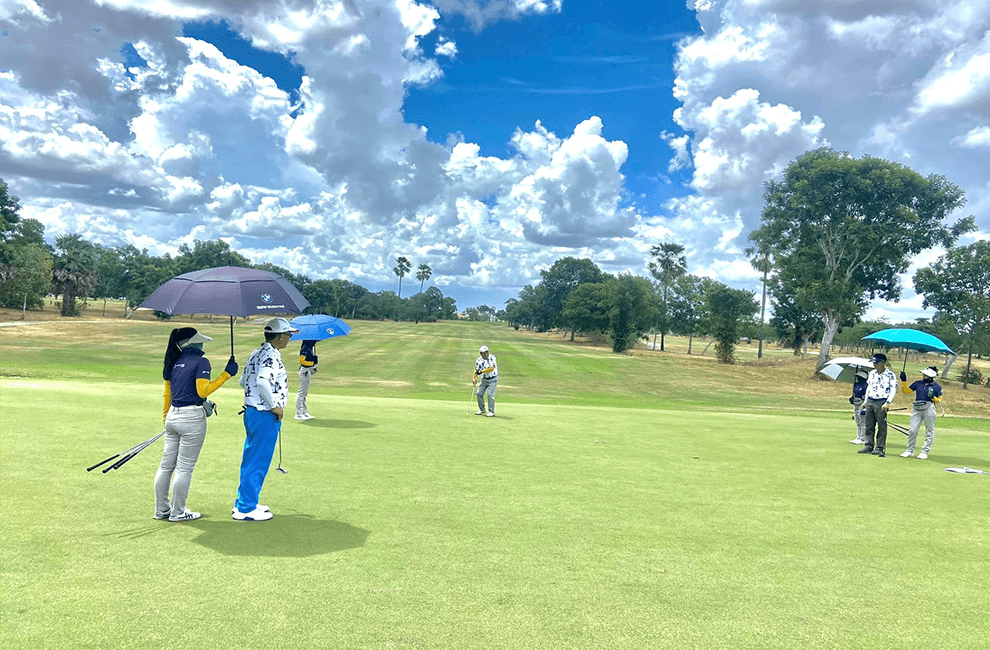
Siem Reap Golf Tour

How to Join Siem Reap Golf Tour Events

  1. Choose Your Preferred Event: Browse through the upcoming golf events in Siem Reap and select the one that fits your schedule and preferences. Example like Angkor Amateur Open organized by Angkor Golf Resort.
  2. Register Online: Once you have chosen the event, register online through the official website of Siem Reap Golf Tour Events. Fill in your details, select your preferred tee time, and make the necessary payment to secure your spot.
  3. Prepare Your Golfing Gear: Make sure to pack your golfing gear, including clubs, balls, tees, and attire, to ensure you are ready for a day of golfing fun in Siem Reap.
  4. Arrive at the Venue: On the day of the event, arrive at the designated golf course in Siem Reap on time. Check in with the event organizers, collect your scorecard, and warm up before teeing off.
  5. Enjoy the Event: Once the event kicks off, enjoy the friendly competition, stunning views, and camaraderie with fellow golfers. Play your best game, soak in the beauty of the surroundings, and create lasting memories on the course.

Expert Tips for a Successful Golfing Experience in Siem Reap

  • Stay Hydrated: The tropical climate in Siem Reap can be hot and humid. Make sure to stay hydrated by drinking plenty of water throughout your round.
  • Apply Sunscreen: Protect your skin from the sun’s harmful rays by applying sunscreen before heading out on the course.
  • Embrace the Challenges: Siem Reap’s golf courses may pose challenges such as water hazards and bunkers. Embrace the challenges, stay focused, and approach each shot with confidence.
  • Relax and Have Fun: Remember to relax, enjoy the game, and have fun while playing golf in Siem Reap. Take in the stunning views, connect with fellow golfers, and savor the experience.
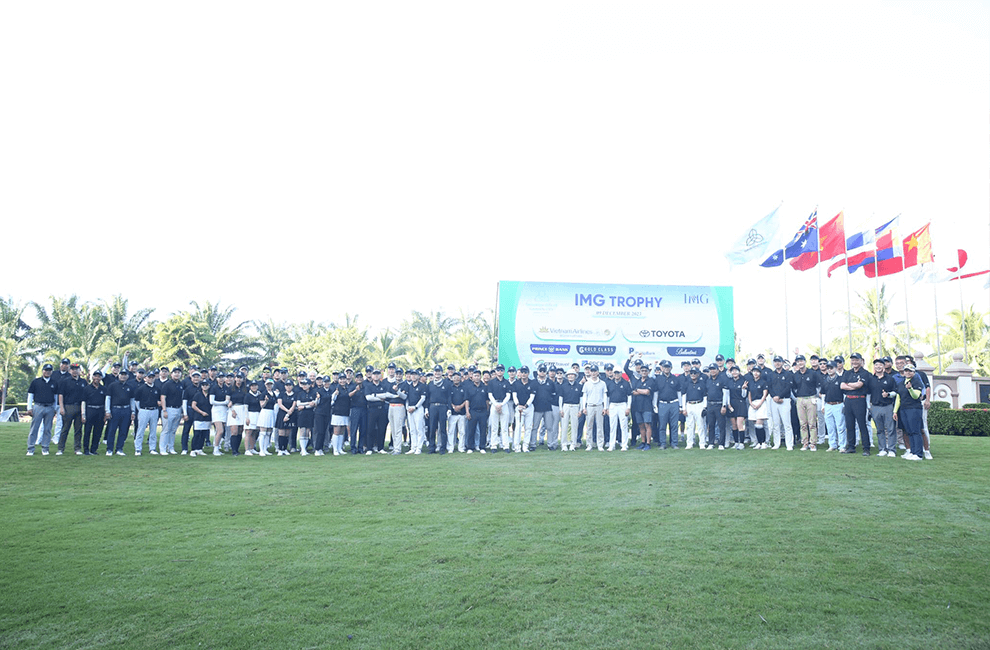
Cambodia Golf Event

In conclusion, Joining Siem Reap Golf Tour Events is a fantastic opportunity to play on world-class courses, receive expert coaching, and create unforgettable memories on the greens. Follow the steps outlined in this article to join these exclusive events and make the most out of your golfing experience in Siem Reap. So, what are you waiting for? Pack your golfing gear, book your spot, and get ready for a golfing adventure of a lifetime in Siem Reap!
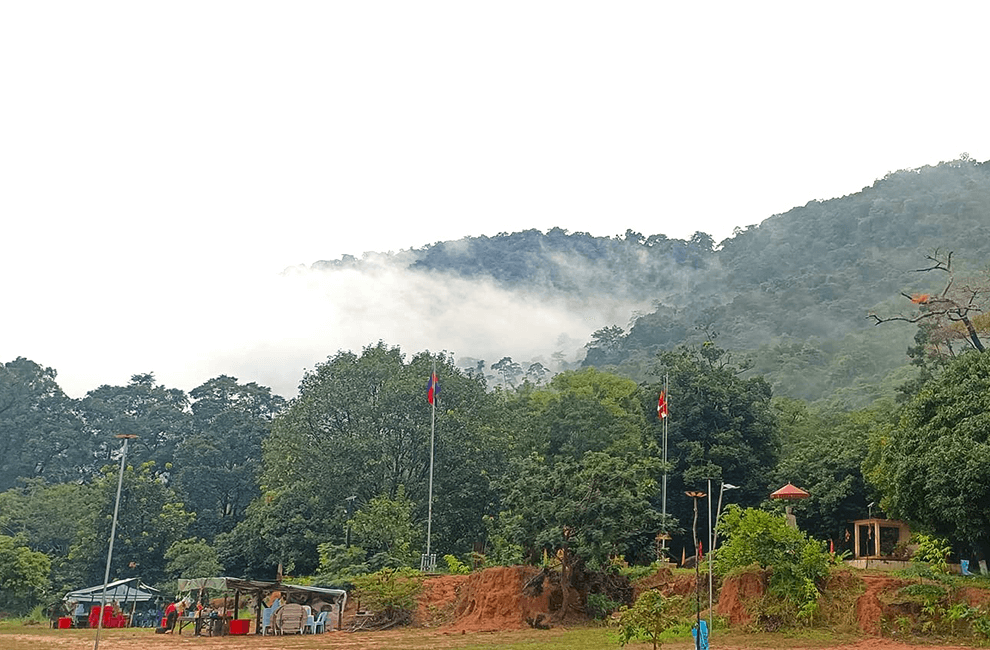
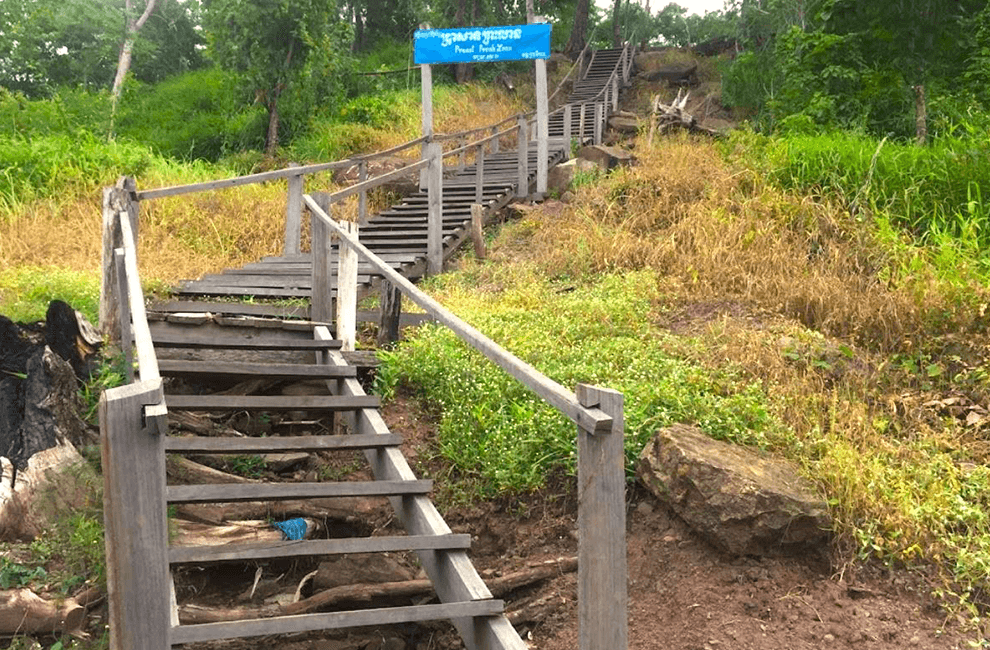
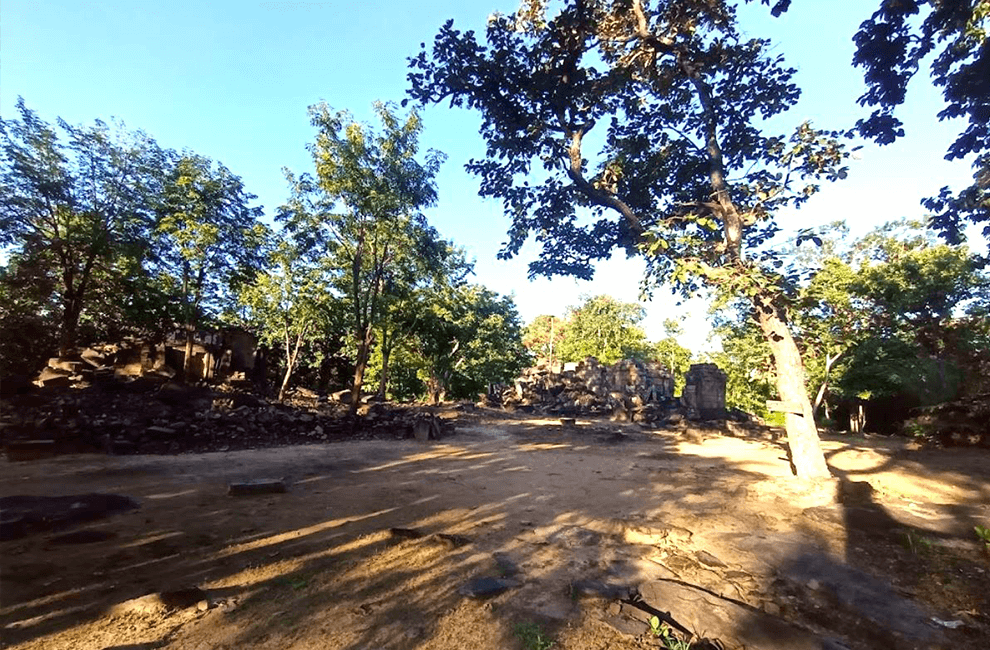
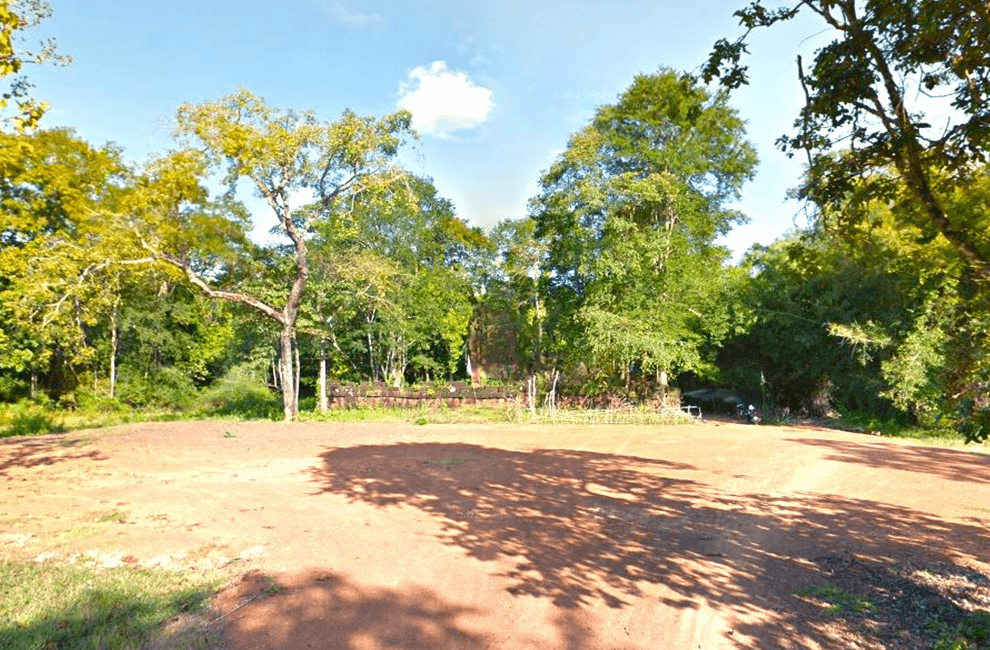
Wat Peoung Preah Kou Preah Keo

Are you looking for a hidden gem to explore in Cambodia? Look no further than Wat Peoung Preah Kou Preah Keo is located in Krang Dong Village, Preah Khleang Commune, Tbaeng Mean Chey District, Preah Vihear Province, Cambodia. This ancient temple complex is steeped in history and offers a unique and immersive cultural experience for visitors. In this article, we will delve into the history of Wat Preoung Preah Kou Preah Keo, how to get there, travel activities, where to eat, and provide a comprehensive travel guide for anyone looking to visit this fascinating site.

History of Wat Peoung Preah Kou Preah Keo

Dating back to the Angkorian period, Wat Preoung Preah Kou Preah Keo is believed to have been constructed under King Yasovarman I’s rule in the early 10th century. The temple complex served as a place of worship and meditation for the local community, and its stunning architectural design reflects the artistic and spiritual beliefs of the time. Despite the passage of centuries, the intricate carvings and architectural details of the temple have been well-preserved, providing visitors with a glimpse into Cambodia’s rich cultural heritage.

Wat Peoung Preah Kou Preah Keo

How to Get There

Located in Preah Vihear Province, Wat Preoung Preah Kou Preah Keo is easily accessible by car or tuk-tuk from the nearby town of Phnom Kbal Trach. The journey takes approximately 30 minutes, and the road leading to the temple offers breathtaking views of the surrounding countryside. Visitors can also opt to hire a local guide to navigate the area and provide insights into the temple’s history and significance.

Travel Activities

Upon arriving at Wat Preoung Preah Kou Preah Keo, visitors can embark on a self-guided tour of the temple complex, exploring its various chambers, courtyards, and shrines. Photography enthusiasts will delight in capturing the intricate details of the temple’s architecture, while history buffs can immerse themselves in the cultural significance of the site. Additionally, visitors can participate in traditional ceremonies and rituals held at the temple, providing a unique and authentic cultural experience.

Where to Eat

After a day of exploration, visitors can indulge in delicious Cambodian cuisine at the local eateries near Wat Preoung Preah Kou Preah Keo. From hearty noodle soups to flavorful curries, there is a wide range of options to satisfy any palate. Be sure to try some local delicacies such as fish amok and banana blossom salad for a truly authentic dining experience.

Travel Guide

For those planning a visit to Wat Preoung Preah Kou Preah Keo, it is recommended to wear comfortable clothing and sturdy footwear, as the temple complex involves walking on uneven terrain. Additionally, be mindful of local customs and traditions when visiting the site, and respect the temple’s sacred nature by refraining from loud noises or disruptive behavior. Finally, don’t forget to bring sunscreen, a hat, and plenty of water to stay hydrated during your exploration of this historic site.

Wat Peoung Preah Kou Preah Keo

In conclusion, Wat Preoung Preah Kou Preah Keo in Preah Vihear Province offers a unique and immersive cultural experience for travelers seeking to delve into Cambodia’s rich history. From its ancient origins to its stunning architectural design, this temple complex provides a glimpse into the country’s vibrant past. Plan your visit today and discover the beauty and significance of Wat Preoung Preah Kou Preah Keo for yourself.

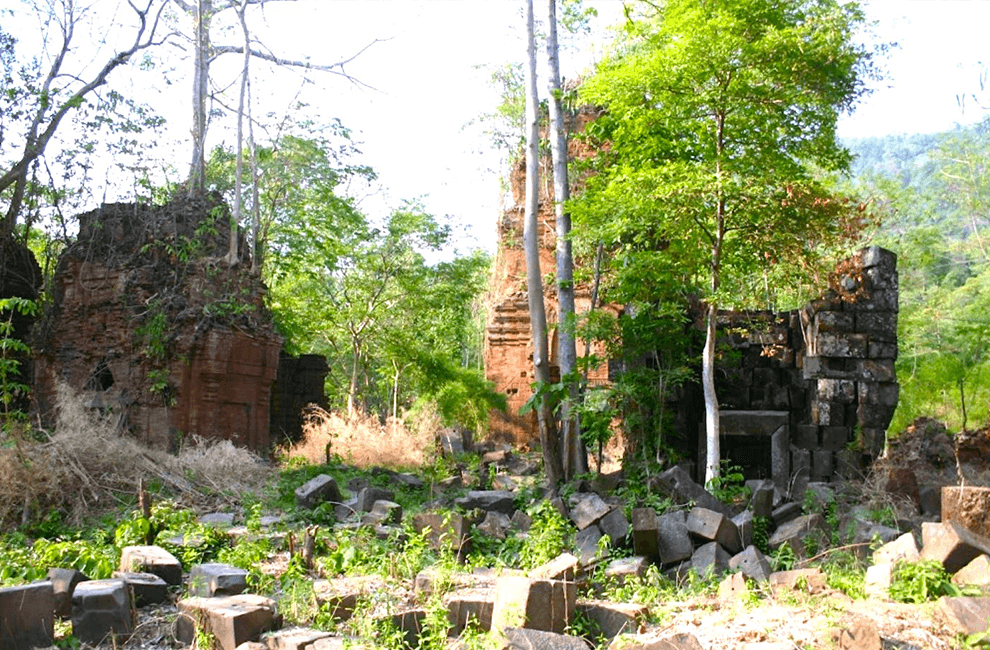
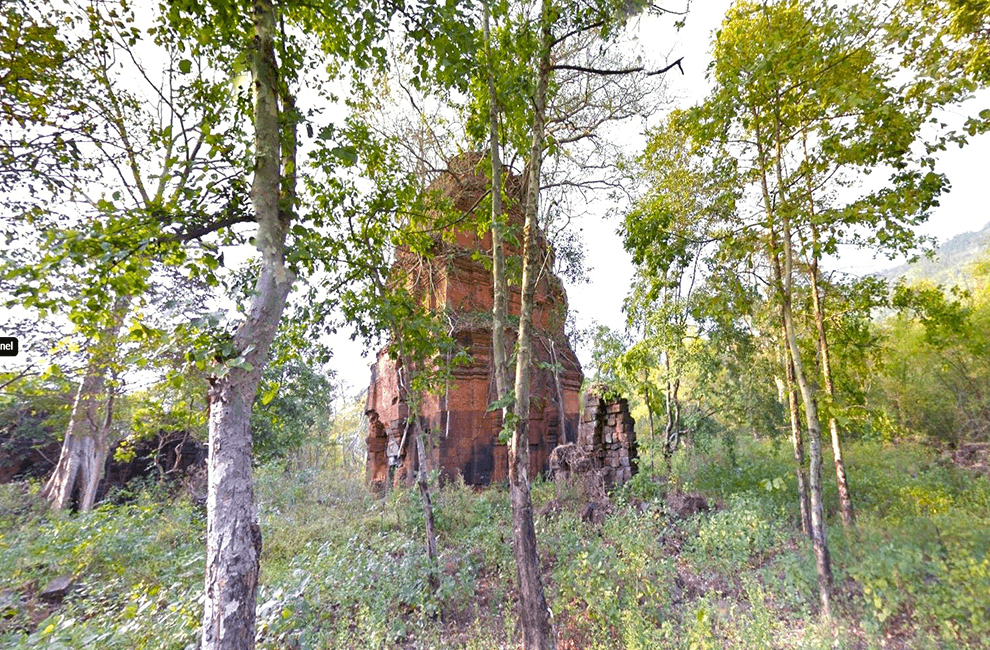
Preah Lean Temple

Welcome to Preah Lean Temple, a hidden gem nestled in the lush greenery and located on road 62 in Krang Dong village, Preah Kliang Commune, Tbaeng Meanchey District, Preah Vihear Province in Cambodia. This stunning temple complex boasts intricate carvings, ancient architecture, and a rich history waiting to be discovered by intrepid travelers.

Histor of Preah Lean Temple

Preah Lean Temple dates back to the 11th century and was built during the reign of King Suryavarman I. This majestic temple was dedicated to the Hindu god Shiva and served as a place of worship and pilgrimage for locals. Over the years, the temple has withstood the test of time and remains a testament to Cambodia’s rich cultural heritage.

Preah Lean Temple

How to get to Preah Lean Temple

To reach Preah Lean Temple, travelers can fly into Siem Reap International Airport and take a scenic drive to Preah Vihear Province. From there, it’s possible to hire a local guide or tuk-tuk to transport you to the temple grounds. The journey is well worth the effort, as you’ll be rewarded with breathtaking views and a sense of awe as you explore the ancient ruins.

Travel Activities

Once you arrive at Preah Lean Temple, there are plenty of activities to keep you entertained. From exploring the intricate carvings on the temple walls to taking in the panoramic views of the surrounding countryside, there’s something for everyone to enjoy. Don’t forget to bring your camera to capture the beauty of this hidden gem.

Where to Eat

After a day of exploring the temple complex, you may find yourself craving a delicious meal. Luckily, there are several local restaurants and food stalls nearby where you can sample traditional Cambodian cuisine. Be sure to try the local specialties, such as fish amok and beef lok lak, for a true taste of the region.

Travel Guide

To make the most of your visit to Preah Lean Temple, it’s helpful to hire a knowledgeable guide who can provide you with insight into the temple’s history and significance. Local guides are well-versed in the temple’s lore and can help you navigate the site with ease. Additionally, be sure to wear comfortable clothing and footwear, as there may be uneven terrain to navigate.

Preah Lean Temple

In conclusion, Preah Lean Temple in Preah Vihear Province is a must-visit destination for travelers seeking to uncover Cambodia’s hidden treasures. From its rich history to its stunning architecture, this ancient temple complex offers a glimpse into the country’s vibrant past. So pack your bags, book your ticket, and get ready to embark on an unforgettable journey to Preah Lean Temple.

Neak Buos Temple

Have you ever heard of Neak Buos Temple in Preah Vihear Province? This hidden gem in Cambodia is a must-visit for anyone looking to experience the beauty and history of the region. In this article, we will explore the history of Neak Buos Temple, how to get there, travel activities to enjoy, where to eat, and a complete travel guide to help you plan your trip.

History of Neak Buos Temple

Neak Buos Temple, also known as ‘The Tiger Cave Temple’, is a sacred site located in the lush forests of Preah Vihear Province. This ancient temple dates back to the 11th century during the reign of the Khmer Empire, and it is believed to have been dedicated to the Hindu god Shiva.

Neak Buos Temple situated majestically on the side of the Dangrek Mountain range, Prasat Neak Buos stands as a beacon of ancient architectural wonders. This grand temple complex showcases a remarkable array of structures constructed from brick, sandstone, and laterite materials, each bearing a unique historical significance. Inaugurated in the late 7th century, this site has evolved over the centuries, with continuous additions spanning from the 9th to the 12-13th century, culminating in the construction of a hospital chapel by King Jayavarman VII. The intricate detailing and historical layers embedded within Prasat Neak Buos offer an unparalleled glimpse into the rich cultural tapestry of Cambodia’s past, unveiling a narrative that extends across centuries of architectural mastery and spiritual reverence.

The temple is adorned with intricate carvings and sculptures that depict scenes from Hindu mythology. Visitors can marvel at the detailed architecture and learn about the rich history of the temple from knowledgeable guides.

Neak Buos Temple

How to get to Neak Buos Temple?

To reach Neak Buos Temple in Preah Vihear Province, you can take a bus or hire a private car from Siem Reap or Phnom Penh. The journey takes approximately 4-5 hours, depending on the traffic and road conditions. Once you arrive, you can either hike or take a tuk-tuk to reach the temple entrance.

Travel Activities

Once you arrive at Neak Buos Temple, there are plenty of activities to enjoy. You can explore the temple complex, take in the stunning views of the surrounding countryside, and even participate in a traditional blessing ceremony.

If you’re feeling adventurous, you can hike to the nearby Tiger Cave, where you’ll be rewarded with panoramic views of the jungle below. Don’t forget to bring your camera to capture the breathtaking scenery!

Where to Eat

After a day of exploring Neak Buos Temple, you’ll likely work up an appetite. Fortunately, there are several local restaurants and cafes near the temple where you can sample traditional Cambodian dishes. From flavorful curries to fresh seafood, you’ll find a variety of options to satisfy your hunger.

Neak Buos Temple

Travel Guide

Before visiting Neak Buos Temple, make sure to pack comfortable walking shoes, sunscreen, and plenty of water. The temple grounds can be uneven, so be prepared for some hiking and climbing.

It’s also a good idea to hire a local guide to help navigate the temple complex and provide insight into the history and significance of the site. Remember to respect the sacred nature of the temple and dress modestly out of respect for the local customs.

In conclusion, Neak Buos Temple in Preah Vihear Province is a hidden gem that offers a glimpse into Cambodia’s rich history and culture. With its stunning architecture, lush surroundings, and peaceful atmosphere, it’s the perfect destination for travelers looking to experience something off the beaten path. Plan your trip today and discover the magic of Neak Buos Temple for yourself!

Krapoum Chhouk Temple

Welcome to a hidden gem in Cambodia – the Krapoum Chhouk Temple. This ancient temple is steeped in history and offers a glimpse into the rich cultural heritage of Cambodia. Krapoum Chhouk Temple, also known as Prasat Krapoum Chhouk, is situated in Rumdaoh Commune, Rovieng district, Preah Vihear Province, Cambodia, approximately 36 kilometers from Provincial hall. This historic temple holds significant cultural and archaeological value, attracting visitors seeking to immerse themselves in Cambodia’s rich heritage. Its unique location and intricate architectural details make it a remarkable destination for those interested in exploring the country’s ancient past.

In this article, we will explore the history of the Krapoum Chhouk Temple, how to get there, travel activities to enjoy, where to eat, and essential travel guide tips to make the most of your visit. Let’s dive in and discover the beauty of this hidden treasure!

Krapoum Chhouk Temple History

The Krapoum Chhouk Temple, also known as the Temple of the lotus flower, dates back to the 10th century. Built during the reign of King Jayavarman VII, this temple is a testament to the architectural brilliance of the Khmer Empire. The temple is adorned with intricate carvings depicting Hindu deities and mythological figures, showcasing the artistic prowess of the ancient Khmer civilization.

How to get to Krapoum Chhouk Temple?

To reach the Krapoum Chhouk Temple, you can take a scenic drive from Siem Reap, the nearest city. The journey takes you through picturesque countryside dotted with rice paddies and palm trees, offering a glimpse of rural Cambodian life. You can also opt for a guided tour from Siem Reap, which includes transportation and a knowledgeable guide to provide you with insights into the history and significance of the temple.

Travel Activities

Once you arrive at the Krapoum Chhouk Temple , you can explore the ancient ruins and marvel at the intricate stone carvings that adorn the temple walls. Don’t forget to climb to the top of the temple for a panoramic view of the surrounding landscape. You can also take a leisurely stroll around the temple grounds and soak in the peaceful atmosphere.

If you’re feeling adventurous, you can venture into the nearby forest and discover hidden trails that lead to secluded waterfalls and natural pools. Take a refreshing dip in the cool waters and unwind amidst the sounds of nature. For the history buffs, a visit to the nearby archaeological sites will provide you with a deeper understanding of Cambodia’s rich cultural heritage.

Krapoum Chhouk Temple

Where to Eat

After a day of exploring, satisfy your hunger at the local eateries near the Krapoum Chhouk Temple. Indulge in traditional Cambodian dishes such as fish amok, a savory fish curry steamed in banana leaves, or lok lak, a flavorful stir-fried beef dish served with rice by local restaurant. Don’t forget to try the refreshing coconut water straight from the source, a perfect way to cool off after a day of sightseeing.

Travel Guide

Before embarking on your journey to the Krapoum Chhouk Temple, it is essential to pack light and wear comfortable clothing and sturdy footwear for exploring the temple grounds. Make sure to carry sufficient water and sunscreen to stay hydrated and protected from the sun. Respect the local customs and traditions when visiting the temple, and remember to take only memories and leave only footprints.

In conclusion, the Krapoum Chhouk Temple is a hidden gem waiting to be discovered in Cambodia. Immerse yourself in the rich history and culture of this ancient temple, and create unforgettable memories that will last a lifetime. Plan your trip today and experience the beauty of the Krapoum Chhouk Temple for yourself!

Preah Vihear Temple

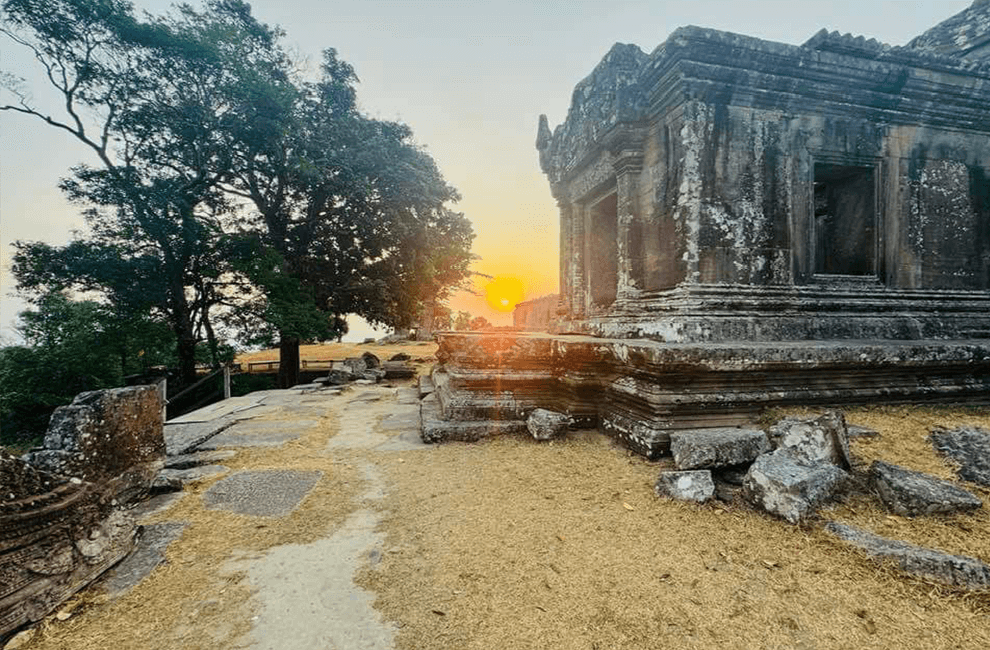
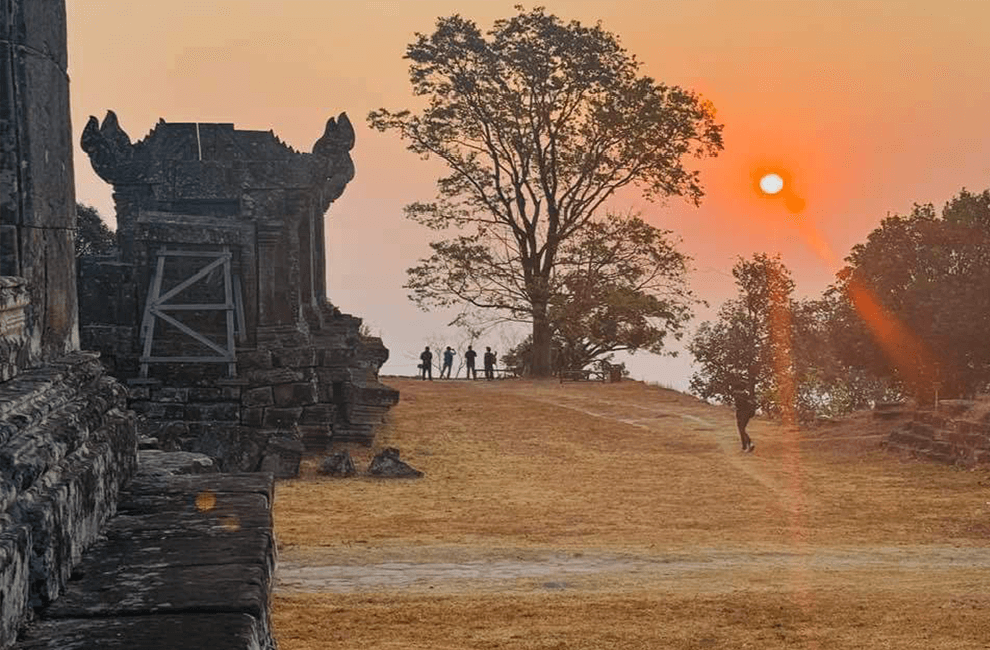
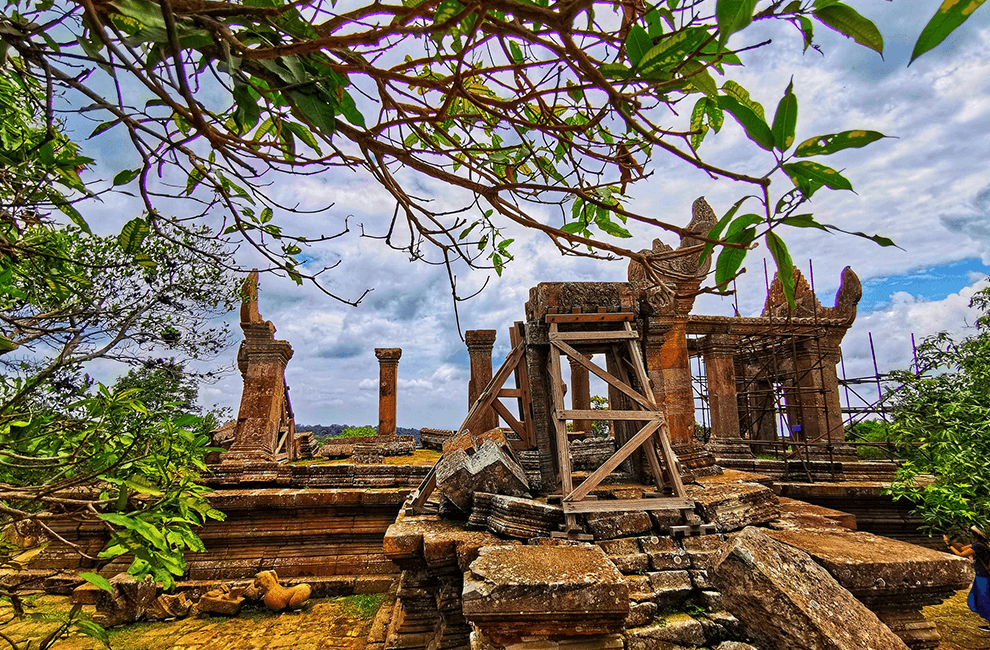
Nestled atop a 525-meter cliff in the Dângrêk Mountains of Cambodia, Preah Vihear Temple stands as a testament to the ancient Khmer Empire’s architectural prowess and artistic expression. This UNESCO World Heritage site beckons travelers from around the globe to marvel at its intricate carvings, panoramic views, and historical significance. Let’s delve into the history of this magnificent temple, learn how to get there, explore travel activities, discover where to eat, and gain insights from a comprehensive travel guide.

Preah Vihear Temple History

Built in the early 11th century during the reign of King Suryavarman I, Preah Vihear Temple was dedicated to the Hindu god Shiva. Over the centuries, the temple underwent numerous expansions and renovations, reflecting the changing religious and cultural landscape of Cambodia. Its location on the edge of a cliff symbolizes the mythical Mount Meru, the center of the universe in Hindu cosmology. Despite being the subject of a territorial dispute between Cambodia and Thailand, Preah Vihear Temple has retained its architectural grandeur and spiritual significance.

How to get to Preah Vihear Temple?

To reach Preah Vihear Temple, travelers can fly into Siem Reap International Airport and embark on a scenic journey by road to the temple complex. The road leading to the temple winds through lush forests and rural villages, offering a glimpse of Cambodia’s countryside. Visitors can also hire a local guide to accompany them on the journey and provide insights into the temple’s history and significance. It is advisable to wear comfortable shoes and carry plenty of water, as the climb to the temple can be steep and challenging.

Preah Vihear Temple

Travel Activities

Once at Preah Vihear Temple, travelers can immerse themselves in a range of activities that showcase the temple’s beauty and historical importance. From wandering through the intricate galleries adorned with stone carvings to soaking in the breathtaking views of the surrounding landscape, every corner of the temple holds a story waiting to be discovered. Visitors can also participate in traditional ceremonies held at the temple, offering a glimpse into Cambodia’s vibrant cultural heritage. Don’t forget to capture the mesmerizing sunrise and sunset views from the temple complex, creating unforgettable memories of your visit.

Where to Eat

After a day of exploration, hungry travelers can unwind at the local eateries near Preah Vihear Temple, serving up authentic Cambodian cuisine. From fragrant curries and noodle dishes to fresh seafood and tropical fruits, there’s something to satisfy every palate. Be sure to try local specialties like Amok Trey (steamed fish curry) and Nom Banh Chok (Khmer noodle soup) for a taste of traditional Cambodian flavors. The warm hospitality of the locals adds an extra layer of charm to the dining experience, making it a memorable part of your visit to Preah Vihear Temple.

Travel Guide

For travelers planning a visit to Preah Vihear Temple, it is essential to respect the site’s cultural and historical significance. Dress modestly and observe the temple etiquette to show reverence for this sacred place. Hiring a knowledgeable guide can enhance your visit by providing valuable insights and context to the temple’s architecture and symbolism. Remember to carry essentials like sunscreen, a hat, and a camera to capture the beauty of the temple and its surroundings. With proper preparation and an open mind, a journey to Preah Vihear Temple promises to be an enriching and unforgettable experience.

Preah Vihear Temple

In Conclusion, Preah Vihear Temple stands as a timeless symbol of Cambodia’s rich heritage and cultural legacy. From its intricate carvings to its commanding cliff-top location, the temple invites travelers to embark on a journey through history and spirituality. By following this travel guide and embracing the wonders of Preah Vihear Temple, visitors can create lasting memories and deepen their appreciation for this ancient marvel in the heart of Southeast Asia. So, when will you embark on your adventure to Preah Vihear Temple?

Koh Ker Temple: Discover a Hidden Gem in Cambodia’s Jungle

Nestled deep within the dense jungles of northern Cambodia, Koh Ker Temple stands as a testament to the grandeur of the ancient Khmer Empire. Often overshadowed by the world-famous Angkor Wat, Koh Ker is a hidden gem that offers a unique blend of history, adventure, and natural beauty. This article will guide you through everything you need to know about Koh Ker Temple, from its fascinating history to practical tips for your visit. Whether you’re a history buff, an adventure seeker, or a photography enthusiast, Koh Ker promises an unforgettable experience.

The History of Koh Ker Temple

Koh Ker was once the capital of the Khmer Empire during the reign of King Jayavarman IV in the 10th century. For a brief period (928–944 AD), this remote site served as the political and religious center of the empire. The temple complex was dedicated to the Hindu god Shiva and features a unique architectural style that sets it apart from other Khmer temples.

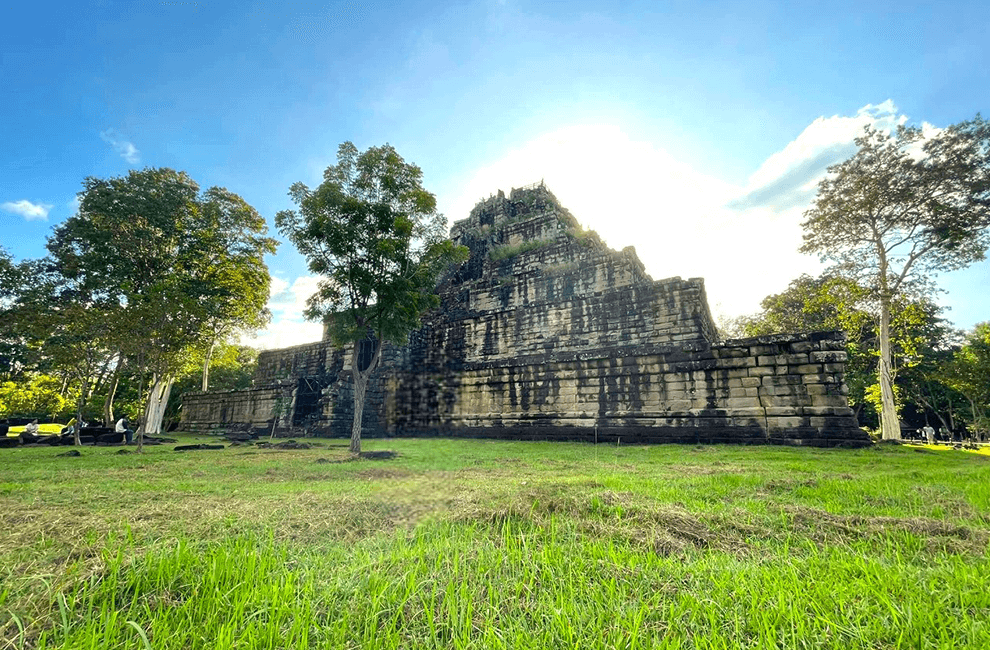
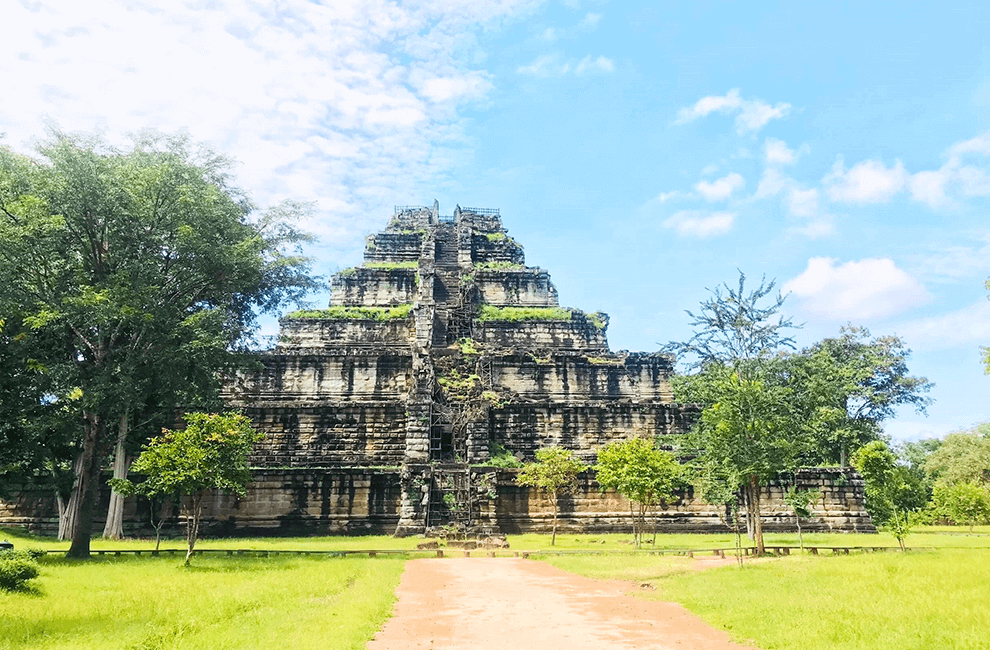
The most iconic structure in Koh Ker is the Prasat Thom, a seven-tiered pyramid that rises dramatically above the jungle canopy. This pyramid is often compared to the Mayan temples of Central America due to its stepped design. The temple complex also includes numerous smaller shrines, lingas, and sanctuaries, many of which are still shrouded in mystery.

After the capital was moved back to Angkor, Koh Ker was abandoned and reclaimed by the jungle. It remained largely forgotten until the 20th century when archaeologists began to uncover its secrets. Today, Koh Ker is a UNESCO World Heritage Site and a must-visit destination for those looking to explore Cambodia’s rich cultural heritage.

Koh Ker Temple

Why Visit Koh Ker Temple?

  1. Off-the-Beaten-Path Adventure: Unlike the crowded temples of Angkor, Koh Ker offers a serene and secluded experience. The journey to the temple is an adventure in itself, taking you through remote villages and lush jungles.
  2. Unique Architecture: The pyramid-style Prasat Thom is unlike any other temple in Cambodia. Its towering structure and intricate carvings are a photographer’s dream.
  3. Rich History: Koh Ker provides a glimpse into a lesser-known chapter of Khmer history. Exploring the temple complex feels like stepping back in time.
  4. Natural Beauty: Surrounded by dense forests, Koh Ker is a paradise for nature lovers. The site is also home to diverse wildlife, including rare bird species.

A Guide to Exploring Koh Ker Temple

1. Getting to Koh Ker

Koh Ker is located approximately 120 kilometers northeast of Siem Reap. The journey takes about 2.5 to 3 hours by car or tuk-tuk. The road is mostly paved, but the last stretch can be rough, especially during the rainy season. For a more comfortable trip, consider hiring a private driver or joining a guided tour.

Pro Tip: Start your journey early in the morning to avoid the midday heat and make the most of your day.

2. Exploring the Temple Complex

The Koh Ker complex spans over 35 square kilometers and includes more than 180 structures. Here are the highlights you shouldn’t miss:

  • Prasat Thom: The centerpiece of Koh Ker , this pyramid offers breathtaking views from the top. Climbing to the summit is a must for panoramic views of the surrounding jungle.
  • Prasat Krahom: Known as the “Red Temple,” this structure is famous for its red brick construction and intricate carvings.
  • Lingas and Sanctuaries: Scattered throughout the complex, these smaller shrines are adorned with ancient inscriptions and sculptures.
  • The Sacred Pond: Located near Prasat Thom, this pond was once used for religious rituals.

Pro Tip: Wear sturdy shoes and bring plenty of water, as the terrain can be uneven and the weather hot.

Koh Ker Temple

Beng Mealea and Koh Ker Adventure

  • Duration: 8 Hours
  • Destination: Siem Reap
  • Group Size: 2-12 People

$113

Preah Vihear Temple

Preah Vihear and Koh Ker Temple Day Tour

  • Duration: 10 Hours
  • Destination: Siem Reap
  • Group Size: 2-12 People

$168

3. Adventure Activities

For those seeking an adrenaline rush, Koh Ker offers several adventure activities:

  • Jungle Trekking: Explore the dense forests surrounding the temple complex. Keep an eye out for wildlife and hidden ruins.
  • Bird Watching: Koh Ker is home to a variety of bird species, including the rare Giant Ibis.
  • Photography: The temple’s unique architecture and natural surroundings provide endless opportunities for stunning photos.

Pro Tip: Hire a local guide to help you navigate the jungle and discover hidden gems.

4. Practical Tips for Visitors

  • Respect the Site: Koh Ker is a sacred and historical site. Be mindful of your actions and avoid touching or climbing on fragile structures.
  • Best Time to Visit: The dry season (November to March) is the ideal time to visit Koh Ker. The weather is cooler, and the roads are in better conditions
  • Entrance Fees: The entrance fee for Koh Ker is $15 per person. This fee goes toward the preservation of the site.
  • What to Bring: Sunscreen, insect repellent, a hat, and plenty of water are essential. A camera and binoculars are also recommended.
Koh Ker Temple

Why Koh Ker is a Must-Visit for Adventure Seekers

Koh Ker is more than just a temple; it’s an adventure destination. The remote location, combined with the temple’s mysterious aura, makes it a perfect spot for those who love to explore off-the-beaten-path destinations. The journey to Koh Ker is as rewarding as the destination itself, offering a chance to experience rural Cambodia and its warm, welcoming people.

FAQs About Koh Ker Temple

  1. Is Koh Ker safe to visit?

    Yes, Koh Ker is safe to visit. However, it’s important to stick to marked paths and avoid venturing into unmarked areas, as there may still be unexploded ordnance from past conflicts.

  2. Can I visit Koh Ker in one day?

    Yes, Koh Ker can be visited as a day trip from Siem Reap. However, if you have more time, consider staying overnight in a nearby village to fully immerse yourself in the experience.

  3. Are there accommodations near Koh Ker?

    While there are no luxury hotels near Koh Ker, there are a few guesthouses and homestays in the surrounding villages. These offer a unique opportunity to experience local Cambodian culture.

  4. Is Koh Ker suitable for families?

    Yes, Koh Ker is suitable for families. However, keep in mind that the terrain can be challenging for young children or elderly visitors.

Conclusion

Koh Ker Temple is a true hidden gem that offers a perfect blend of history, adventure, and natural beauty. Whether you’re climbing the iconic pyramid of Prasat Thom, trekking through the jungle, or simply soaking in the serene atmosphere, Koh Ker promises an unforgettable experience. So, pack your bags, lace up your hiking boots, and get ready to explore one of Cambodia’s most fascinating destinations.

By visiting Koh Ker, you’re not only embarking on an adventure but also helping to preserve this incredible piece of history for future generations. Don’t miss the chance to discover the magic of Koh Ker Temple – a place where the past and present collide in the heart of the Cambodian jungle.

Preah Vihear Province

Are you looking for a unique and off-the-beaten-path destination for your next vacation? Look no further than Preah Vihear Province in Cambodia. This hidden gem is rich in culture, history, and natural beauty, making it the perfect destination for adventurous travelers looking to explore this lesser-known region of Cambodia.

Introduction

Preah Vihear Province is located in northern Cambodia, bordering Thailand to the north and Laos to the east. This province is famous for its UNESCO World Heritage Site, the Preah Vihear Temple, which sits atop a 525-meter cliff overlooking the Cambodian plain. In addition to the temple, Preah Vihear Province is home to lush jungles, cascading waterfalls, and vibrant local markets.

Geography

Preah Vihear Province is characterized by its rugged terrain, with the Dângrêk Mountains running along the northern border of the province. The landscape is dotted with verdant rice paddies, dense forests, and winding rivers, creating a picturesque backdrop for outdoor adventures.

Climate

The climate in Preah Vihear Province is tropical, with a wet season from May to October and a dry season from November to April. The monsoon rains bring lush greenery to the region, while the dry season offers sunny days perfect for exploring the temples and trails of the province.

Population

The population of Preah Vihear Province is predominantly Khmer, with small communities of ethnic minorities such as the Lao and Phnong people. The local residents are known for their warmth and hospitality, welcoming visitors with open arms and sharing their rich cultural traditions.

Preah Vihear Province

Economy

The economy of Preah Vihear Province is largely based on agriculture, with rice farming being the primary source of income for many residents. In recent years, tourism has started to play a more significant role in the local economy, providing employment opportunities and boosting infrastructure development in the region.

How to Get to Preah Vihear Province?

To reach Preah Vihear Province, travelers can fly into Siem Reap International Airport and take a scenic drive through the Cambodian countryside to the province. Alternatively, buses and taxis are available from Phnom Penh and other major cities in Cambodia for those looking for a more budget-friendly option.

Where to Visit in Preah Vihear?

One of the must-visit attractions in Preah Vihear Province is the Preah Vihear Temple, a stunning Khmer architectural masterpiece dating back to the 11th century. Other highlights include the lush Kulen Promtep Wildlife Sanctuary, the serene Preah Nimith Waterfall, and the bustling markets of Tbeng Meanchey town, Koh Ker Temple, Krapoum Chhouk Temple, Neak Buos Temple, Preah Lean Temple, and Wat Peoung Preah Kou Preah Keo.

Where to Stay

There are a variety of accommodation options in Preah Vihear Province , ranging from budget guesthouses to luxury resorts. Visitors can choose to stay in the charming town of Tbeng Meanchey or opt for a more secluded jungle lodge for a truly immersive experience in nature.

Travel Guide

When visiting Preah Vihear Province, be sure to respect the local customs and traditions, including dressing modestly when visiting temples and interacting with residents respectfully. It’s also recommended to hire a local guide to help navigate the region and gain a deeper understanding of the history and culture of Preah Vihear.

In conclusion, Preah Vihear Province offers a unique and authentic Cambodian experience for travelers seeking adventure, culture, and natural beauty. With its rich history, diverse landscape, and welcoming locals, this hidden gem is sure to leave a lasting impression on all who visit. So pack your bags and get ready to explore the wonders of Preah Vihear!

What is Local Travel in the Tourism Industry?

Local travel in the tourism industry refers to exploring destinations within one’s own country or region. It involves immersing oneself in the culture, traditions, and lifestyle of the local people, rather than just visiting popular tourist attractions. In recent years, there has been a growing trend towards local travel, as more people seek authentic and unique experiences.

Benefits of Local Travel

  1. Cultural Immersion: One of the main benefits of local travel is the opportunity to immerse oneself in the culture of a destination. This can involve trying local cuisine, learning about traditional customs, and interacting with local communities.
  2. Supporting Local Economy: By choosing to travel locally, tourists can contribute to the local economy and support small businesses. This can help create sustainable livelihoods for local people and promote economic development in the region.
  3. Reduced Environmental Impact: Local tour often involves shorter distances and less reliance on air travel, which helps reduce carbon emissions and minimize the environmental impact of tourism.

Tips for Local Travel

When embarking on a local travel adventure, here are some tips to make the most of your experience:

  1. Research Local Culture: Before you travel, take the time to learn about the culture, traditions, and customs of the destination. This will help you better understand and appreciate the local way of life.
  2. Support Local Businesses: Instead of opting for international hotel chains and restaurants, try to support local businesses such as family-run guesthouses, street food vendors, and artisan shops.
  3. Connect with Locals: One of the best ways to experience a destination is to interact with local people. This can provide insight into the daily life of the community and create meaningful connections.
Angkor Wat Experience

Is Local Travel the Future of Tourism?

With the increasing focus on sustainability and authenticity in travel, local travel is likely to become a significant trend in the tourism industry. As more people become conscious of their impact on the environment and the importance of supporting local communities, the demand for local tour experiences is expected to rise.

In conclusion, local travel offers a way to explore and appreciate the rich diversity of cultures and traditions within one’s own country or region. By choosing to travel locally, tourists can support local economies, reduce their environmental footprint, and gain a deeper understanding of the places they visit. Whether it’s trying traditional dishes, attending cultural festivals, or learning from local artisans, local travel provides a unique and enriching experience for travelers seeking authenticity and connection.

Why Travel to Preah Dak Village

Are you looking for a unique and unforgettable travel experience? Look no further than Travel to Preah Dak Village or Phum Preah Dak! This hidden gem in the heart of Cambodia offers breathtaking scenery, rich culture, and warm hospitality that will make your trip truly memorable. In this article, we will explore why Preah Dak Village should be at the top of your travel bucket list.

Why Travel to Preah Dak Village?

Preah Dak Village may not be as well-known as other tourist destinations in Cambodia, but that’s what makes it so special. This charming village offers a glimpse into traditional Cambodian life, away from the hustle and bustle of the city. From lush rice paddies to ancient temples, there is so much to see and experience in Preah Dak Village.

What Activities Can You Enjoy?

When you travel to Preah Dak Village, you can immerse yourself in the local culture by participating in various activities. Take a leisurely stroll through the village and interact with friendly locals, or explore the surrounding countryside on a bike tour. Visit the nearby temples and learn about the rich history of this region, or simply relax and enjoy the peaceful atmosphere.

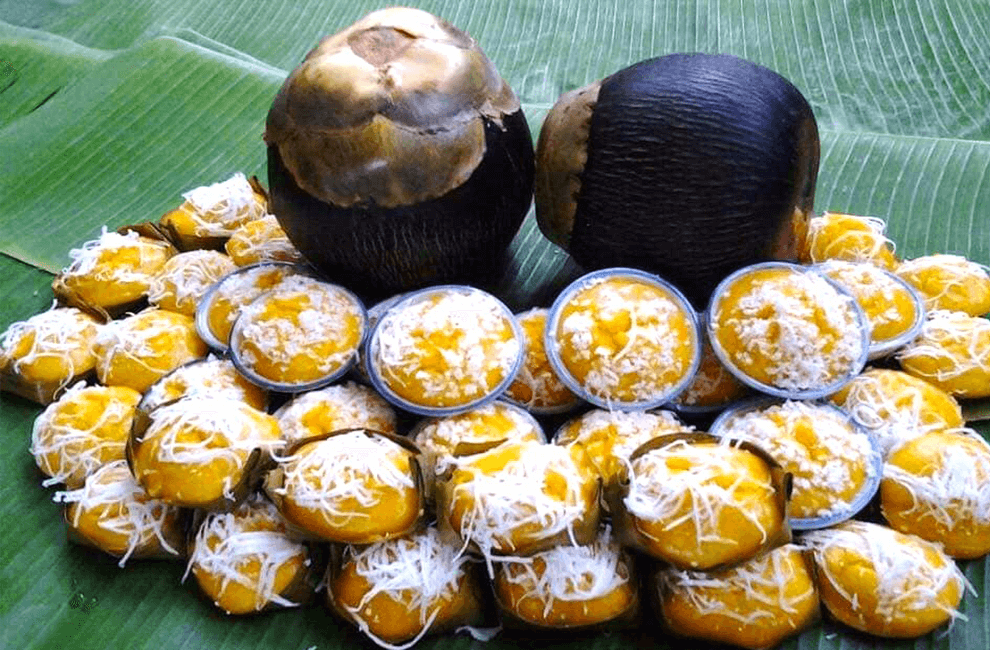
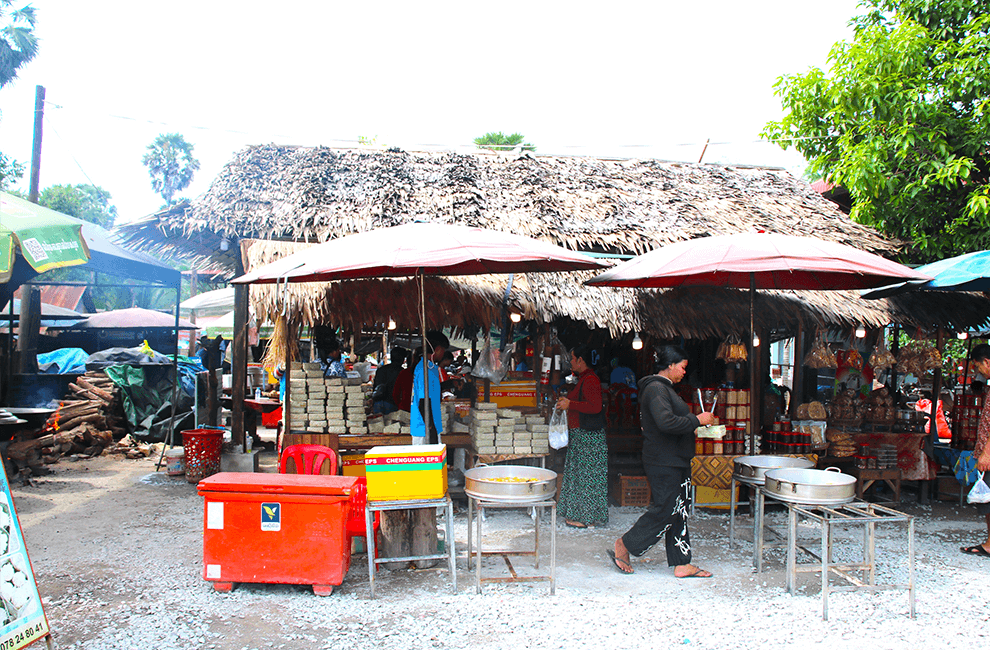
In the picturesque Preak Dak Village, visitors can partake in a myriad of enriching travel activities that offer a deep dive into the local culture. One of the highlights includes discovering the traditional process of making sugar palm, a practice deeply rooted in Cambodian heritage. Additionally, tourists can savor the unique flavors of palm cake, Khmer Noodle, and other authentic Khmer foods that reflect the rich culinary tapestry of the region. These immersive experiences not only offer a glimpse into the daily lives of the locals but also provide an opportunity to appreciate the intricate traditions and flavors that make Preak Dak Village a hidden gem for travelers seeking an authentic cultural encounter.

Palm Cake Preah Dak Village

Where to Stay in Preah Dak Village?

If you’re looking for accommodation in Phum Preah Dak, you can choose from a range of options to suit your preferences and budget. Stay in a traditional homestay for an authentic experience, or opt for a luxury resort in town for a more pampered stay. Whatever you choose, you’ll be sure to enjoy warm Cambodian hospitality and stunning views of the countryside.

Angkor Wat Adventure

8 hours

Siem Reap Full Day Tour

$98

Vacation in Siem Reap 5 Days

5 Days – 4 Nights

Siem Reap, Cambodia

$553

What to Eat in Preah Dak Village?

No trip to Preah Dak Village would be complete without sampling the delicious local cuisine. Enjoy traditional Cambodian dishes made with fresh, locally sourced ingredients, or try street food favorites from roadside vendors. Don’t forget to taste the famous Cambodian coffee and sweet treats like coconut pancakes – your taste buds will thank you!

Nestled in the heart of Preak Dak Village, the culinary scene is a vibrant mosaic of flavors and traditions that captivate both locals and visitors alike. Traditional dishes like fish amok, a delicate blend of fresh fish, coconut milk, and fragrant spices, showcase the community’s rich culinary heritage. The bustling street markets offer an array of vibrant fruits and vegetables alongside grilled meats and savory noodles that titillate the senses. The skilled chefs in Preak Dak Village infuse each dish with passion and expertise, creating a culinary experience that is as diverse as it is unforgettable.

Khmer noodle dish, prepared with precision and care, this local specialty boasts a harmonious blend of flavors that tantalize the taste buds. Embark on a culinary journey as you savor each bite of the firm noodles immersed in a rich, savory broth, topped with fresh herbs and tender strips of meat. The renowned Khmer noodle in Preak Dak Village is a testament to the culinary expertise and cultural heritage of this charming community.

How to Get to Preah Dak Village?

Getting to Preah Dak Village is easier than you might think. You can take a short flight to Siem Reap or Phnom Penh, then hop on a bus or hire a car to reach the village. Alternatively, you can embark on a scenic road trip from nearby cities and enjoy the picturesque countryside along the way. However you choose to travel, the journey to Preah Dak Village is sure to be an adventure in itself.

Travel to Preah Dak Village is a rewarding and enriching experience that will leave you with unforgettable memories. From its stunning natural beauty to its rich cultural heritage, this hidden gem in Cambodia has something for every traveler. So pack your bags, book your tickets, and get ready for the journey of a lifetime in Preah Dak Village!

Things to Do in Preah Dak Village

Are you looking for a unique and authentic cultural experience during your visit to Cambodia? Look no further than Preah Dak Village, where you can immerse yourself in traditional Khmer cuisine, explore ancient temples, and witness the fascinating process of sugar palm production. In this article, we will guide you through some of the best things to do in Preah Dak Village, ensuring you make the most of your stay in this charming destination.

Khmer Noodle and Khmer Foods

One of the highlights of visiting Preah Dak Village is indulging in traditional Khmer dishes. Make sure to sample the famous Khmer noodle soup, known as Khmer Noodle, which is a flavorful broth filled with rice noodles, vegetables, and your choice of chicken curry soup . You can also try other Khmer favorites such as fish amok, a creamy curry steamed in banana leaves, or mango salad, a refreshing mix of sweet and tangy flavors.

Try Palm Cake

For a sweet treat, don’t miss the opportunity to try palm cake, a popular dessert in Cambodia made from palm sugar, coconut milk, and sticky rice. This delectable dish is a must-try for those with a sweet tooth and is the perfect way to end a delicious meal in Preah Dak Village.

Palm Cake Store in Preah Dak

Visit Banteay Samre Temple

Venture outside the village to explore the ancient wonders of Banteay Samre Temple, a stunning example of Khmer architecture dating back to the 12th century. This well-preserved temple features intricate carvings, towering spires, and peaceful courtyards, offering a tranquil escape from the hustle and bustle of modern life.

Watch Sugar Palm Production

Gain insight into the local economy and traditions by observing the fascinating process of sugar palm production in Preah Dak Village. Watch as skilled artisans extract sap from palm trees, boil it down to create palm sugar, and mold it into various shapes for sale at local markets. This centuries-old technique is a testament to the ingenuity and resourcefulness of the Khmer people.

Explore Village Tour Activities

Immerse yourself in the daily life of Preah Dak Village by embarking on a guided village tour, where you can interact with local residents, visit community projects, and participate in hands-on activities. Whether you’re learning traditional dance moves, crafting intricate handicrafts, or helping farmers tend to their crops, you’ll gain a deeper appreciation for Khmer culture and hospitality.

Why Travel Locally in Siem Reap

Are you considering a trip to Siem Reap but wondering why you should travel locally in Siem Reap instead of sticking to the typical tourist attractions? Well, let me tell you why exploring the local side of Siem Reap can make your experience truly unforgettable. But not really online in Siem Reap, you can travel locally in other travel destinations like Phnom Penh and Battambang.

What does it mean to travel locally?

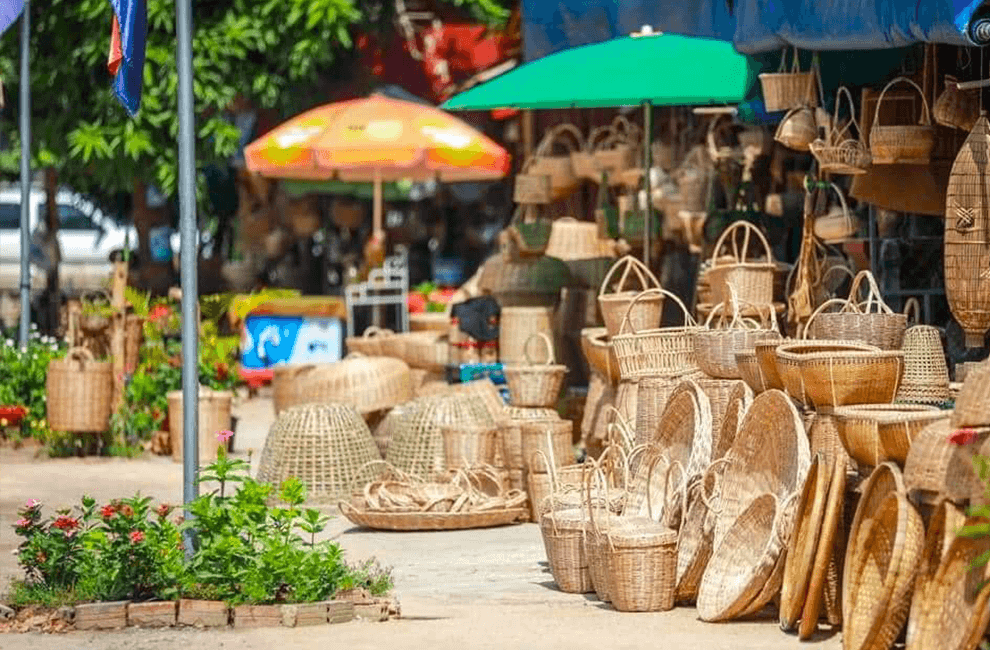
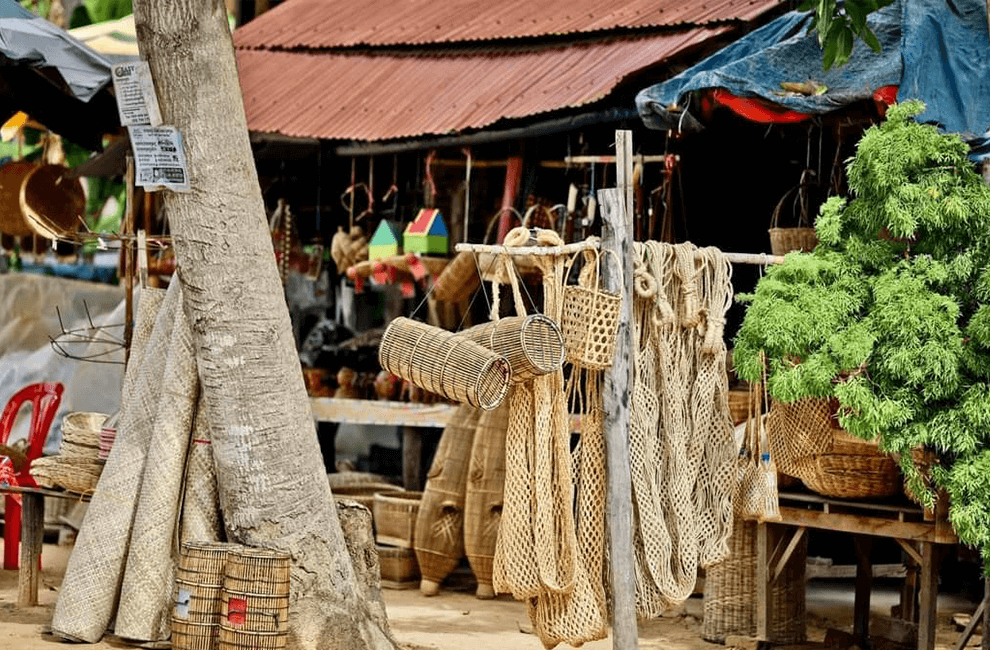
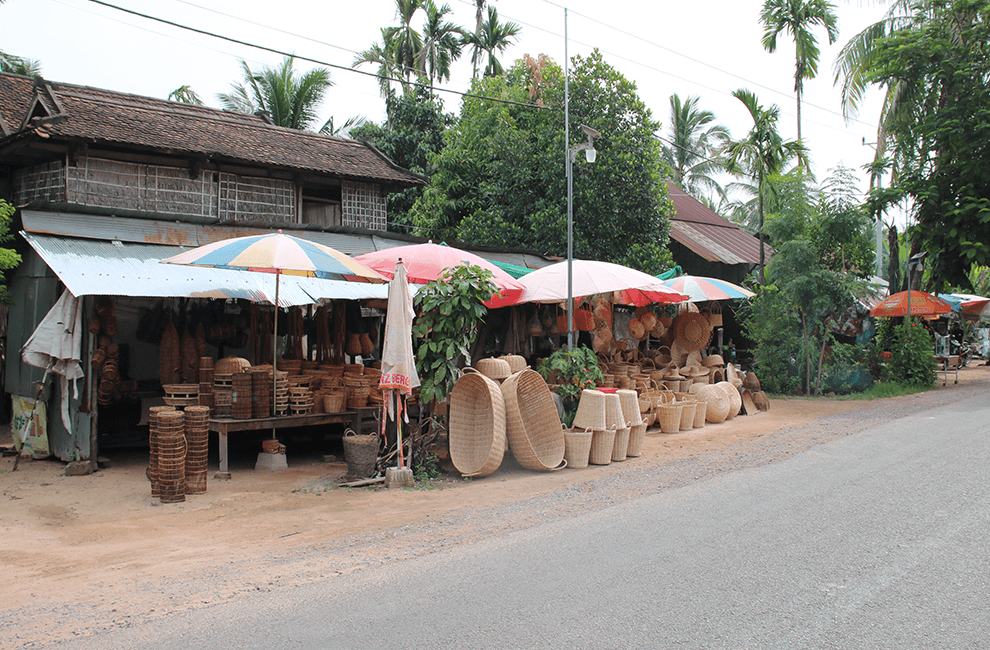
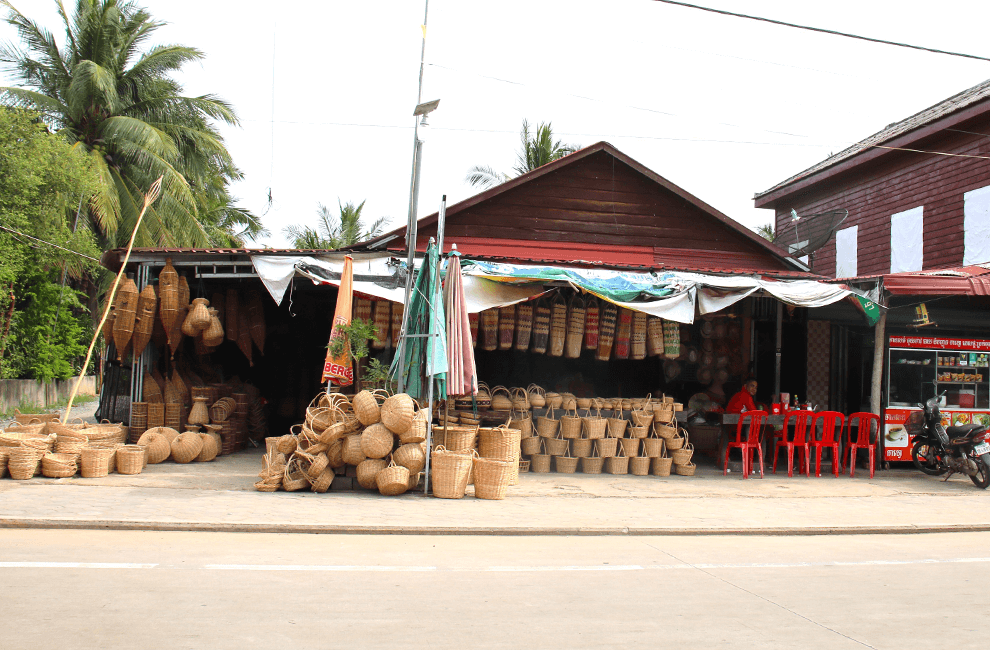
When we talk about traveling locally, we’re referring to immersing yourself in the culture, traditions, and way of life of the local community. It’s about stepping off the beaten path, away from the tourist hotspots, and discovering the hidden gems that only the locals know about. In Siem Reap, this could mean exploring the local markets, trying authentic Khmer cuisine, or engaging with local artisans to learn about their traditional crafts.

How does travelling locally benefit locals?

By choosing to travel locally in Siem Reap, you’re not only supporting the local economy but also helping to preserve the unique culture and heritage of the region. When you buy souvenirs from local artisans or dine at family-owned restaurants, you’re directly contributing to the livelihood of local communities.

Additionally, interacting with locals in a meaningful way can create a sense of cultural exchange and mutual understanding, fostering a more authentic and enriching travel experience for both parties.

Koh Pdao Community Based Ecotourism

How does local travel benefit the traveller?

Traveling locally in Siem Reap opens up a world of opportunities for the curious traveler. You’ll have the chance to see the destination from a different perspective, gaining insights and experiences that you wouldn’t find in a guidebook. Whether it’s taking a cooking class with a local chef, participating in a traditional dance workshop, or exploring the countryside on a bike tour, local travel allows you to connect with the destination on a deeper level and create lasting memories.

So, why travel locally in Siem Reap? The answer is simple – to support the local community, preserve cultural heritage, and enrich your travel experience in ways that mainstream tourism cannot offer. By stepping off the beaten path and immersing yourself in the heart of Siem Reap, you’ll discover a side of the destination that will stay with you long after you’ve returned home.

In conclusion, traveling locally in Siem Reap is not just about seeing the sights – it’s about experiencing the soul of the destination. So, next time you plan a trip to this enchanting city, consider exploring the local side for a truly unforgettable adventure. Happy travels!

Ang Jing Chok

Ang Jing Chok in Pailin, northwestern Cambodia, may not be as well-known as other tourist destinations in the country, but it holds a hidden gem that visitors should not miss – Ang Jing Chok. This natural wonder is a must-see for nature lovers and adventure seekers alike. In this article, we will delve into the history, travel activities, and how to get to this enchanting place.

History of Ang Jing Chok

Ang Jing Chok is a breathtaking waterfall nestled in the heart of Pailin Province. This idyllic location was once a stronghold of the Khmer Rouge, where the notorious regime used the area as a base during the Cambodian Civil War. Today, the remnants of this turbulent past can be seen in the surrounding lush vegetation, as the once war-torn landscape has been reclaimed by nature.

Ang Jing Chok is a renowned destination located in Ou Chra Kert Village, Sangkhat Toul Lvea, Pailin Province, Cambodia. Situated at a distance of approximately 6 kilometers away from the iconic Grandma Yat Statue, this location presents visitors with an enchanting experience. Known for its natural beauty and captivating scenery, Jing Chok Cave offers a tranquil retreat for those seeking an escape from the hustle and bustle of everyday life. With its serene environment and picturesque surroundings, it is the perfect place to unwind and rejuvenate. Whether you are a nature enthusiast or simply looking to explore the wonders of Cambodia, Ang Jing Chok is sure to leave a lasting impression.

Ang Jing Chok
Ang Jing Chok

Travel activities

1. Exploring the waterfall

Upon arrival at Ang Jing Chok, visitors are greeted by the mesmerizing sight and sound of cascading water. The waterfall is situated amidst a dense forest, creating a serene and tranquil atmosphere. Take a moment to soak in the beauty of nature and enjoy a refreshing swim in the crystal-clear pools at the base of the falls.

2. Hiking and Trekking

For the more adventurous souls, Ang Jing Chok offers ample opportunities for hiking and trekking. Follow the well-marked trails that wind through the lush jungle, and discover hidden treasures such as exotic flora and fauna. The exhilaration of reaching the peak of the waterfall is unmatched, as you are rewarded with a spectacular panoramic view of the surrounding landscape.

3. Picnicking and Relaxation

Ang Jing Chok is an ideal spot for a picnic with family and friends. Find a shady spot under the canopy of trees, spread out a blanket, and indulge in a delicious meal while surrounded by nature’s beauty. Immerse yourself in the tranquil ambiance, away from the hustle and bustle of city life.

How to get to Ang Jing Chok

Getting to Ang Jing Chok in Pailin is an adventure in itself. Here are some options to consider:

  1. By car: From Phnom Penh, take National Highway 5 towards Battambang. Once you reach Pailin, continue along National Road 57 until you reach the Pailin. From there, follow the signs to Jing Chok Cave.
  2. By bus: Several bus companies offer routes from major cities, such as Phnom Penh and Siem Reap , to Pailin. Once you arrive in Pailin, hire a tuk-tuk or motorbike taxi to take you to the waterfall.
  3. By motorcycle: For those seeking a more adventurous journey, renting a motorcycle is a popular option. Take in the scenic views as you navigate the winding roads leading to Ang Jing Chok.
Ang Jing Chok

Travel guide

To make the most of your visit to Ang Jing Chok, keep the following tips in mind:

  • Wear comfortable clothing and sturdy shoes suitable for hiking and trekking.
  • Pack sunscreen, insect repellent, and a hat to shield yourself from the sun.
  • Bring snacks and plenty of water to stay hydrated throughout your exploration.
  • Respect the natural surroundings by not littering and following designated paths.
  • Always check weather conditions before visiting, as heavy rainfall may affect the accessibility of the waterfall.

Ang Jing Chok in Pailin is a hidden gem waiting to be discovered. With its rich history, stunning natural beauty, and abundance of outdoor activities, it is the perfect destination for nature lovers and adventure enthusiasts. Plan your trip today and experience the wonders of Ang Jing Chok firsthand.