
Beyond the Temples: Angkor Wat Tour Packages for the Authentic, Local Traveler
The first light of dawn spilling over Angkor Wat’s five iconic towers is a moment of pure magic. But for the traveler who seeks more than just a photograph, the true magic of Cambodia lies beyond the temple stones. It’s in the smile of a local guide sharing a story from his grandfather, the aroma of a home-cooked meal in a village, and the rhythm of life along the Tonlé Sap lake.
If you’re looking for Angkor Wat tour packages that offer a deep, respectful, and genuine connection with Cambodia, you’ve come to the right place. This isn’t just about sightseeing; it’s about “Visit Local Travel“—an immersive approach that puts Cambodian people, culture, and communities at the heart of your journey.

Why Choose a “Visit Local Travel” Tour Package for Angkor Wat?
Standard tours will show you the temples. A “Visit Local Travel” experience will help you understand them. Here’s the difference:
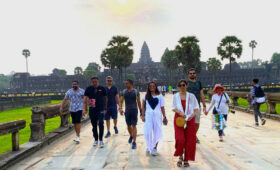
- Expert Local Guides: Instead of a generic guide, you’ll be accompanied by a Cambodian expert, often from the Siem Reap area. They don’t just know the history; they feel it. They can point out hidden carvings, explain the local legends, and share personal insights you won’t find in any guidebook.
- Authentic Cultural Immersion: Your itinerary will include visits to local markets where Cambodians shop, opportunities to learn traditional crafts like pottery or weaving, and even cooking classes in a family home.
- Sustainable & Responsible Tourism: Your travel dollars directly support the local economy. These packages prioritize family-run guesthouses, local restaurants, and community-based tourism projects, ensuring your visit has a positive impact.
- Unique, Off-the-Beaten-Path Experiences: Go beyond the main circuit (Angkor Wat, Bayon, Ta Prohm) to discover lesser-known gems like Beng Mealea or the river carvings of Kbal Spean, often with fewer crowds and a more serene atmosphere.
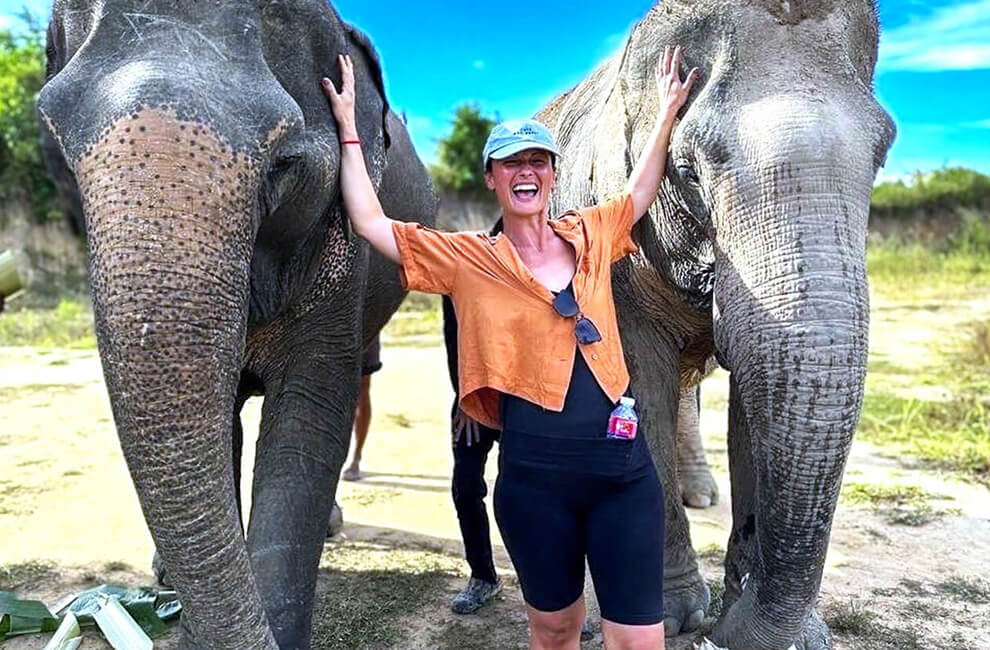
Cambodia Elephant Sanctuary Includes Hotel Pickup Drop-off
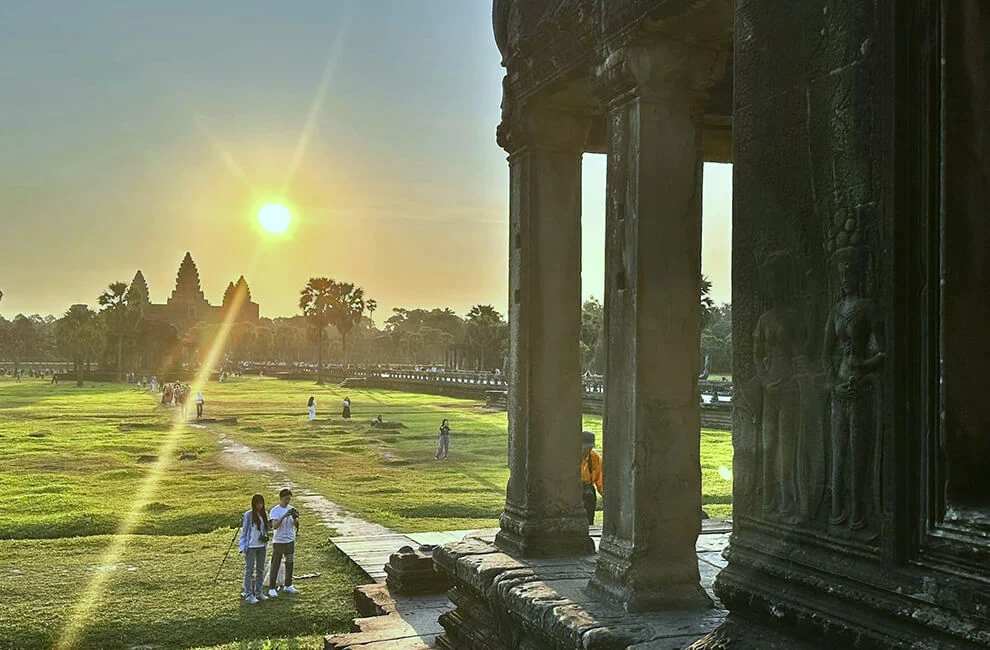
Curated “Visit Local Travel” Angkor Wat Package Experiences
We’ve moved beyond the one-size-fits-all package. Here are some themed experiences designed for the conscious traveler:
The Classic Cultural Immersion Package
This is the perfect blend of iconic temples and authentic local life.
- Temples: Sunrise at Angkor Wat, the enigmatic faces of Bayon, and the jungle-clad Ta Prohm.
- Local Experience: A guided tour of a local wet market followed by a hands-on Khmer cooking class with a local family. In the evening, enjoy a performance by Phare, The Cambodian Circus—a breathtaking show run by a non-profit school supporting young Cambodians.
- Accommodation: A stay at a boutique hotel or a family-run guesthouse known for its warm Cambodian hospitality.
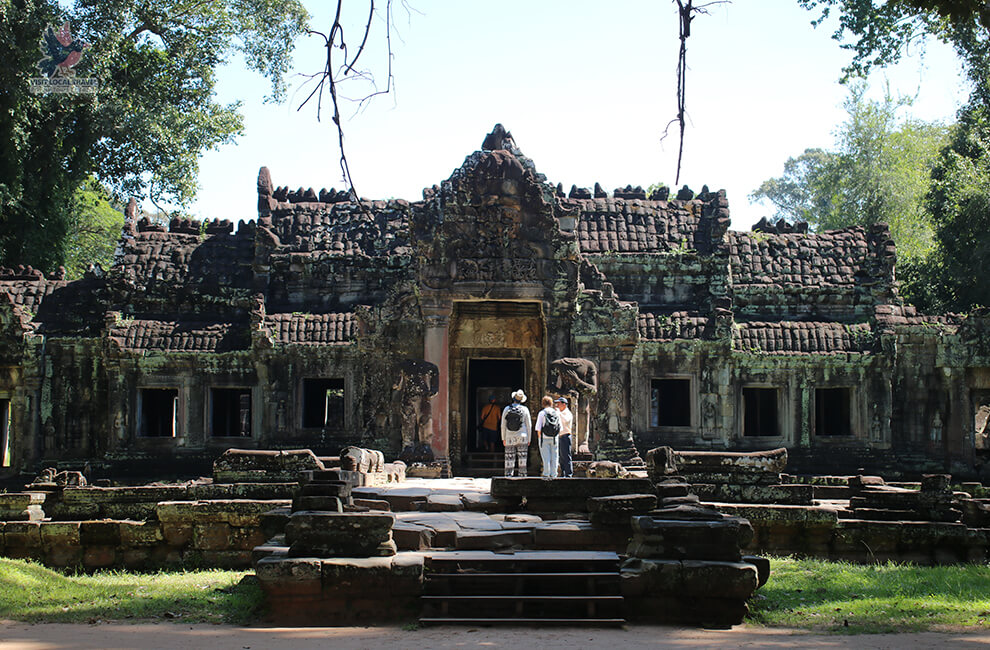
The Community & Countryside Explorer Package
Ideal for those who want to see how Cambodians live, work, and play beyond the temple walls.
- Temples: A focused tour of key temples, avoiding the largest crowds.
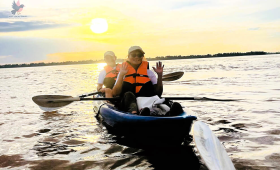
- Local Experience: A guided cycling or ox-cart tour through the Cambodian countryside. Visit a local school or community project (with prior, respectful arrangements). Explore the floating villages of Tonlé Sap Lake with a local boatman, understanding the unique ecosystem and way of life.
- Accommodation: A homestay or an eco-lodge that champions sustainable practices.
The In-Depth Heritage & Photography Package
For history buffs and photographers seeking the perfect shot and the story behind it.
- Temples: Visits to temples at the golden hours of sunrise and sunset. Exploration of remote and sprawling temple complexes like Beng Mealea and Banteay Srei (The Citadel of Women), known for its intricate pink sandstone carvings.
- Local Experience: Your guide will be a photography-savvy local who knows the best angles and the perfect times to avoid crowds. Includes a visit to a local artisan’s workshop to see traditional stone carving techniques passed down through generations.
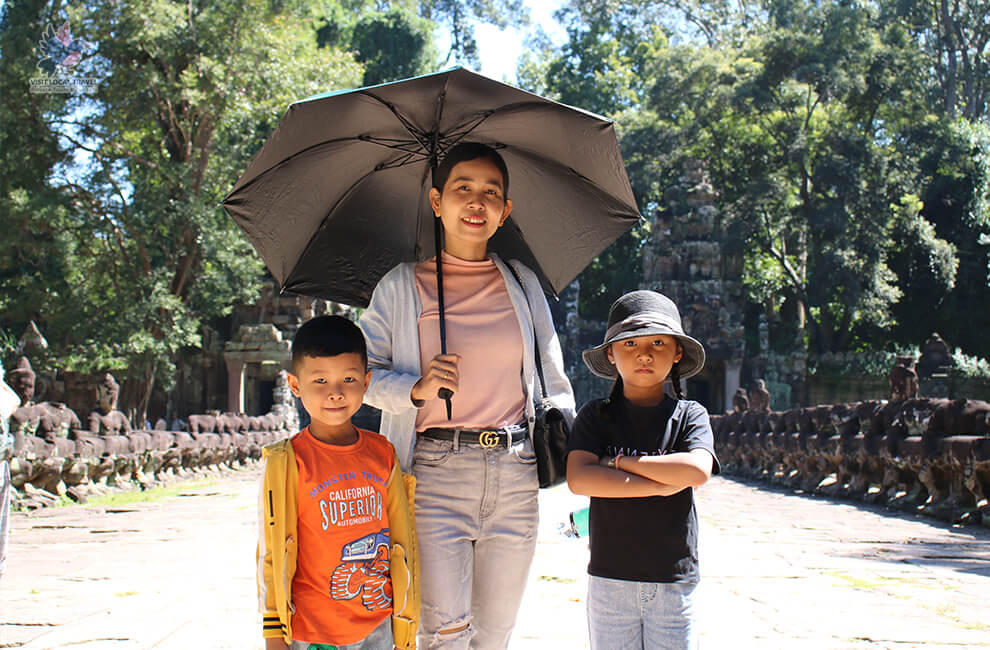
What to Look For in a Truly Local Tour Package
When comparing Angkor Wat tour packages, look for these keywords and inclusions to ensure an authentic “Visit Local Travel” experience:
- “Local English-Speaking Guide”: This is crucial. It specifies a Cambodian guide.
- “Community-Based Tourism (CBT)”: Indicates direct support for village projects.
- “Family-Run” or “Boutique” Accommodation: Suggests a more personal touch than large chain hotels.
- “Home-Cooked Meal” or “Market-to-Table Dining”: Promises a genuine culinary experience.
- “Off-the-Beaten-Path”: A commitment to showing you more than just the top 3 temples.
Ready to Plan Your Authentic Angkor Adventure?
Choosing a “Visit Local Travel” tour package for Angkor Wat is more than a vacation; it’s an investment in a meaningful cultural exchange. You’ll return home not just with pictures of ancient stones, but with memories of the people who bring Cambodia’s living culture to life.
Contact us today to craft your perfect personalized Angkor Wat itinerary. We connect you directly with trusted local operators who are passionate about sharing their heritage. Let’s build a journey that is as unforgettable for you as it is beneficial for the communities you visit.
Frequently Asked Questions About Angkor Wat Tour Packages
What is the best time of year to visit Angkor Wat?
The cool, dry season from November to February is the most popular and comfortable time to visit. The shoulder months of March-May are hotter, while the rainy season (June-October) brings lush, green landscapes and fewer crowds.
How many days do I need for Angkor Wat?
We recommend a minimum of 3 days to fully appreciate the major temples and include a meaningful local experience, such as a trip to Tonlé Sap or a countryside tour.
Are Angkor Wat tour packages all-inclusive?
It varies. Most quality packages include accommodation, transport, guide services, and temple passes. Meals, flights, and personal expenses are often extra. Always check the “Inclusions/Exclusions” list carefully.
How can I ensure my tour is ethical and supports local people?
Book with operators that emphasize “local guides,” “sustainable tourism,” and “community support.” Ask direct questions about how they give back to the community and ensure fair wages for their staff.