Cha Ong Waterfall

Have you ever dreamt of immersing yourself in the beauty of nature’s wonders? If so, then the Cha Ong Waterfall is a destination in Ratanakiri Province that should be at the top of your list. Tucked away in the lush green forests of Ratanakiri, this hidden gem offers a breathtaking experience that will leave you in awe. In this article, we will delve into the details of the Cha Ong Waterfall and provide you with all the information you need to plan your visit.

Overview and Location

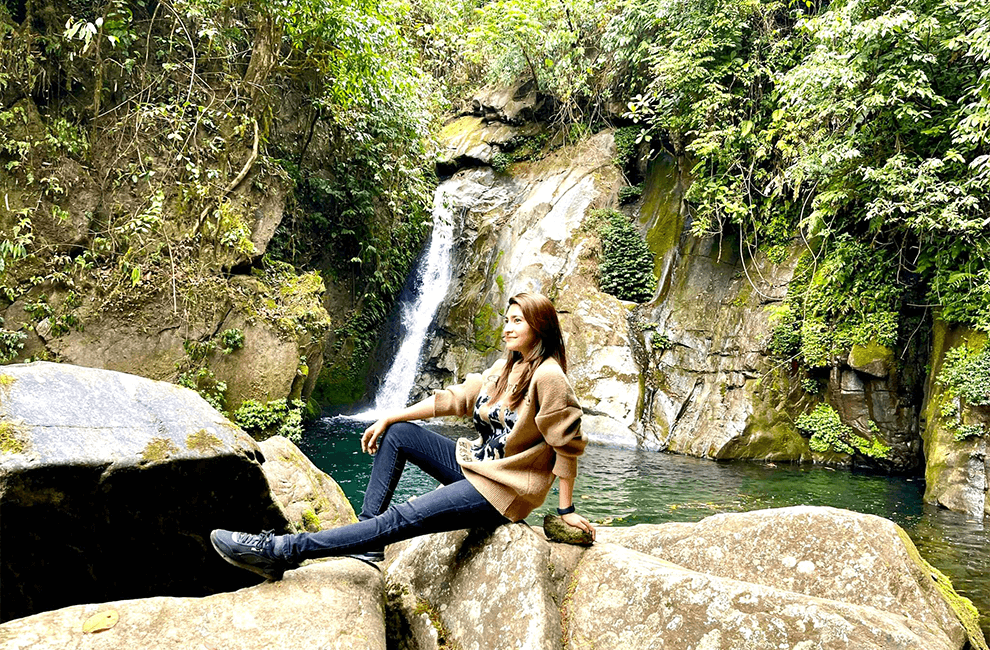
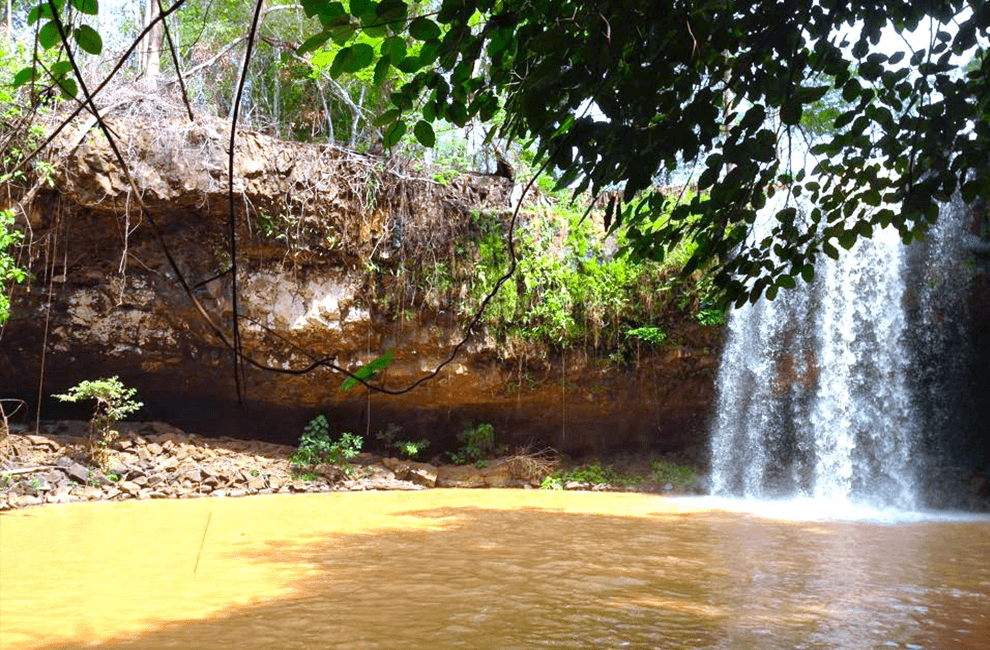
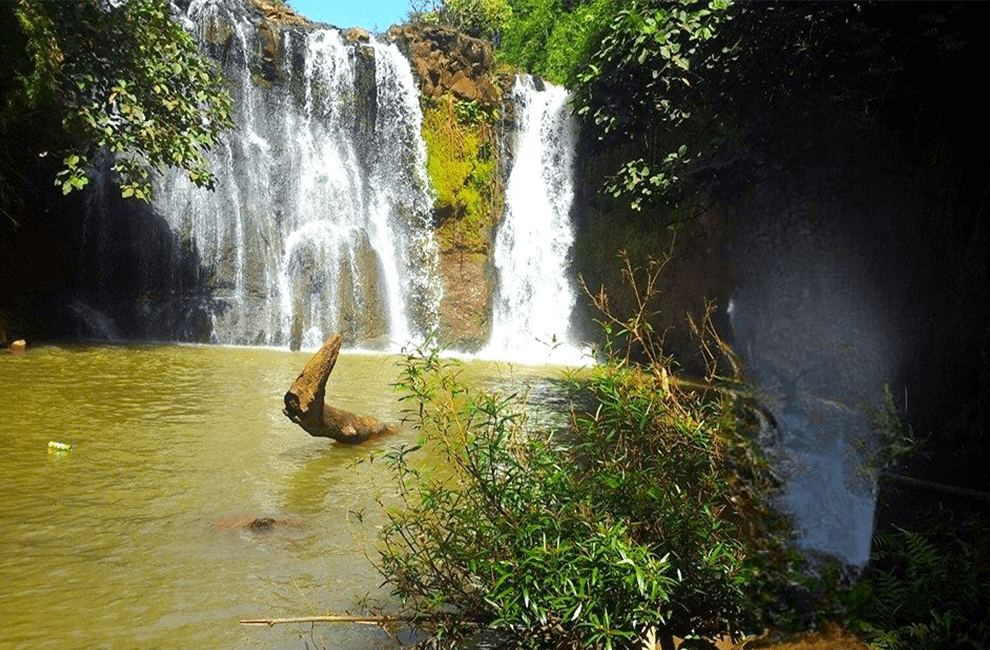
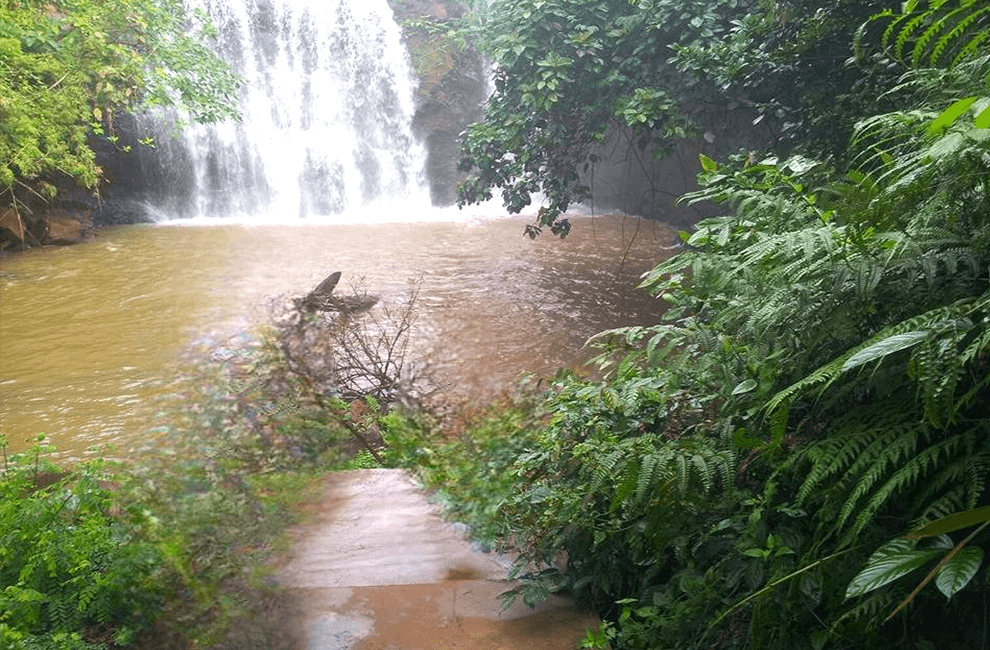
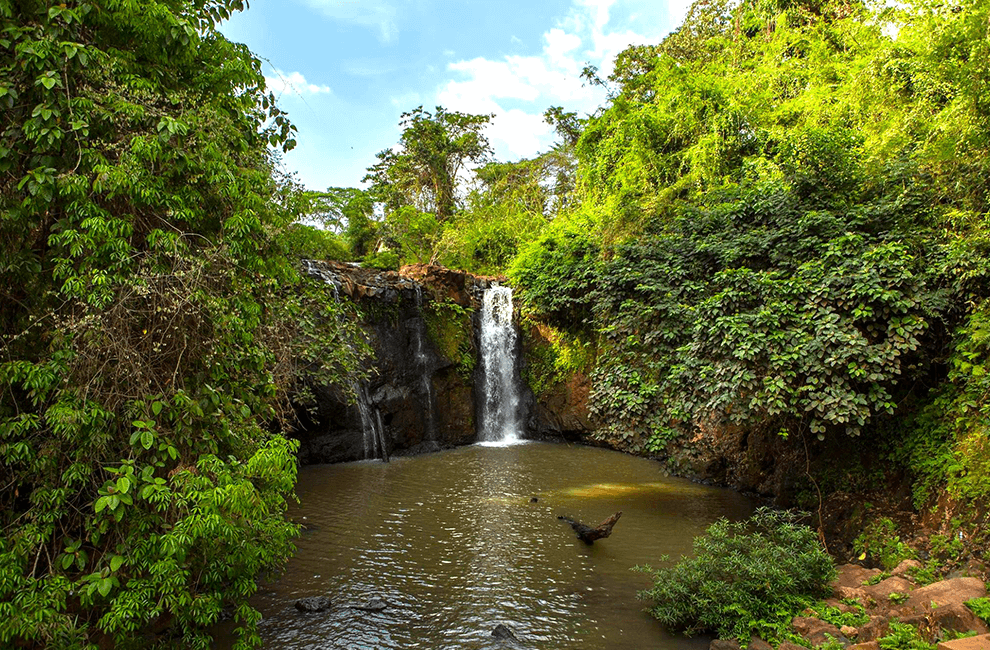
Located in the southern part of Ratanakiri Povince, Cambodia, the Cha Ong Waterfall is nestled within the Ba Na-Nui Chua Nature Reserve. This stunning waterfall is known for its mesmerizing beauty, cascading down the rocks and surrounded by lush vegetation. With its crystal clear waters and tranquil ambiance, it is no wonder that the Cha Ong Waterfall is a favorite spot for nature lovers and adventure seekers alike.
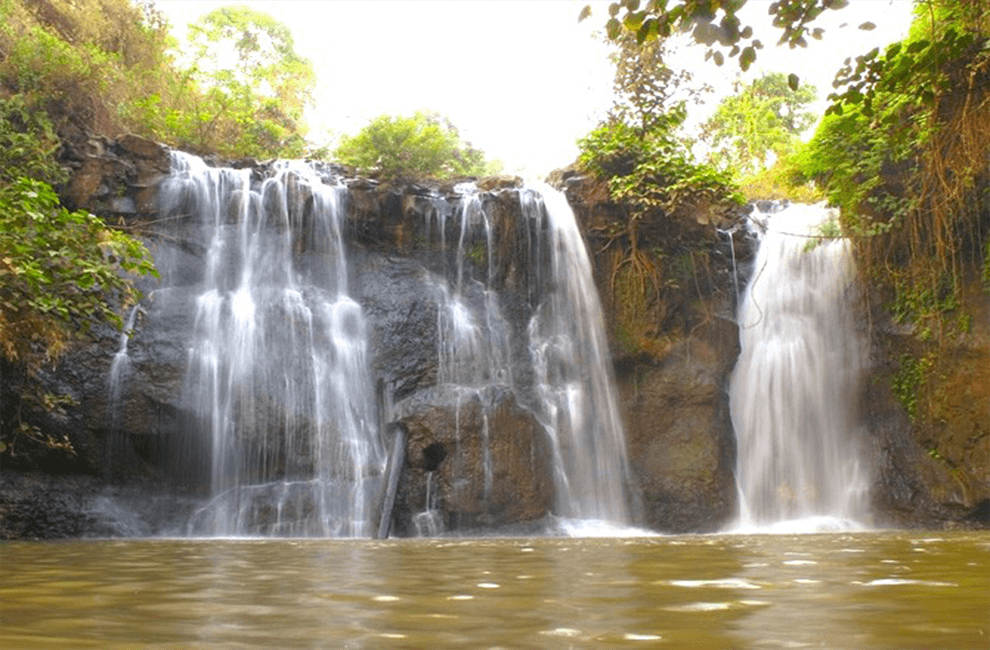
Cha Ong Waterfall

Travel Activities

  1. Swimming and Relaxing: One of the main attractions of the Cha Ong Waterfall is the opportunity to swim in its refreshing waters. After hiking through the scenic forest trails, take a dip in the cool pool at the base of the waterfall and let all your stress wash away.
  2. Picnicking: Surrounding the waterfall are lovely picnic areas, perfect for enjoying a leisurely meal amidst the sights and sounds of nature. Pack a delicious lunch and dine al fresco, basking in the picturesque surroundings.
  3. Photography: The Cha Ong Waterfall provides a photographer’s paradise, with its stunning vistas and unique angles. Capture the beauty of the cascading waters or the vibrant colors of the surrounding foliage. Every frame is a work of art waiting to be discovered.
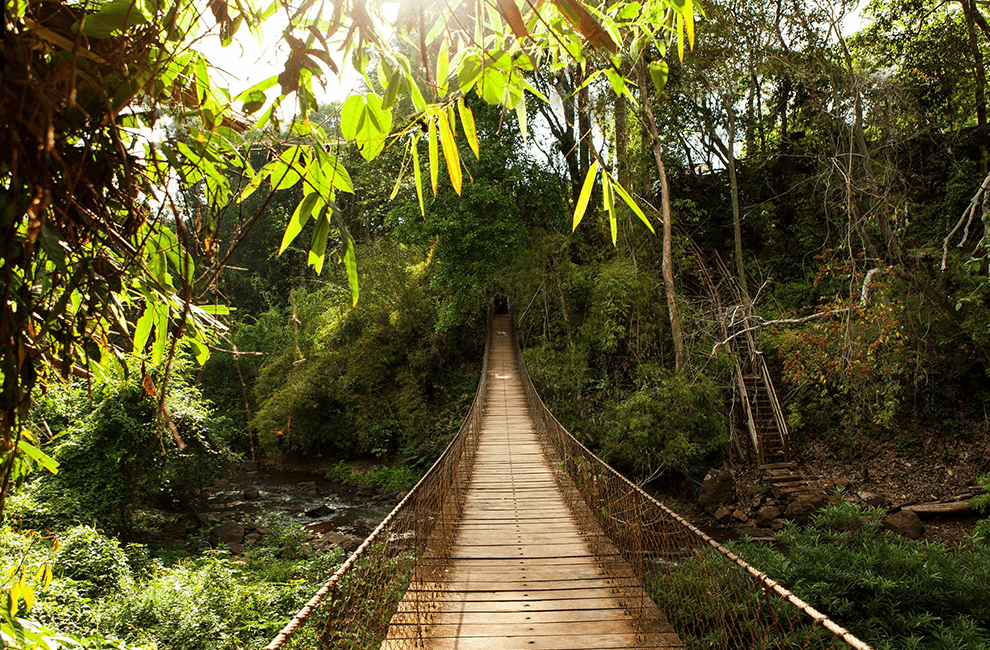
  4. Hiking and Trekking: For adventurous souls, hiking and trekking trails are available around the waterfall. Explore the dense forests, breathe in the fresh air, and immerse yourself in the natural beauty of Cambodia.

How to Get Cha Ong Waterfall

Reaching the Cha Ong Waterfall is an adventure in itself, but well worth the effort. Here’s how you can get there:

  1. By Air: The nearest airport to the Cha Ong Waterfall is Phnom Penh International Airport. From there, you can hire a taxi or take a bus to reach Banlung, where the waterfall is located.
  2. By Road: If you are already in Ratanakiri , you can hire a car or motorcycle and drive to the nature reserve. The journey will take you through scenic landscapes and picturesque towns, adding to the overall experience.
  3. guided tours: Another option is to join a guided tour. Many tour operators offer day trips to the Cha Ong Waterfall, complete with transportation and a knowledgeable guide. This is a convenient option for those who prefer a hassle-free experience.

Travel Guides

To make the most of your visit to the Cha Ong Waterfall, here are some travel guides and tips:

  • Best Time to Visit: The ideal time to visit the waterfall is during the dry season, which lasts from December to April. During this time, the weather is pleasant, and the waters are at their calmest.
  • Safety Precautions: While the Cha Ong Waterfall is a beautiful destination, it is important to stay safe. Always follow designated trails, wear appropriate footwear, and be cautious when swimming.
  • Pack Essentials: Don’t forget to bring essentials like sunscreen, insect repellent, and bottled water. These will ensure a comfortable and enjoyable experience.
  • Local Etiquette: Respect the natural surroundings and the local culture. Dispose of trash responsibly and be mindful of noise levels to preserve the serene ambiance of the waterfall.

So, are you ready to embark on an unforgettable adventure to the Cha Ong Waterfall? Prepare to be captivated by its majestic beauty and immerse yourself in the tranquility of nature. Pack your bags, grab your camera, and get ready to explore one of Ratanakiri’s true treasures.
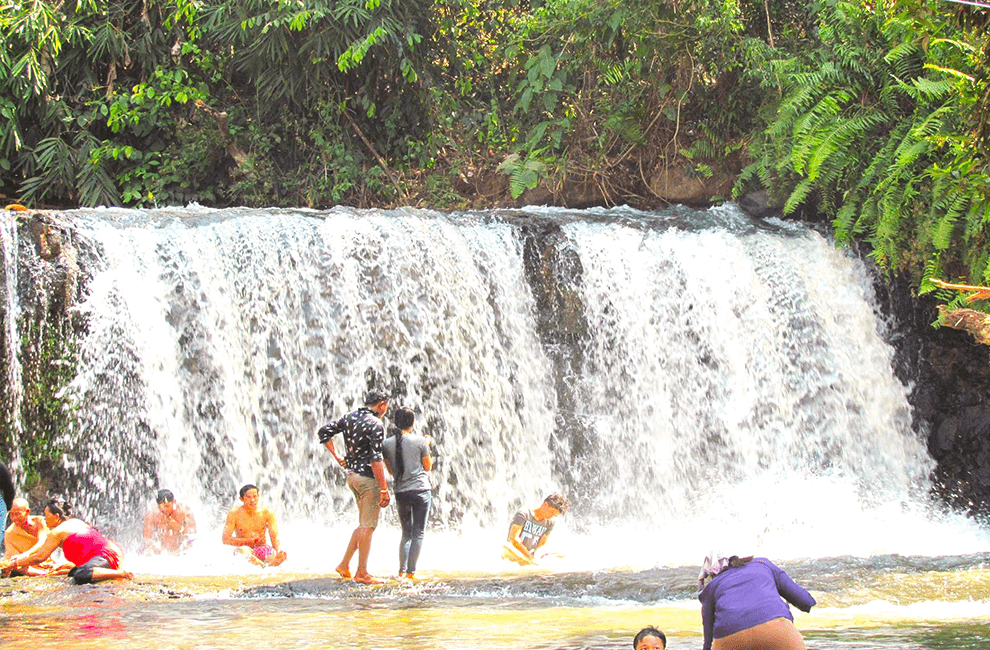
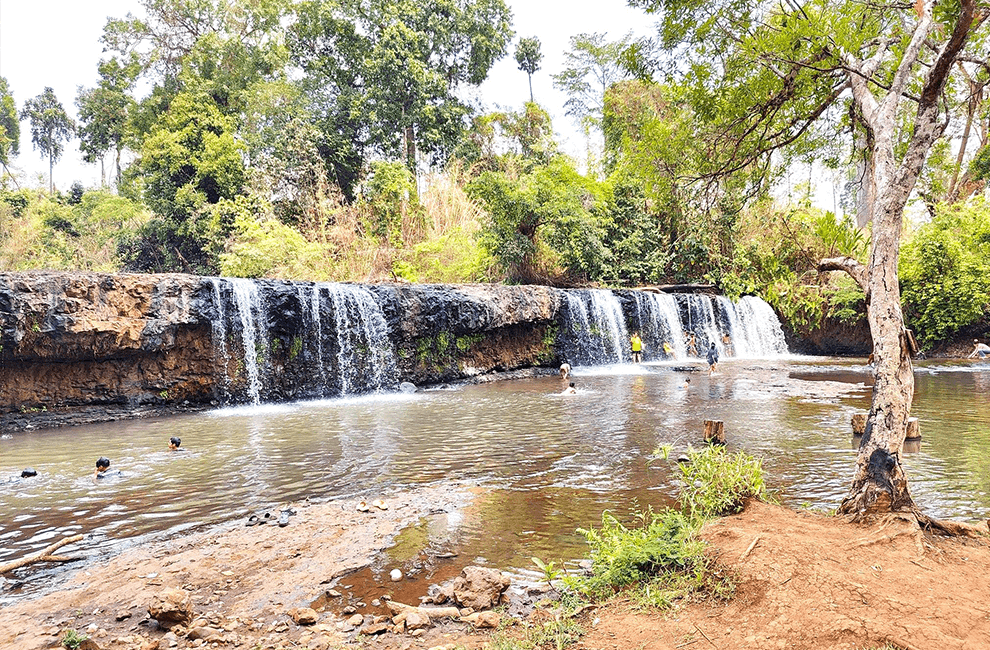
7 Steps Waterfall

Embarking on an exciting journey is every traveler’s dream. If you’re seeking a breathtaking natural wonder, look no further than the 7 Steps Waterfall. Located amidst pristine landscapes, this enchanting cascade promises an unforgettable experience for all nature enthusiasts. In this article, we will delve into the mesmerizing features of the Seven Steps Waterfall, explore the travel activities it offers, explain how to get there, and provide essential travel guides to make your visit truly exceptional.

7 Steps Waterfall

Overview and Location

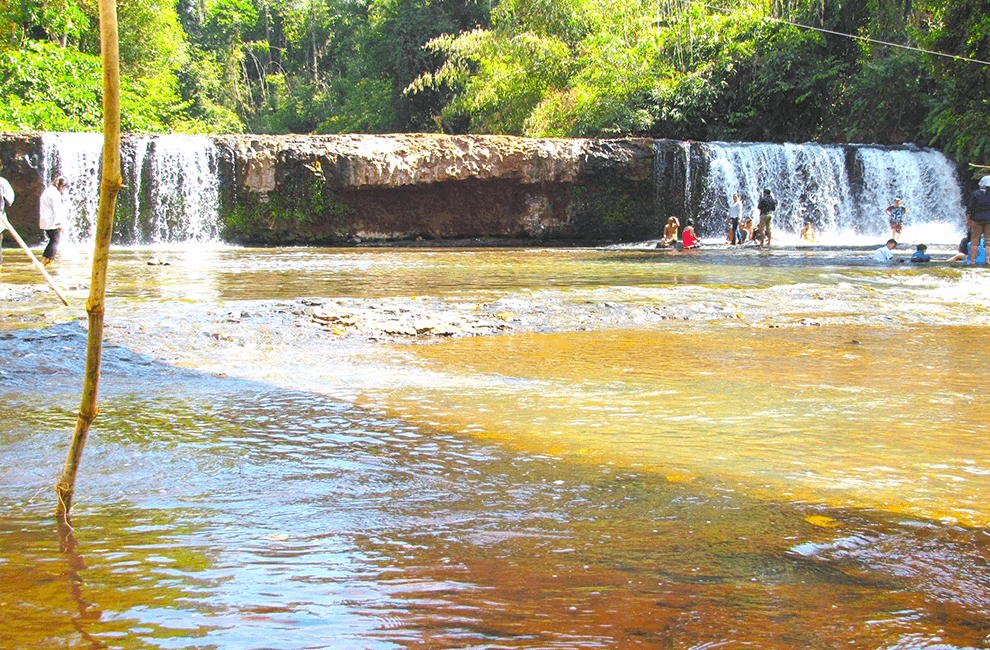
Nestled in the heart of a lush forest, the 7 Steps Waterfall is a hidden gem known for its awe-inspiring beauty. This natural wonder is situated in the remote region of Ratanakiri Province, Cambodia. Surrounded by verdant greenery and pristine landscapes. Its name is derived from the seven successive tiers that create a cascading effect, making it a visual spectacle like no other. The tranquil ambiance and soothing sound of flowing water create a serene environment perfect for rejuvenating your senses.

Travel Activities at 7 Steps Waterfall

  1. Hiking through Nature’s Splendor: The Seven Steps Waterfall offers an excellent opportunity for avid hikers to immerse themselves in the beauty of the surrounding wilderness. Traversing through well-marked trails, you can witness panoramic views, and diverse flora, and fauna that grace the landscape. Don’t forget to bring your camera to capture the mesmerizing sights.
  2. Swimming in Crystal-clear Pools: Take a refreshing dip in the crystal-clear pools formed by each tier of the waterfall. The invigorating water is a welcome respite from the tropical heat, allowing you to cool off and embrace the serenity of your surroundings. Remember to pack your swimsuit for this invigorating experience.
  3. Picnicking amidst Nature: Pack a delicious lunch and find a cozy spot overlooking the cascade for an idyllic picnic. Enjoy the symphony of nature while indulging in mouthwatering treats amidst the lush greenery. This is a perfect moment to bond with your loved ones or simply revel in solitude.
  4. Nature Photography: Capture the ethereal beauty of the Seven Steps Waterfall through the lens of your camera. The interplay of sunlight with the cascading waters and the vibrant flora offers endless opportunities for breathtaking photographs. Let your creativity flow as you frame the awe-inspiring beauty of this natural wonder.
7 Steps Waterfall

How to Get There

Getting to the 7 Steps Waterfall requires some planning, but the journey is well worth it. Here’s a step-by-step guide to help you reach this enchanting destination:

  1. By Air: If you’re traveling from afar, book a flight to the nearest airport such as Phnom Penh International Airport. From there, you can hire a taxi or rent a car to reach the waterfall. Alternatively, you can opt for public transportation, such as buses or trains, to get closer to your destination.
  2. By Road: If you prefer a road trip direct from any location in Cambodia, navigate your way to the nearest Phnom Penh City. From there, follow the signage or rely on GPS directions towards the 7 Steps Waterfall. The roads leading to the destination are well-maintained, ensuring a smooth and enjoyable drive.
7 Steps Waterfall

Travel Guides

  1. Best Time to Visit: The ideal time to visit the 7 Steps Waterfall is during the dry season rainy season when the weather is pleasant, and the water flow is at its peak. However, if you admire the charm of the rainy season, visit during July – September when the waterfall is at its fullest and most majestic.
  2. Safety Precautions: Prioritize your safety during your visit. Wear comfortable shoes suitable for trekking and hiking, as the terrain can be uneven. Additionally, carry sufficient water, sunscreen, insect repellent, and a first aid kit. Be cautious while swimming and heed any warning signs or instructions provided by authorities.
  3. Respecting Nature: Remember to respect the environment and follow Leave No Trace principles. Refrain from littering, make sure to dispose of waste properly, and avoid causing any harm to the flora and fauna. By being responsible travelers, we can preserve the beauty of the 7 Steps Waterfall for generations to come.
7 Steps Waterfall

In conclusion, the 7 Steps Waterfall offers an extraordinary escape into nature’s paradise. From exhilarating hiking trails and invigorating swimming experiences to serene picnics and captivating photography opportunities, this mesmerizing cascade has something for every adventurer. Plan your visit carefully, respect the environment, and prepare to be awe-struck by the majestic beauty that awaits you. Start your journey today and create memories that will last a lifetime.

Katieng Waterfall

Discover the beauty of Katieng Waterfall, a hidden gem nestled in the heart of Ratanakiri, Cambodia’s lush landscape. With its majestic cascades, tranquil surroundings, and vibrant wildlife, Katieng Waterfall offers a breathtaking experience for nature enthusiasts and adventure seekers alike. In this article, we will delve into the overview and location of this natural wonder, explore the travel activities it offers, guide you on how to get there and provide you with essential travel tips. So, pack your bags and get ready to embark on an unforgettable journey to Katieng Waterfall.

Overview and Location

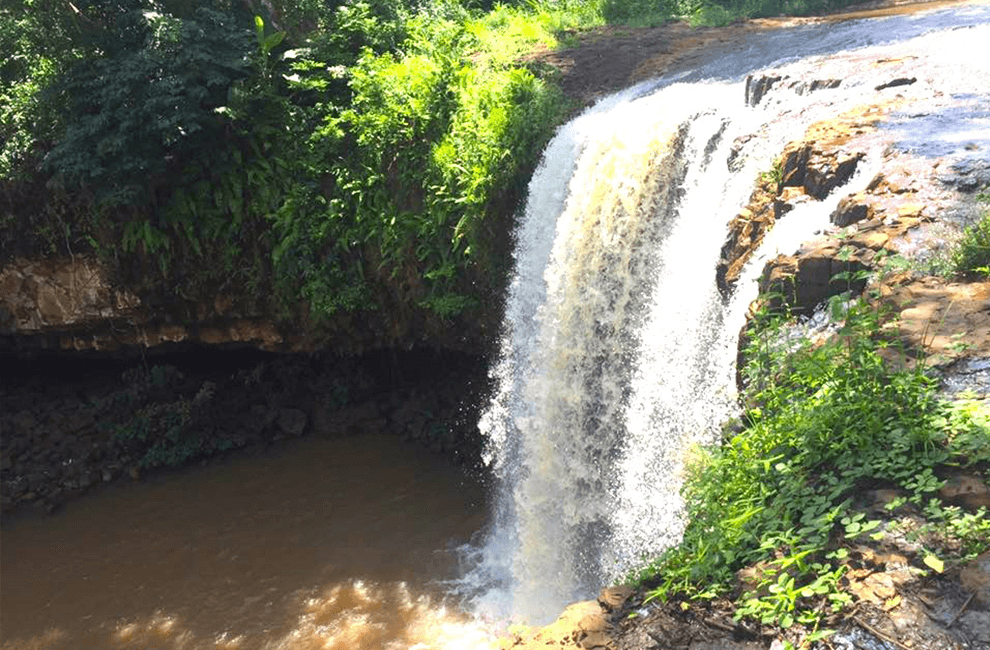
Located in the province of Ratanakiri, Katieng Waterfall is situated within the boundaries of the Katieng Wildlife Sanctuary. This pristine sanctuary spans over 182,500 hectares and boasts an incredible diversity of flora and fauna. The Katieng itself stands proudly at a height of approximately 10 meters, cascading into a crystal-clear pool below.

Katieng Waterfall

Travel Activities at Katieng Waterfall

1. Swimming and Relaxation

One of the main attractions at Katieng Waterfall is swimming in the refreshing waters. Take a dip in the refreshing pool and feel the rush of the cool water against your skin. Unwind on the nearby rocks or sandy beach and bask in the serenity of the surroundings. This idyllic spot offers an excellent chance to unwind and rejuvenate amidst nature’s embrace.

2. Trekking and Hiking

For adventurous souls, Katieng Waterfall offers ample opportunities for trekking and hiking. Embark on a guided trek through the nearby jungles and witness the captivating beauty of the wildlife sanctuary. Immerse yourself in nature as you traverse through lush vegetation, spot exotic birds, and encounter various indigenous species.

3. Picnicking

Katieng Waterfall is an excellent spot for a family picnic or a romantic getaway. Spread out a blanket, savor a delicious meal amidst the sound of cascading water, and create beautiful memories with your loved ones. Don’t forget to capture picturesque moments against the backdrop of the waterfall.

Katieng Waterfall

How to Get There

Reaching Katieng Waterfall requires a bit of effort, but the journey is undoubtedly worth it. Follow these steps to make your way to this hidden paradise:

  1. By Air: Book a flight to Phnom Penh, the capital city of Cambodia. Then taxi a taxi travel to Ratanakiry Province, which is the closest point to Katieng Waterfall.
  2. By Land: If you prefer overland travel, you can opt for a bus ride from any destination to Sen Monorom. The journey takes approximately seven hours. Upon reaching Sen Monorom, take a local taxi or rent a motorbike to reach Katieng Waterfall, which is about 30 kilometers away.
Katieng Waterfall

Travel Guides

To ensure a smooth and enjoyable trip to Katieng Waterfall, keep the following travel guides in mind:

  1. Best Time to Visit: The ideal time to visit Katieng Waterfall is during the dry season from November to April. During this period, the water levels are at their peak, offering a more stunning waterfall experience.
  2. Essential Items: Pack sunscreen, insect repellent, hiking shoes, swimwear, towels, and a camera to capture the natural beauty.
  3. Respect Nature: While exploring the waterfall and its surroundings, ensure that you respect the environment and wildlife. Do not litter or disturb the peaceful atmosphere. Remember, leave only footprints, take only memories.
  4. Local Guides: Consider hiring local guides who can provide you with valuable insights about the area’s flora, fauna, and traditions. They will make your experience more enriching and authentic.

In Conclusion

Katieng Waterfall is a hidden paradise waiting to be explored. With its breathtaking beauty, immersive activities, and serene ambiance, it promises an unforgettable adventure. Whether you seek swimming, trekking, or simply basking in nature’s tranquility, Katieng Waterfall has something to offer every traveler. So, plan your trip, venture into the heart of Cambodia, and experience the magic of this remarkable natural wonder.

Kachanh Waterfall

Welcome to the enchanting world of Kachanh Waterfall, where nature’s grandeur awaits you. Nestled amidst the untouched beauty of Ratanakiri, this hidden gem offers a breathtaking experience for travelers seeking tranquility and adventure. In this article, we will delve into the mesmerizing beauty and exciting travel activities that Kachanh Waterfall has to offer. Let’s embark on a journey like no other!

Overview and Location

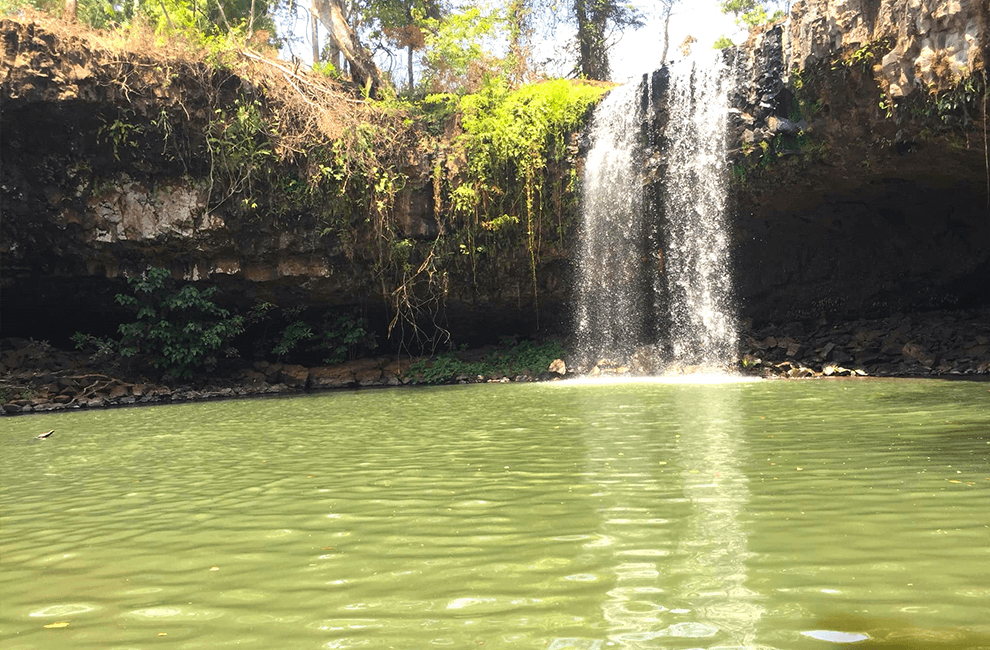
Located in the heart of Ratanakiri Province, Cambodia, Kachanh Waterfall is a majestic cascade that flows gracefully through lush greenery, inviting you to immerse yourself in its beauty. This picturesque waterfall stands tall at 15 meters in length, boasting mesmerizing views that will leave you spellbound. With its serene ambiance and pristine surroundings, Kachanh Waterfall is truly a nature lover’s paradise.

Kachanh Waterfall

Travel Activities

1. Trekking and Hiking

Embark on an exhilarating adventure through the rugged trails surrounding Kachanh Waterfall. As you trek through the dense forests, you’ll witness the true magnificence of nature and breathe in the invigorating fresh air. Let the sounds of tweeting birds and rustling leaves guide you towards this hidden oasis of tranquility.

2. Swimming and Relaxation

Dive into the crystal-clear waters that embrace the foot of Kachanh, offering a refreshing escape from the scorching heat. Feel the coolness of the water against your skin as you wade in its gentle currents. If you prefer some relaxation, find a serene spot by the waterfall and unwind while immersing yourself in the symphony of nature.

Kachanh Waterfall

3. Picnicking and Nature Photography

Indulge in a delightful picnic amidst the lush greenery that surrounds Kachanh Waterfall . Find a cozy spot to lay your picnic blanket, and savor the flavors of delicious local cuisine. Capture the beauty of this natural wonder through your lens, as every angle offers a breathtaking view. Let your camera immortalize the memories of this idyllic paradise.

Kachanh Waterfall

How to Get Kachanh Waterfall

Getting to Kachanh Waterfall is as exciting as the destination itself. Here’s a comprehensive guide on how to reach this hidden gem:

  1. By Air: The nearest airport to Kachanh Waterfall is Phnom Penh International. From the airport, you can hire a taxi or take a local bus to reach your destination.
  2. By Road: If you prefer a road trip, the journey to Kachanh Waterfall offers incredible scenic views. Hop on a bus or rent a car from Ratanakiri, and embark on a memorable drive through picturesque landscapes.
  3. By Hiking: For the adventurous souls, there might be a hiking trail leading to Kachanh Waterfall. With the help of a local guide, this challenging yet rewarding experience will allow you to truly immerse yourself in nature’s embrace.

Travel Guides

To ensure a memorable and hassle-free visit to Kachanh Waterfall, here are a few essential travel tips:

  1. Best Time to Visit: The ideal time to visit Kachanh Waterfall is during the rainy season when the waterfall is at its fullest and the weather is pleasant. Avoid visiting during the rainy season to ensure a safer and more enjoyable experience.
  2. Safety Precautions: While exploring the waterfall and its surroundings, always prioritize safety. Wear comfortable and sturdy footwear, carry sufficient water, and be mindful of your surroundings. Respect nature and follow any guidelines or restrictions imposed to preserve the beauty of this natural wonder.
  3. Local Attractions: Extend your trip by exploring the nearby attractions that offer a glimpse into the cultural and historical heritage of Ratanakiri. Don’t miss the opportunity to sample local delicacies and experience the vibrant festivities that reflect the region’s rich traditions.
Kachanh Waterfall

In conclusion, Kachanh Waterfall beckons travelers with its unwavering charm and awe-inspiring beauty. Whether you seek adventure, relaxation, or a deeper connection with nature, this hidden gem has it all. Embark on a blissful journey to Kachanh Waterfall and experience the magic that awaits amidst the heart of Ratanakiri Province.

Virachey National Park

Are you an adventurous soul seeking a unique and off-the-beaten-path destination to explore? Look no further than Virachey National Park in Ratanakiri Province of Cambodia. Nestled in the northeast corner of the country, this hidden gem offers an extraordinary experience for nature lovers and outdoor enthusiasts. With its lush jungles, diverse wildlife, and untouched landscapes, Virachey National Park promises an unforgettable adventure.

Virachey National Park Overview

Virachey National Park is a sprawling protected area spanning over 3,325 square kilometers. It is Cambodia’s largest national park and a haven for biodiversity, with an abundance of rare and endangered species. This remote and pristine wilderness is a treasure trove of natural wonders, encompassing dense forests, towering mountains, and cascading waterfalls. With its rich biodiversity and stunning landscapes, Virachey National Park is a paradise for eco-tourism and exploration.

Virachey National Park

Travel activities

Trekking and Hiking: Embark on thrilling jungle expeditions and trek through the park’s verdant trails. Encounter exotic flora and fauna, traverse rugged terrains, and be mesmerized by breathtaking panoramic views.

Wildlife Watching: Virachey National Park is home to some of the world’s most endangered mammals, including the Indochinese tiger and the Asian elephant. Join guided wildlife tours and catch a glimpse of these rare creatures in their natural habitat.

Bird Watching: With over 450 species of birds, Virachey National Park is a dream come true for bird enthusiasts. Set your sights on colorful avian species, and listen to the melodious calls echoing through the jungle.

River Expeditions: Navigate the scenic waterways of Virachey National Park on a kayaking or rafting adventure. Drift along pristine rivers, surrounded by lush greenery, and immerse yourself in the tranquility of nature.

Cultural Immersion: Interact with indigenous communities living in and around the park. Learn about their traditional way of life, customs, and folklore. Engage in local activities such as traditional weaving and handicraft making.

Virachey National Park

How to Get Virakchey National Park?

Reaching Virachey National Park requires some planning and preparation due to its remote location. Here are the essential steps to get there:

Fly to Phnom Penh or Siem Reap: Book a flight to either Phnom Penh or Siem Reap, the main gateway cities to Cambodia. Then hire a local taxi to travel to Ratanakiry Province.

Road Journey: From Stung Treng, hire a local guide and arrange transportation to the park’s entrance. The journey is an adventure in itself, as you navigate through rural landscapes and village communities.

Permits and Guides: Before entering the park, you will need to obtain the necessary permits and engage a licensed local guide to ensure a safe and responsible visit.

Virachey National Park

Travel Guides to Virachey National Park

To make the most of your visit to Virachey National Park, consider the following travel guides:

Pack for the Wilderness: Prepare appropriate gear such as sturdy hiking boots, lightweight clothing, insect repellent, and a waterproof backpack. Don’t forget to carry essential supplies like a first aid kit, water bottle, and a camera to capture the stunning scenery.

Choose Accommodations: Opt for eco-friendly accommodations near the park, such as eco-lodges or homestays that support local communities. These options not only provide comfortable lodging but also contribute to sustainable tourism practices.

Respect Nature and Culture: Follow the park’s rules and regulations, such as not disturbing wildlife, avoiding littering, and respecting the traditions of local communities. Leave only footprints and take unforgettable memories with you.

Virachey National Park

Plan Your Safari: Consult with experienced tour operators or local guides to plan your itinerary. They can help tailor your visit according to your interests, whether it’s wildlife spotting, trekking, or a cultural immersion experience.

Contribute to Conservation: Consider making a donation or participating in volunteer programs that support the conservation efforts within Virachey National Park. Your contribution will help protect the park’s biodiversity and support local communities.

In Conclusion, Virachey National Park is a precious gem waiting to be discovered in the heart of Cambodia. From its pristine landscapes to its rich biodiversity, this national park offers a unique and unforgettable experience for nature enthusiasts. So, pack your bags, set off on an adventure, and immerse yourself in the untouched beauty of Virachey National Park.

Virachey National Park

Ratanakiri Province

Are you looking for an off-the-beaten-path destination that offers pristine natural beauty and a rich cultural history? Look no further than Ratanakiri Province in Cambodia. This hidden gem is a paradise for adventurous travelers seeking a unique experience. In this article, we will delve into the captivating history, breathtaking attractions, and insider travel guides that will make your visit to Ratanakiri Province truly unforgettable.

Overview of Ratanakiri Province

Located in northeastern Cambodia, Ratanakiri Province is known for its dense forests, lush mountains, and picturesque waterfalls. The province covers an area of approximately 11,716 square kilometers and is home to a small population that predominately belongs to ethnic minority groups, such as the Phnong and the Tampuan.

Ratanakiri Province

History

Ratanakiri Province has a fascinating history that dates back to the ancient Khmer Empire. Once a part of the powerful Angkor civilization, the region was later conquered by the Cham and subsequently became a part of the Kingdom of Cambodia. The province remained relatively isolated until recent years, which has contributed to its pristine natural beauty and preserved indigenous culture.

Population

Despite its vast size, Ratanakiri Province has a relatively small population. As of 2021, it is estimated that the province is home to around 184,844 people. The majority of the population belongs to the Khmer ethnic group, while various indigenous minorities make up a significant portion as well. The diversity in culture and traditions adds another layer of charm to the province.

Economy

The economy of Ratanakiri Province is primarily agrarian, with agriculture being the main source of income for the locals. The province is known for its coffee plantations, which produce high-quality Arabica coffee. Additionally, gemstone mining, particularly of precious stones like sapphires and amethysts, contributes to the local economy. With its untapped natural resources, Ratanakiri Province has the potential for further economic growth.

Travel Attraction Sites

  1. Yeak Laom Volcanic Lake: Nestled amidst lush rainforests, Yeak Laom is a crystal-clear volcanic lake that is believed to have been formed over 700,000 years ago. The lake is sacred to the local indigenous tribes and is surrounded by hiking trails, allowing visitors to explore the surrounding flora and fauna.
  2. Virachey National Park: Covering over 3,325 square kilometers, Virachey National Park is a haven for nature enthusiasts. Its diverse ecosystem is home to rare wildlife species, including elephants, tigers, and gibbons. Adventurers can embark on trekking expeditions, camping trips, and even explore the hidden waterfalls within the park.
  3. Cha Ong Waterfall: Cha Ong Waterfall is a majestic waterfall cascading down from the cliffside, surrounded by towering trees and lush vegetation. It offers a serene and picturesque spot for visitors to swim, picnic, or simply bask in the tranquility of nature.
  4. Banlung Market: Immerse yourself in the local culture and vibrant atmosphere by exploring the bustling Banlung Market. Here, you can find an array of fresh produce, colorful textiles, and traditional handicrafts. Indulge in local delicacies and interact with friendly locals for an authentic Ratanakiri experience.
Ratanakiri Province

How to Get There

Reaching Ratanakiri Province may require a bit of planning, but the journey itself is an adventure worth experiencing. The most convenient way to reach the province is by flying into Banlung, the provincial capital. Several airlines operate flights from Phnom Penh to Banlung, ensuring a hassle-free travel experience. Alternatively, you can take a bus from Phnom Penh or Siem Reap, although the journey may be longer and more arduous.

Travel Guides

  1. Best Time to Visit: The best time to visit Ratanakiri Province is during the dry season, which typically spans from November to April. The weather is pleasant and conducive to outdoor activities, allowing you to fully immerse yourself in the natural wonders of the province.
  2. Cultural Sensitivity: When visiting Ratanakiri, it is important to respect the customs and traditions of the indigenous communities. Dress modestly, seek permission before taking photographs, and be mindful of cultural sensitivities. Engaging with the locals and learning about their customs can enhance your travel experience.
  3. Accommodation: While Ratanakiri Province offers a range of accommodation options, including guesthouses and hotels, it is important to book in advance, especially during the peak tourist season. Alternatively, you can opt for homestay programs to gain a deeper understanding of the local way of life.
  4. Local Cuisine: Don’t miss the opportunity to try the traditional dishes of Ratanakiri Province. Sample dishes such as “amok,” a curry made with fish or chicken, and “num banh chok,” a noodle soup with flavorful toppings. The rich flavors and unique combination of spices will tantalize your taste buds.

In conclusion, Ratanakiri Province is a hidden gem waiting to be explored. Its untouched natural landscapes, rich cultural heritage, and warm hospitality of the locals make it a truly immersive and captivating destination. Embark on an adventure to Ratanakiri Province and create unforgettable memories that will last a lifetime.

Why Travel with Tuk Tuk in Siem Reap

Are you planning a trip to the mesmerizing city of Siem Reap in Cambodia? If so, consider exploring this charming destination in a unique and exciting way – by traveling with a Tuk Tuk! This article will delve into the reasons why travel with Tuk Tuk in Siem Reap can be a delightful and unforgettable experience, highlighting the benefits of having a friendly driver, affordable rates, a safe and secure mode of transportation, support for local communities, and valuable insider advice.

Travel with Tuk Tuk Friendly Driver

One of the key advantages of exploring Siem Reap with a Tuk Tuk is having the opportunity to interact with friendly and knowledgeable drivers. Tuk Tuk drivers in Siem Reap are renowned for their warm hospitality and genuine eagerness to assist tourists in making the most of their visit. They often act as unofficial tour guides, offering valuable insights into the city’s history, culture, and hidden gems. With their contagious enthusiasm, they create a vibrant and enjoyable atmosphere, ensuring a memorable experience for travelers from around the world.

Affordable and Cost-Effective

Travel with Tuk Tuk in Siem Reap is not only a fun-filled mode of transportation but also an incredibly economical one. Compared to other means of transport such as taxis or private cars, Tuk Tuks offer unbeatable rates, making them a perfect option for budget-conscious travelers. The affordable prices allow visitors to roam around Siem Reap without worrying about excessive expenses, ensuring that they can fully immerse themselves in the city’s rich heritage, breathtaking landscapes, and captivating attractions. It costs about $15 to $20 depending on traveling mode.

Safe and Secure Journeys

Safety is always a top priority when Travel with Tuk Tuk to any destination. Fortunately, traveling with a Tuk Tuk in Siem Reap offers a secure and reliable mode of transport. Tuk Tuk drivers are well-versed with the city’s roads and are skilled at navigating through traffic, ensuring a smooth and hassle-free journey for passengers. Moreover, Tuk Tuks are open-air vehicles, providing a clear view of the surroundings and allowing travelers to fully embrace the magnificent sights, sounds, and aroma of Siem Reap, creating a sense of freedom and adventure.

Supporting the Local Community

Traveling with a Tuk Tuk in Siem Reap also presents an excellent opportunity to support the local community. By choosing this mode of transport, tourists contribute directly to the income of Tuk Tuk drivers and their families, thereby aiding in the development of the local economy. This support enables drivers to improve their living standards, invest in education, and uplift their communities. By opting for a Tuk Tuk, visitors become a part of a sustainable tourism model that seeks to empower and uplift local communities.

Insider Advice and Local Expertise

One of the biggest advantages of traveling with Tuk Tuk drivers in Siem Reap is the invaluable advice and insider knowledge they provide. Tuk Tuk drivers are well-versed in the city’s attractions, allowing them to offer tailored recommendations to suit individual preferences and interests. Whether it’s visiting the iconic Angkor Wat temple complex, exploring bustling local markets, or indulging in the city’s vibrant nightlife, Tuk Tuk drivers can guide tourists toward the hidden gems that will make their trip truly unique and unforgettable.

In conclusion, When planning your Travel with Tuk Tuk to Siem Reap, consider embarking on a Tuk Tuk journey to experience the magic and wonder of this remarkable city. With friendly drivers, affordable rates, a safe and secure mode of transportation, support for the local community, and valuable insider advice, Tuk Tuks offer a unique and authentic way to explore Siem Reap. So hop on a Tuk Tuk, immerse yourself in the rich culture and history, and create memories that will last a lifetime.

Cambodian Wedding Ceremony

In Cambodia, weddings are not just a union between two individuals, but a grand celebration that reflects the deep-rooted cultural traditions and values of the country. One of the most significant rituals in a traditional Cambodian wedding ceremony. This sacred and symbolic event holds great importance for Cambodians, as it marks the beginning of a lifelong journey together for the couple. Let’s delve deeper into the intricacies of the Cambodian wedding ceremony and understand its procedure and significance.

The Essence of the Cambodian Wedding Ceremony

The Cambodian wedding ceremony is an age-old tradition that embodies the values of love, commitment, and respect. It serves as a platform for families to come together and bless the couple, while also reinforcing the cultural heritage of Cambodia. This sacred event typically takes place in the bride’s family home, surrounded by loved ones and adorned with stunning traditional decorations.

Cambodian Wedding Ceremony

Wedding Ceremony Programs

The Cambodian wedding ceremony comprises several distinctive rituals, each holding a special meaning. Let’s walk through the procedure of this culturally rich celebration:

  1. The Blessing of the Ancestors
    The ceremony begins with the couple paying homage to their ancestors. They kneel in front of an ancestral altar, offering prayers and burning incense to seek blessings and guidance from their forefathers.
  2. The Exchange of Gifts
    The bride and groom exchange beautifully crafted trays of fruits, cakes, and other symbolic offerings. This gesture symbolizes the sharing of prosperity and well-wishes for their future together.
  3. Tying the Knot
    In a symbolic act of binding their lives together, the couple ties their wrists with a ceremonial white or red string. The color white represents purity, while red symbolizes good luck. This ritual signifies the unbreakable bond between the two souls.
  4. The Hair Cutting Ceremony
    As a representation of leaving behind the past and starting anew, the couple sits in front of their family members, who ceremoniously cut small locks of their hair. This act signifies the shedding of any past negativity and embracing a fresh beginning.
  5. Water Blessing Ceremony
    Water, considered sacred in Cambodian culture, plays a pivotal role in the Wedding Ceremony. The couple takes turns pouring water over each other’s hands, symbolizing purification and good fortune for their journey ahead.
Cambodian Wedding Ceremony

The Wedding Party: A Joyous Affair

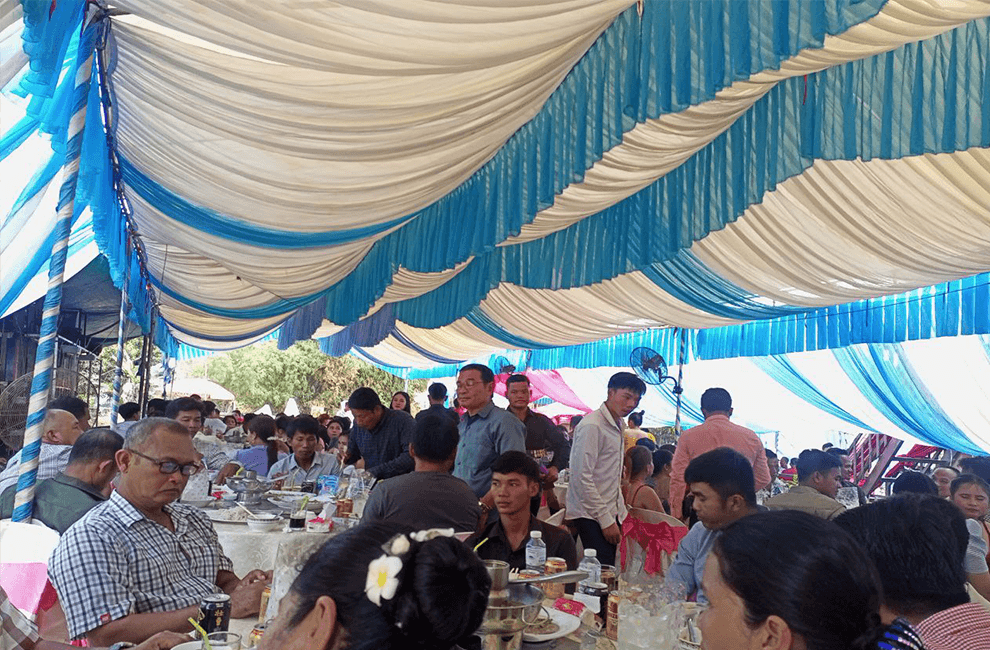
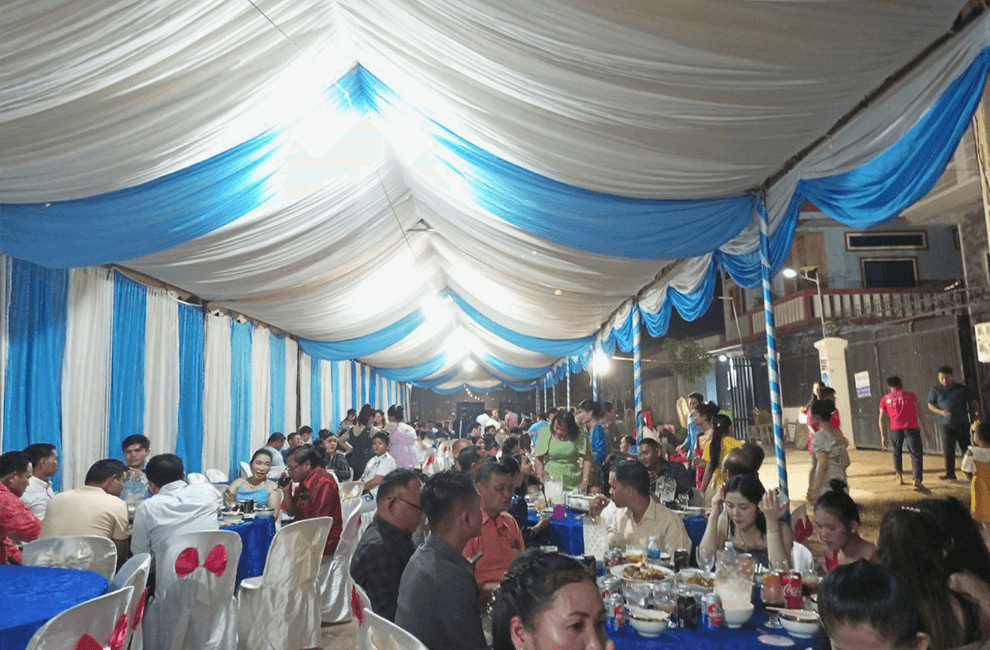
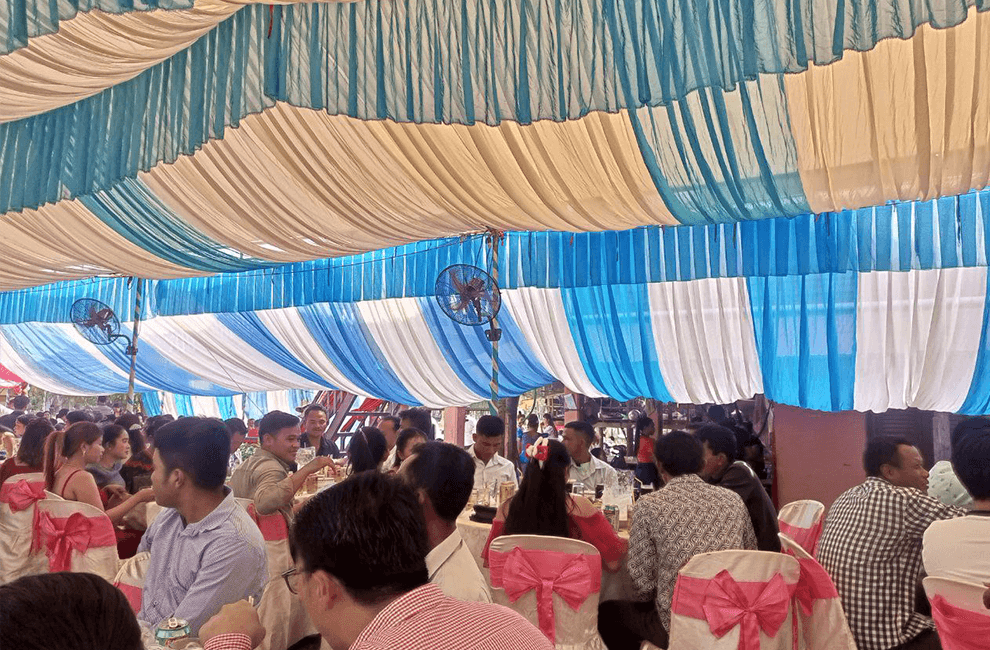
Following the solemn rituals of the Cambodian wedding ceremony, a lavish wedding party is held to celebrate the newlyweds. This festive event is a vibrant affair, filled with music, dance, and an abundance of delicious Cambodian delicacies. Family and friends come together to shower the couple with blessings, well-wishes, and heartfelt toasts.

The Wedding Party also includes traditional Khmer dances, performed by skilled artists dressed in elaborate costumes. These captivating performances serve as a visual testament to Cambodia’s rich cultural heritage, captivating guests and adding to the overall joyous ambiance of the celebration.

Cambodian Wedding Ceremony

Conclusion

The Cambodian Wedding Ceremony is not just a ritual; it is an embodiment of Cambodian culture, love, and unity. This sacred event, filled with meaningful customs and traditions, serves as a reminder of the deep-rooted values that bond families and communities together. Through each step of the procedure, the couple not only honors their ancestors but also looks forward to a prosperous future together. Indeed, the Cambodian wedding ceremony is a testament to the everlasting power of love and the richness of the Cambodian heritage.

Kampong Trach Cave

When it comes to unique and breathtaking natural attractions, Cambodia never fails to impress. One such hidden gem is the Kampong Trach Cave. Nestled in the countryside of Kampong Trach district, this enchanting cave complex offers an unforgettable adventure for explorers and nature enthusiasts. Let’s embark on a journey to unravel the wonders of Kampong Trach Cave and discover why it should be on every traveler’s bucket list.

Overview of Kampong Trach Cave

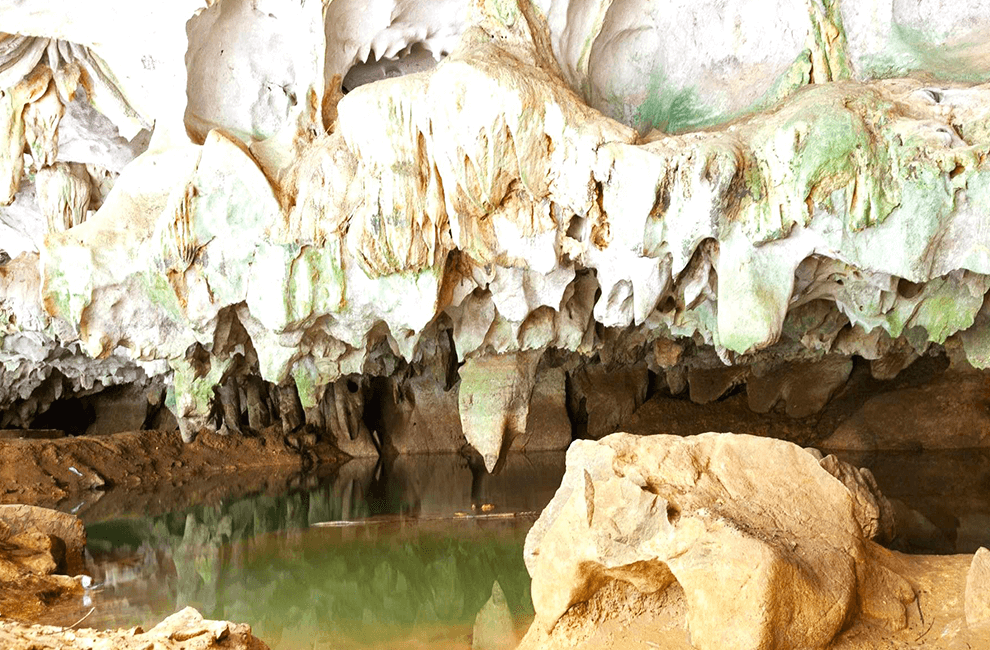
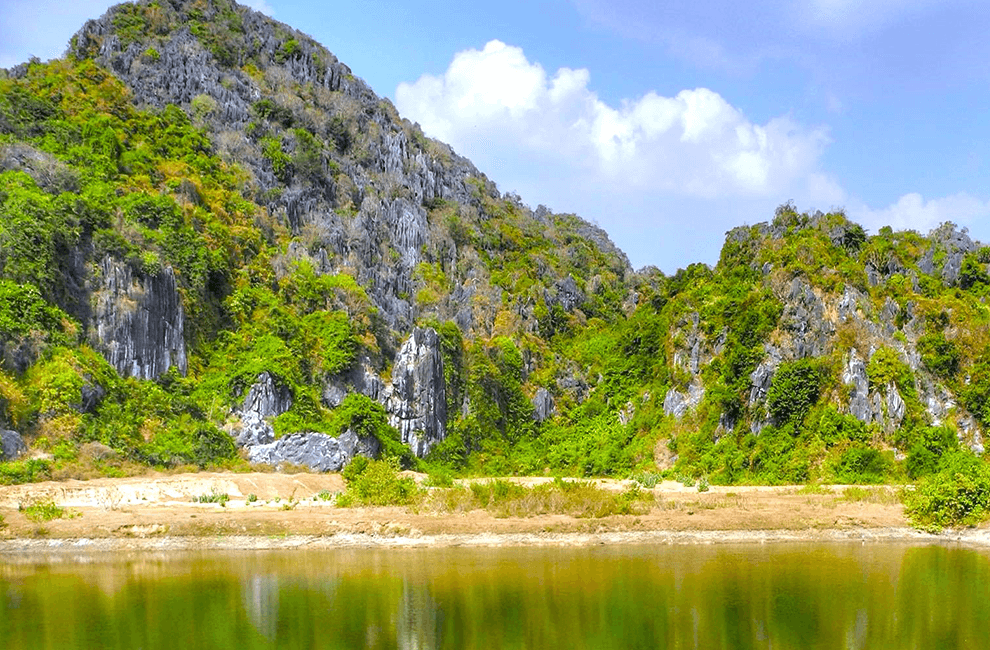
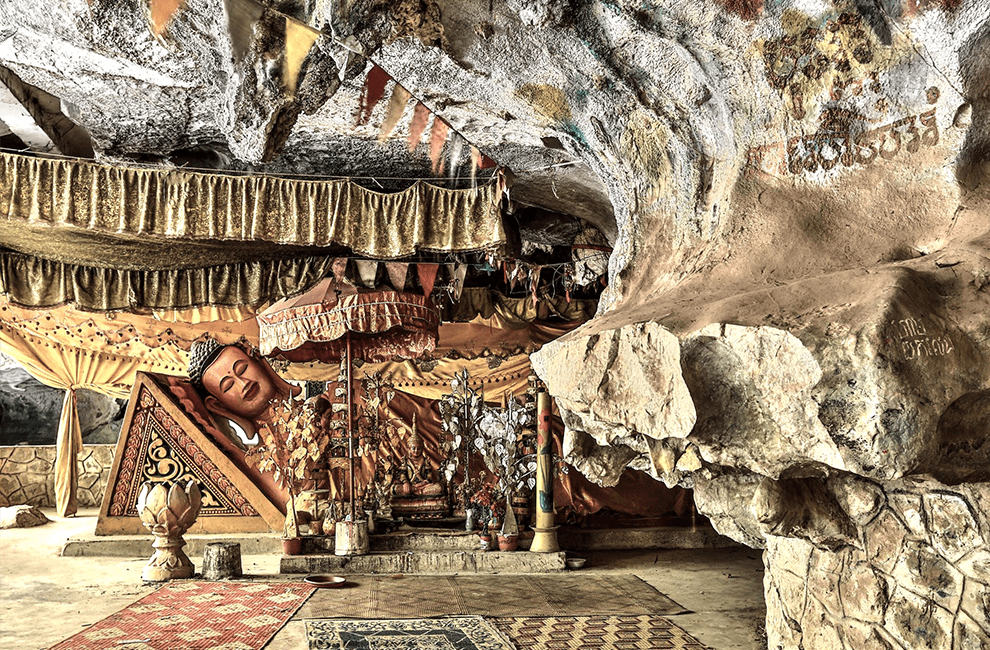
Located just 40 kilometers from Kampot Province, Kampong Trach Cave is a cluster of limestone caves with stunning geological formations, ancient shrines, and natural rock formations. The caves are interconnected, making it possible to explore different chambers and passageways. Kampong Trach Water Cave is not just a visual marvel, but it also holds immense historical significance as a place of worship and refuge during conflicts in Cambodia’s past.

Kampong Trach Cave

Travel Guide to Kampong Trach Cave

How to Get Kampong Trach Cave

Getting to Kampong Trach Water Cave is relatively easy. Most travelers prefer taking a tuk-tuk or renting a motorbike from Kampot town. The scenic drive to Kampong Trach district takes around 45 minutes, allowing you to soak in the picturesque countryside landscapes along the way. Once you reach Kampong Trach, there are signs and directions leading to the cave complex, ensuring you don’t get lost.

Entrance Fee and Timings

To enjoy the mesmerizing beauty of Kampong Trach Water Cave, visitors are required to pay a small entrance fee. The fee goes towards the maintenance and preservation of this natural wonder. The cave complex is open from dawn till dusk, allowing visitors to explore at their own pace and immerse themselves in the serene surroundings.

Kampong Trach Cave

Things to Do at Kampong Trach Cave

  1. Cave Exploration: The main highlight of a visit to Kampong Trach Cave is exploring the intricate cave network. As you delve deeper into the darkness, be prepared to encounter awe-inspiring stalagmites and stalactites, which have formed over millions of years. The caves also offer a cool respite from the scorching Cambodian heat.
  2. Boat Ride through the Cave: For a unique experience, take a boat ride through the cave. Traverse the subterranean river, and witness the magical play of light and shadow on the cave walls. It’s a surreal adventure that will leave you in awe of nature’s wonders.
  3. Visit Ancient Shrines: Inside Kampong Trach Water Cave, you’ll find ancient shrines dedicated to Hindu deities and Buddhist monks. These sacred spaces provide a glimpse into Cambodia’s rich religious and cultural heritage. Take a moment to soak in the spiritual ambiance and offer a prayer for good fortune.
  4. Picnic amidst Nature: The lush surroundings of Kampong Trach Cave make it an ideal spot for a picnic. Pack a delicious lunch and enjoy a leisurely meal amidst the tranquil ambiance. The verdant greenery and soothing sounds of nature will heighten your dining experience.
  5. Capture Stunning Photographs: If you’re a photography enthusiast, Kampong Trach Cave is a paradise for capturing stunning shots. The unique rock formations, interplay of light and shadow, and vibrant colors provide endless creative opportunities. Don’t forget to bring your camera and unleash your inner artist.
Kampong Trach Cave

Kampong Trach Cave: A Must-Visit Destination

Kampong Trach Cave offers a truly immersive experience, combining natural wonders, cultural heritage, and historical significance. Whether you’re a cave enthusiast, a history buff, or simply seeking a unique adventure, this hidden gem in Cambodia has something for everyone. Marvel at the intricate rock formations, delve into the depths of the cave and appreciate the spiritual aura of the ancient shrines. A trip to Kampong Trach Cave is a journey of discovery and an opportunity to connect with the marvels of the natural world.

So, what are you waiting for? Plan your visit to Kampong Trach Cave and embark on an unforgettable adventure that will leave you in awe of Cambodia’s hidden treasures.
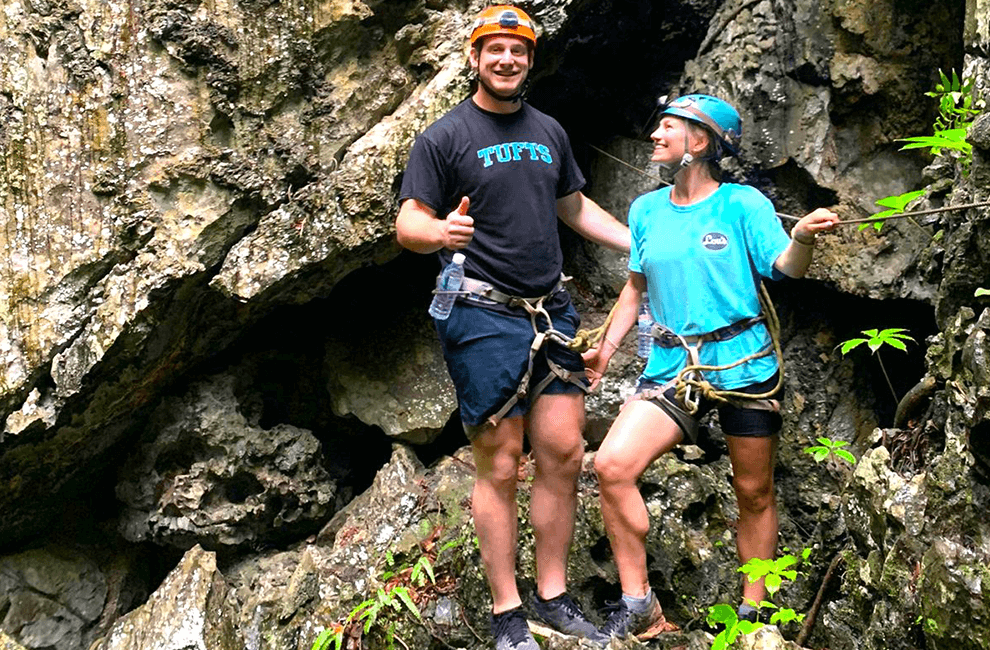
Buddha Kiri Cambodia

A Sanctuary of Serenity and Spiritual Enlightenment

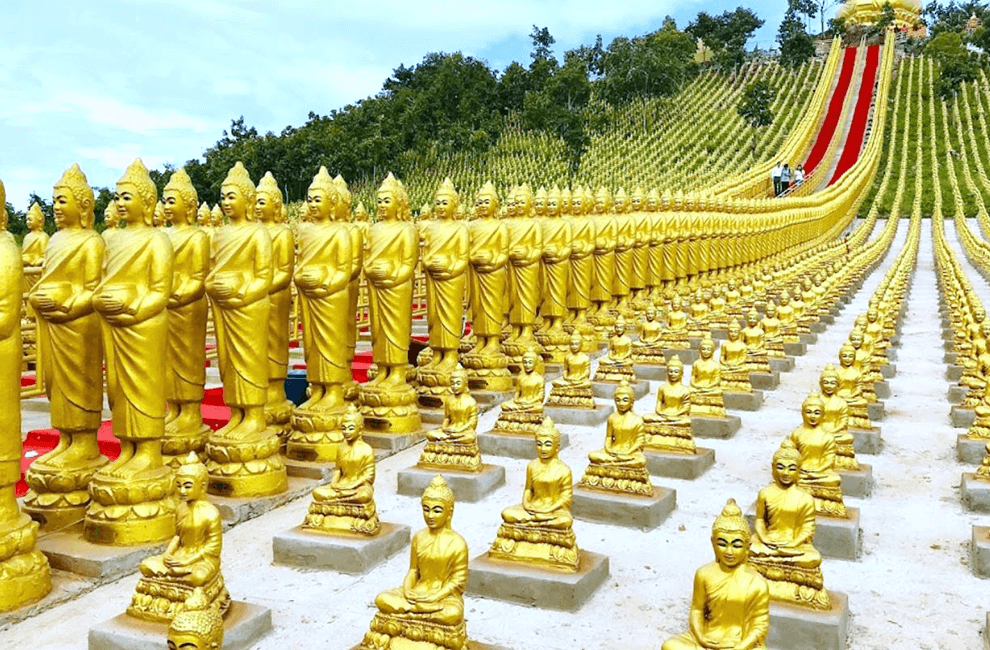
Escape the chaos of city life and embark on a journey to Buddha Kiri Cambodia in Kampot, a serene retreat nestled amidst the tranquil beauty of Cambodia. This hidden gem offers a unique experience, allowing visitors to embark on a spiritual journey and immerse themselves in the peace and tranquility of Buddhist teachings. In this article, we will provide a comprehensive travel guide, highlighting the things to do and how to get there, ensuring you make the most of your visit to Buddha Kiri Cambodia.

Buddha Kiri Cambodia

Buddha Kiri: A Spiritual Oasis

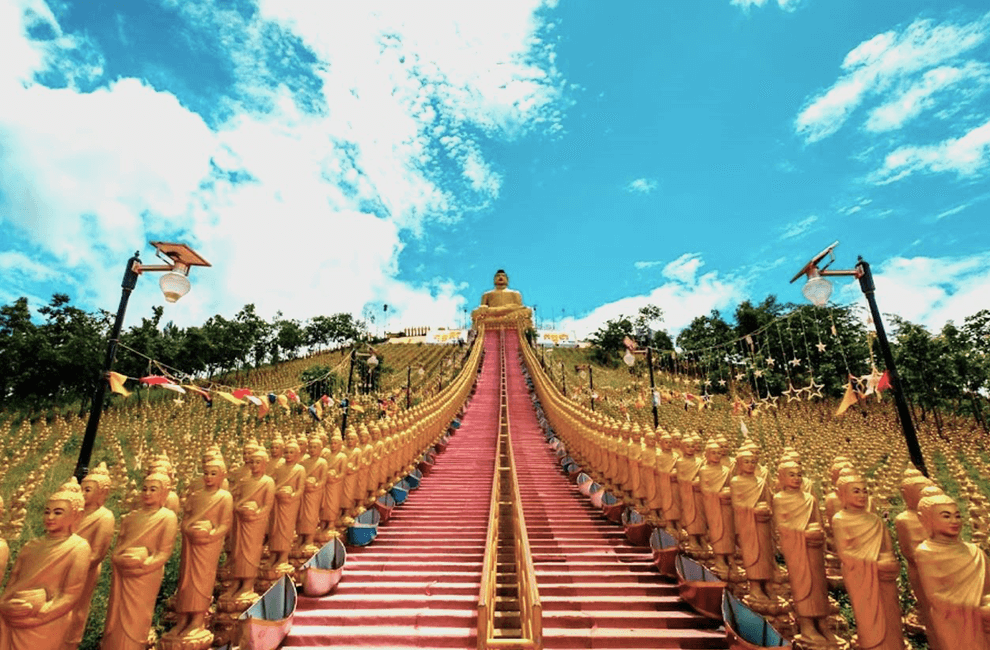
Buddha Kiri, which translates to “Mountain of Buddha,” is a prominent Buddhist retreat located in the enchanting province of Kampot. Surrounded by lush greenery and stunning landscape, this sanctuary offers a harmonious ambiance that captivates the soul and rejuvenates the mind.

A Travel Guide to Buddha Kiri

How to Get there

Making your way to Buddha Kiri Cambodia is relatively easy. From the heart of Kampot, you can either hire a tuk-tuk or rent a bicycle for an adventurous journey to this spiritual oasis. The approximate distance is around 15 kilometers, and the route is adorned with picturesque views of paddy fields and distant mountains.

Things to Do at Buddha Kiri Cambodia

  1. Discover the Grand Pagoda: At the heart of Buddha Kiri Cambodia, stands a magnificent pagoda adorned with intricate architectural details. Pay homage to the Buddha statues and immerse yourself in the spiritual ambience of this sacred place.
  2. Meditation Retreats: Take a step towards inner peace by participating in meditation retreats offered by the monastery. Under the guidance of experienced monks, learn the art of mindfulness and find solace in the present moment.
  3. Nature Walks: Venture into the lush surrounding forests and embrace the serenity that nature offers. Let the melodies of chirping birds and the gentle rustle of leaves guide you on your exploration.
  4. Discover the Bamboo Bridge: Wander across the enchanting bamboo bridge that connects the tranquil retreat to the neighboring island. Lose yourself in the breathtaking views that surround you and create lifelong memories.
Buddha Kiri Cambodia

History and Significance

Buddha Kiri holds great historical and spiritual significance. Founded in the late 19th century, it served as a place of worship and meditation for numerous renowned Buddhist masters. The retreat continues to preserve the essence of their teachings, providing a sanctuary for seekers of enlightenment.

Creating Memories

Buddha Kiri is much more than just a religious site. It is a place where memories are made and lifelong friendships are formed. Connect with fellow travelers in peaceful surroundings, engage in meaningful conversations, and share experiences that will stay etched in your heart forever.

FAQs: Your Questions Answered

Q: Is Open to visitors of all religions?
A: Yes, Buddha Kiri welcomes visitors from all walks of life, regardless of their faith. Its serene atmosphere and spiritual teachings are open to anyone seeking solace and enlightenment.
Q: Are there accommodation options available at Buddha Kiri?
A: While Buddha Kiri primarily functions as a retreat, it offers limited accommodation facilities for those interested in a more immersive experience. It is advisable to book in advance to secure your stay.
Q: Can I participate in meditation retreats if I’m a beginner?
A: Absolutely! The meditation retreats at Buddha cater to practitioners of all levels, including beginners. Skilled monks will guide you through the process, ensuring a meaningful experience.

Conclusion: A Journey to Serenity

Embarking on a journey to Buddha Kiri in Kampot is an opportunity to escape from the hustle and bustle of daily life and reconnect with your inner self. Immerse yourself in the spiritual teachings, discover the beauty of nature, and create lasting memories. Let Buddha Kiri be your guide to serenity and enlightenment.

Climbodia Office in Kampot Province

Looking for an exhilarating adventure in Southeast Asia? Look no further than Climbodia Office! With its stunning landscapes, thrilling activities, and warm hospitality, Climbodia Office is truly a paradise for adventure seekers. In this article, we will take you on a virtual tour of this amazing destination, providing a comprehensive travel guide, highlighting the best things to do, and sharing valuable information on how to get there.

Overview

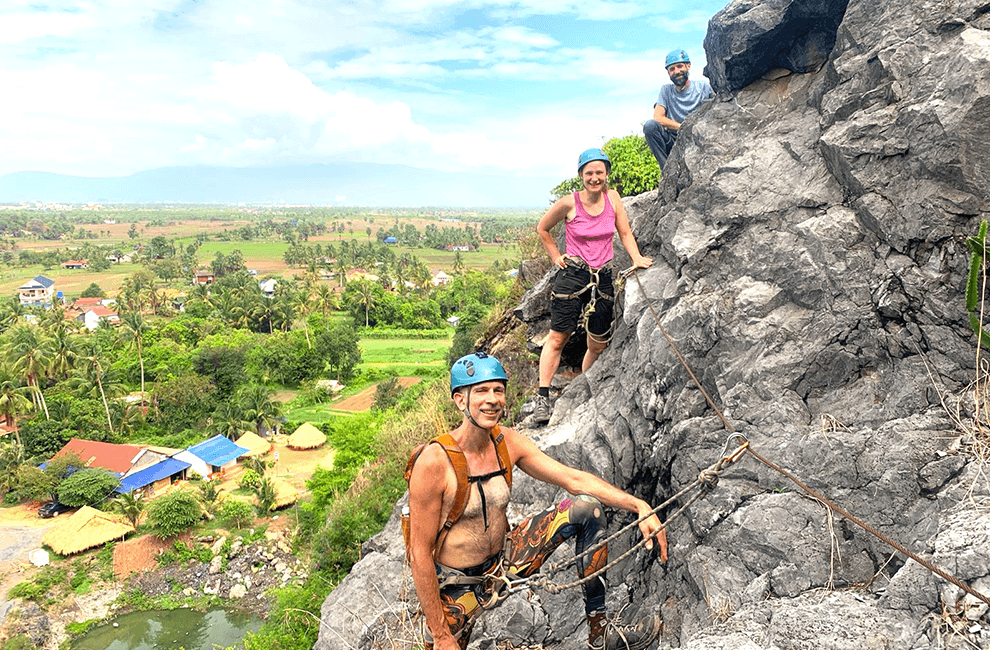
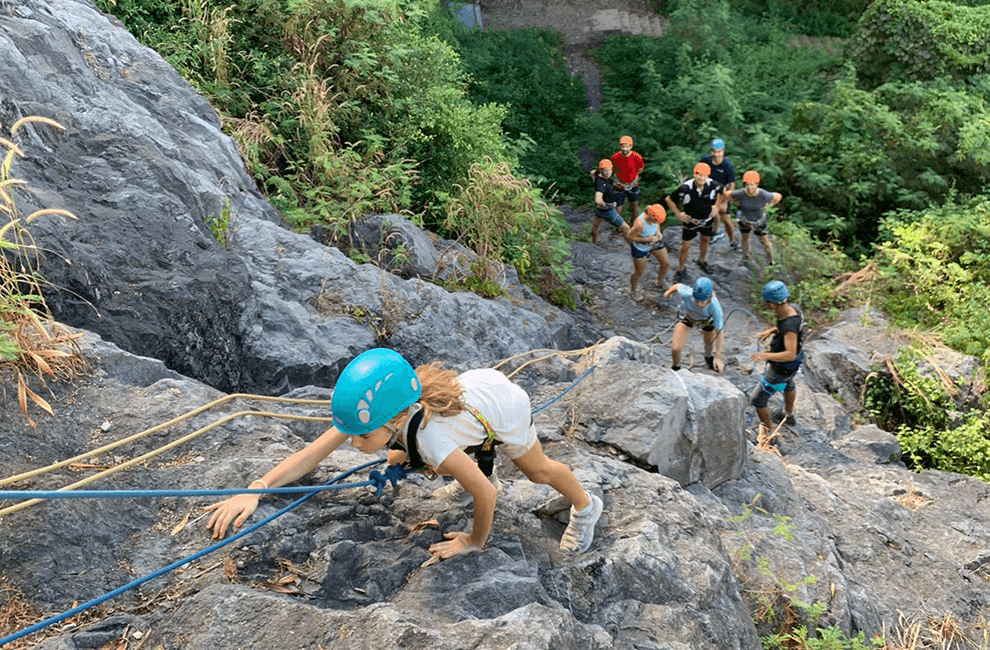
Nestled in the heart of Kampot Province, Cambodia. Climbodia Office is renowned for its sheer limestone cliffs, lush forests, and vibrant culture. This awe-inspiring destination is a haven for outdoor enthusiasts, offering a wide range of activities such as rock climbing, hiking, jungle trekking, and more. Whether you’re a seasoned adrenaline junkie or a novice seeking a new challenge, Climbodia Office has something for everyone.

Climbodia Office

Travel Guide

Best Time to Visit

The best time to visit Climbodia Office is during the dry season, which spans from November to April. During this period, the weather is pleasant, with lower chances of rainfall. However, do keep in mind that these months can also be the busiest, so it’s advisable to book your accommodation well in advance.

Visa Requirements

Before embarking on your adventure to Climbodia Office, make sure to check the visa requirements for your country of residence. Some nationalities may be eligible for a visa on arrival, while others may need to obtain a visa before their arrival. It’s essential to familiarize yourself with the necessary documentation to ensure a smooth travel experience.

Currency and Language

The official currency in Climbodia Office is the Cambodian Riel (KHR), although the US Dollar is also widely accepted. English is spoken in most tourist areas, making communication relatively easy for international visitors.

Accommodation Options

Climbodia Office offers a variety of accommodation options to suit different preferences and budgets. From cozy guesthouses and hostels to luxurious resorts, there is something for every type of traveler. It’s recommended to research and book your accommodation in advance, especially during peak seasons.

Things to Do at Climbodia Office

Rock Climbing

With its breathtaking limestone cliffs and challenging routes, Climbodia Office is a rock climbing paradise. Whether you’re a beginner or an experienced climber, there are plenty of routes to test your skills and push your limits. Engage in this thrilling activity and enjoy panoramic views from atop the cliffs.

Climbodia Office

Hiking and Trekking

Exploring the pristine beauty of Climbodia Office’s jungles and mountains is a must-do for nature enthusiasts. Embark on scenic hikes and treks, where you’ll encounter exotic flora and fauna, hidden waterfalls, and stunning vistas. Don’t forget to bring your camera to capture the memories of this unforgettable experience.

Cycling and Kayaking

For those seeking a more active adventure, Climbodia Office offers exciting cycling and kayaking opportunities. Explore the charming countryside on two wheels, meandering through traditional villages and picturesque landscapes. Alternatively, paddle along serene rivers and lakes, immersing yourself in the tranquility of nature.

How to Get Climbodia Office

By Air

The most convenient way to reach Climbodia is by flying to Phnom Penh International Airport or Siem Reap International Airport. From there, you can take a domestic flight to Sihanoukville International Airport, which is the nearest airport to Climbodia.

By Land

If you prefer an overland journey, you can take a bus or hire a private car from neighboring countries such as Thailand, Vietnam, or Laos. The road network in Southeast Asia is well-connected, offering a scenic and adventurous route to Climbodia Office.

Climbodia Office

Conclusion

Climbodia Office is an adventure lover’s dream come true. With its stunning natural landscapes, diverse activities, and warm Cambodian hospitality, it promises an experience of a lifetime. Plan your trip to Climbodia Office and embark on a thrilling journey that will leave you with unforgettable memories. Get ready to climb, hike, and explore the wonders of this extraordinary destination in Southeast Asia.

La Plantation Kampot Pepper Farm

Are you a food enthusiast looking to embark on a unique culinary journey? Look no further than La Plantation Kampot Pepper Farm. Nestled in the beautiful countryside of Kampot, Cambodia, this pepper farm offers an extraordinary experience for both seasoned chefs and curious travelers alike. In this article, we will delve into the world of La Plantation Kampot Pepper Farm, providing you with a comprehensive travel guide, highlighting some of the top things to do, and offering insights on how to get there.

Overview

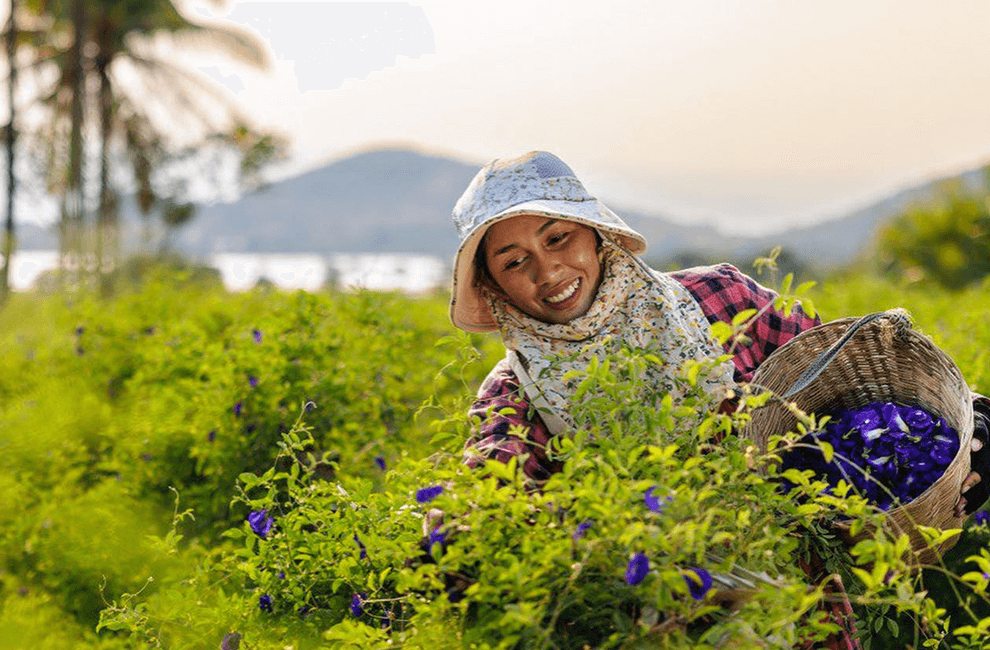
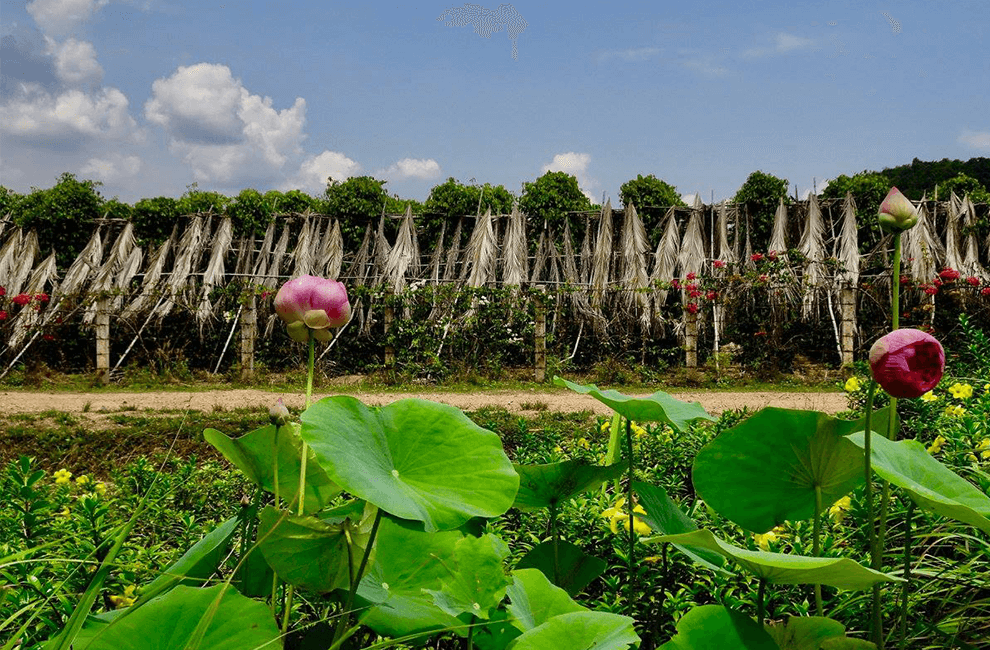
La Plantation Kampot pepper Farm is renowned for its exquisite, organically grown Kampot pepper. Situated just outside the charming town of Kampot, this farm spans over several hectares of luscious greenery, providing the perfect environment for pepper cultivation. The farm follows sustainable farming practices, ensuring that each peppercorn is of the highest quality. La Plantation prides itself on its commitment to preserving traditional farming methods while embracing modern techniques, making it a symbol of excellence in the world of gastronomy.

La Plantation Kampot

Travel Guide to La Plantation Kampot Pepper Farm

How to Get There

Getting to La Plantation Kampot Pepper Farm is a breeze. From the capital city of Phnom Penh, you can take a comfortable four-hour bus ride or hire a private car to reach Kampot. Once in Kampot, you can hire a tuk-tuk to take you to the farm, which is located approximately 16 kilometers away. The scenic journey through lush landscapes and rice fields sets the tone for the delightful experience that awaits you.

La Plantation Kampot

Things to Do at La Plantation Kampot Pepper Farm

  1. Pepper Farm Tour: Embark on a guided tour of the plantation and get an up-close and personal look at the pepper growing process. Learn about the different types of pepper, witness the intricate harvesting techniques, and discover the art of pepper drying and processing.
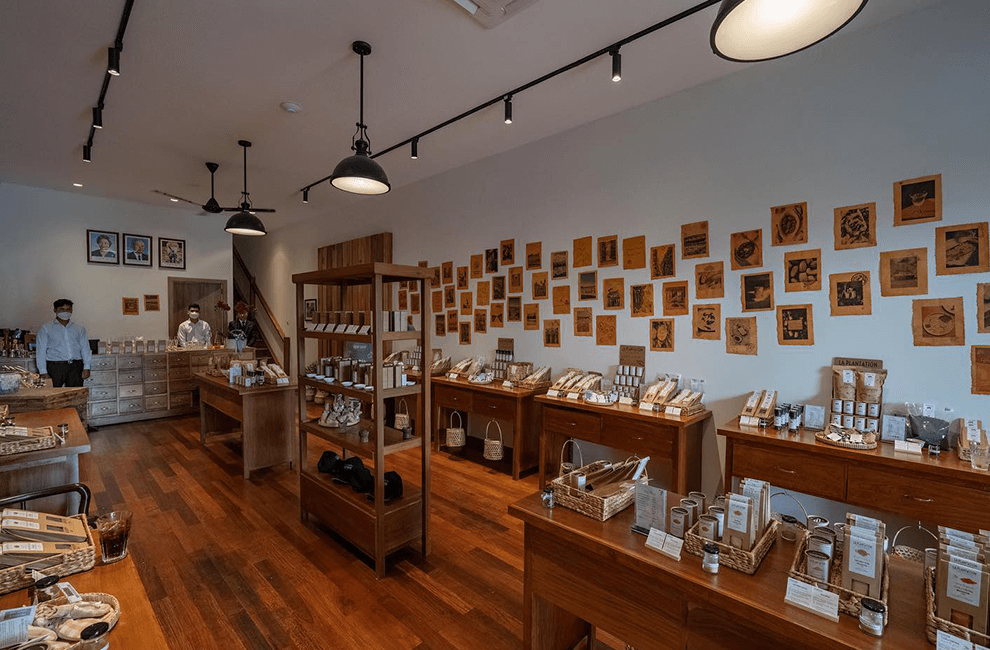
  2. Pepper Tasting: Indulge your taste buds in a unique and diverse tasting experience. Sample various types of peppers – ranging from mild and floral white pepper to bold and aromatic black pepper. Gain a deeper understanding of the complex flavors and aromas that make Kampot pepper a true culinary gem.
  3. Cooking Class: Unleash your inner chef by participating in a hands-on cooking class. Learn how to use Kampot pepper in traditional Cambodian dishes and master the art of balancing flavors. Gain invaluable insights from expert local chefs who will guide you through the cooking process, ensuring that you create a memorable culinary masterpiece.
  4. Visit the Pepper Market: Immerse yourself in the vibrant local culture by exploring the bustling Kampot Pepper Market. Here, you can interact with the friendly locals, purchase Kampot pepper to take home, and discover a wide array of other local produce and spices.
La Plantation Kampot

Conclusion

A visit to La Plantation Kampot Pepper Farm promises to be an unforgettable experience for food enthusiasts and travelers alike. Discover the secrets behind the world-renowned Kampot pepper, engage in sensory adventures, and uncover the rich cultural heritage of Cambodia. Whether you are a professional chef or simply have a passion for flavors, this pepper farm is a must-visit destination. So, pack your bags, prepare your taste buds, and get ready to embark on a culinary journey like no other.